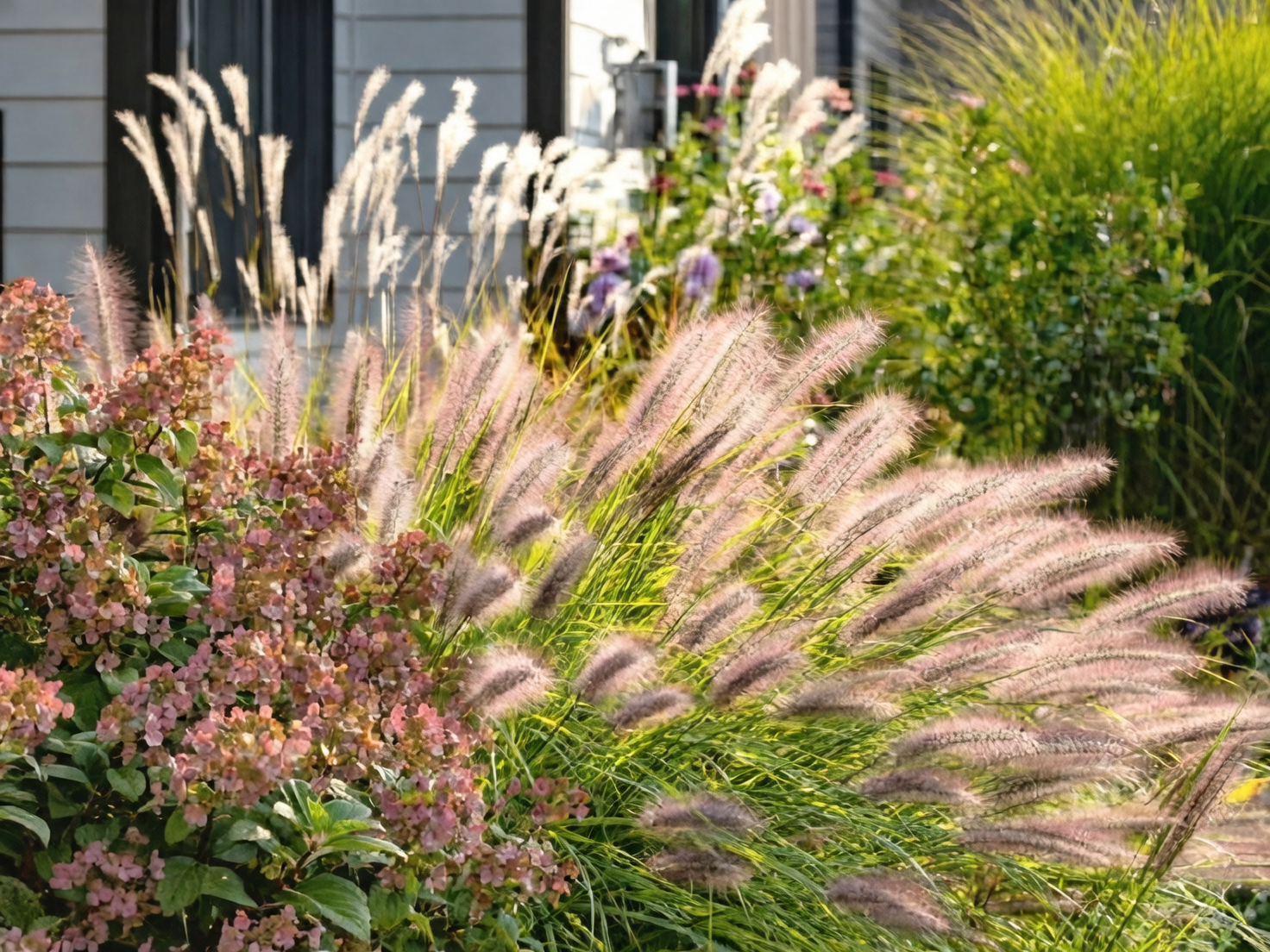
Imagine a border full of color and movement—tall, candle-like spires humming with bees, silky grasses riffled by breeze, and a long parade of blooms that share one thing in common: they love life on the lean side. That’s the sweet spot for Lupinus polyphyllus, the cottage-garden lupine that thrives in well-drained, modest soils and quietly enriches its neighbors with nitrogen. Below, you’ll find design-smart plant combinations, bloom-timing strategies, and pollinator-friendly layouts that celebrate lupine’s strengths without overcrowding.
Meet Lupinus polyphyllus (Bigleaf/Garden Lupine)
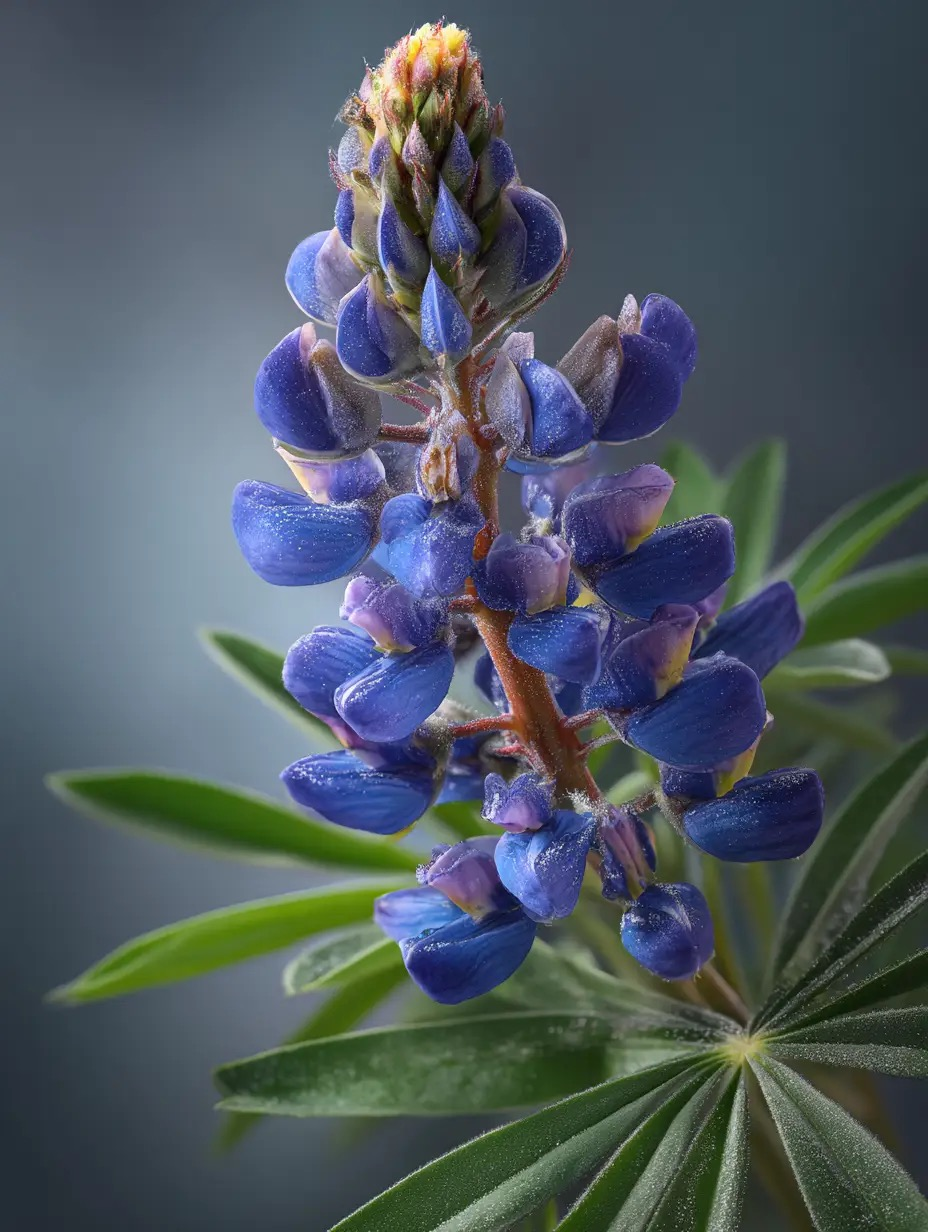
- Botanical family: Fabaceae (the pea family); genus Lupinus
- Origin: Western North America, especially the Pacific Northwest
- Habit and size: Upright, clump-forming perennial with a strong taproot; typically 24–48 in (60–120 cm) tall, 12–24 in (30–60 cm) wide; flower spikes can top out near 60 in (150 cm) in great conditions
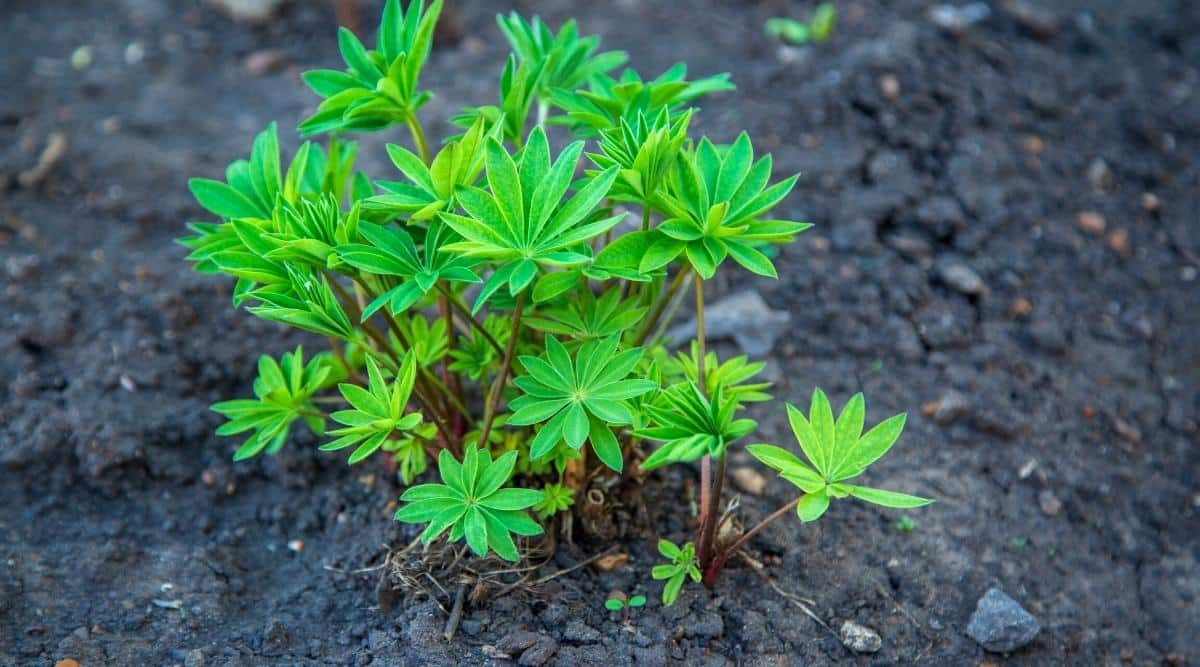
- Foliage: Handsome palmate (fan-like) leaves with a soft, often slightly silvery texture
- Flowers: Dense, vertical racemes of pea-flowers opening bottom to top; jewel tones in blues, purples, pinks, reds, whites, and bicolors
- Blooming season: Spring to early summer (often April–June, sometimes into July depending on climate), with the chance of a smaller second flush if deadheaded
- Nature notes: Deer-resistant, pollinator-friendly, and a nitrogen fixer; dislikes being moved once established due to its taproot
The Site Recipe: Lean, Well-Drained, Airy
- Sun: Full sun in cool-summer regions; in warmer or southern areas, give light to afternoon shade to reduce heat stress
- Soil: Sandy or loamy, sharply drained, slightly acidic (roughly pH 5.5–6.5)
- Moisture: Evenly moist in spring growth, but never waterlogged; drainage is non-negotiable
- Airflow: Space plants to avoid still, humid air—this reduces powdery mildew
- Climate and hardiness: Best in cool conditions; USDA Zones 4–8 (often happiest in Zones 4–6)
Pro tip: Avoid nitrogen-rich soils or heavy feeding. Rich conditions = lush leaves, fewer flowers.
The Quiet Superpower: Nitrogen Fixation (And How to Use It in Design)
Lupines partner with soil microbes on their roots to capture atmospheric nitrogen—turning it into a plant-usable form. It’s not a fast-acting “fertilizer dump,” but rather a gradual enrichment right around their root zone over time. Use that subtle boost to support neighbors that prefer moderate fertility but still relish lean, well-drained conditions.
- Ideal neighbors for lupine’s slow N-credit
- Fine-textured grasses and sedges that enjoy modest fertility and drainage: blue fescue (Festuca glauca), deschampsia
- Perennials that flower well in lean soil: bearded iris, sea holly (Eryngium), yarrow (Achillea), catmint (Nepeta), salvias, geum, verbascum
- Other legumes like false indigo (Baptisia) also love lean soils; use sparingly so the bed doesn’t gradually tip into “too rich”
- Feeding approach
- In-ground: often no fertilizer needed beyond compost used sparingly
- Containers: light, low-nitrogen feeding during active growth can help—avoid heavy nitrogen at all costs
Smart Companions That Thrive in Lean, Well-Drained Beds
Focus on partners that won’t demand rich soil or constant water. Choose varied flower forms for a textured display and to keep pollinators around for months.
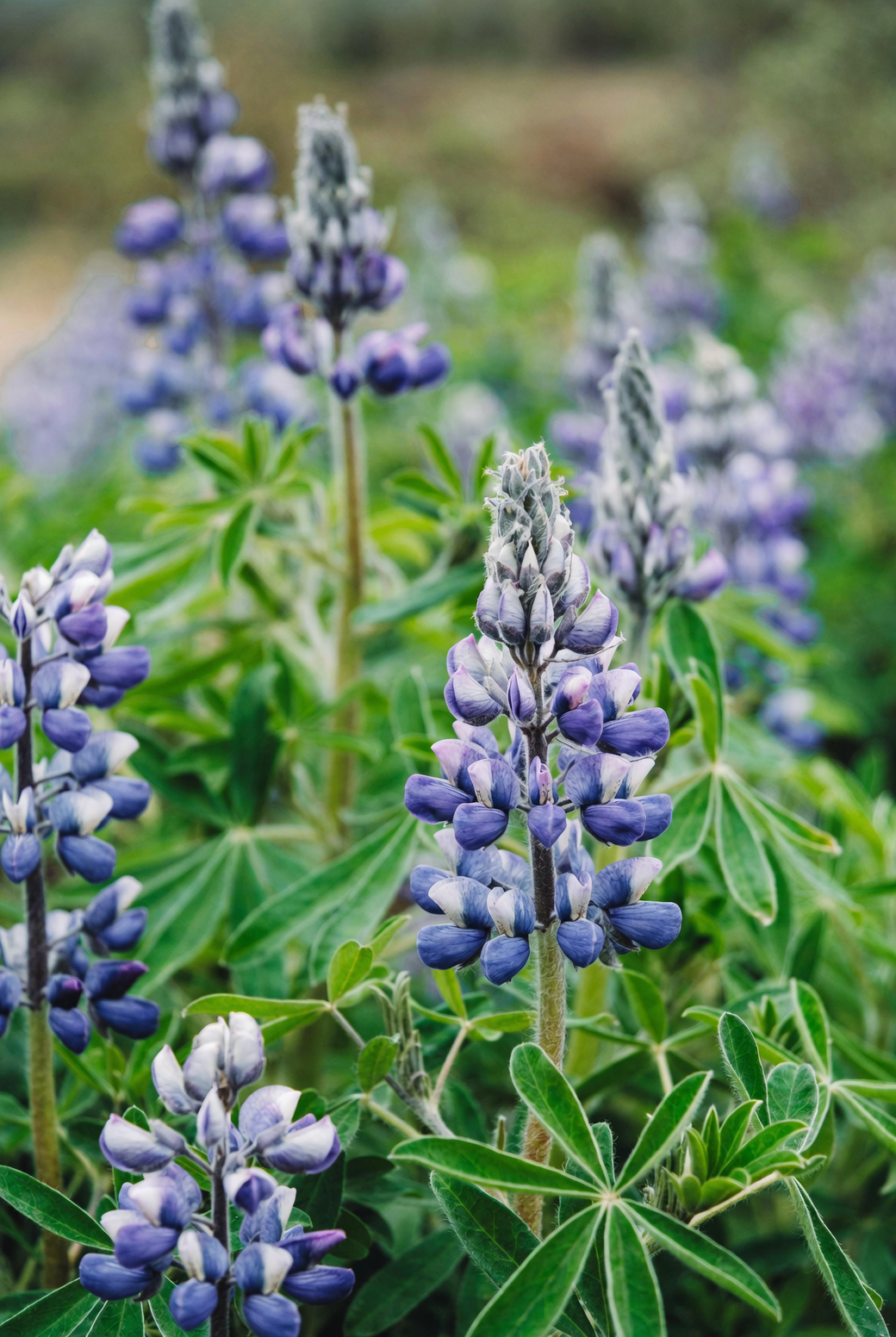
Perennials (texture, toughness, and color)
- Bearded iris (Iris germanica): Loves sun and drainage; blooms alongside lupine
- Sea holly (Eryngium): Spiky blue globes contrast beautifully with lupine’s smooth spires
- Yarrow (Achillea): Flat umbels, long season, pollinator magnet; great in lean sites
- Catmint (Nepeta): Billows at the front edge; steady nectar source
- Salvias (e.g., Salvia nemorosa): Strong color blocks; drought-tolerant once established
- Verbascum (mullein types): Elegant wands; thrives in poor, well-drained soil
- Geum (Avens): Spring-to-early-summer glow in orange, apricot, or red; good with drainage
- Columbine (Aquilegia): Airy spring stars that overlap lupine bloom
- Baptisia (false indigo): Architectural pea-flowers; another legume for the lean border—use thoughtfully
- Liatris (blazing star): Adds late-season purple wands, extending the show after lupine
Thoughtful additions that need a touch more moisture and airflow:
- Bee balm (Monarda) and garden phlox (Phlox paniculata) can work at the moister edge of the bed. Choose mildew-resistant varieties and give room for air circulation.
Shrubs (a steady backdrop—without casting shade)
- Weigela: Spring flowers that sync with lupine; keep pruned to avoid shading
- Compact lilacs: Fragrance and bloom overlap; choose shorter selections near borders
- Shrub roses: Sun-loving with many sizes and colors; avoid heavy feeding to keep the bed lean
- Boxwood or barberry: Foliage “wall” behind lupine; site so it doesn’t steal sun
Spring bulbs and early sparks
- Camassia: Thrives in spring moisture, then tolerates drier summers; gorgeous with lupine in cool climates
- Alliums: Architectural globes that echo lupine’s vertical drama
Annuals that love it lean
- California poppy (Eschscholzia): Low, glowing drifts between clumps
- Larkspur and nigella: Featherweight fillers to stitch the display
- Dwarf sunflowers: Sunny punctuation after lupine fades—choose compact forms to prevent shading
Combinations to Avoid (or Use with Caution)
- Water-hungry, rich-soil lovers: astilbe, hosta, many heucheras—these will sulk in lean, dry beds
- Deep shade or dense tree-root zones: lupines need light and drainage
- Heavy clay that stays wet: invites crown/root rot and sudden collapse
- Overcrowders and tall bullies: vigorous spreaders and towering annuals can smother lupine’s crown or shade its rosette
- Too many N-fixers plus compost: over time, this can tip the border into leafy growth with fewer flowers
Coordinate the Bloom Calendar for a Long, Lush Show
- Early spring into overlap with lupine (April–May)
- Camassia, early alliums, dwarf to tall bearded iris, columbine, geum
- Peak lupine moment (late spring–early summer)
- Bearded iris, salvias, sea holly, weigela, compact lilacs, shrub roses
- After the spires fade (summer carry-through)
- Liatris, yarrow, catmint, later salvias, dwarf sunflowers, and select bee balm or phlox (spaced for airflow)
Deadhead lupines promptly after the main show to encourage a smaller second flush and reduce self-seeding.
Layouts You Can Steal (With Breathing Room Built In)
1) Cool-Summer Cottage Spine
- Center: 5–7 lupines (Russell-type hybrids) at 18–24 in (45–60 cm) apart
- Flank with: triangles of bearded iris at 18 in (45 cm); drifts of Nepeta at 15–18 in (38–45 cm)
- Punctuate with: Eryngium every 2–3 feet for blue, prickly contrast
- Underplant: Allium bulbs for early structure
- Result: A classical “spires and swirls” border that stays airy and bee-busy
2) Dry Meadow Ribbon
- Weave: Lupines in loose drifts 24 in (60 cm) apart
- Thread through: blue fescue clumps every 18–24 in; Achillea for long bloom
- Tall accents: Liatris spikes in small clusters behind lupine
- Result: A breezy, low-input meadow look that rides out summer neatly
3) Pollinator Patio Pot (Large, Deep Container)
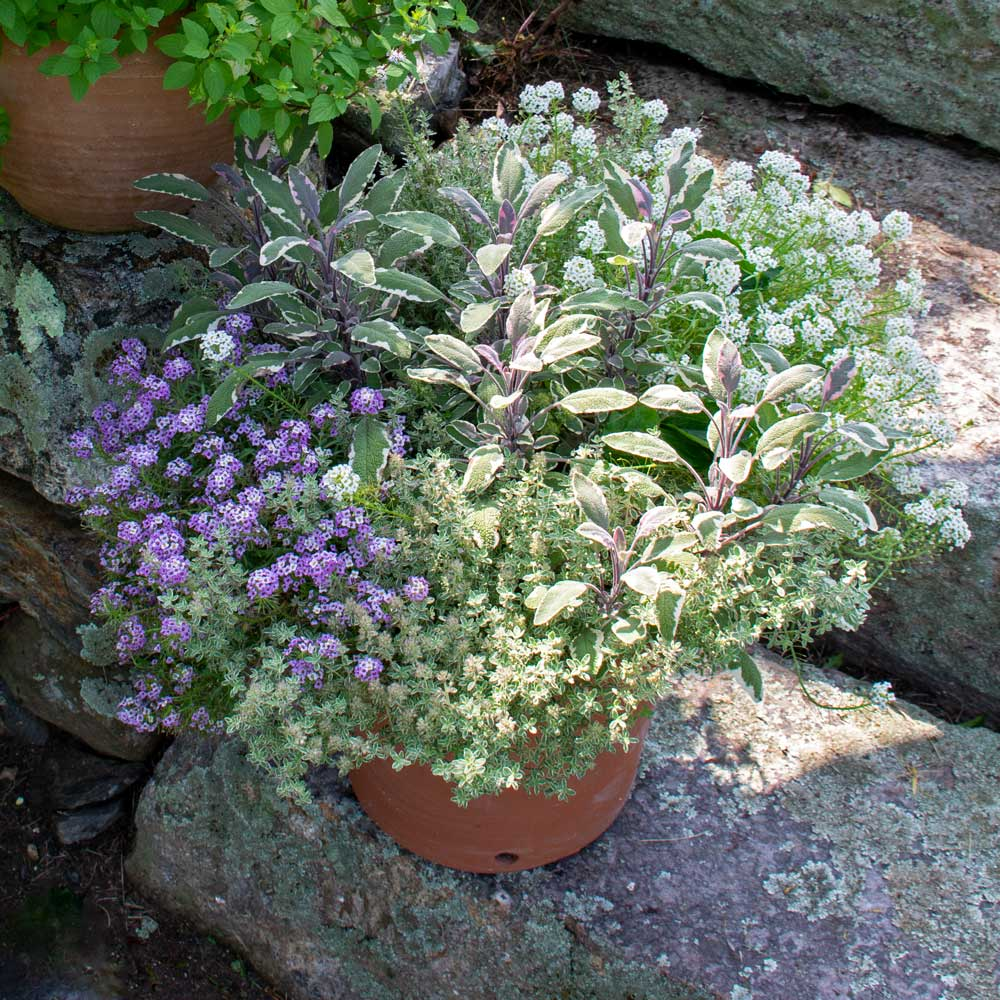
- One dwarf lupine in the center (use a deep pot to accommodate the taproot)
- Surround with: compact Salvia and trailing thyme (Thymus) for nectar and scent
- Mix: gritty, well-drained potting blend; water when mix dries, never soggy
- Light feeding: low-nitrogen, lightly, during active growth
- Result: A vertical magnet for bees that fits on a sunny patio
Don’t Overcrowd—Here’s the Spacing Math
- Mature width: 12–24 in (30–60 cm)
- Spacing target: 18–24 in (45–60 cm) center-to-center for single plants; 30–40 cm (12–16 in) if thinning direct-sown seedlings
- Air matters: Good airflow is your best defense against powdery mildew—avoid tight planting, soggy mulch, and evening overhead watering
- Keep shrubs in check: Prune backdrops so lupines don’t end up in the shade
Care Cues That Keep Combos Singing
- Water: Keep evenly moist during spring growth; never waterlogged. In heat, provide afternoon shade in warm-summer climates
- Feeding: Minimal; avoid heavy nitrogen. In pots, feed lightly with a bloom-leaning, low-N formula during active growth
- Deadhead: Cut spent spikes before seed pods form for tidiness and possible rebloom
- End-of-season: After foliage yellows, cut back near ground level
- Pests/diseases: Watch for aphids (blast with water or use insecticidal soap), slugs/snails on young plants, and powdery mildew in humid, still air; space plants well and remove badly infected leaves
Propagation and Longevity Hacks
- Seed is easiest: Scarify or soak seeds 24–48 hours; sow outdoors in autumn or early spring, 0.8–1.2 in (2–3 cm) deep; germinates in ~3 weeks
- Note on genetics: Many fancy hybrids don’t come true from seed—expect surprises
- Division: Possible but dicey due to the taproot—handle gently
- Basal cuttings: Can work in spring
- Transplanting: Move only when young; established plants resent disturbance
Wildlife Wins (and Boundaries)
- Pollinators: The spires draw bees and butterflies in droves; staggered flowering in your combo keeps them fed for months
- Butterfly lore: Some wild lupines are host plants for select butterflies regionally, though specific host relationships vary by species
- Safety: All parts—especially seeds—can be toxic if ingested. Keep away from children, pets, and livestock
Flower Language: Imagination with a Contrarian Footnote
Lupines are often linked with imagination, creativity, and a generous, nurturing love—fitting for a plant that paints borders in impossible colors while enriching the soil. The genus name’s connection to “lupus” (wolf) sprang from an old misconception that lupines “devour” soil fertility. In a twist worthy of folklore, they actually improve it through nitrogen fixation. Some traditions also tag lupines with voraciousness or greed—a reminder that plant symbolism can be as contradictory and layered as a cottage border in full bloom.
Climate Snapshot and Placement
- Best performance: Cool summers, free-draining soil, and open air
- Hardiness: USDA 4–8 (often best in 4–6); can be short-lived in hot/humid regions
- Placement: Back of borders, cottage gardens, meadow-style drifts, paths; compact varieties for large containers
Design your lupine combos with drainage first, lean soil second, and breathing room always—and let those color-soaked spires do the rest. Your bees and butterflies will be the first to applaud.