

Snapdragons (Antirrhinum majus), with their vibrant colors and whimsical dragon-shaped blooms, are more than just a charming addition to your garden—they’re key players in enhancing your garden’s ecology. As you plan your next garden layout, consider how these versatile flowers can be used in companion planting to attract pollinators, deter pests, and create a dynamic and visually stunning garden space.
The Magic of Companion Planting with Snapdragons
Why Choose Snapdragons?
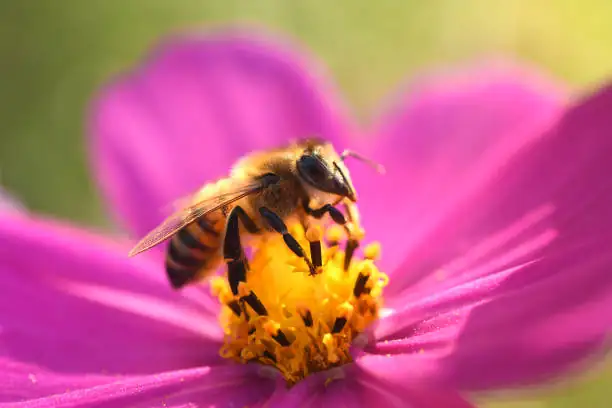
Snapdragons are beloved for their ability to add vertical interest and a splash of color to any garden. But that’s not all—they’re also a favorite among pollinators like bees, butterflies, and even hummingbirds. Their tubular flowers provide an excellent nectar source, making them an ideal choice for gardeners looking to support local ecosystems.
Creating a Pollinator Haven
When designing a garden with ecological balance in mind, snapdragons should be a cornerstone. Their long blooming season—from early spring to the first frost—ensures a continuous food source for pollinators. Imagine a garden teeming with life, where the gentle hum of bees adds a soothing soundtrack to your outdoor space.
Perfect Plant Partners
Snapdragons thrive in full sun and well-drained soil, making them compatible with a variety of other plants. Here are some companions that pair beautifully with snapdragons:
- Shrubs: Plant snapdragons in front of evergreen shrubs like choisya or euonymus for a backdrop that highlights their bright colors. Deciduous shrubs such as lilacs and forsythia also complement snapdragons, providing structure and seasonal interest.
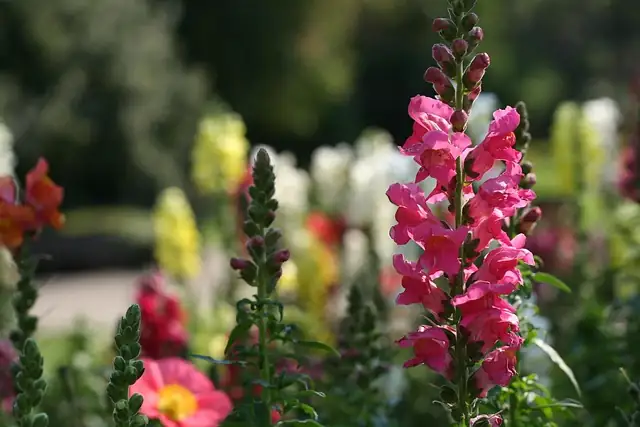
- Perennials: Consider pairing snapdragons with perennials that attract pollinators, such as echinacea and rudbeckia. These combinations not only support pollinator populations but also provide a layered look that adds depth to your garden design.
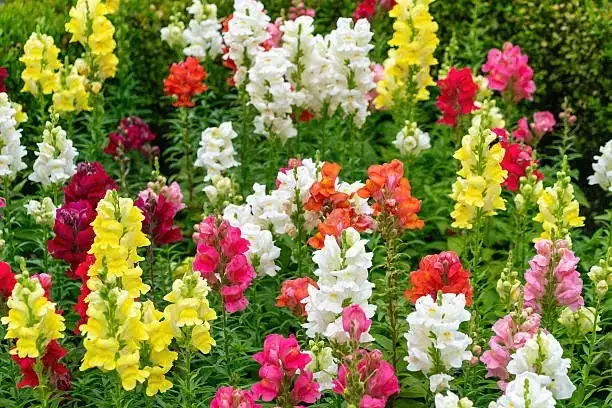
- Annuals: Mix snapdragons with other annuals like marigolds and petunias to enhance color diversity and texture. Their combined vibrancy creates a lively and inviting garden patch.
The Science of Snapdragons
In addition to their visual appeal, snapdragons have practical benefits. They’re deer-resistant, thanks to their slightly bitter taste, and can deter these garden pests from munching on more delicate plants. Plus, snapdragons’ upright growth habit makes them excellent companions for shorter plants, providing a natural scaffold and preventing overcrowding.
Enhancing Garden Ecology
Beyond Beauty
While snapdragons are undeniably beautiful, they also play a crucial role in maintaining a healthy garden ecosystem. By attracting pollinators, they help ensure the reproduction of other plants, contributing to a more robust and diverse garden environment.
Aiding in Pest Management
Snapdragons can also assist with natural pest control. By attracting beneficial insects such as ladybugs and hoverflies, they help manage aphid populations and other pests, reducing the need for chemical interventions.
A Garden Symphony
Imagine your garden as a symphony, with each plant playing its part. Snapdragons are the bright, lively notes that add excitement and movement, inviting pollinators and beneficial insects to join in the performance. Together, they create a harmonious and thriving garden space.
Caring for Your Snapdragons
Simple Steps to Success
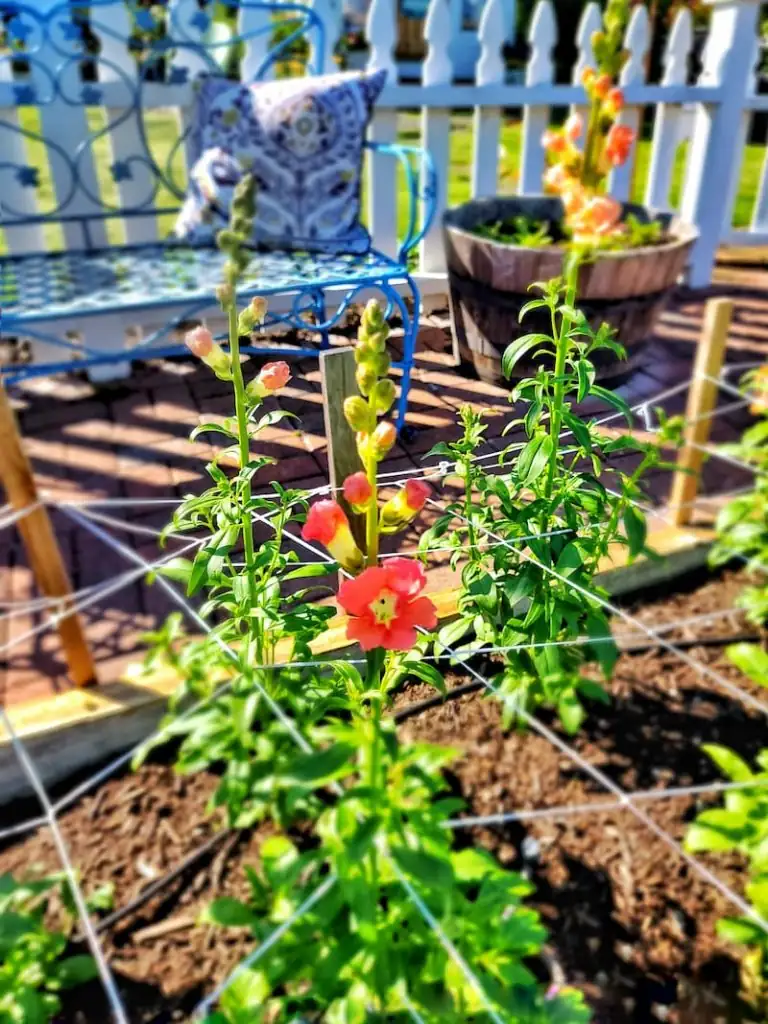
Snapdragons are easy to grow, making them ideal for both novice and experienced gardeners. Here are a few tips to ensure your snapdragons flourish:
- Sunlight: Ensure they receive full sun for at least six hours a day to maximize flowering.
- Watering: Keep the soil evenly moist, especially during establishment. Aim to water at the base to avoid wetting the foliage.
- Feeding: Incorporate compost into the soil before planting and use a balanced fertilizer every 2-4 weeks during the growing season.
- Pruning: Regular deadheading encourages new blooms, and pinching young plants can promote bushier growth.
Seasonal Considerations
Snapdragons perform best in cooler temperatures and may pause flowering during hot summer months. However, as temperatures cool in the fall, they often bloom vigorously, providing color when many other plants are fading.
Conclusion
Snapdragons are more than just a pretty face in the garden. Their ability to attract pollinators, deter pests, and complement a wide range of plants makes them an invaluable addition to any garden. By incorporating snapdragons into your garden design, you’re not only enhancing its beauty but also supporting a thriving and diverse ecosystem. So why not let snapdragons take center stage in your garden symphony?


