Creating a Harmonious Indoor Garden with Begonia maculata
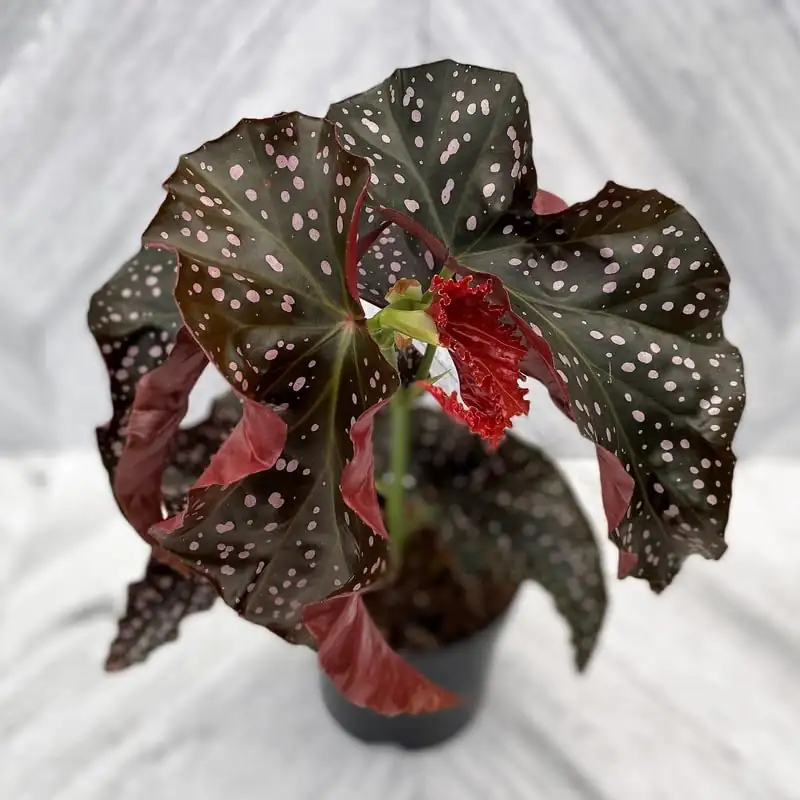
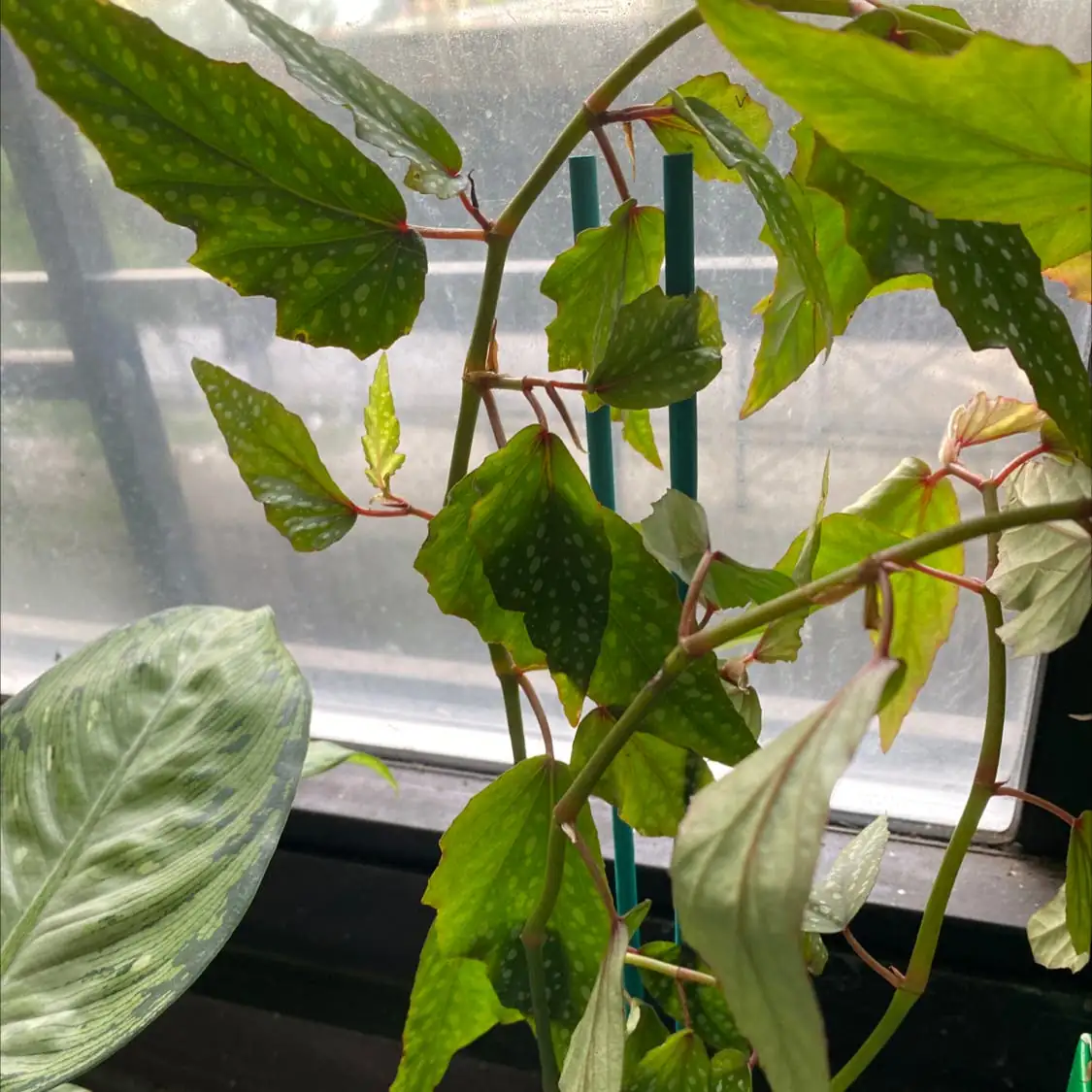
Imagine walking into a room where your eyes are immediately drawn to a stunning Begonia maculata, commonly known as the Polka Dot Begonia. Its angel-wing leaves are sprinkled with silvery-white spots, and beneath, a rich burgundy hue adds a touch of drama. This plant is undoubtedly a showstopper, but did you know it can shine even brighter when paired with complementary houseplants? Let’s explore how to create a harmonious and aesthetically pleasing indoor garden with this tropical beauty.
Understanding the Polka Dot Begonia
Before we dive into plant pairings, let’s appreciate the Polka Dot Begonia itself. Native to Southeast Brazil, this plant thrives in the warm, humid underbrush of rainforests. Its bamboo-like canes can reach up to 150 cm indoors, making it a striking vertical element in any room. It loves bright, indirect light and requires a rich, well-draining soil to prevent its roots from getting soggy. With proper care, you’ll enjoy not only its gorgeous foliage but potentially, clusters of creamy-white flowers from late spring into fall.
Plant Pairing Principles
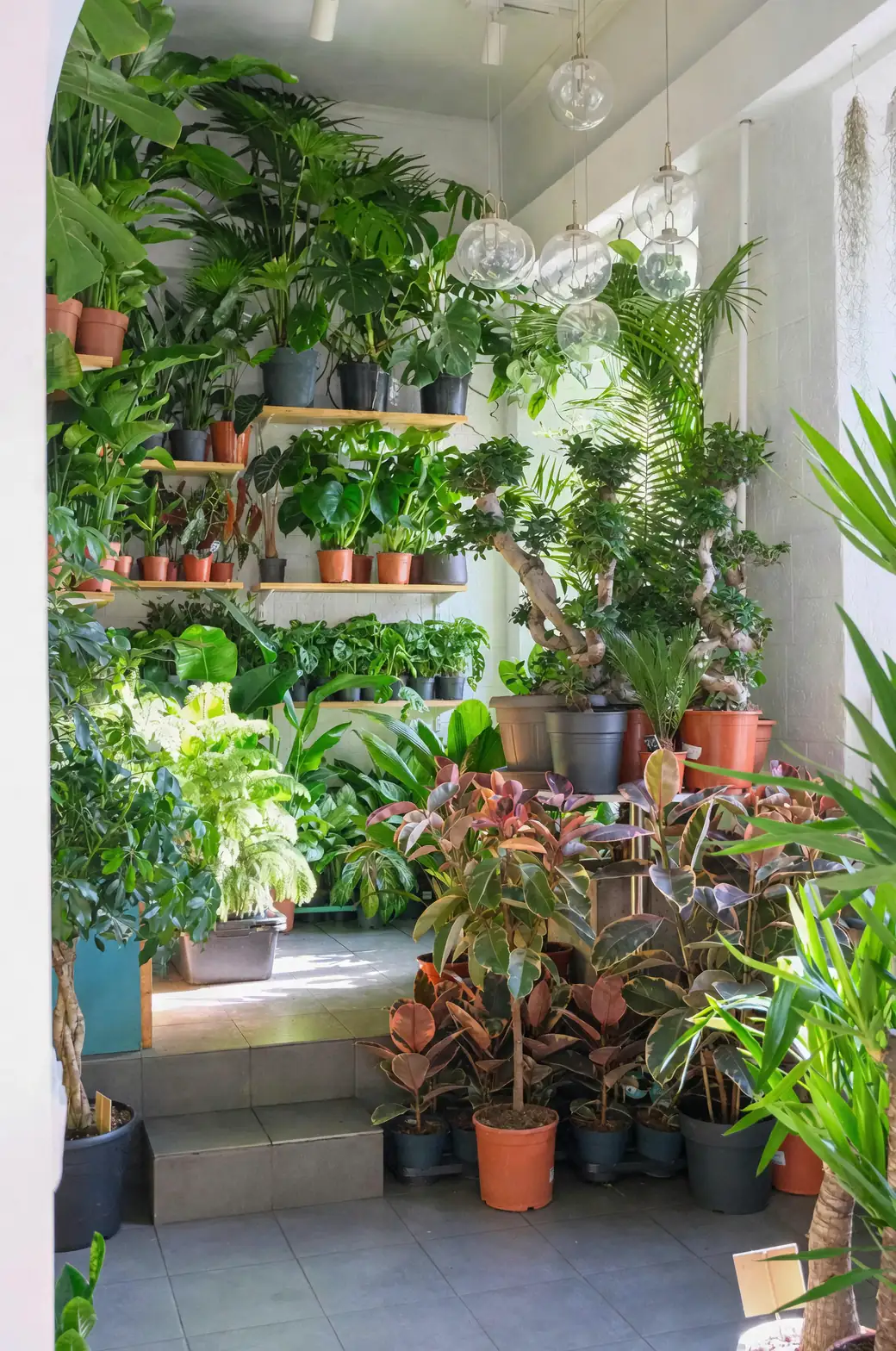
Pairing plants is like assembling a band: each member should complement the others, creating a symphony of visual delight and healthy coexistence. The key is to match plants with similar care needs, ensuring all your green companions can thrive together.
Benefits of Companion Planting
- Shared Care Needs: Like finding a roommate with the same lifestyle, plants with similar light and watering requirements make maintenance a breeze.
- Pest Management: Some plants naturally repel pests, acting as a botanical neighborhood watch.
- Visual Diversity: Combining different leaf shapes, sizes, and colors can elevate your indoor garden to a work of art.
Perfect Plant Pairs for Begonia maculata
Spider Plant (Chlorophytum comosum)
Spider Plants are not only easy to care for but also excellent air purifiers. Their arching leaves create a graceful contrast to the upright and spotted foliage of the Polka Dot Begonia. Both plants enjoy bright, indirect light and moderate humidity, making them a low-maintenance dynamic duo.
Pothos (Epipremnum aureum)
The trailing vines of a Pothos plant provide a lush backdrop to the Begonia’s striking silhouette. Pothos shares a love for indirect light and can tolerate the same watering schedule, making this pairing both visually appealing and practical.
Peace Lily (Spathiphyllum spp.)
Peace Lilies are renowned for their elegant white blooms and air-purifying abilities. Their preference for similar light and humidity levels makes them a natural partner for the Polka Dot Begonia. Together, they create a serene and fresh atmosphere.
Calathea (Calathea spp.)
With their bold, patterned leaves, Calatheas add a textural contrast to the Begonia’s spotted foliage. They thrive in similar humidity and indirect light conditions, ensuring a harmonious coexistence.
Fittonia (Fittonia albivenis)
Known as the nerve plant, Fittonia’s intricate vein patterns offer a captivating complement to the Begonia’s dots. Both fit well in smaller spaces and enjoy similar care, making them perfect companions.
Feng Shui and the Begonia
For those interested in Feng Shui, the Polka Dot Begonia is associated with the Fire element, symbolizing passion and vigor. Placing it in a South-facing position can enhance growth and prosperity, fostering an atmosphere of enthusiasm and creativity. However, be mindful of balancing the energy in your space to avoid overstimulation.
Tips for a Thriving Indoor Garden
- Humidity and Airflow: Many of these plants enjoy high humidity, so consider placing them in a well-ventilated bathroom or use a humidifier.
- Watering Practices: Ensure the top layer of soil dries out before re-watering to prevent root rot.
- Light Conditions: Bright, indirect light is key. Consider sheer curtains or positioning plants near an east or north-facing window.

Conclusion
Pairing your Polka Dot Begonia with the right companions can transform your indoor space into a lush, vibrant oasis. By considering care needs and aesthetic harmony, you’ll create a garden that not only looks beautiful but thrives with minimal fuss. So go ahead, unleash your creativity, and watch your indoor garden flourish!