

The Art of Companion Planting with Petunias: Creating Vibrant, Harmonious Gardens
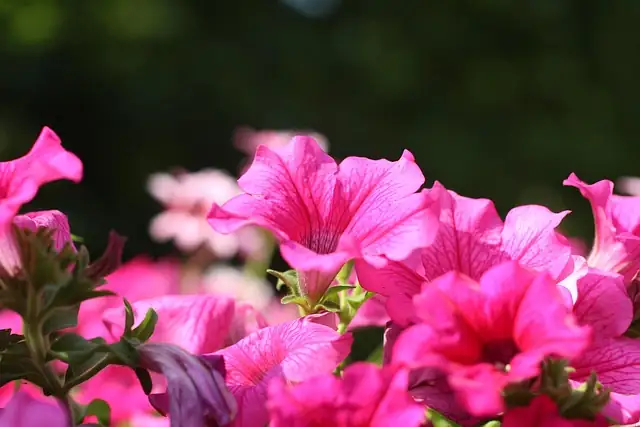
Petunias, with their vibrant hues and long-lasting blooms, are the darlings of summer gardens. Like a maestro orchestrating a symphony, the thoughtful gardener can utilize petunias in companion planting to craft a visually stunning and ecologically balanced garden. But what makes companion planting so special, and which plants waltz best with petunias in this floral ballet? Let’s delve into this colorful world.
Why Companion Planting?
Think of companion planting as a matchmaking service for plants. It’s not just about aesthetics; it’s about fostering a garden where plants support each other, enhancing growth, repelling pests, and attracting beneficial insects. Petunias, with their trumpet-shaped blooms, are versatile companions. They not only add a splash of color but also play a role in garden health by attracting pollinators and sometimes acting as a distraction for pests.
Perfect Partners for Petunias
The beauty of companion planting lies in its diversity. Here are some ideal partners that will thrive alongside your petunias:
1. Verbena
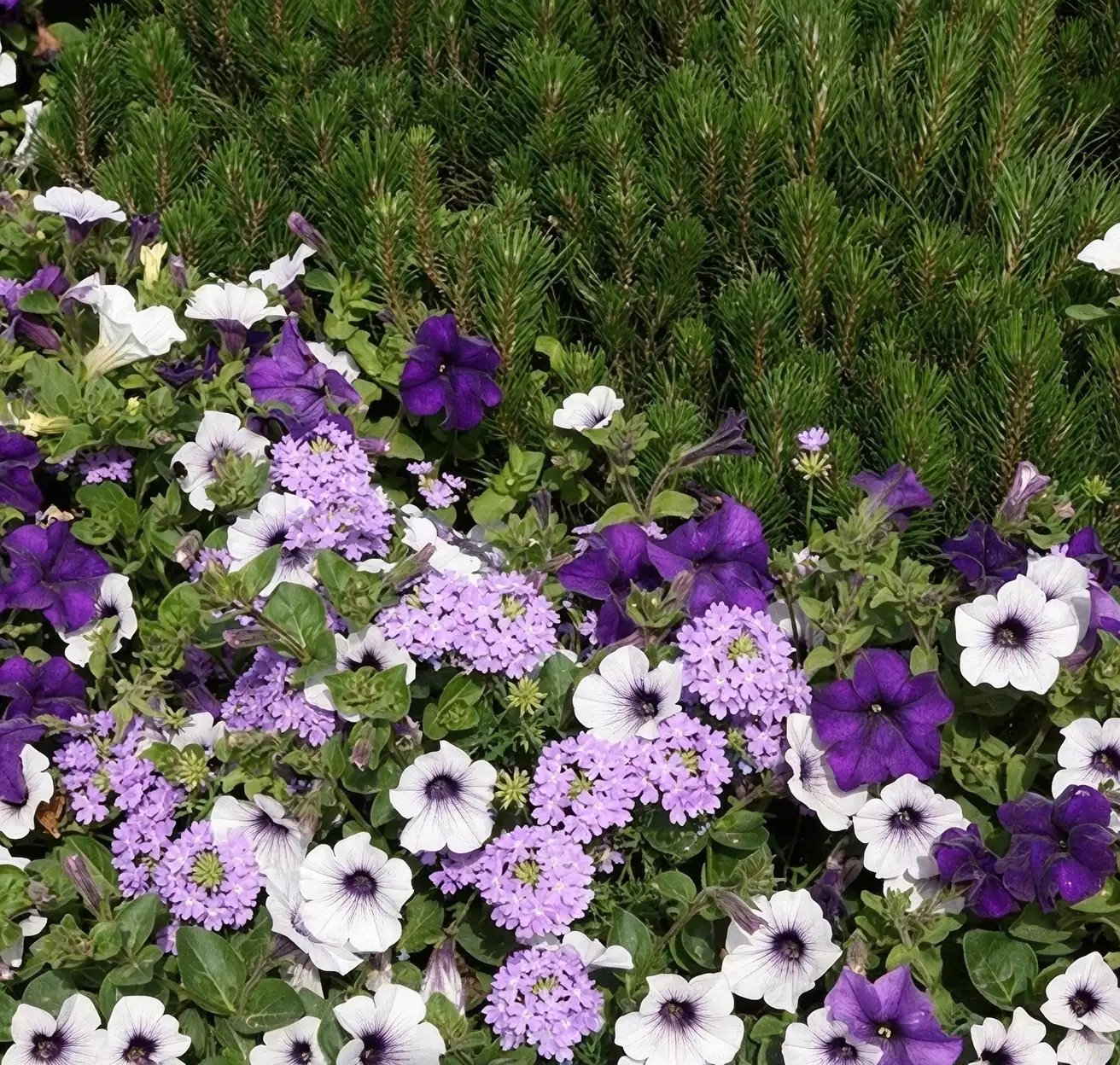
With clusters of vivid blooms, Verbena complements the bold colors of petunias beautifully. It attracts butterflies, adding another layer of life to your garden. Verbena thrives in sunny spots, making it a perfect match for petunias.
2. Calibrachoa (Mini Petunias)
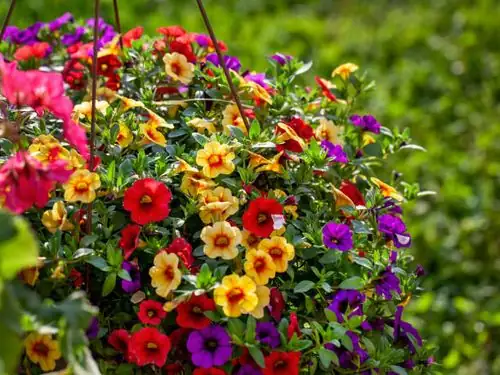
These “mini petunias” echo the larger blooms of their cousins but in a compact form. Their prolific flowering and range of colors create a seamless transition in mixed containers or flower beds.
3. Sweet Alyssum
Known for its trailing habit and sweet fragrance, Sweet Alyssum is a harmonious partner for petunias. It invites helpful insects into the garden and creates a visually soft contrast to the boldness of petunias.
4. Lobelia
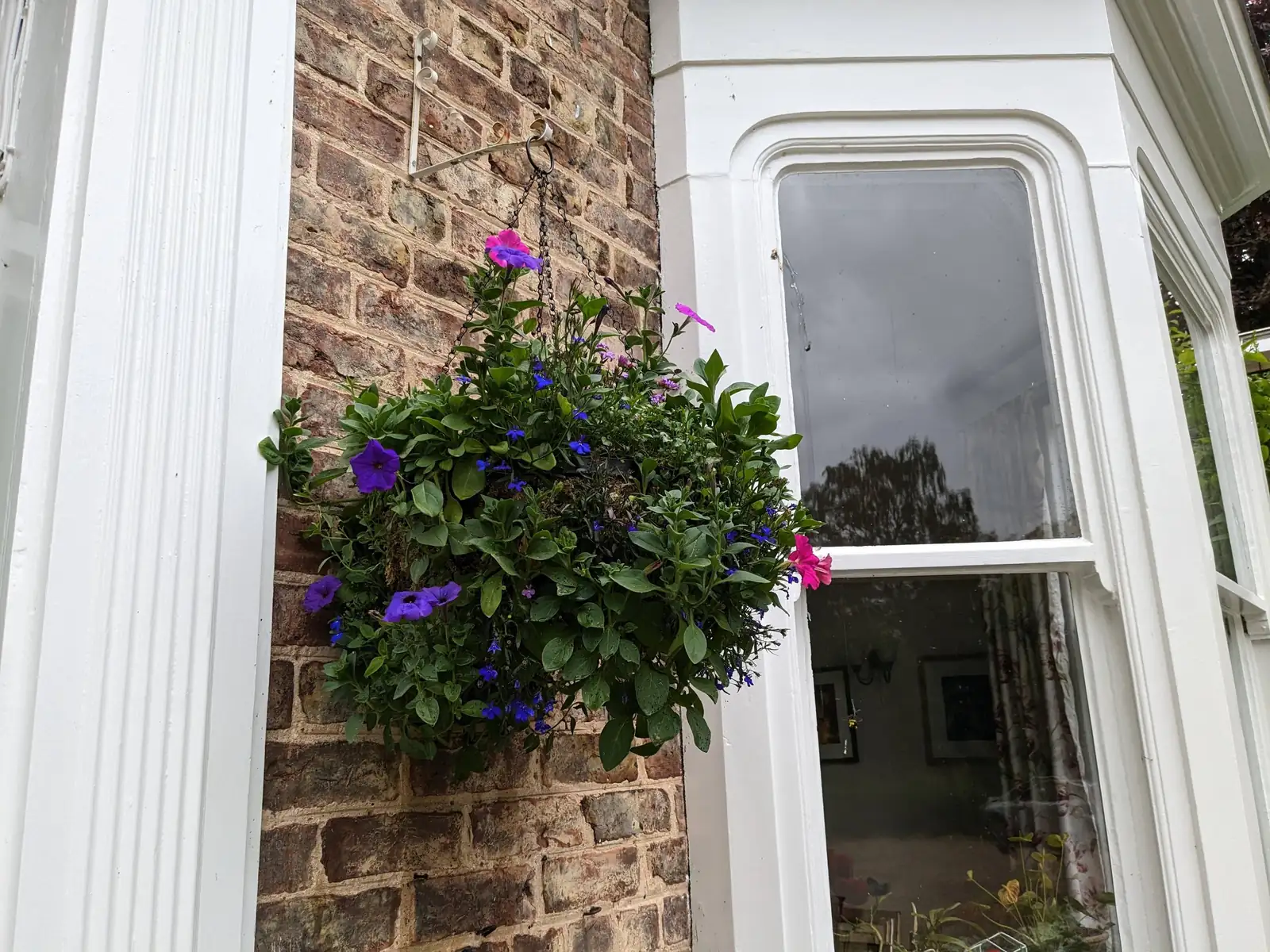
Lobelia’s cascading blooms in shades of blue, purple, and white create a stunning visual when paired with petunias in hanging baskets or window boxes. It brings a cool contrast to the warm colors of petunias.
5. Euphorbia
The airy foliage of Euphorbia provides a delicate balance to the robust blooms of petunias. Its light structure can add a touch of elegance and grace, making it a quintessential choice for sophisticated garden designs.
The Benefits of Strategic Pairing
When you plant petunias with these companions, you’re not just crafting a pretty picture; you’re building a dynamic ecosystem. Petunias can lure in pests, keeping them away from more vulnerable plants. Meanwhile, their colorful blooms are a beacon for pollinators, which benefits the entire garden.
Garden Harmony and Aesthetic Appeal
Companion planting is an art form that goes beyond survival tactics. It’s about creating a living tapestry where each plant contributes to the beauty and health of the whole. Consider using the “thriller, filler, spiller” technique: petunias can serve as the “filler” with their mounded growth, while taller plants like ornamental grasses provide the “thriller” and trailing plants like Creeping Jenny act as the “spiller.”
Crafting Your Petunia Plan
As you design your garden, remember that petunias thrive in full sun and well-drained soil. Their easy-to-care-for nature makes them ideal for both novice and seasoned gardeners. Regular feeding and watering will keep them blooming brightly through the season.
A Note on Petunia Symbolism
Historically, petunias have had a dual reputation. While they are often associated with comfort and joy, in Victorian times they could also symbolize resentment. This duality adds a layer of depth to their presence in your garden—a reminder that flowers, like people, can carry complex stories.
Final Thoughts
Companion planting with petunias is a delightful way to enhance your garden’s beauty and biodiversity. By choosing the right partners, you’ll create a harmonious environment that thrives on mutual support and vibrant colors. So, whether you’re planting in beds, containers, or hanging baskets, let your creativity flow and enjoy the symphony of blooms that petunias will inspire. Happy gardening!


