

Cultivating a Responsive Garden: Pairing Mimosa pudica with Other Plants
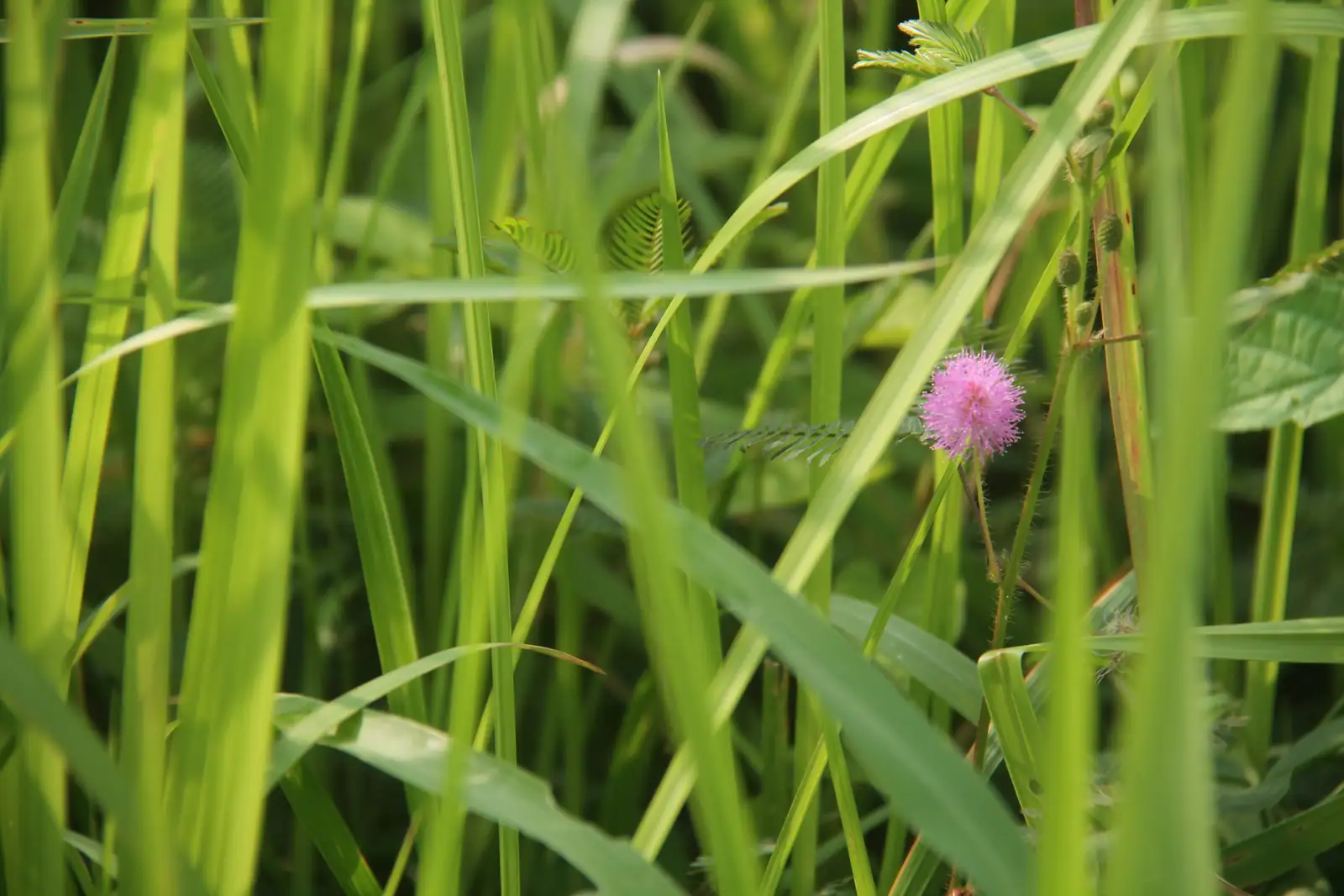
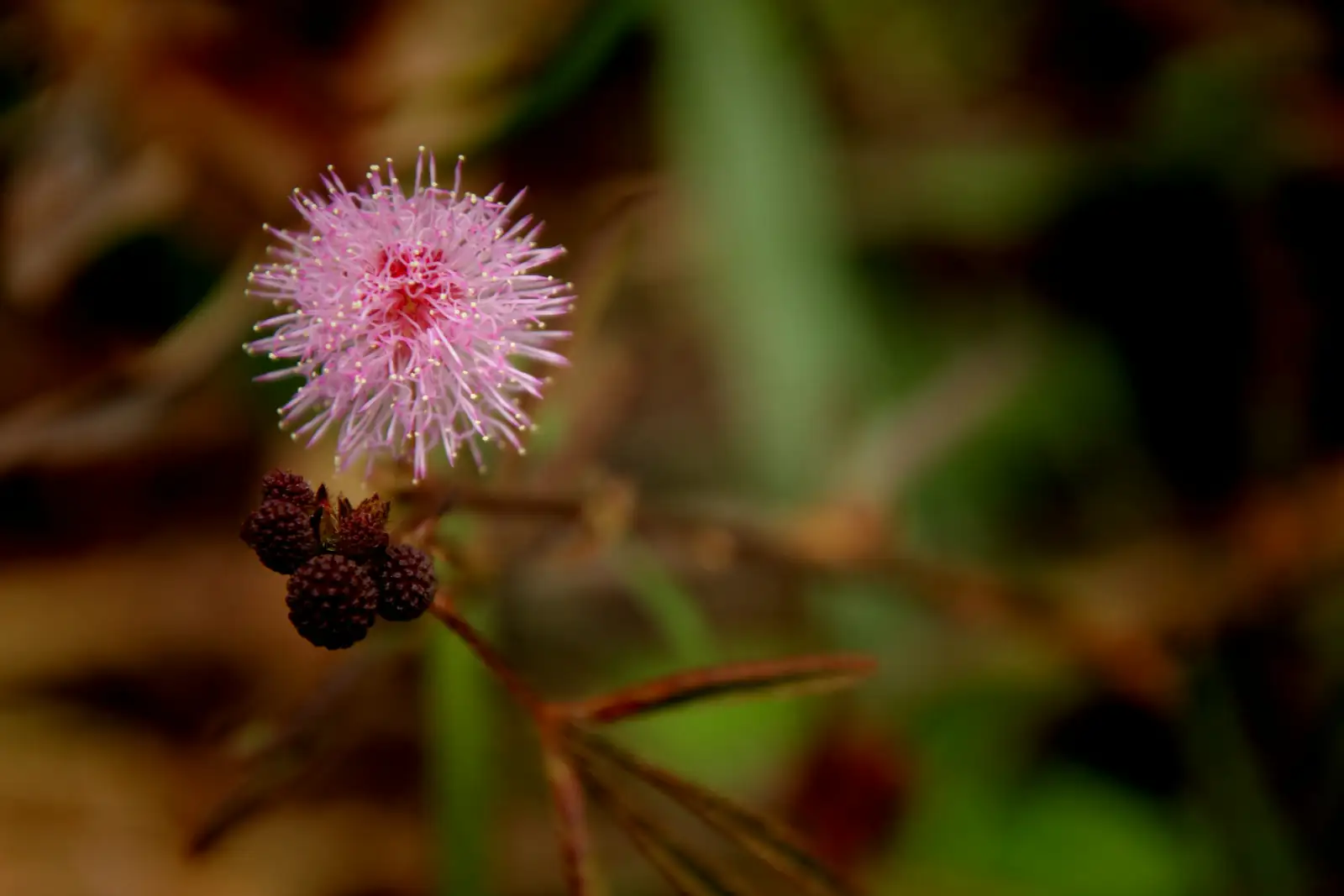
Imagine walking through your garden and, with the slightest touch, seeing the leaves of a plant shyly fold up as if playing a game of peek-a-boo. This is the unique charm of the Mimosa pudica, also affectionately known as the Sensitive Plant, Humble Plant, or Touch-Me-Not. Native to Brazil, this charismatic plant is a conversation starter with its dramatic leaf-folding and delightful pink pom-pom flowers, making it a playful addition to any garden. But beyond its personal allure, how can Mimosa pudica contribute to a more diverse and healthy garden ecosystem when paired with other plants?
The Magic of Mimosa pudica
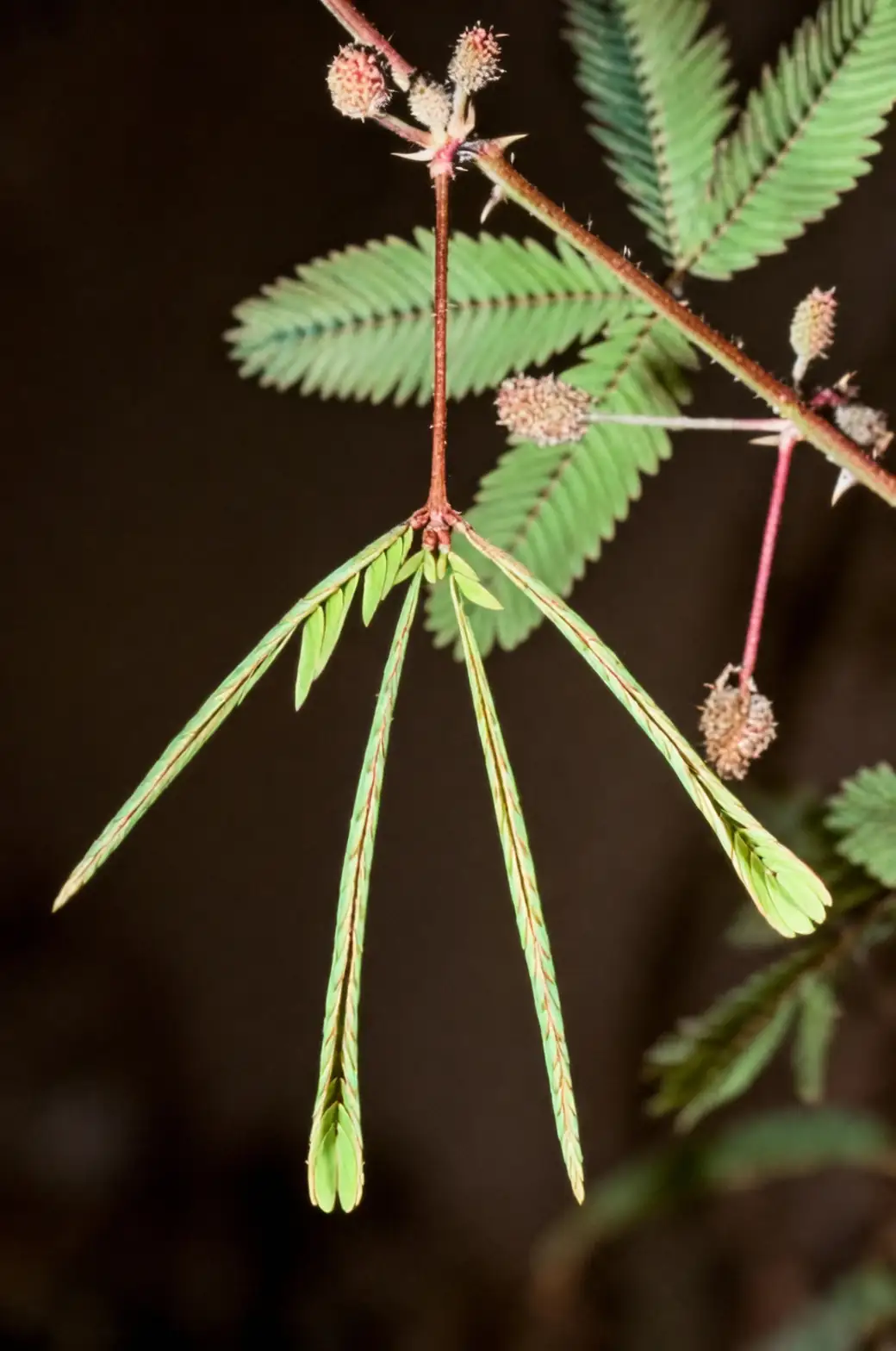
Mimosa pudica is not just a pretty face. Its ability to fold its leaves when touched, known as thigmonasty, serves as a defense mechanism against herbivores. The plant’s sensitivity is not limited to touch; it also responds to changes in light and temperature, showcasing a behavior called nyctinasty where its leaves close at night and reopen with daylight. These responses make it a fascinating subject for scientific studies and a delightful plant for curious gardeners.
Building a Garden Ecosystem with Mimosa pudica
To create a thriving garden ecosystem, it’s essential to consider the roles different plants play. Mimosa pudica, a member of the Fabaceae family, is a legume that can fix nitrogen in the soil, enhancing soil fertility. This makes it an excellent companion plant for other species in need of a nutrient boost. However, the Sensitive Plant does have its quirks and needs that should be considered when designing your garden.
Ideal Plant Partners
- Nitrogen-Loving Plants: As a nitrogen-fixer, Mimosa pudica benefits plants that thrive in nitrogen-rich environments. Consider pairing it with leafy greens or flowering plants that can take advantage of the enriched soil.
- Shade-Tolerant Species: While Mimosa pudica prefers bright light, it can tolerate partial shade. Plant it alongside shade-tolerant species like ferns or hostas, which can thrive in the dappled light created by Mimosa’s foliage.
- Drought-Tolerant Companions: Although Mimosa pudica enjoys consistent moisture, it is relatively tolerant of dry conditions. Pair it with drought-resistant plants like succulents or lavender to maintain a balanced garden that can withstand occasional dry spells.
Practical Considerations
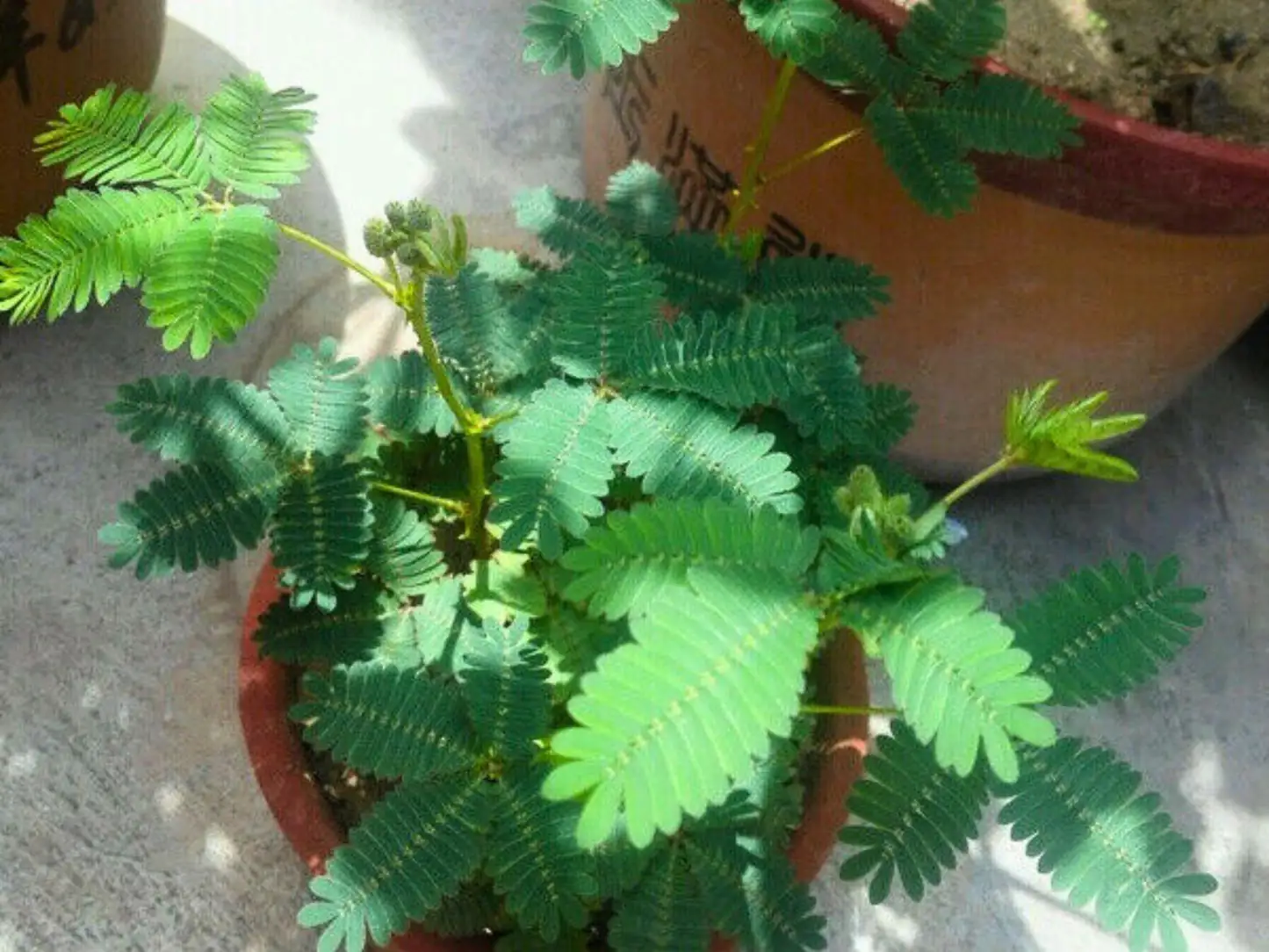
- Spacing and Growth Habit: Mimosa pudica typically grows to about 30–45 cm (12–18 in) tall and can spread up to 150 cm (5 ft) wide. Its creeping habit makes it suitable for ground cover, but ensure it has room to sprawl without overwhelming neighboring plants.
- Invasive Potential: In tropical and subtropical climates, Mimosa pudica can become invasive. To prevent unwanted spreading, consider growing it in containers or regularly prune and manage seed production.
- Thorns and Texture: Be mindful of the plant’s small thorns, which can deter not just herbivores but also make it less friendly for gardeners. Pair it with smoother-textured plants to balance the tactile experience in your garden.
A Touch of Symbolism
Beyond its ecological contributions, Mimosa pudica carries a rich symbolism. Known for representing shyness and sensitivity, it is often gifted as a playful reminder to approach life with gentleness and sensitivity. The species name “pudica,” meaning bashful, perfectly captures its demure leaf-folding response, inviting us to be mindful of the delicate balances in nature.
Crafting a Lively Garden Scene
Incorporating Mimosa pudica into your garden not only adds an element of intrigue and beauty but also supports a healthier, more dynamic ecosystem. By thoughtfully pairing it with compatible plants, you can create a garden that is not only visually appealing but also ecologically beneficial. So why not invite a little magic into your outdoor space with the Sensitive Plant and watch your garden become a lively tapestry of interaction and growth?


