
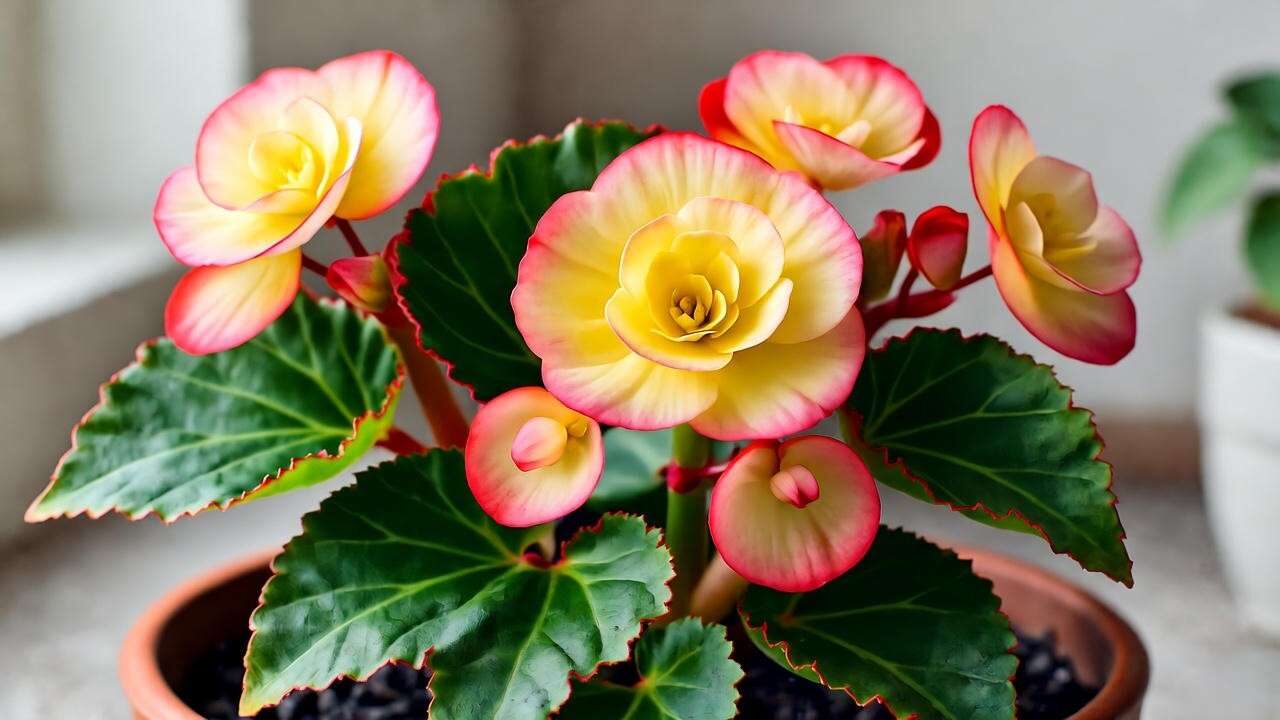
Picture a pot that behaves like a bouquet—weeks of saturated color, glossy leaves, and a compact silhouette that slides onto a windowsill, a shelf edge, or up in a hanging basket. That’s the magic of Begonia × hiemalis (Elatior Group), widely sold as Rieger or Elatior Begonia. It’s a cool-season, bloom-happy houseplant that rewards good light and steady care with flowers right when your rooms need a lift most.
Meet Begonia × hiemalis (Elatior Group)
- What it is: A man-made hybrid group bred for dense, long-lasting flowers. Often labeled “Begonia elatior” at shops. Fibrous-rooted (not tuberous), compact, and made for indoor pots and hanging baskets.
- Size and shape: Typically 20–40 cm (8–16 in) tall and wide—neat, upright-to-mounding. Some cultivars trail beautifully for airy displays.
- Flowers: Single to double blooms in red, pink, orange, yellow, and white—clustered and showy. With bright filtered light and deadheading, you can see color from late autumn through winter into spring.
- Living conditions: Bright, indirect light; comfortable cool-warm rooms (ideal 15–20°C / 59–68°F); evenly moist but never soggy mix. Frost tender—treat as an indoor star, or a sheltered patio guest only in frost-free weather (about USDA 10–11).
Color-pairing playbook: blooms × pots × rooms
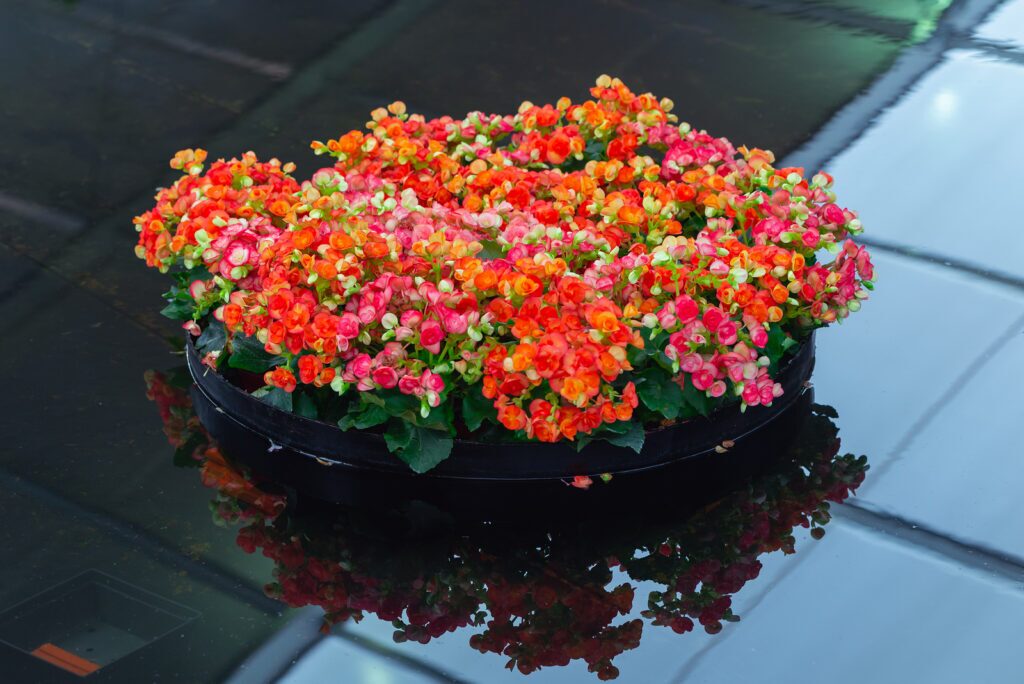
Let your begonia set the mood. Use these pairings to anchor a room’s palette or pop against neutrals.
- Red and deep pinks
- Pots: Matte black, charcoal, or deep forest green to intensify drama; brass for glam.
- Rooms: Modern living rooms, dining corners—anywhere you want visual energy.
- Styling tip: Place 30–60 cm (1–2 ft) back from a bright south window behind a sheer for saturated flower color without leaf scorch.
- Coral and orange
- Pots: Sand, terracotta-look, or warm taupe ceramics to echo the warmth; speckled stoneware for an artisanal vibe.
- Rooms: Boho breakfast nooks, kitchen windows, sunny studios with light wood.
- Styling tip: A rattan or macramé hanger + coral blooms = instant glow. Keep light bright but filtered.
- Sunlit yellows
- Pots: Teal, petrol blue, or cool gray to balance the warmth; glossy white for crispness.
- Rooms: Kitchens and workspaces—yellow reads optimistic and alert.
- Styling tip: In an east window, yellow blooms greet the morning light and hold color beautifully.
- Crisp whites
- Pots: Soft greige, stone, or marble-effect planters for a “gallery” look; pale pink for subtle romance.
- Rooms: Minimal bedrooms, serene bathrooms with bright frosted light, entry consoles.
- Styling tip: White blooms glow against darker walls; tuck near bright indirect light to keep petals pristine.
- Mixed color baskets
- Pots: Neutral hanging bowls in off-white or stone so the color mix stays the star.
- Rooms: Bay windows, stairwell landings, reading corners.
- Styling tip: Combine upright and trailing Elatiors for a full, cloudlike cascade.
Light-first placement that keeps blooms coming
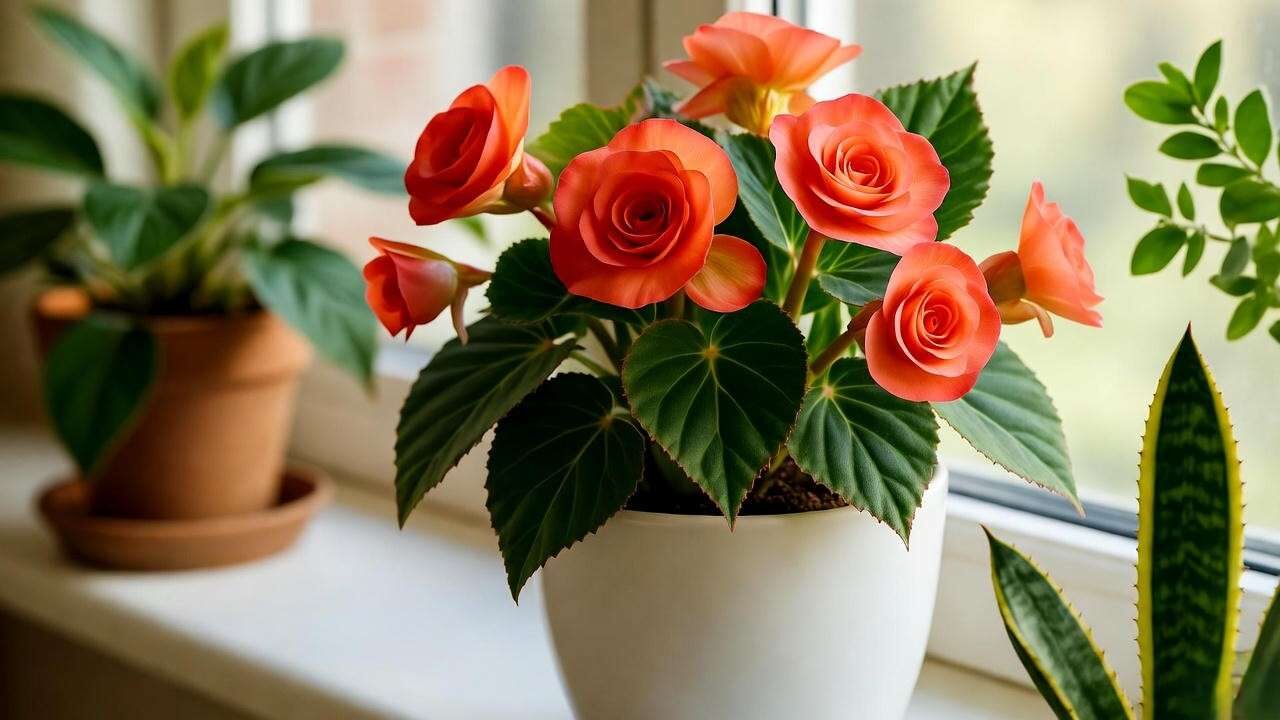
- Best spots:
- East-facing windowsills or tables: ideal morning sun, bright remainder of day.
- South-facing windows filtered by a sheer: bright but safe. Keep a little back from the glass.
- Bright west light: position a bit farther from the window to dodge harsh late sun.
- Avoid: Dim corners (leggy stems, pale leaves, fewer blooms), cold drafts, and overheated, sun-baked exposures.
- Quick read of plant signals:
- Too little light: stretched, leggy stems; paler or yellowing leaves; fewer, duller flowers.
- Excess heat or direct midday sun: wilting, bud drop, or leaf scorch.
- Airflow matters: Gentle ventilation prevents powdery mildew and gray mold without chilling the plant.
Space-saving, airy displays with trailing Elatiors
Some Elatior cultivars are naturally suited to hanging and cascading arrangements—often marketed as “trailing,” “pendula,” or “for hanging baskets.”
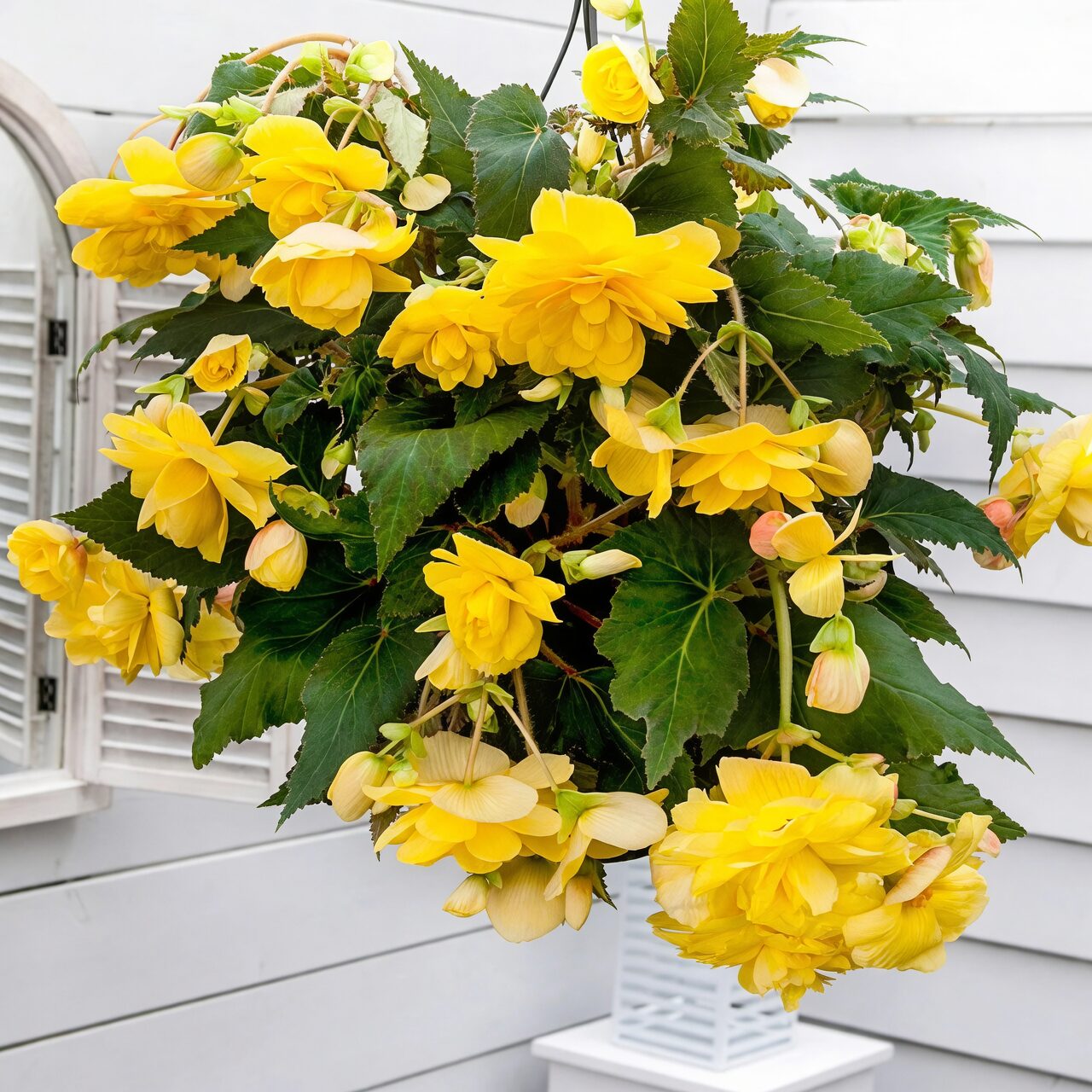
- Hanging basket basics:
- Pot size: 15–18 cm (5.9–7.1 in) for balanced moisture without heaviness.
- Placement: Eye level in a bright window with a sheer curtain; rotate weekly for even growth.
- Layering: Stagger 2–3 baskets at varied heights in a wide window to create a floating color canopy.
- Shelf-edge cascades:
- Use a lightweight ceramic cachepot with a nursery pot inside for easy watering and drainage.
- Let stems drape from open shelving near an east or filtered-south exposure.
- Training for fullness:
- Pinch soft tips about 2 weeks after potting to encourage branching.
- After a main flush, lightly cut back older flowered stems, leaving 4–5 nodes—this sparks fresh basal shoots and new flowers.
The easy-care rhythm behind the style
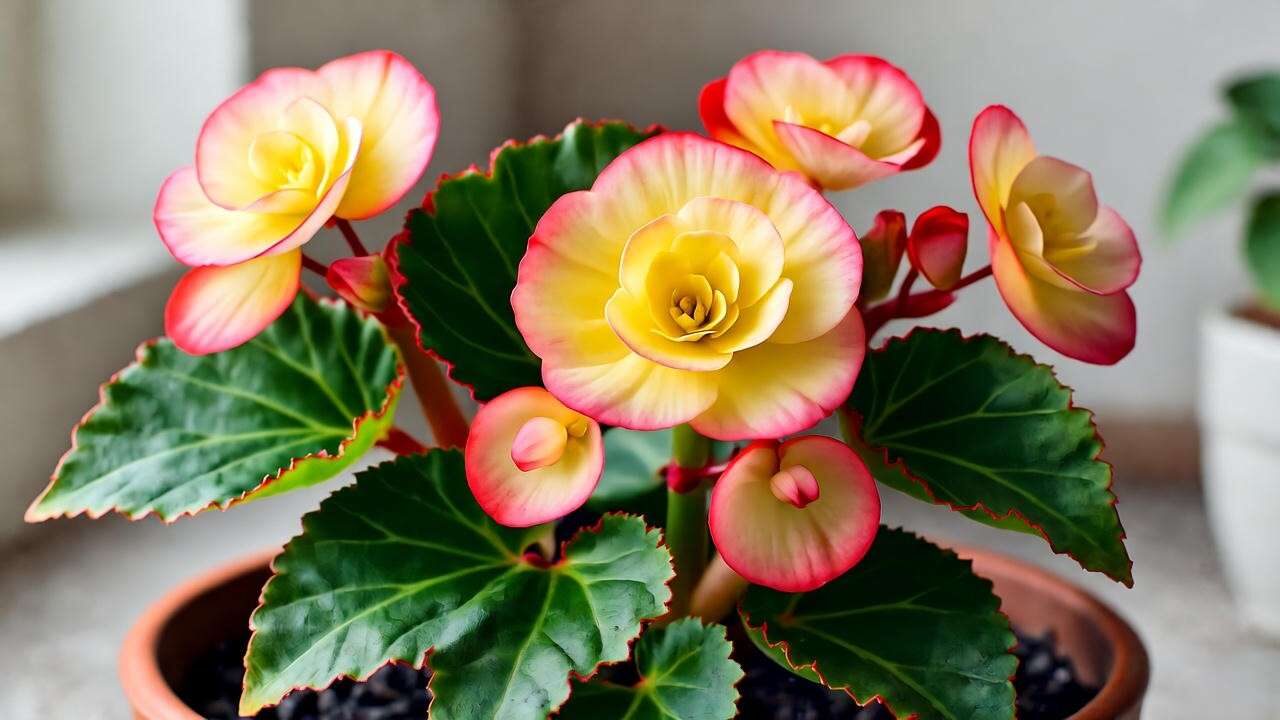
- Watering (evenly moist, never soggy)
- Method: Water thoroughly, then let just the top of the mix dry slightly before watering again. Empty saucers—no puddles.
- Practical cadence:
- Newly purchased: about once per week until you learn your home’s drying rate.
- Active growth: often 2–3 times per week.
- Winter flowering: often about twice per week.
- Clues you’re off-rhythm: brown leaf tips and bud drop (too dry/inconsistent); limp stems and pale foliage (waterlogging).
- Soil and pots
- Mix: Rich yet airy and slightly acidic—peat/leaf-mold or compost base with coarse sand or perlite.
- Drainage: Essential. Keep plants in a drainage pot; use a decorative cover pot if you love the look.
- Material choice: Glazed ceramic holds moisture more evenly; unglazed terracotta dries faster—great if you’re a frequent waterer, riskier if you forget.
- Feeding for flower power
- Every 2 weeks in active growth with a balanced liquid feed.
- When buds appear, give 1–2 applications of a bloom-boost formula with higher phosphorus/potassium (e.g., around 15-15-30).
- Pause feeding during hot spells if the plant is stressed.
- Temperature and humidity
- Sweet spot: 15–20°C (59–68°F). Keep above 10°C (50°F), ideally above 12°C (54°F) in winter.
- Heat spikes above 32°C (90°F) can cause wilting and bud drop—move to a cooler, bright spot and improve airflow.
- Prefers moderate humidity; avoid very dry air and also avoid stagnant, persistently damp air.
- Grooming that extends the show
- Deadhead spent blooms promptly.
- Light trim after a big flush to stimulate new shoots.
- Wipe leaves gently to remove dust so light can reach them.
- Repotting
- Timing: After flowering or when roots fill the pot.
- Step up modestly—oversized pots stay wet too long.
Troubleshooting at a glance
- Buds drop before opening: inconsistent watering, hot/cold drafts, or very dry air. Move to steady bright light, stabilize temps, and water evenly.
- Leggy growth, fewer blooms: light is too low—shift closer to bright filtered light.
- Leaves yellowing with limp stems: mix staying wet—improve drainage, empty saucers, water less often.
- Powdery mildew or Botrytis (gray mold): still, humid air and wet foliage. Increase airflow, avoid late-day splashing, remove affected bits, and keep up with deadheading.
- Brown, crispy tips: dry air or drought. Humidity tray or room humidifier nearby can help—without misting the leaves.
Safety, pests, and cleanliness
- Toxicity: Begonias can cause mouth irritation and gastrointestinal upset if eaten. Keep out of reach of pets and children.
- Pests: Watch for spider mites and aphids. Treat early with insecticidal soap or horticultural oil; repeat as needed.
- Clean habits: Good airflow + prompt removal of spent flowers/leaves = fewer fungal issues and a tidier look.
Keep the collection going: buying and propagation
- Buying smart
- Choose compact, balanced plants with deep-green leaves.
- Look for many tight buds with a few open blooms—proof it will keep performing at home.
- For hanging baskets, pick plants that fill the rim all around with plenty of visible buds.
- Propagation
- Cuttings: Root healthy, non-flowering tip or stem cuttings in a free-draining medium in bright shade with gentle warmth; roots often in ~3 weeks.
- Seed: Dust-fine and surface-sown; germinate around 16–18°C (61–64°F). Expect 1–2 weeks to sprout and roughly 5–6 months to flowering from sowing.
A note on symbolism and gifting
Elatior begonias are classic winter gift plants, often linked with gentle affection and tenderness—thoughtful tokens when days are short. This “flower language” isn’t ancient lore so much as a modern tradition born from their rare timing: luminous flowers that brighten winter rooms. Gift them to say “I’m thinking of you,” especially when light is scarce and color means the most.
Room-by-room cheat sheet
- Living room (bright south with sheer or east): Reds and corals in matte black or stone pots as a focal accent on a console. Keep 30–60 cm back from hot glass.
- Kitchen (east window): Yellow or orange in teal or white ceramics for morning cheer; rotate weekly for even growth.
- Bedroom (bright but calm): White or blush in oatmeal or greige pots on a dresser or bedside chest near bright indirect light; avoid heat vents and drafts.
- Home office (east or filtered south): Pink or mixed baskets hung near the window to lift mood without stealing desk space.
- Sheltered balcony/patio (mild weather only): Bright shade with airflow; bring indoors before temps drop below 10°C (50°F).
Quick seasonal checklist
- Spring–early summer: Bright filtered light; water consistently (often 2–3× weekly); balanced feed every 2 weeks; pinch to branch.
- Bud/flower season (late autumn through spring indoors): Keep around 16°C+ (61°F+); bright indirect light; deadhead often; apply 1–2 bloom-boost feeds.
- Hot summer spells: Shield from heat above 32°C (90°F); increase airflow; keep evenly moist; pause fertilizer if stressed.
- Winter: Maximize bright indirect light; keep above 12°C (54°F) if possible; avoid drafts and overwatering in cool rooms.
Final styling nudge
Think of your Begonia × hiemalis as a rotating accent piece: move it where the light flatters, pair its color with intentional pot choices, and let trailing forms float at eye level. With bright, filtered light and a steady hand on watering, you’ll have a compact, ever-fresh bouquet that styles your space through the heart of winter and beyond.