

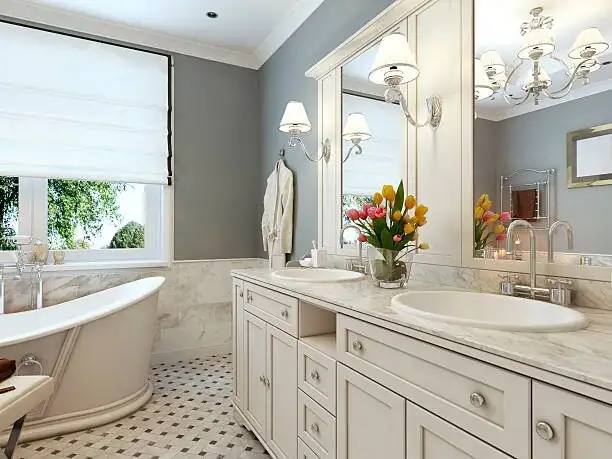
If your home’s brightest bathroom or kitchen is begging for a splash of tropical color, ornamental bromeliads are your instant mood-lifters. Those sculptural rosettes and neon bracts hold their looks for weeks to months, love humidity, and stay compact enough for countertops, window ledges, and floating shelves. Best of all, most are pet-friendly, so you can style boldly without stressing.
Here’s how to design with Guzmania, Vriesea, Aechmea, and their kin—pairing the right planter, grouping for humidity, placing with pets in mind, and rotating to keep color vivid.
Why bromeliads thrive in bright baths and kitchens
- Light they love: Bright, indirect light is the sweet spot. An east- or north-facing window, or a south/west window filtered with a sheer, keeps foliage lush and bracts saturated.
- Humidity bonus: These tropicals appreciate moderate to high humidity (about 50–70%), which steamy showers and simmering pots deliver naturally.
- Compact drama: Most stay 8–24 inches tall and wide—perfect for vanities, window ledges, café shelves, and island vignettes.
- Long-lasting color: What looks like a “flower” is usually a colorful bract, staying showy far longer than the short-lived true blooms.
- Pet-friendly peace of mind: Generally non-toxic to people and pets. Note: some types (especially many Aechmea) have spiny leaf margins—more on safe placement below.
Light and color: keep those bracts vivid
Positioning for saturation
- Aim for bright, filtered light. Gentle morning sun is fine; avoid harsh midday rays that can scorch leaves and fade color.
- If a bract looks dull or the rosette stretches, it’s asking for more brightness.
The five-second weekly rotation ritual
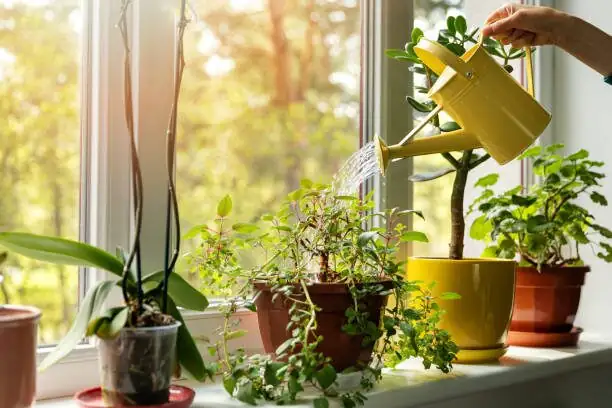
- Give the pot a quarter-turn once a week. Even exposure prevents leaning, keeps bract color even, and stops one-sided fading.
Color-care mistakes to skip
- Too much sun: Bleached patches or crispy tips signal harsh light—pull back or add a sheer.
- Too little light: Washed-out bracts or lanky growth mean it needs a brighter perch.
- Heavy feeding: Overfertilizing can dull color and stress roots. Feed lightly at 1/4 strength every 4–6 weeks in active growth—no more.
Design-forward planter pairings
Bromeliads are epiphytic by nature and want an airy, free-draining setup. Choose style that supports function.
Modern Guzmania and Vriesea (often smoother leaf margins)
- Sleek cylinders in glossy white, charcoal, or color-blocked enamel to echo their clean rosettes and vivid bracts.
- Footed planters with saucers: elevate on a vanity or open shelf for gallery appeal.
- Wall-mounted pocket planters near a bright window: dramatic, space-savvy, and great airflow.
Textural Aechmea moments (often subtly banded, sometimes spiny)
- Matte stoneware or cement-look planters with a stable, wider base—spines and high traffic don’t mix.
- Soft neutrals (ecru, putty, smoke) spotlight Aechmea’s silver banding and pink bracts.
Materials that work (and why)
- Drainage is non-negotiable: Use a nursery pot with holes nested in a decorative cachepot.
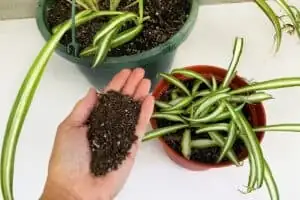
- Airy mixes: Orchid bark + perlite-based blends keep roots happy.
- Slotted “orchid” pots in a waterproof cachepot are perfect for bathrooms; they dry swiftly but look refined.
- Protect surfaces: Add a cork or stone coaster under cachepots to guard against splash and condensation.
Color palettes to play with
- Red/orange bracts with warm metals: brushed brass hardware, terracotta, teak.
- Pink bracts with cool neutrals: pale terrazzo, pearl tile, satin nickel.
- Yellow bracts pop against graphite cabinetry or black fixtures—instant modern sunshine.
Grouping for humidity and impact
Cluster bromeliads where light is strong to boost humidity and create a designer vignette.
- The power trio: Three bromeliads at staggered heights (countertop + riser + wall shelf) reads curated, not cluttered.
- Mix textures, not chaos: Pair a smooth-leaved Guzmania with a subtly banded Aechmea and a strappy Vriesea for layered architecture.
- Humidity trays: A shallow tray with pebbles and water beneath the cluster adds moisture without waterlogging. Keep pot bases above the waterline.
- Leave breathing room: Even in groups, allow a few inches between rosettes for airflow and to refresh the central cups easily.
- Mirror magic: A vanity mirror behind a windowsill cluster doubles the color show.
Pet-friendly placement and people flow
- Non-toxic, but… spiny margins can scratch. Use smooth-leaved types in narrow walkways; place spiny types away from edges.
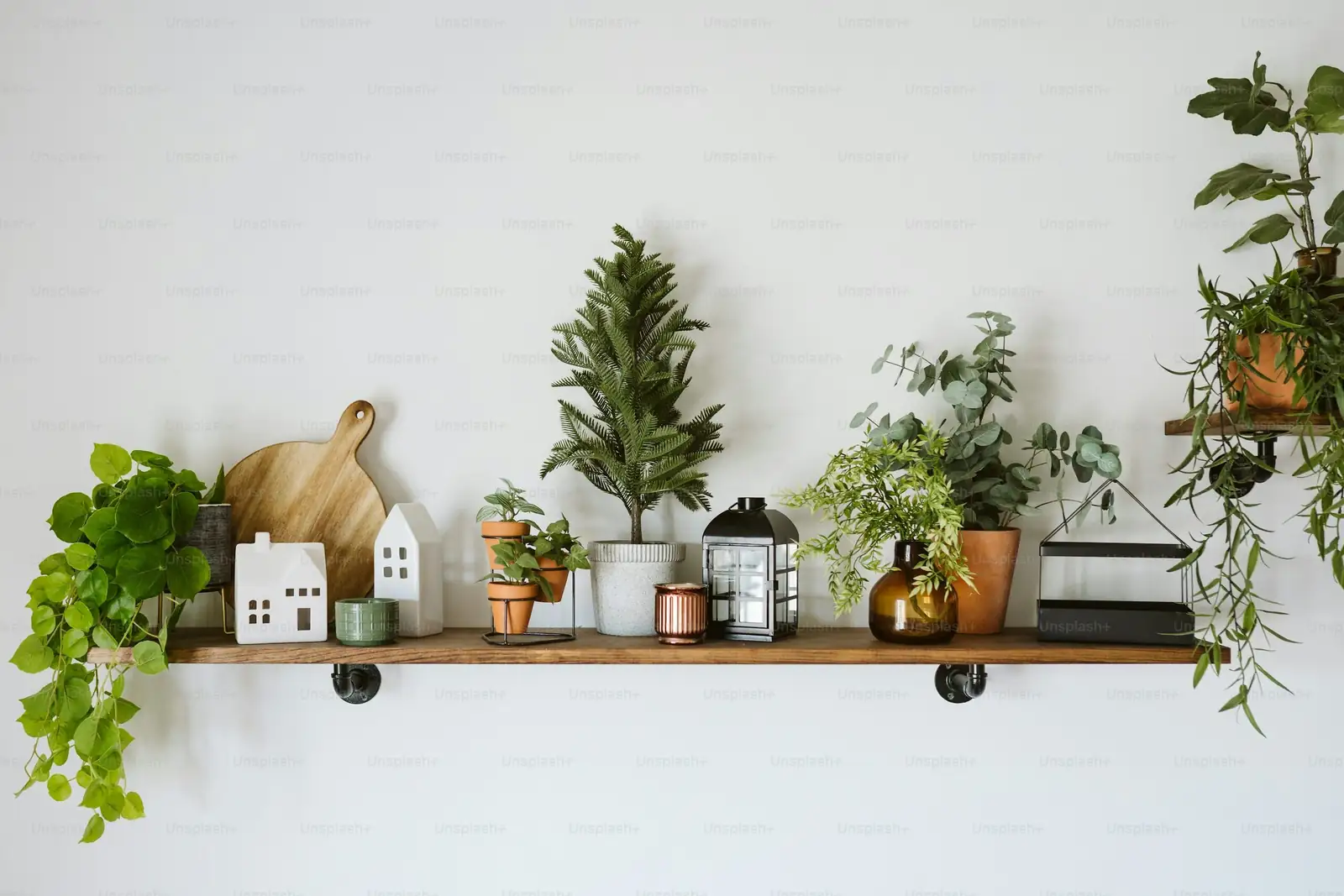
- Go vertical: Floating shelves, high window ledges, or sturdy hanging planters keep curious paws at bay.
- Corners over corridors: In kitchens, style bromeliads at the backsplash corner or on a bright shelf—clear of prep zones and traffic.
- Child-safe zones: If tiny hands are around, choose Guzmania or Vriesea (often smoother edges), or position Aechmea higher.
Watering and feeding—made bathroom/kitchen-easy
Many bromeliads form a central “cup” (tank). Keep it fresh, not swampy.
- The cup: Maintain a small amount of clean water and refresh about weekly. In cooler, dimmer months, reduce or empty the cup to lower rot risk.
- The potting mix: Water lightly and let excess drain—never let pots sit in water.
- Cleanliness counts: In splash-prone rooms, wipe stray water from leaf bases and surfaces to prevent mineral spots.
- Fertilizer: Sparing is caring—balanced fertilizer at 1/4 strength every 4–6 weeks during active growth.
Quick care snapshot (bath and kitchen edition)
- Light: Bright, indirect; sheer-filtered sun is perfect.
- Temperature: 64–82°F (18–28°C). Protect from cold drafts and dips below 50°F (10°C).
- Humidity: 50–70% is ideal; grouping helps in drier months.
- Airflow: Gentle airflow reduces rot—don’t crowd rosettes right against walls or windows.
- Potting: Free-draining, airy mix (orchid bark + perlite). Repot when snug or unstable, usually every 1–2 years.
Styling the lifecycle: blooms, pups, and perpetual color
- After the show: The mother rosette slowly declines after flowering—normal for many bromeliads. Remove the spent bract/spike when it fades.
- Pups appear: Let offsets grow to 1/3–1/2 the size of the mother before separating and potting in an airy mix.
- Design trick: Keep a few plants at different stages so there’s always a bract in peak color. Rotate displays between rooms as each plant cycles.
Troubleshooting at a glance
- Brown leaf tips: Air too dry or water quality/mineral buildup. Boost humidity and refresh the cup regularly.
- Pale or floppy growth: Needs brighter filtered light; move closer to a window with a sheer.
- Scorched patches: Too much direct midday sun—pull back or diffuse.
- Soft base or blackened center: Rot from waterlogging or stagnant cup water. Improve drainage, refresh cup water weekly, and increase airflow.
- Pests: Watch for mealybugs, scale, spider mites. Wipe leaves and treat early; bathrooms with steady humidity often see fewer mite issues but always check.
Shopping smart
- Choose firm, upright leaves and vivid bracts.
- Skip any with a wobbly base, blackened center, sour smell, sticky residue, or webbing.
A note on symbolism (and “flower language”)
Bromeliads carry a modern aura of hospitality, vibrant energy, and tropical cheer—perfect for welcome-ready kitchens and spa-like baths. Traditional Victorian “flower language” (floriography) didn’t spotlight New World bromeliads the way it did roses or lilies, so today’s meanings are more about contemporary design culture than old codes. Think: a bright bromeliad as a standing invitation to linger, laugh, and live colorfully.
—
Bring on the bracts, pick planters that breathe, group for gorgeous humidity, and give a quick weekly turn. Your bright bathroom or kitchen becomes a tropical set piece—with color that holds, pups that promise the next act, and styling that stays effortlessly fresh.