

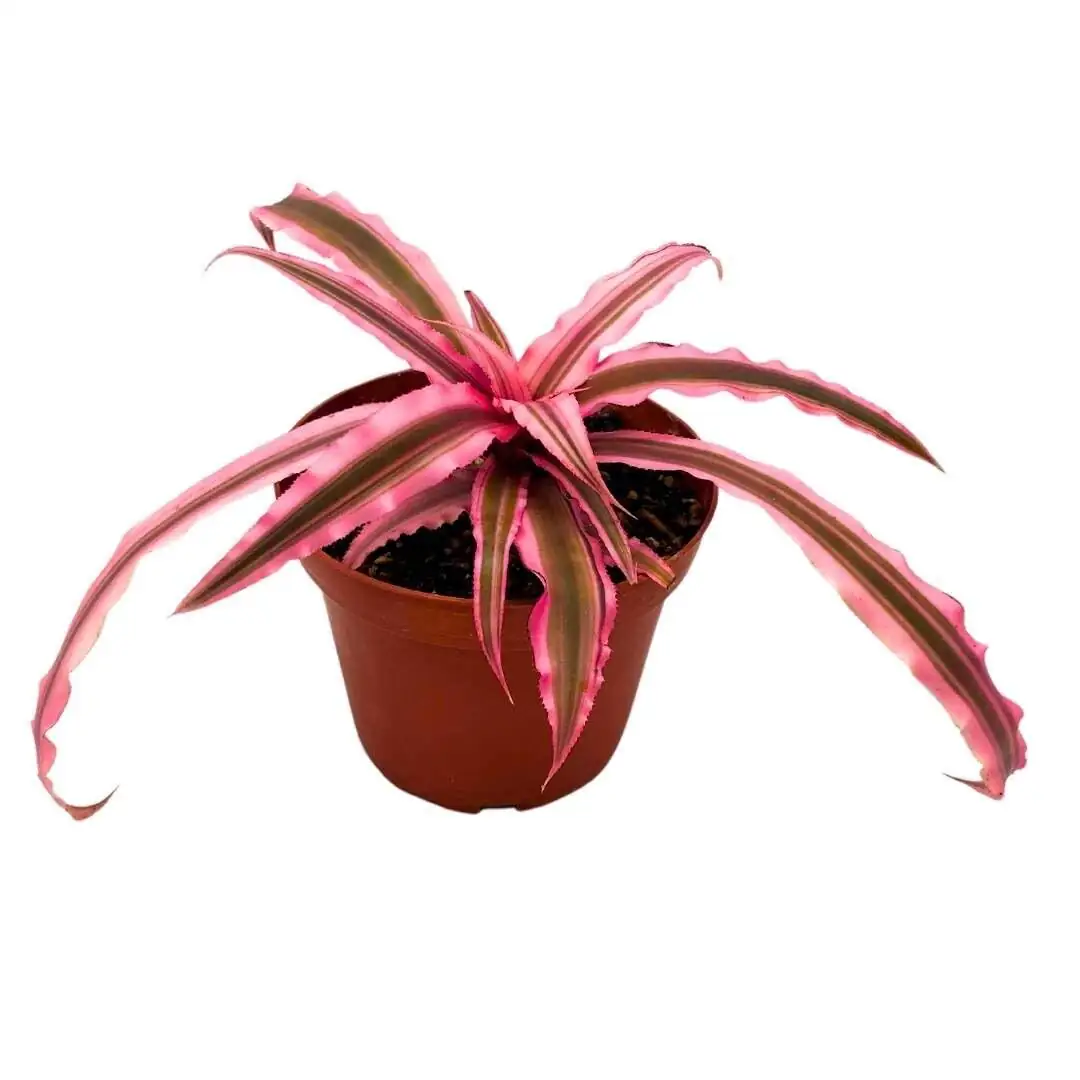
If your home is short on square footage but big on style, Cryptanthus bivittatus—better known as the Earth Star—is your secret weapon. This petite bromeliad forms a rippled, starry rosette that glows in greens, pinks, reds, oranges, and purples, often boldly striped. Think of it as a living accent piece: compact (about 6 × 6 inches), graphic, and irresistible on windowsills, shelves, and in thoughtful terrariums.
Below, design-forward ways to stage Earth Stars so their color sings—without risking sun scorch, stale air, or soggy roots.
The small-space formula: star shape + strong light + smart airflow
- Bright light is your color dial. Softer light = greener tones; stronger light (with acclimation) = amplified pinks and reds.
- Air is as important as water. These terrestrial bromeliads love humid air but hate stagnation. Keep air moving and the mix airy.
- Scale matters. A single 4-inch pot or a shallow dish garden lets their rosettes read as sculptural rather than cluttered.
Containers that make C. bivittatus look custom-curated
Shape and proportion
- Shallow, wide dishes: Echo the plant’s flat starburst and keep the composition low-profile for desks and shelves.
- Footed or pedestal planters: Lift the rosette into the light, create shadow play under the leaf edges, and help airflow around the base.
- Slim windowsill pots: A 10 cm (4 in) container is ideal for a single rosette; group two or three identical pots for a gallery effect.
Material and finish
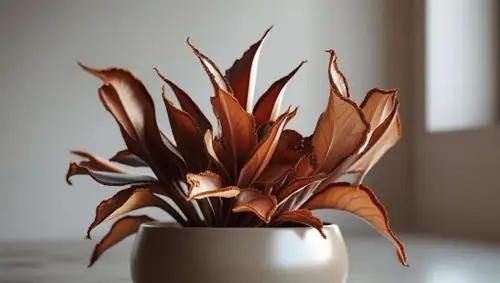
- Matte black or charcoal ceramics: Intensify pink/red cultivars and make striping pop.
- White or pale stoneware: Clean backdrop for darker, purple-banded forms.
- Dimpled or ribbed glazes: Visually rhyme with the leaf ripples without competing.
Soil, drainage, and crown position
- Use a very free-draining, airy mix: equal parts orchid bark, perlite, and coco coir; or 1:1 orchid mix and all‑purpose potting mix.
- Always choose containers with drainage holes; let excess water run freely.
- Seat the rosette slightly high so the crown never sits in soggy media—think mounded, not sunken.
Finishing touches
- Top-dress thoughtfully: a thin halo of black aquarium gravel, pale quartz, or tumbled lava delineates the star shape. Keep it thin so the mix can still breathe.
- Risers or soft pads under the pot: Boost air under the base on dense shelves and reduce moisture buildup.
Pair contrasting cultivars for instant drama
You don’t need botanical Latin roll-call to design with impact—just pair opposites:
- Hot/cool: A pink- or red-forward cultivar beside a green-silver striped form.
- Light/dark: A pale, candy-striped rosette flanked by a deep burgundy or purple-toned plant.
- Fine/bold: Narrow, tightly rippled leaves next to broader, banded leaves.
Layout ideas:
- Dish trio (shallow bowl, 8–10 in): Plant two bold cultivars at 10 and 2 o’clock, a silver-striped anchor at 6; leave negative space so each star reads clearly.
- Windowsill parade: Three identical 4-inch pots, alternating warm- and cool-toned cultivars, 3–4 inches apart for airflow.
- Color echo: Match the top-dressing to one stripe in the foliage to make patterning look intentional.
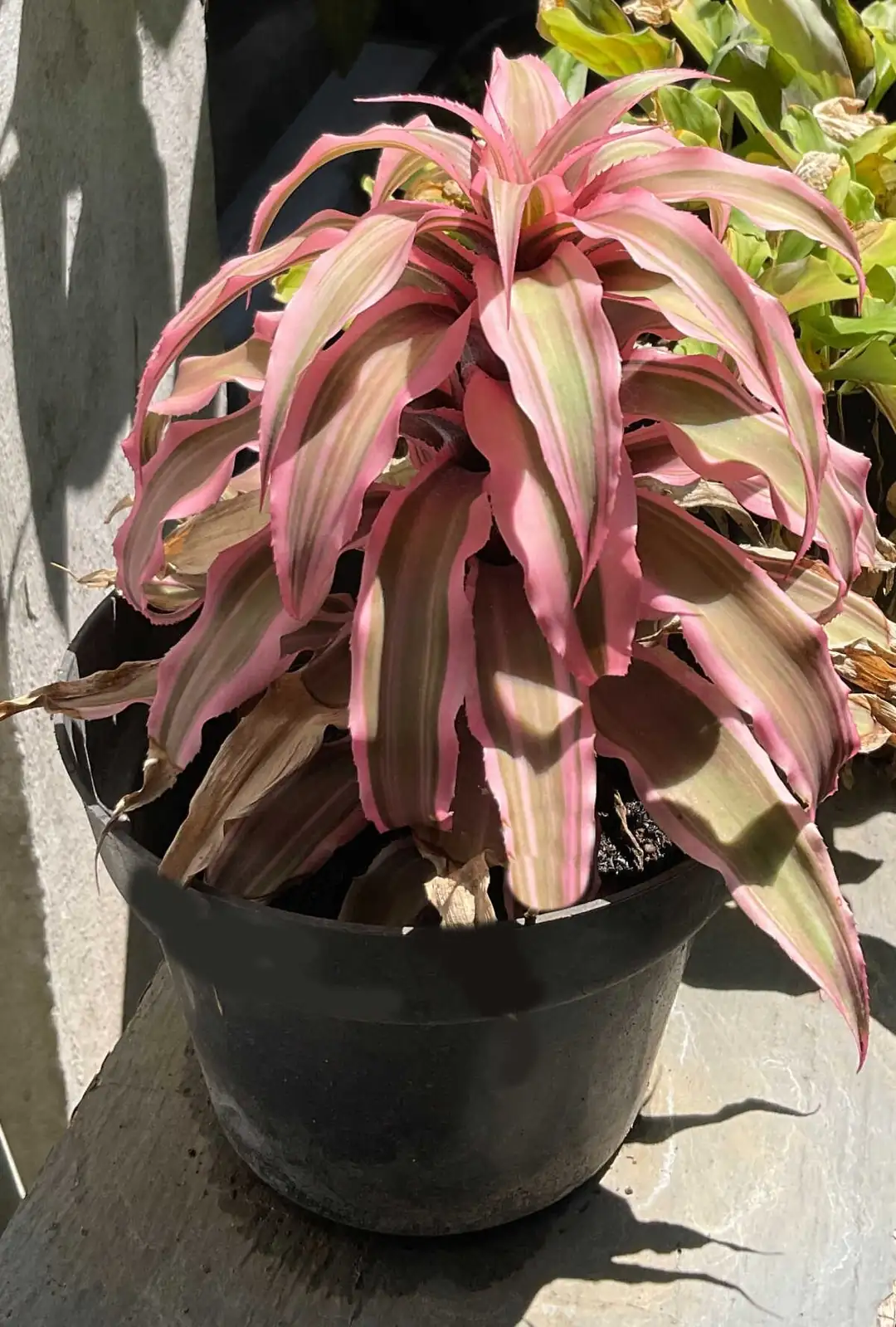
Tip: Rotate the group a quarter turn weekly so each cultivar gets balanced light and keeps its color even.
Terrariums without the “terrarium troubles”: airflow first
Earth Stars shine in warm, humid displays—if you prevent stagnant air.
Open vs. enclosed
- Open terrariums: Safest choice—plenty of air exchange and low risk of mildew.
- Enclosed with a loose lid: Works beautifully if you build in ventilation. Never fully airtight; give the plants a “breathing break.”
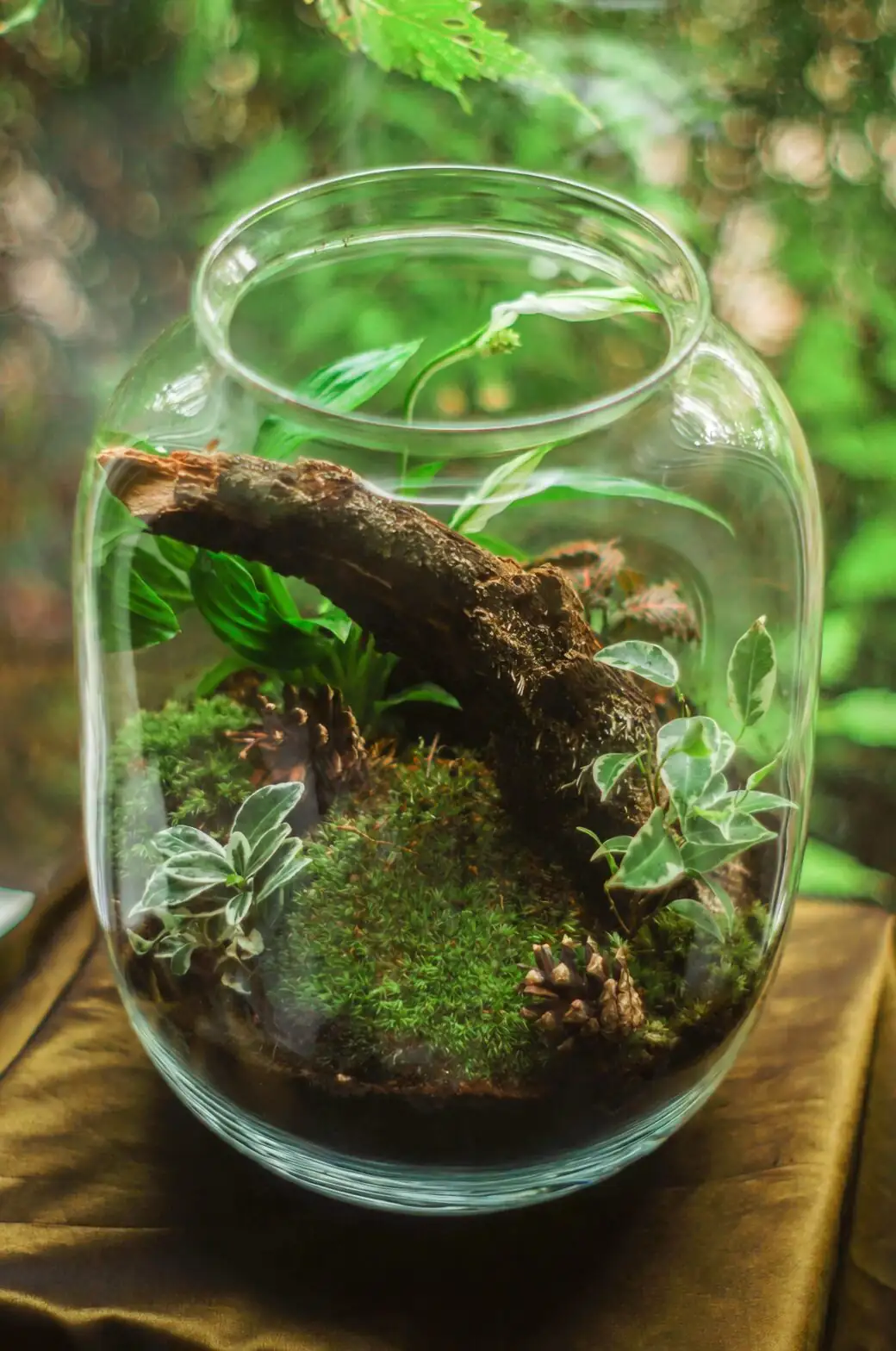
Build a breathable base
- False bottom: 1–2 inches of LECA or coarse gravel for drainage.
- Mesh barrier: Keeps the airy mix from sifting down.
- Substrate: Your bromeliad mix (bark/perlite/coir). Slightly mound the center and keep the rosette crown elevated.
Airflow habits that prevent stagnation
- Leave a small gap or use a vented lid; open fully once a week for 15–60 minutes to exchange air.
- Space plants so leaves don’t press against the glass—touch points invite condensation burn and fungus.
- Add springtails as a micro-cleanup crew; they help manage mold in humid builds.
- If your setup is dense, a tiny, low-speed USB fan aimed past (not at) the vessel for a few minutes daily can keep air fresh.
Watering in terrariums
- Use rainwater or distilled water to avoid mineral spotting.
- Target-water the substrate with a syringe or narrow-spout bottle; keep it evenly moist, never soggy.
- Avoid pools in the crown; if water collects, tip gently to pour it out.
Light for terrariums
- Bright, indirect light is ideal; morning sun is fine, but shield from harsh midday beams that “magnify” through glass and scorch.
Place for knockout color—without scorch
Earth Stars color up beautifully with bright light and can take some direct sun if acclimated. Use these micro-placement rules:
- East window: Prime real estate. Give 1–3 hours of gentle morning sun, then bright shade.
- South window: Set 2–4 feet back or filter with a sheer; acclimate over 10–14 days.
- West window: Warm afternoon sun can be intense—pull back a bit or use a sheer curtain.
- North window: Often too dim for peak color; supplement with an LED grow light set to bright, indirect intensity.
Reading the leaves:
- Too little light: Greener, flatter color; spacing between leaves widens.
- Too much, too fast: Bleached, crispy patches, especially on leaf tips and edges. Step back or add a sheer and acclimate gradually.
Care cues that keep your display crisp
- Water
- Spring–summer: Keep the mix evenly moist, not soggy. Use rainwater or distilled.
- Autumn–winter: Ease back—keep just barely moist.
- Mist with lukewarm rain/distilled water if indoor air is dry; always allow excess to drain.
- Feeding
- Every 2–3 months from spring to late summer with a balanced liquid fertilizer at half strength.
- Less is more—overfeeding can soften growth and mute color.
- Temperature and humidity
- Sweet spot: 16–27°C (61–81°F).
- Avoid chills below ~10°C (50°F).
- Moderate humidity is fine; higher humidity improves leaf quality if airflow is good.
- Repotting and propagation
- Repot every 2–3 years in spring, or sooner if the mix breaks down.
- Pups: Separate when 1/3–1/2 the size of the mother and rooted; pot into a small container with airy mix.
- Pests and health
- Watch for mealybugs, scale, and spider mites—especially in dry air or crowded terrariums.
- Treat with insecticidal soap or horticultural oil; repeat as needed.
- Non-toxic to people and pets, though the sap can mildly irritate sensitive skin.
Styling vignettes for tiny places
- Jewel-box windowsill: Three Earth Stars in identical matte cylinders; alternate warm/cool foliage; a thin top-dress halo ties the trio together.
- Coffee-table pedestal: One bold, red-striped rosette in a footed bowl on stacked art books—instant graphic centerpiece.
- “Breathing” terrarium: Low glass cloche on a slate base with a 3-plant mini landscape; vent gap at the back, springtails under the hood, weekly airing ritual.
Troubleshooting at a glance
- Fading color, slower growth: Increase light gradually; rotate weekly.
- Crispy edges or bleached patches: Too much sun too fast; add a sheer or move back.
- Mushy base or blackened center: Mix stayed wet or crown held water; improve drainage, elevate the crown, increase airflow.
- Mildew on glass or soil: Air is stagnant; vent more frequently, reduce crowding, and water less.
Earth Star’s magic is all about balance: bright light for color, air for vigor, and containers that frame—rather than fight—its starburst silhouette. Dial in those three, and even the smallest space gets a big, design-forward glow.