
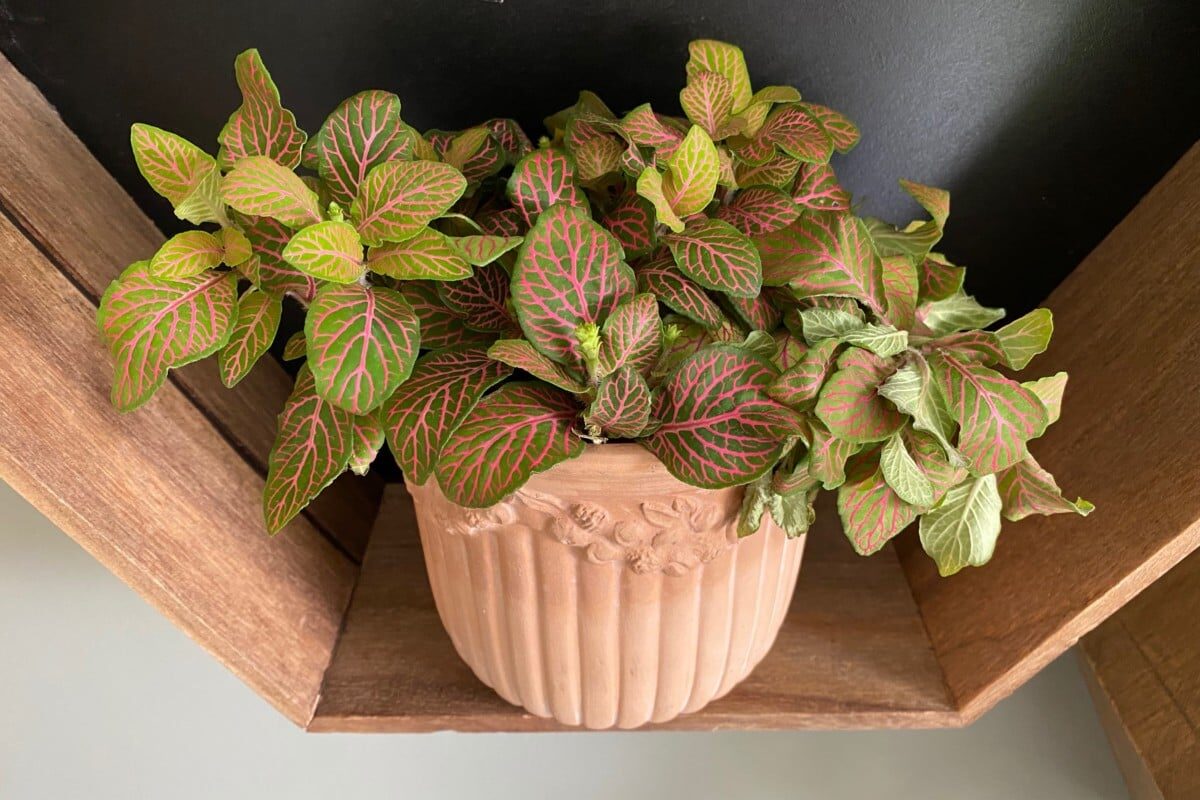
Imagine a living fabric swatch you can tuck into a bookshelf or bathroom ledge—one that glows with neon pinstripes and never goes out of season. That’s Fittonia verschaffeltii, the nerve plant: a compact rainforest creeper whose bright veining (white, pink, or red) adds instant polish to low-to-medium light corners, no spotlight required.
Meet Fittonia verschaffeltii (Nerve Plant): Small footprint, big style
- Origin: Tropical rainforest regions of Peru—think steady warmth, soft light, and lush humidity.
- Habit and size: Low, creeping/trailing stems, typically 10–20 cm tall and spreading 20–30 cm; tips root at the nodes for a plush, carpeted look.
- Why stylists love it: Paper-thin leaves with dramatic netted veins read like hand-drawn graphics in a room.
- Pet note: Generally considered non-toxic to cats and dogs.
- Best placement: Bright, filtered light to partial shade—shelves, desktops, bathrooms, and terrariums are all fair game.
Light that keeps the veins vivid (without scorch)
Fittonia is shade-tolerant, but color really sings in bright, indirect light. The trick is softness, not intensity.
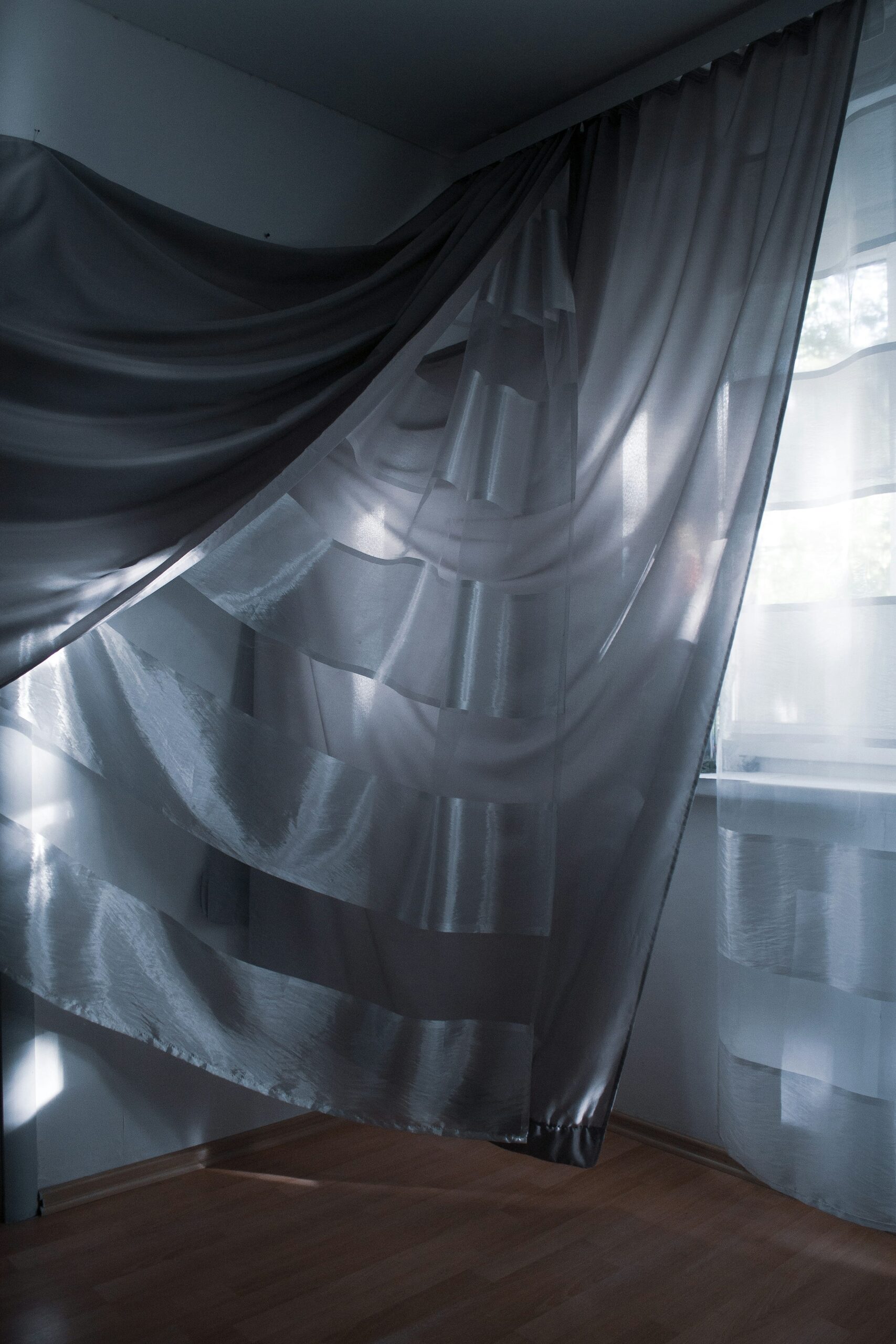
- Filtered, not fierce: Place near a bright window behind a sheer curtain or a few feet back from east- or north-facing glass. Avoid harsh direct sun; those tender leaves scorch quickly.
- Use the room as a light box: Pale walls, mirrors, and glossy surfaces bounce gentle light back onto foliage—great for bookshelves or alcoves.
- Keep it dynamic: Rotate the pot a quarter turn weekly for even color and a symmetrical dome.
- Grow lights, softly: If your space is dim, a low-intensity LED bar set higher than other plants (to diffuse output) will maintain crisp veining without bleaching.
Styling palettes: pots, textures, and surfaces that make venation pop
1) Graphic Monochrome (white-veined types)
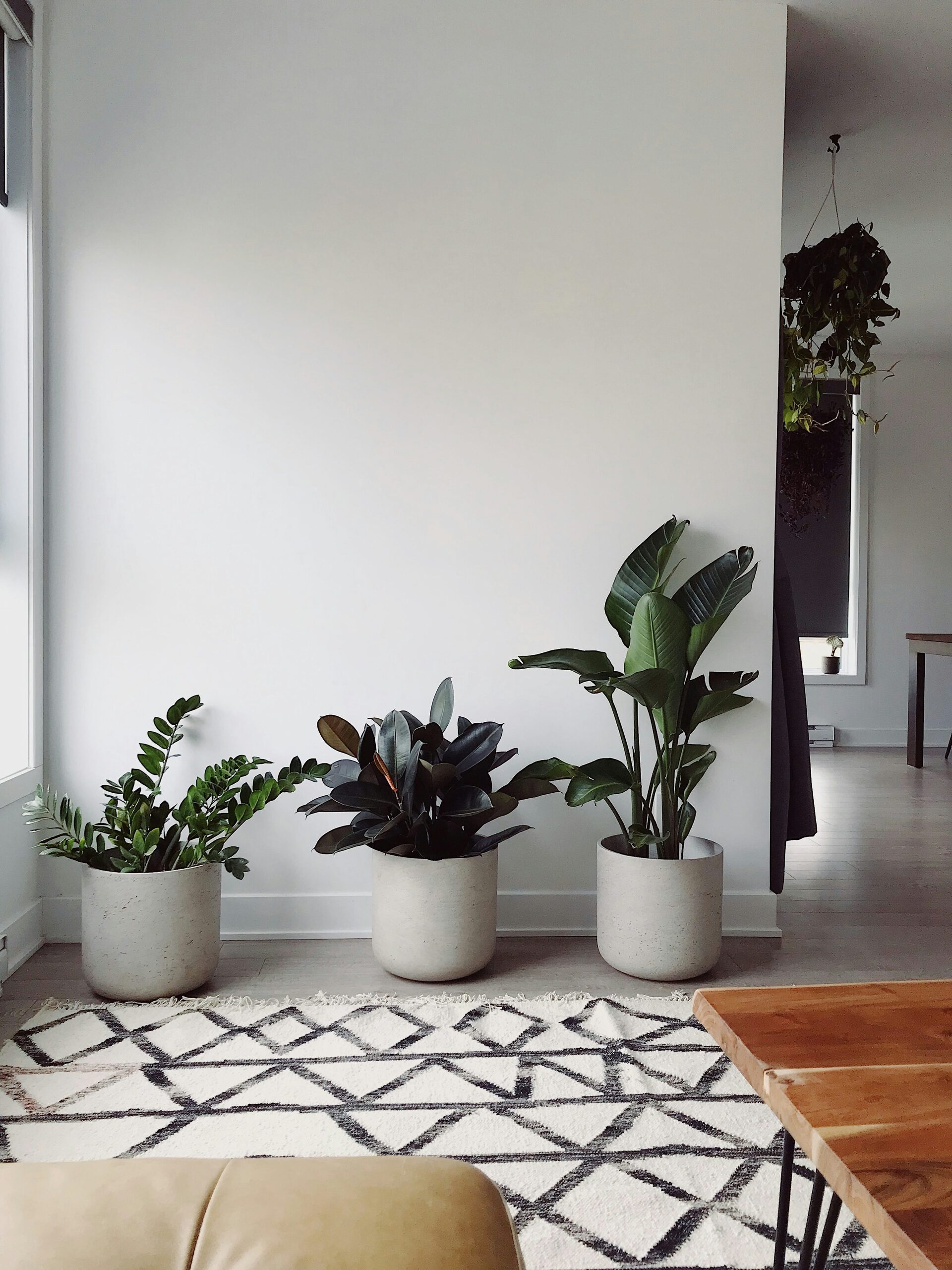
- Pot: Matte charcoal, black, or deep forest-green glazed ceramics.
- Texture: Ribbed or faceted finishes amplify the plant’s geometric veining.
- Surface pairing: Concrete trays or honed stone for contrast.
- Pro tip: Choose glazed ceramic or a cachepot to help the mix stay evenly moist.
2) Soft Blush & Brass (pink-veined types)
- Pot: Blush, powder pink, or warm nude tones; brushed brass or champagne-metal stands.
- Texture: Smooth satin glaze or subtle speckle clay to echo freckles in the leaves.
- Vignette: Pair with a warm brass photo frame and a pale linen lampshade for a cohesive glow.
3) Cool Minimal (ice-white veins)
- Pot: Crisp white or pale grey cylinders; fluted porcelain for quiet texture.
- Accent: A slim ash-wood riser to add height without visual weight.
- Surface: Lacquered shelf or glossy sideboard to reflect light upward.
4) Warm Woodland (red-veined or deep emerald types)
- Pot: Honey or cinnamon-toned vessels; terracotta looks gorgeous but dries fast—use a nursery pot inside or choose glazed terracotta to retain moisture.
- Texture: Woven baskets or rattan cachepots add a rainforest vibe.
- Accent: Driftwood, book stacks in warm neutrals, and soft moss toppers.
5) Terrarium Jewel Box
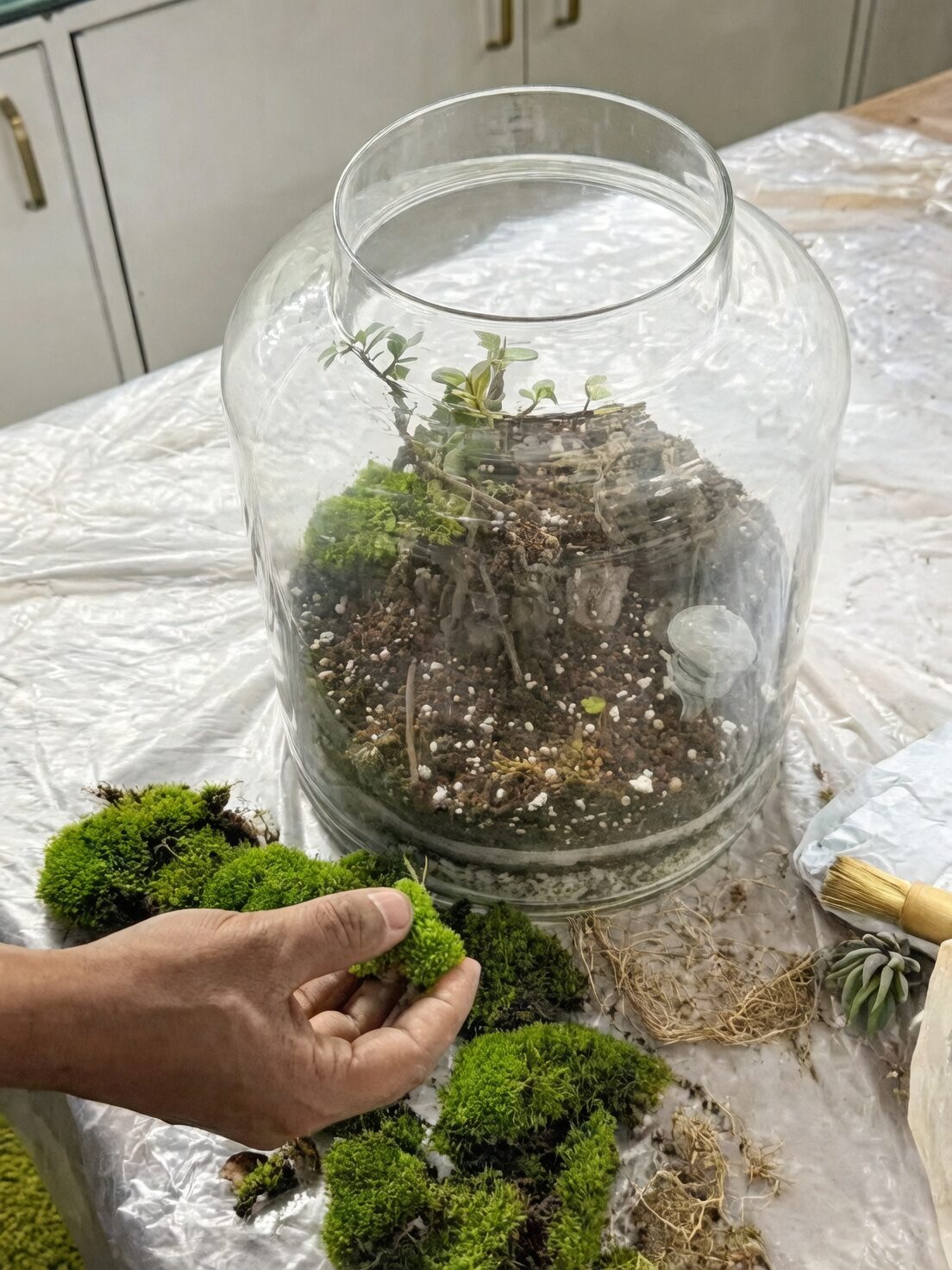
- Vessel: Low, wide glass with a lid or high-humidity cloche.
- Substrate layers: Drainage pebbles, charcoal, a rich peat/leaf-mold mix with perlite.
- Finishes: Cushion moss, miniature bark, and a single smooth stone—let the leaves be the star.
Plant pairings that flatter Fittonia
Same-pot companions (terrariums and bowl gardens; matching moisture)
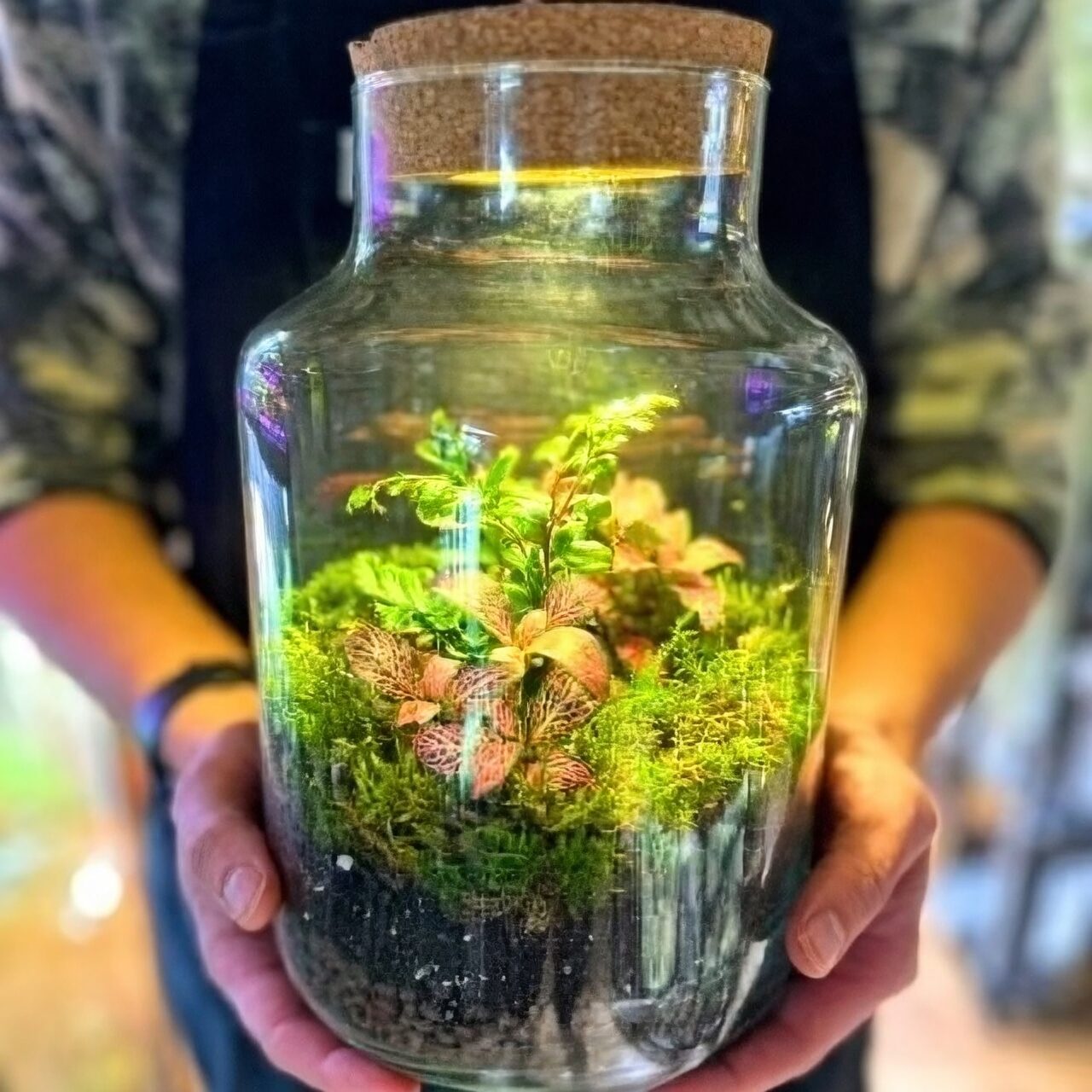
- Cushion moss (for a velvet carpet), Selaginella (spikemoss), miniature ferns (Pteris, button fern), and tiny trailing Pilea.
- Why it works: All adore steady moisture, soft light, and high humidity—your Fittonia won’t have to compromise.
Shelf or coffee-table vignettes (separate pots; shared look)
- Texture play: Pair Fittonia’s small, patterned leaves with larger, matte foliage like Peperomia obtusifolia, Maranta (prayer plant), or a compact bird’s nest fern. Each keeps its own soil routine, but the grouping boosts local humidity.
- Color echo: Match pink veins to a blush pot on a neighboring plant; mirror white veins with a pale stone tray.
- Form contrast: Let Fittonia spill slightly over the edge while an upright companion provides height, creating a tiered composition.
How to avoid scorch and still keep tones intense
- Screen the sun: Always filter window light with sheers; pull the plant back if any leaf edges feel hot midday.
- Bright, not bleak: In very low light, veining can dull and stems stretch. Nudge it closer to a bright, indirect source or add a gentle grow light until the pattern looks crisp again.
- Humidity sweet spot: 50–70%+ helps pigments glow and prevents crispy edges. Use a pebble tray, humidifier, or the magic of a closed terrarium.
- Even moisture: Never let the mix fully dry; drought dulls color and causes curling. Keep the soil evenly moist but not soggy.
Care choreography for crisp, camera-ready foliage
Water and soil
- Soil: Rich, humus-heavy, well-drained; a peat- or leaf-mold–based mix with perlite/coarse sand works beautifully.
- Watering rhythm: Keep evenly moist during active growth. If too dry, leaves curl/wilt; if too wet, they yellow/soften and stems can rot.
- Winter tweak: Water a bit less but never let the pot dry out; water during the warmest part of the day.
Light, temperature, humidity
- Light: Bright, indirect to partial shade; avoid harsh direct sun.
- Temperature: 18–25°C is ideal; keep above 16°C in winter and away from drafts, heaters, and AC vents.
- Humidity: 50–70%+ is the happy zone. Mist the air around plants when dry but avoid leaving water sitting on leaves overnight.
Feeding and grooming
- Fertilizer: In spring and summer, feed about every 2 weeks with a diluted balanced fertilizer. Avoid splashing leaves to prevent burn.
- Pinching: Tip-pinch regularly for a dense cushion; remove yellowing leaves promptly.
- Refresh cycle: Many growers “restart” older clumps (often around year two) by replanting fresh cuttings for a fuller look.
Pots, repotting, and arrangement
- Pot size: Often perfect in 12–15 cm pots; combine 3–5 young plants for a lush mat.
- Repot: Annually in spring with fresh mix; trim leggy growth and divide as needed.
- Material matters: Glazed ceramic or plastic retains moisture well; if you love raw terracotta, slip a plastic nursery pot inside to slow evaporation.
Propagation
- Stem cuttings in spring: Take 10 cm tips with 3–4 nodes, remove lower leaves, let the cut end dry briefly, then insert into moist sand or a peat-based mix. Around 20°C, they root in 2–3 weeks.
- Division: Pot up rooted sections from creeping stems for instant density.
Troubleshooting color and texture
- Duller veins, stretched stems: Light is too low. Move to brighter, filtered light or add a gentle grow light.
- Crispy edges or pale patches: Sun scorch or low humidity. Back it from the window, add a sheer, and raise humidity.
- Curling/wilting: Mix or air is too dry; rehydrate and boost humidity.
- Yellow, soft leaves and mushy stems: Overwatering/poor drainage. Let the top layer barely dry, improve airflow, and ensure the pot drains freely.
- Pests: Spider mites (common in dry air), scale, and aphids. Rinse foliage, then use insecticidal soap or horticultural oil; keep humidity up and air gently moving.
Quick room-by-room ideas
- Bathroom with frosted glass: A white-veined Fittonia in a ribbed charcoal pot beside a brass mirror—humidity keeps it pristine.
- North-facing office shelf: Pink-veined Fittonia on a pale ash stand, flanked by a compact fern; a low-output LED bar above for polish.
- Bedroom nightstand: Terrarium bowl with Fittonia, cushion moss, and a tiny fern—your private rainforest scene.
- Living room bookcase: Red-veined Fittonia in glazed terracotta, paired with a stone bookend—graphic and warm.
Safety, symbolism, and a small myth
- Pet safety: Generally non-toxic to cats and dogs, though nibbling may still unsettle sensitive stomachs.
- Symbolism: Sometimes linked with Virgo and associated with rationality and wisdom—the veining reads like a living map, a quiet ode to order in nature.
- About “flower language”: Traditional Victorian floriography rarely featured Fittonia, and its modest blooms aren’t the star. Modern interpretations draw meaning from the foliage itself: networks, connection, and focused attention—apt for a plant that rewards steady, gentle care.
With the right pot, a soft-light perch, and a little humidity, Fittonia verschaffeltii turns dim corners into design moments—an easy splash of pattern that looks curated, not fussy, every day of the year.