
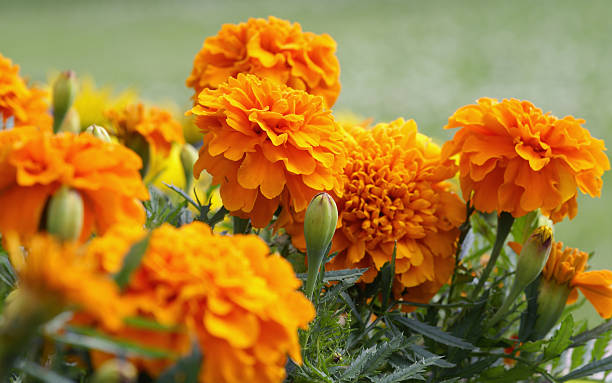
Think of African marigold (Tagetes erecta) as liquid sunshine made solid—piled into plush, ruffled pom‑poms that can turn a balcony box or a tiny patio into a golden hour that never ends. The trick isn’t just “more yellow.” It’s how you stage those golds so they blaze, not blur—balancing heat with cool tones, softening with silver, and layering textures that make each bloom read as intentional design, not just cheerful chaos.
Below, discover color-forward planting recipes, scale-savvy height and texture pairings, and container blueprints that thrive in small spaces—plus the care moves that keep marigolds flowering from summer to fall.
Meet Tagetes erecta: the big, bold marigold
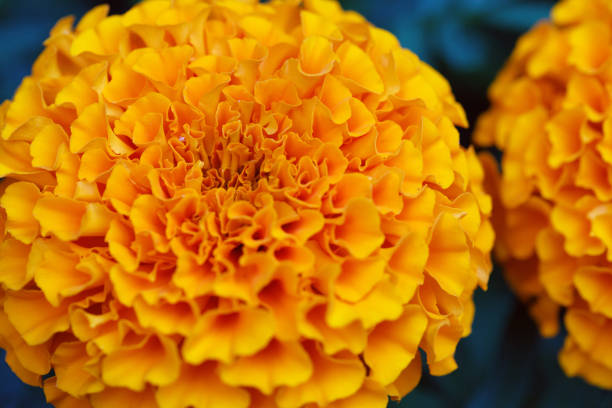
- Names you may see: African marigold, American/Aztec/Mexican marigold (Tagetes erecta)
- Habit and size: Upright, bushy, with sturdy stems; commonly 30–90 cm tall and 20–45 cm wide; some reach 120 cm; compact forms can stay under 30 cm
- Blooms: Large, showy pom‑poms (5–12 cm) in vivid yellow, gold, and orange, sometimes creamy or warm red tones
- Season: Summer to fall (often late spring to frost in warm climates)
- Ideal conditions: Full sun (6–8+ hours), warmth (about 18–27°C), well‑drained soil or potting mix
Good news for small spaces: dwarf and compact series pack the same saturated color on shorter, sturdier plants—perfect as “fillers” or even mini “thrillers” in containers.
Color strategies that make golds blaze
Hot hues need choreography. Use these design-forward pairings to turn marigold golds into a statement, not a shout.
1) Gold + violet-blue: the instant pop
Why it works: Complementary contrast makes gold vibrate while blue-violet cools the temperature, so the combo reads both bold and refined.
- Marigold anchor: Tagetes erecta in golden/yellow tones
- Cool partners:
- Salvia farinacea ‘Victoria Blue’ (spiky violet-blue)
- Angelonia (purple or violet; sun-loving “snapdragon” look)
- Verbena (deep purple accents)
- Softeners and edges:
- Dusty Miller (Jacobaea maritima) for a silvery halo
- Dichondra ‘Silver Falls’ to trail and reflect light
Pro portion tip: 60% gold, 30% blue-violet, 10% silver-white.
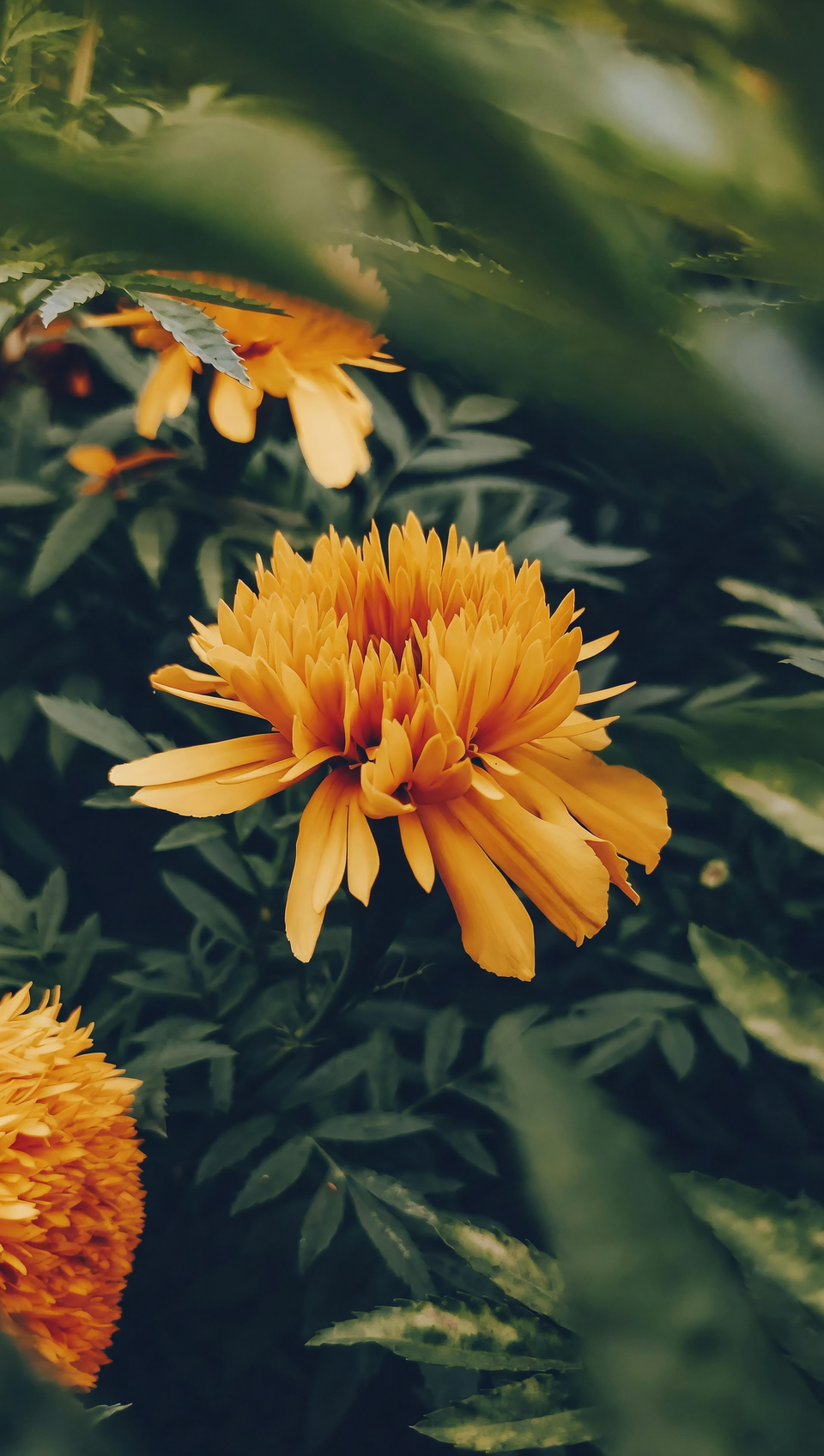
2) Analogous heat: gold + orange + coral-red
Why it works: Adjacent warm colors feel sunlit and jubilant—great for lively patios.
- Marigold anchor: deep gold/orange Tagetes erecta
- Warm allies:
- Zinnia (orange/coral)
- Celosia (plumes or fans in scarlet/copper)
- Lantana (gold/orange bicolors)
- Cooling buffer:
- A small ring of white alyssum or a touch of silver foliage to keep the heat elegant, not overwhelming
3) Monochrome marigold: all gold, all texture
Why it works: One color, many textures—soothing yet rich.
- Marigold anchor: mix ball-shaped and slightly looser doubles for dimensionality
- Texture chorus:
- Strawflower (yellow) for papery shine
- Small ornamental grass (blue fescue) for fine contrast
- Lemon thyme or variegated creeping oregano to edge and scent
Keep forms varied: ruffles (marigold), spikes (grass), mats (edgers).
4) Citrus sparkle: gold + chartreuse + white
Why it works: Bright-on-bright with clean white keeps everything crisp.
- Marigold anchor: lemon or light gold
- Sparkle:
- Creeping Jenny ‘Aurea’ (chartreuse spiller)
- White calibrachoa or white verbena (fresh punctuation)
- Neutral:
- Silver foliage for extra polish in strong sun
Height and texture for small spaces
In tight quarters, every centimeter counts—and so does silhouette.
Use the thriller–filler–spiller formula
- Thriller (height/vertical drama):
- Tall African marigold cultivars (up to ~90–120 cm in a generous pot)
- Or a slim vertical like Salvia farinacea when you choose dwarf marigolds as fillers
- Filler (body/color mass):
- Compact Tagetes erecta (the gilded heart of the pot)
- Zinnias, angelonia, or verbena to echo tones without crowding
- Spiller (soft edge/flow):
- Dichondra ‘Silver Falls’, creeping Jenny ‘Aurea’, or a compact sweet potato vine
Textural trio to remember:
- Ruffles (marigold heads)
- Spikes (salvia/angelonia)
- Lace/silver (Dusty Miller, artemisia, or dichondra)
Scale-smart moves
- Pinch early: Once seedlings have several sets of true leaves, pinch tips to encourage branching and a denser cushion of blooms.
- Stake tall types if windy: A discreet bamboo stake saves stems on high balconies.
- Airflow matters: In hot, humid, still conditions, flowering can pause; give each plant breathing room to reduce mildew and keep buds coming.
Container blueprints (made for balconies and patios)
Note: Use a free‑draining potting mix and containers with drainage holes. In heat, containers dry out faster—water deeply, then let the top surface dry slightly.
Blueprint A: Cobalt and Gold
- Pot: 30–35 cm round
- Plants:
- 1 African marigold (gold) centered
- 2 Salvia farinacea ‘Victoria Blue’ opposite each other
- 2–3 Dusty Miller tucked between for silver lift
- Optional: 2 Dichondra ‘Silver Falls’ to spill
- Mood: Clean, modern, high-contrast
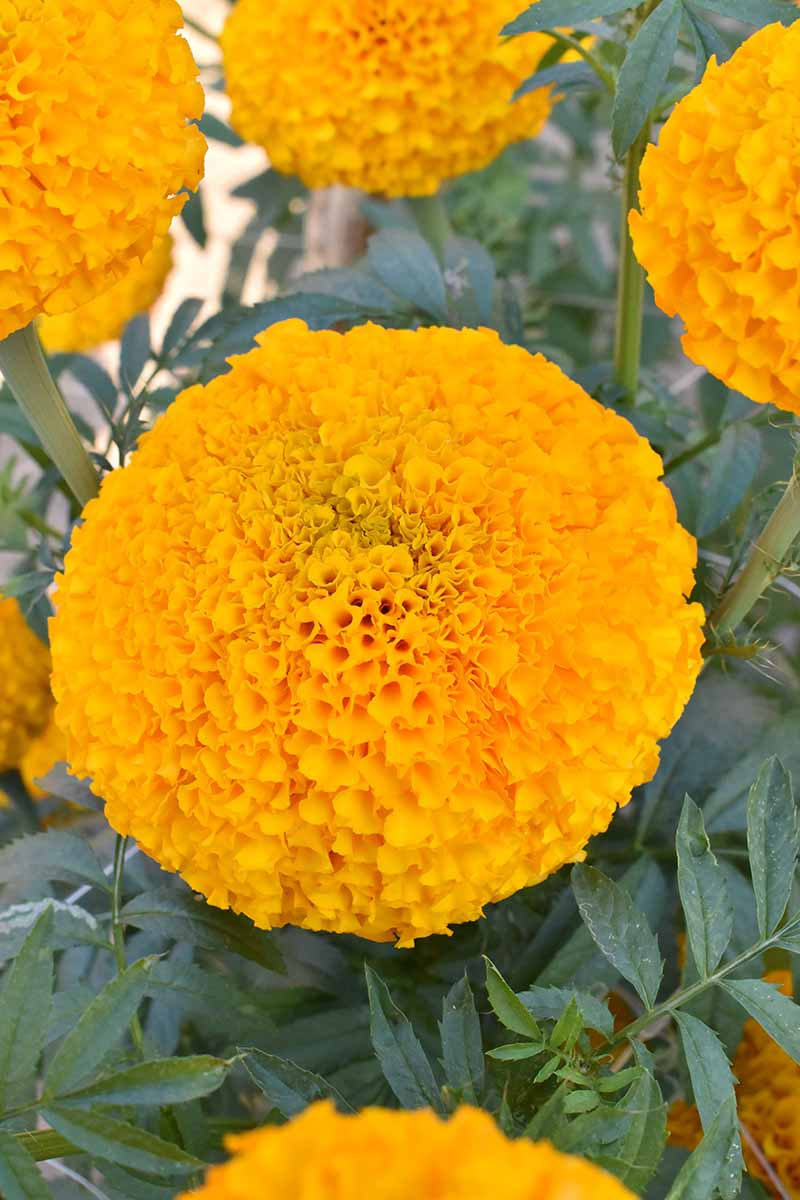
Blueprint B: Heatwave Analogous
- Pot: 40 cm low bowl
- Plants:
- 3 African marigolds (gold/orange) in a triangle
- 2 Zinnia (orange/coral) as mid-height echoes
- 3 white alyssum to cool the rim
- Mood: Festival-bright, still balanced
Blueprint C: Small but Luxe
- Pot: 25 cm tall cylinder
- Plants:
- 1 compact African marigold (lemon-gold)
- 1 angelonia (purple) as a slim sub-thriller
- 1 creeping Jenny ‘Aurea’ to spill
- Mood: Jewel-box elegance for a side table
Blueprint D: Monochrome Texture
- Window box: 60–75 cm
- Plants:
- 4 compact African marigolds in a staggered line
- 3 tufts blue fescue between
- 3 sprigs lemon thyme at the lip
- Mood: Calm, layered, sunny sophistication
Blueprint E: Veggie meets Vogue
- Pot: 40–45 cm shared with a patio tomato or pepper
- Plants:
- 1 tomato/pepper staked in back
- 2 African marigolds (front corners)
- 1 basil (center front) for fragrance and harvest
- Mood: Productive, pretty, and pragmatic—marigold roots and scent can help reduce certain pests as part of an overall healthy-plant strategy
Container sizing guide:
- Dwarf/compact African marigolds: thrive even in ~15 cm pots
- Larger African marigolds: happier in ~25 cm+ pots; one plant per 25–30 cm container looks luxe and airy
Care that keeps the color coming
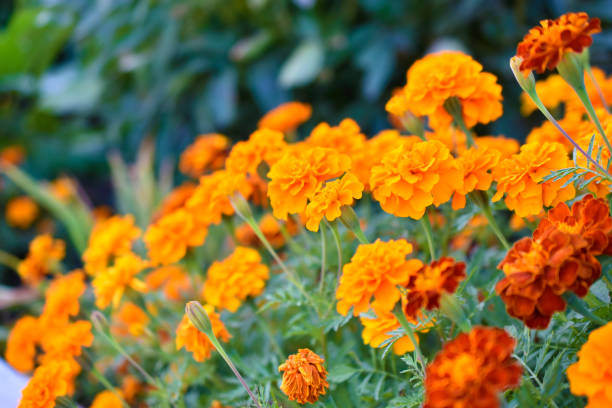
- Sun: Go for full sun (6–8+ hours). In very hot regions, a touch of afternoon shade can prevent stress.
- Temperature: Best around 18–27°C; prolonged extreme heat with high humidity and stagnant air can slow blooms—improve airflow.
- Water: Water deeply, then let the surface dry slightly. Never let pots sit in saucers of water—soggy soil risks root/stem rot and sudden collapse. Water at soil level to avoid spotting blooms and foliage.
- Feeding: Moderate is perfect. Mix in compost or a balanced fertilizer at planting. Then feed lightly every 2–4 weeks. Avoid excess nitrogen (leaves over blooms). A bloom-boost before peak season can enhance bud set.
- Grooming: Deadhead spent flowers to encourage rebloom. If midsummer plants stretch, cut back to trigger fresh growth and a second flush.
- Pests/disease watch: Aphids, spider mites, thrips, and leafhoppers can show up; rinse or use insecticidal soap/horticultural oil if needed. Diseases like powdery mildew, botrytis, leaf spots, rust, or root rots are linked to wet leaves, poor drainage, or cramped airflow—space well, water at the base, and remove any plant showing viral symptoms such as aster yellows.
Calendar quickstart:
- Spring: Sow or transplant after frost when soil warms
- Summer: Feed lightly, deadhead, and mind airflow
- Fall: Peak color often continues to first frost
Cut flowers and party color
Taller Tagetes erecta cultivars make standout cuts with saturated color and a clean, graphic form.
- Harvest fully open blooms in the cool of morning.
- Strip leaves below waterline; condition in clean, cool water.
- Their strong, aromatic scent is part of the charm and is fabulous in festive garlands.
If you plan to taste petals (a regional practice), only use unsprayed flowers intended for edible use, try a small amount first, and note that some people are sensitive. Also, remember: Calendula (pot marigold) is a different plant.
Meaning, thoughtfully considered
Marigolds carry big cultural resonance:
- Mexico and Central America: Deeply tied to remembrance and honoring the dead, especially for Día de los Muertos, where their color and scent are said to guide loved ones home.
- South Asia: Garlands symbolize purity, prosperity, and good fortune.
- Chinese traditions: Often linked with longevity and respect for elders.
- Western flower language has, at times, mixed in notes of remembrance, even jealousy or grief—reminding us that “flower meanings” shift by era and place.
Rather than a single “flower language,” marigolds embody bright memory, celebration, and continuity—powerful ideas to weave into the spaces we live.
Quick picks: choosing the right size for your space
- For compact containers and window boxes:
- Choose dwarf/compact African marigolds (often labeled 20–30 cm)
- Look for sturdy, stocky starts with lots of buds
- For statement planters or cutting:
- Select taller African marigolds (60–120 cm) with long stems
- Pinch once to branch, then let the fireworks begin
Buying tip: Seek short internodes, gray‑green to mid‑green aromatic foliage, and plants with many tight buds plus a few opening blooms.
Troubleshooting, design-first
- All leaves, few flowers?
- Likely too little sun, too much nitrogen, or hot-humid, still air. Move to brighter light, feed lightly, and improve airflow.
- Sudden collapse?
- Usually waterlogged roots/stems. Check drainage and let the surface dry slightly between waterings.
- Powdery leaves or spotted blooms?
- Avoid overhead watering; thin or reposition for better airflow and sun.
Final flourish: your color, your vibe
Use a simple palette and push contrast with confidence:
- Choose the garden’s “energy” (cool and calm vs. hot and lively).
- Start with one hero color (gold), add one counterbalance (violet-blue or silver-white), then a tiny dash of accent (chartreuse, coral, or deep burgundy foliage).
- Keep forms varied—ruffle, spike, and lace—and your African marigolds will look curated, not crowded.
In small spaces, that’s the difference between “pretty plants” and a little work of living design. With Tagetes erecta, the sun is on your side.