

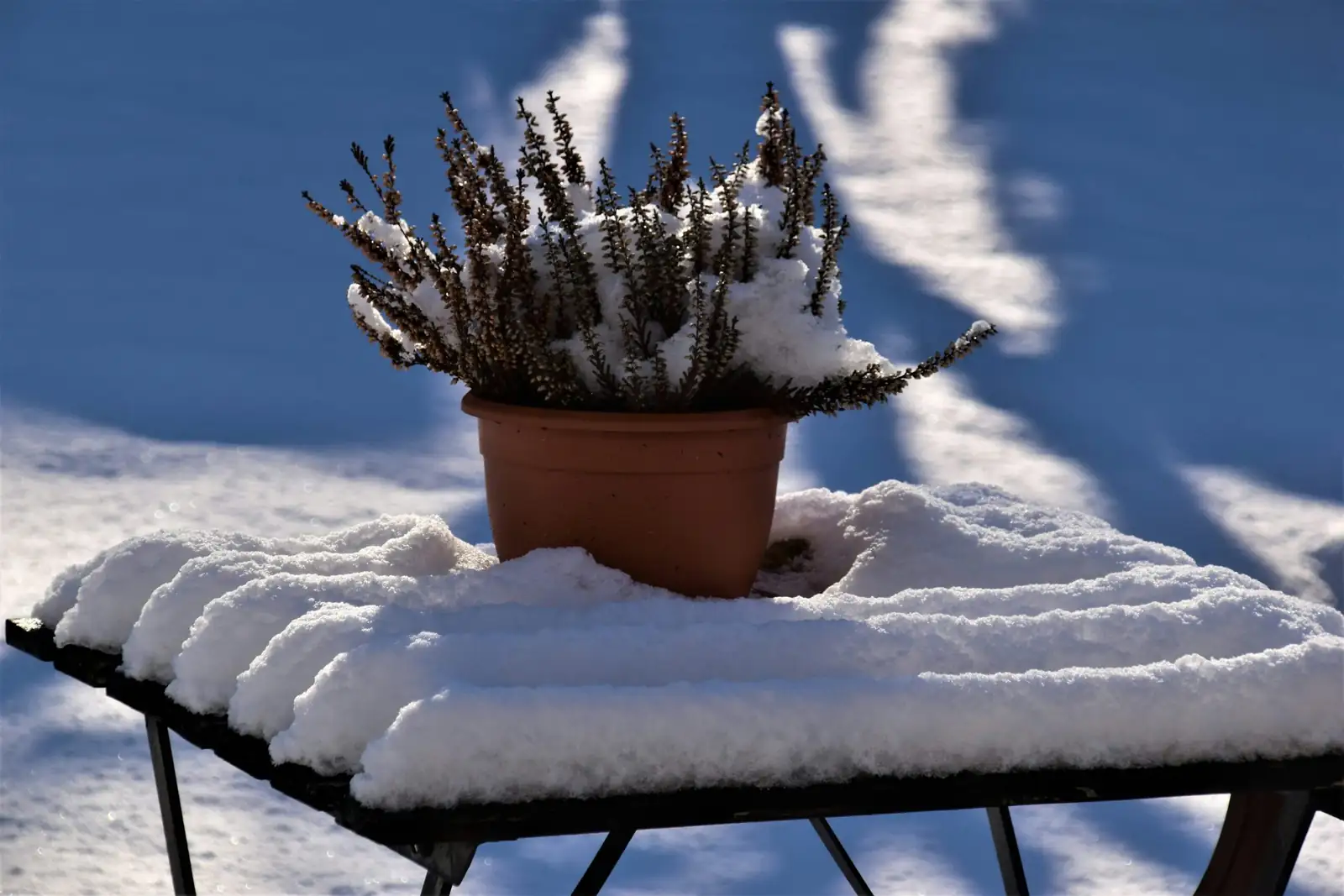
Evergreen elegance meets winter reality when your Chinese yew (Taxus chinensis) lives in a pot. In-ground yews shrug off cold, but container roots ride the temperature roller coaster, soaking up swings in wind, wet, and freeze. The good news? With smart sheltering, simple insulation, and sensible watering, your potted yew can sail through deep freezes and look superb come spring.
Meet your plant: a quick winter-focused profile
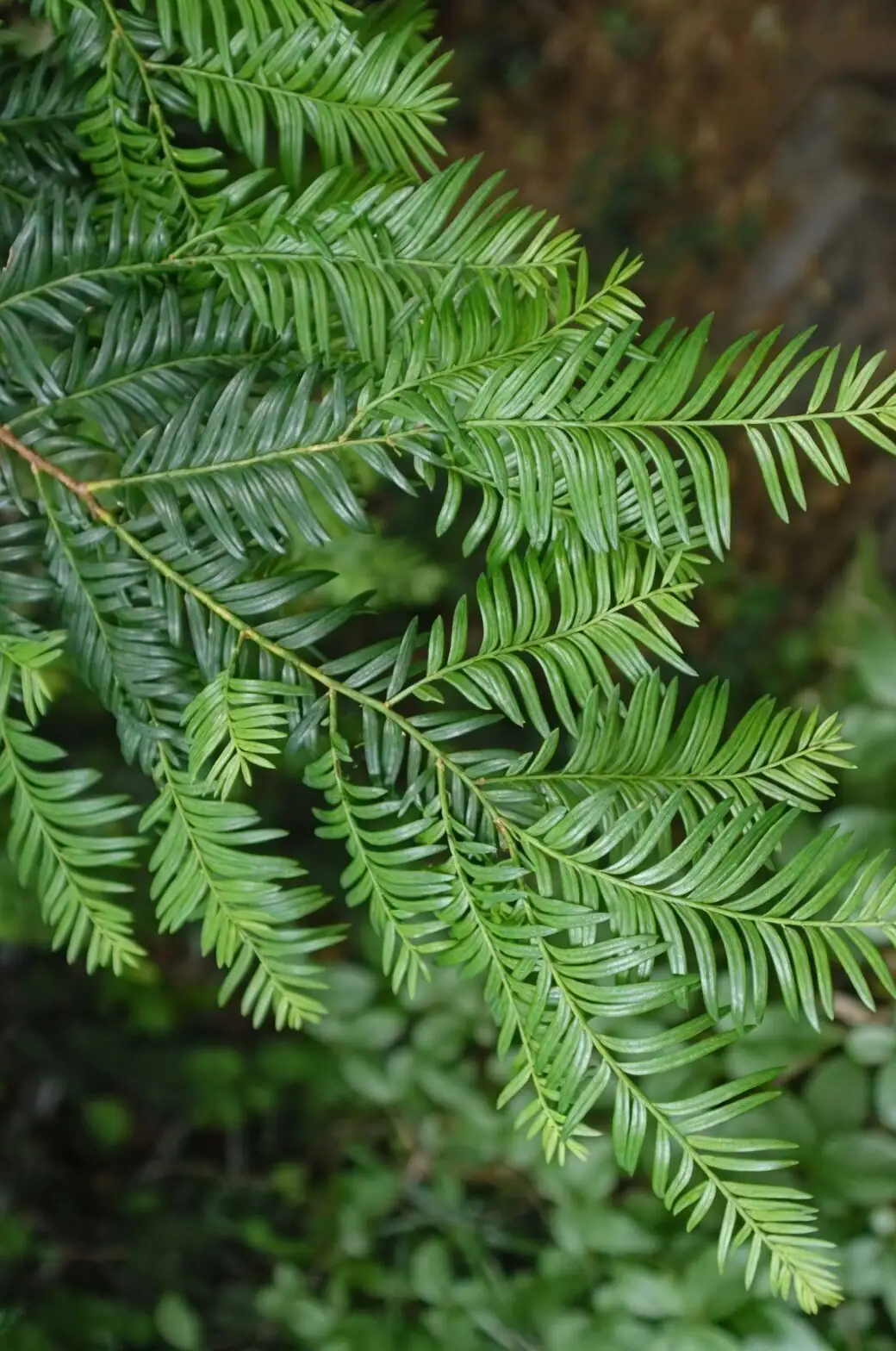
- Identity: Taxus chinensis (Chinese yew), a dignified evergreen conifer with dense, deep-green needles and bright red arils lingering into winter.
- Light: Partial shade to bright, indirect light; avoid strong midday sun. Indoors, a great cue is placing it about 1 m (3.3 ft) back from an east or south window/door for filtered light.
- Temperature sweet spot: 16–26°C (61–79°F) in active growth. Outdoor, established yews handle lows around -15°C (5°F), but container plants are less hardy—give them extra protection as temps plunge.
- Soil and moisture: Humus-rich, acidic, well-drained mix. Keep evenly moist, never waterlogged; in winter, water less while preventing the root ball from drying out.
- Safety first: All parts are highly toxic if ingested, especially seeds. Keep away from children and pets.
Why pots raise the stakes in winter
- Roots are exposed. In a container, root temperatures track air temperatures quickly (and wind strips heat even faster).
- Wet becomes dangerous. Cold, saturated soil displaces oxygen, inviting root rot exactly when roots are least active.
- Freeze–thaw stress. Sudden sun followed by a hard night freeze can damage roots and fine feeder tips.
Think of your yew’s pot as a mini-ecosystem: your job is to keep roots cold and stable, not icy and suffocated.
A tiered cold plan: what to do as temperatures drop
Tier 1: Frosty nights to light freezes (about -1 to -5°C / 30 to 23°F)
- Move to shelter: Tuck pots near a building wall (especially east or north sides) to cut wind and blunt temperature dips.
- Group and mulch: Cluster pots together; add a 3–5 cm (1–2 in) mulch on top of the soil (shredded bark/leaf mold). Keep mulch a finger’s width off the stem.
- Watering: Let the top 1–2 cm (½–¾ in) of mix dry before watering. Never leave the pot sitting in a saucer of water.
Tier 2: Hard freezes (about -6 to -10°C / 21 to 14°F)
- Wrap the container (not the foliage): Insulate the pot with a layer of bubble wrap or foam, then burlap for looks and UV protection. Keep drainage holes fully open.
- Lift the pot: Use pot feet or bricks to keep the base draining freely and to prevent the pot from freezing onto the ground.
- Wind screen: A temporary burlap screen on the windward side reduces needle desiccation while maintaining airflow.
- Water only when above freezing and the mix has slightly dried at the surface. If the soil is frozen solid, wait—water can’t penetrate and may ice-up around roots.
Tier 3: Deep freeze events (below about -10°C / 14°F, or multi-night cold with strong wind)
- Pot-in-pot “Russian doll” move: Slip the yew’s pot into a larger container and pack the gap with dry leaves, pine needles, or straw. Top with burlap.
- Or relocate temporarily: An unheated garage, enclosed porch, cold greenhouse, or shed with a bright window works well. Aim for cold but above prolonged hard freeze, with bright, indirect light.
- Snow is an insulator on soil, but brush heavy accumulation off branches to prevent breakage.
Insulating containers without suffocating roots
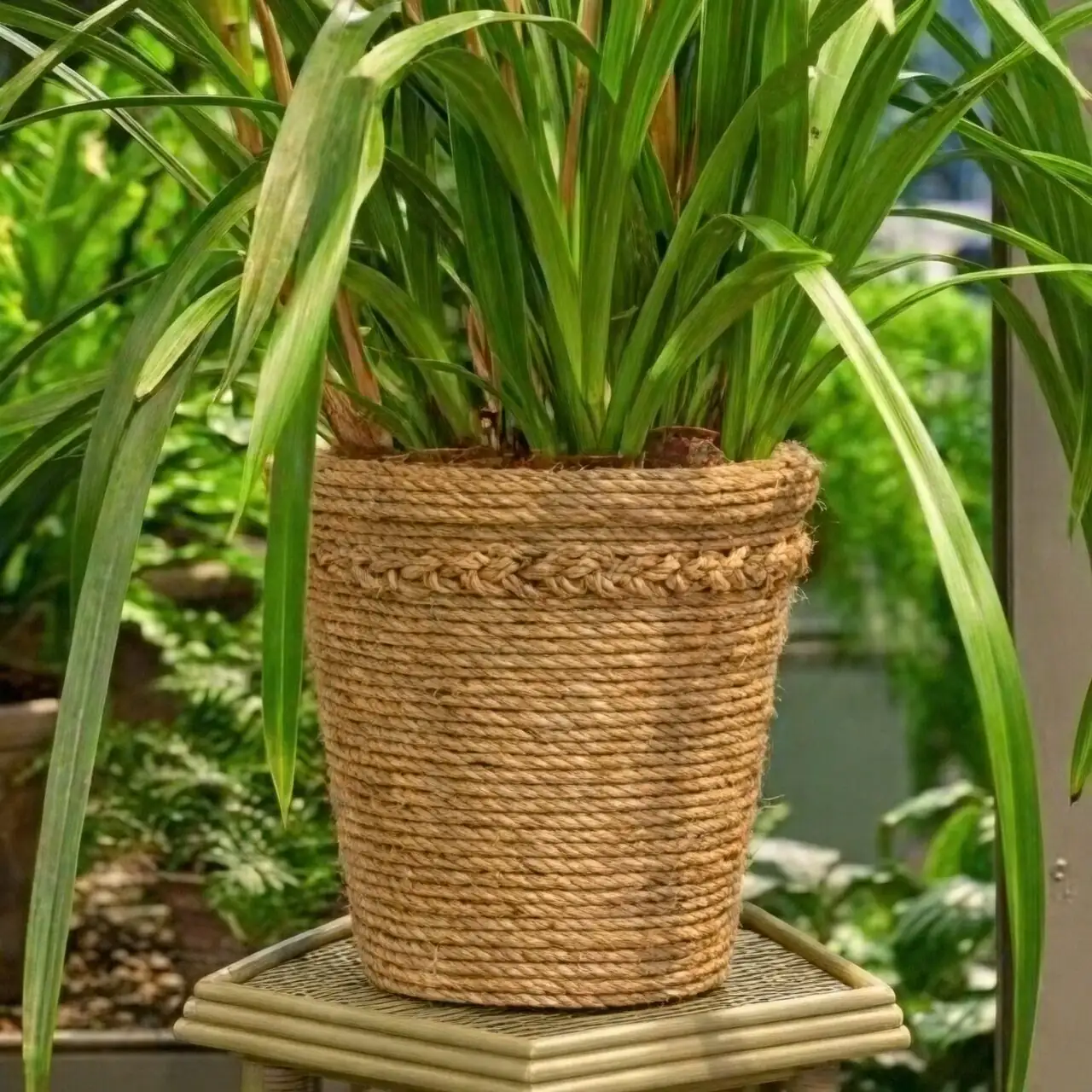
- Best materials: Resin, fiberglass, thick plastic, wood, or frost-resistant glazed ceramic. Terra-cotta looks lovely but loses moisture fast and can crack in deep freeze.
- Wrap smartly:
- Step 1: Elevate the pot on feet.
- Step 2: Wrap the sidewalls with bubble wrap or a coir/foam jacket.
- Step 3: Finish with burlap for breathability and UV protection.
- Step 4: Mulch the top of the soil; keep mulch off the trunk.
- Pot ganging: Cluster multiple containers so each buffers the others; put the yew in the center of the “pack.”
- Cold frame hack: A simple DIY cold frame or temporary hoop with frost cloth over your container corner creates a still, insulated microclimate.
Preventing waterlogging: the winter MVP move
Wet plus cold is the root of most winter trouble. Keep moisture even, never swampy.
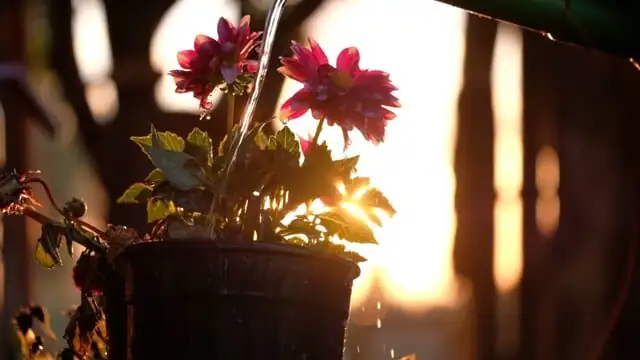
- Drainage that actually drains:
- Ensure generous drainage holes; line the bottom with mesh to keep holes open.
- Use pot feet to avoid blocked holes and frozen puddles.
- Skip gravel at the bottom—it creates a perched water table and worsens waterlogging. Use a uniform, free-draining mix instead.
- The right mix: A humus-rich, acidic, well-drained potting blend. A practical recipe is peat- or coir-based medium with composted bark and perlite for structure and aeration.
- Saucers off for winter: Remove or empty immediately after watering. Do not let the pot sit in water.
- Storm strategy: Before heavy rain turns to a freeze, tilt the container slightly or move it under eaves to avoid a saturated, then frozen, root zone.
- Salt alert: Keep pots away from de-icing salts and salty runoff. If exposure happens, flush the mix on a mild day.
Light vs. moisture: finding the winter balance
Chinese yew prefers filtered light and cool, moist air—perfect traits for winter quarters if you avoid extreme shade and stale heat.
Outdoor placement in winter
- Best spot: Bright shade or dappled light, protected from blasting wind and midday sun that can trigger freeze–thaw swings.
- Against a building: East/north-facing walls offer steady light and shelter.
If moving indoors or to a protected cold space
- Light: Bright, indirect light—about 1 m (3.3 ft) back from an east or south window/door. In a dim garage, add a simple LED grow light 12–14 hours/day, positioned high for gentle, diffuse light.
- Temperature: Cool is best; avoid hot, dry rooms and heating vents.
- Watering indoors: Let the surface dry slightly between drinks, but never let the root ball dry to dust. Check every 7–14 days; water thoroughly when needed and drain fully.
Pro tip: In low light, transpiration slows—so the plant uses less water. Resist “calendar watering.” Lift the pot and feel its weight, or probe 3–5 cm (1–2 in) down; water only when it’s partly dry.
A quick winter checklist
- Before cold sets in:
- Check drainage holes and add pot feet.
- Refresh the top few centimeters of mix with acidic, humus-rich material.
- Mulch the surface; set up wind protection.
- As temperatures fall:
- Wrap containers; group pots.
- Adjust watering to the plant’s slower winter use.
- During deep freezes:
- Pot-in-pot insulation or move to a cold, bright shelter.
- Water only on thawed days when the top has dried slightly.
- Ongoing:
- Keep saucers empty.
- Brush off heavy snow; avoid salt splash.
Spring bounce-back
- Unwrap gradually: Remove insulation after the worst cold passes, but keep pot feet for drainage.
- Light acclimation: Transition from deep shelter to brighter shade over a week to prevent shock.
- Watering and feeding: Resume consistent moisture. Feed about monthly in the growing season with a balanced fertilizer (e.g., NPK 20-20-20) or well-rotted organic cake fertilizer, following label directions.
- Repotting window: Late winter through early spring is ideal. Shift up gently, replace a portion of old mix with fresh acidic medium, and disturb the root ball as little as possible.
Common winter pitfalls (and easy fixes)
- Yellowing needles late winter: Often a soil pH/iron issue or poor drainage. Repot into fresh acidic mix and, if needed, apply chelated iron per label. Double-check that the pot never stands in water.
- Browning needle tips: Wind scorch or salt exposure. Add wind screening and rinse foliage/soil on mild days.
- Random dieback inside a dense plant: Thin lightly to improve airflow; yews naturally self-shade, and a small clean-up helps.
Health and safety notes
- Pests: Yews are generally tough, but scale insects can appear. Inspect stems periodically and treat with horticultural oil or a labeled scale control if needed.
- Toxicity: Needles, bark, and especially seeds are highly poisonous. The red aril may look tempting, but the seed inside is dangerous. Keep away from pets and children.
The yew’s quiet symbolism
Across cultures, yews have become emblems of longevity, endurance, and resilience—evergreen through the bleakest months and famously long-lived. In the language of flowers, yew has also carried tones of steadfastness and remembrance. That blend—life that persists and memory that endures—suits a plant that’s at its most dignified precisely when winter is sternest.
With a little forethought—shelter from deep freezes, insulated containers, vigilant drainage, and calm, conservative watering—your potted Chinese yew will prove why it’s the poster child for winter grace. Cold may be inevitable; cold damage is not.