

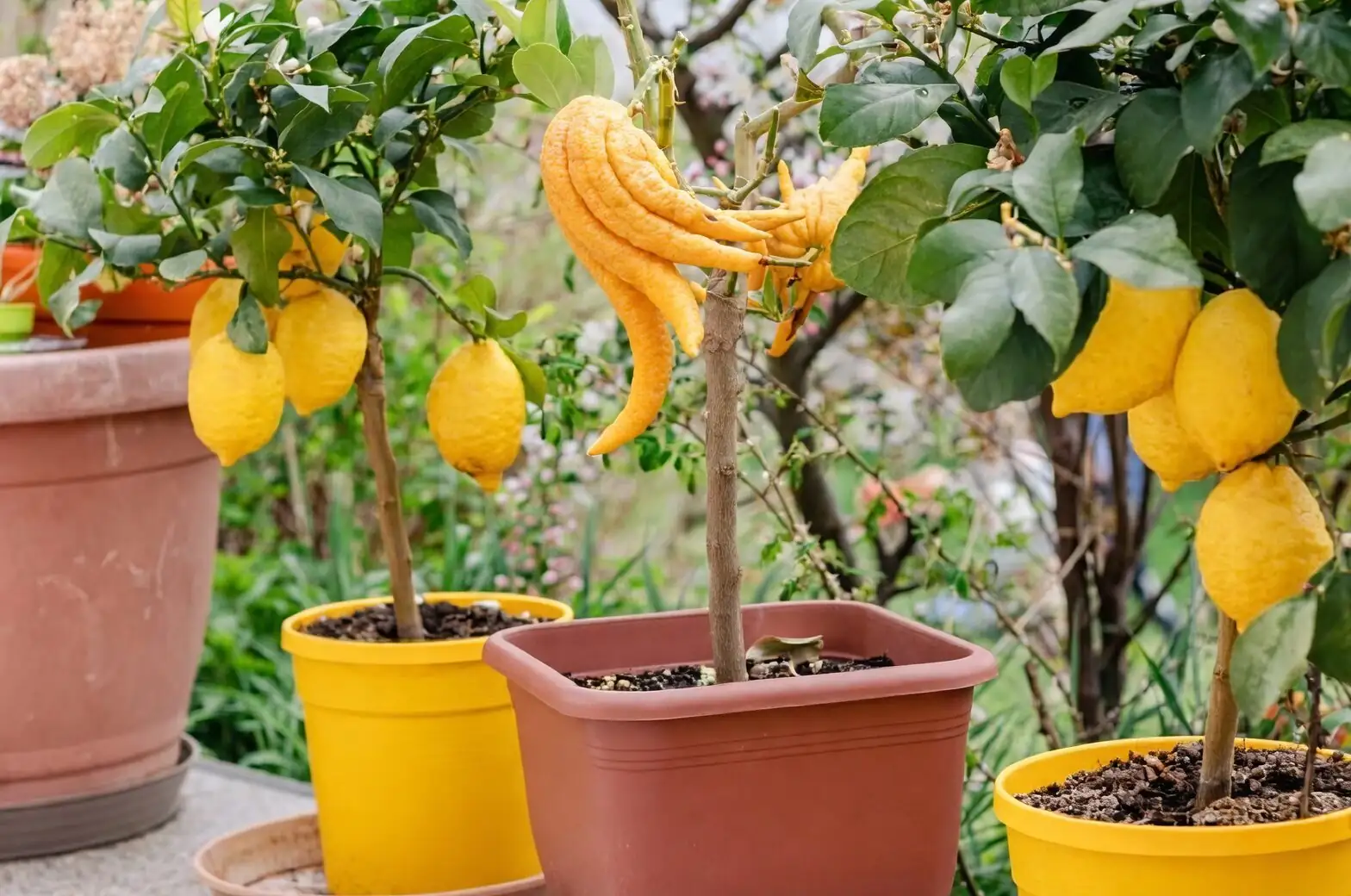
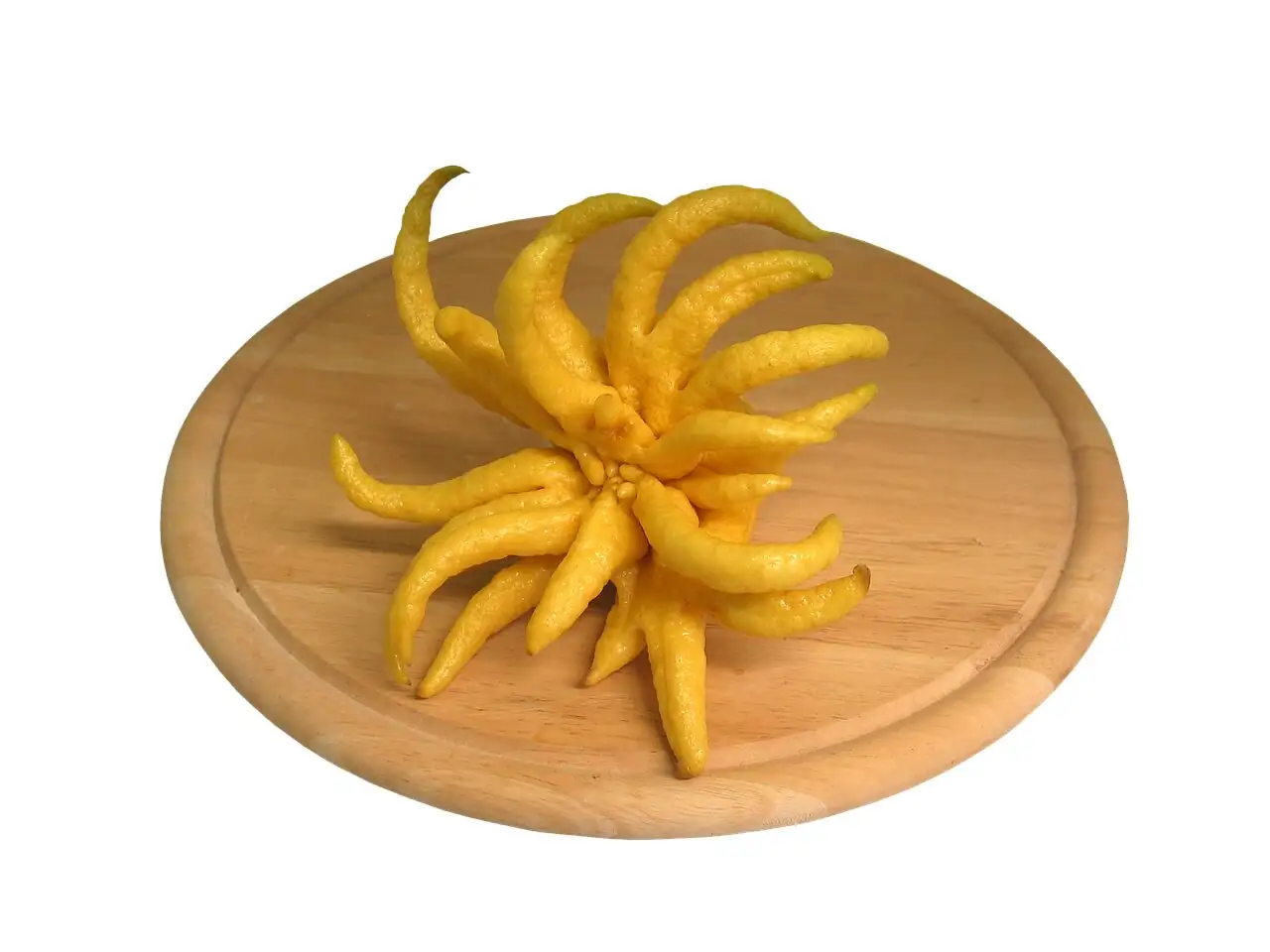
Breathe in: one Buddha’s hand citron can perfume a room for days. This evergreen citrus—famous for its bright yellow, fingered fruit—earns a place by the door or on a sunny balcony for looks alone. But it’s also a superb candidate for gentle, low-impact pest control. With the right nearby herbs and flowers, smarter spacing for airflow, and a few citrus-safe sprays, you can keep aphids and scale at bay and still feel great about using that edible rind in your kitchen.
Meet Buddha’s Hand citron, the fragrant showstopper
- Botanical name: Citrus medica var. sarcodactylis (Rutaceae)
- Also called: Buddha’s hand, fingered citron
- Origins: Tropical regions of China and India
- Habit: Evergreen, woody shrub commonly grown in containers, around 60–150 cm (2–5 ft) tall
- Why we grow it: Intense perfume; sculptural, hand-shaped fruit; aromatic rind used for candying, preserves, and infusions
This warmth-loving plant shines as a winter display indoors, then enjoys bright outdoor light in the warm months. It dislikes waterlogging, appreciates steady moisture, and benefits from regular, light pruning to balance shape and highlight the fruit.
The gentle-defense game plan
Think of this as an elegant, three-part strategy:
1) Recruit nearby allies (herbs and flowers) that feed your “good bugs.”
2) Use spacing and pruning to move air through the canopy—pests hate turbulence.
3) Keep a couple of low-impact, citrus-safe sprays on hand for early, targeted knocks.
1) Nearby herbs and flowers that help your citron
Aphids and scale are the usual suspects on container citrus. They ooze sticky honeydew that can invite sooty mold. Your best first move is to invite the right predators and parasitoids.
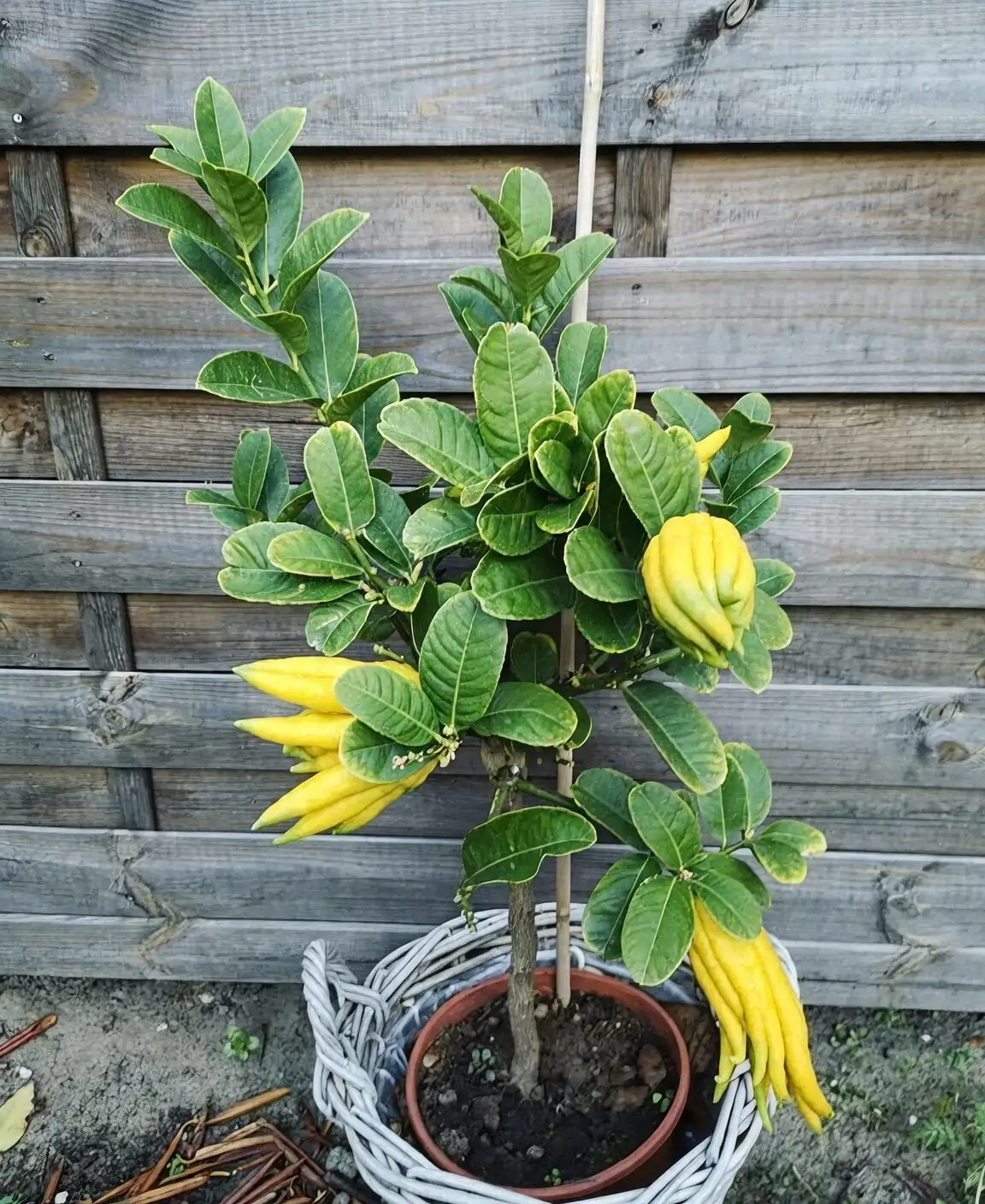
Plant these in separate pots arranged around your citron (rather than in the same pot) so you don’t disturb its sensitive root zone or moisture balance:
- Sweet alyssum: A hoverfly magnet; hoverfly larvae feast on aphids.
- Dill, fennel, coriander/cilantro, and parsley (flowering): Umbel blooms lure lacewings and tiny parasitic wasps that target aphids and scale crawlers.
- Yarrow and calendula: Long-blooming pollen and nectar hubs for a wide cast of beneficials.
- Nasturtium: A cheerful “trap” for aphids—keep it a short step away from the citron so ants don’t bridge over. Snip off heavily infested nasturtium stems to remove pests en masse.
- Marigold (Tagetes) and cosmos: Reliable nectar stations that keep beneficial traffic steady.
- Basil (let some flower) and chives/garlic chives: Small, open flowers that support parasitoids and pollinators; their scents can also help confuse pest scouting.
Placement tips:
- Cluster these companion pots in a loose horseshoe around your citron with 30–60 cm (12–24 in) of breathing room. That gives predators easy access while preserving airflow.
- Keep blooms coming by succession-planting quick growers like dill and alyssum.
Bonus: Control ants. Ants “farm” aphids and scale for honeydew and will protect them from predators. Use sticky barriers on bench legs or pot stands, and place ant baits away from the plant to reduce ant pressure without spraying the tree itself.
2) Smarter spacing and pruning for clean, pest-discouraging airflow
Airflow is your silent ally—it frustrates pests and helps prevent sooty mold.
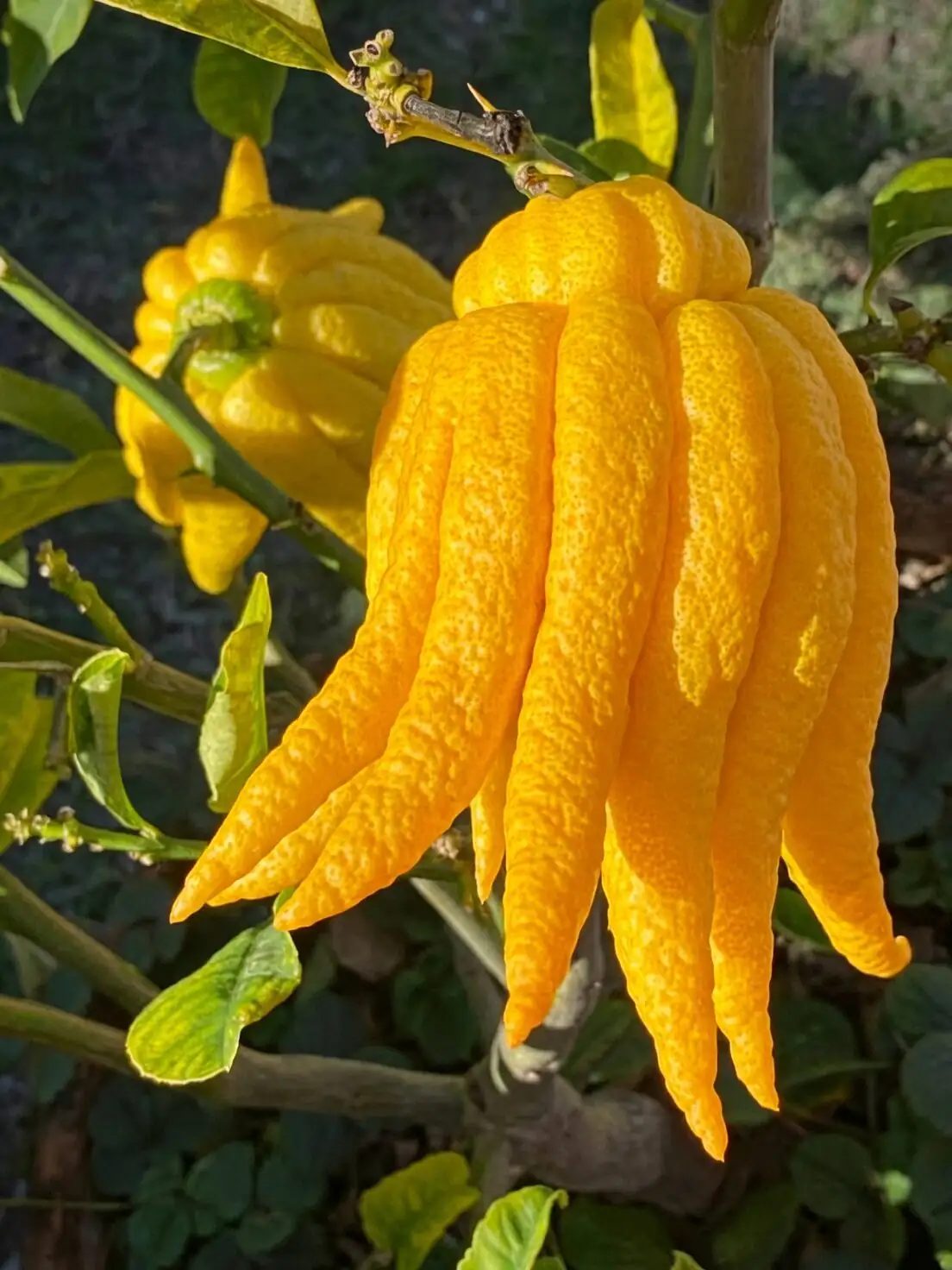
- Choose the right light: Bright light with some direct sun is ideal. In midsummer, give light noon shade to prevent leaf scorch.
- Give the canopy space: Keep at least a hand’s breadth of air between your citron and nearby walls or companion pots. Avoid crowding leaves against glass or railings.
- Prune for dappled light:
- Early spring: Remove crowded interior twigs and overly vigorous or weak shoots. Aim for an open, balanced silhouette.
- Summer: Light touch-ups to keep the canopy penetrable by light and breezes.
- Fruit thinning: For show-quality fruit, keep roughly one fruit per branch and remove extras; too many fruits can stress the plant and attract pests.
- Elevate the pot: Set it on feet so water drains freely. Never let the saucer hold standing water; waterlogging is a fast track to leaf and fruit drop—and pest flare-ups.
3) Low-impact sprays safe for edible rind
Reach for sprays only after you’ve boosted allies and airflow. When you do, choose citrus-safe products and follow labels—especially if you plan to candy that peel.
- Insecticidal soap: Excellent on soft-bodied aphids. Thoroughly wet leaf undersides and stems; repeat every 3–7 days until controlled. Soap works on contact, so coverage is everything.
- Horticultural oil: Smothers aphids, scale crawlers, and overwintering scale stages. Apply at label rate (often 1–2% solution), coating all surfaces, including twigs.
- Timing and safety: Spray in mild conditions (not during extreme heat or freezing nights). Avoid midday sun and drought-stressed plants.
- Rind use and cleanup: Choose products labeled for edible citrus and honor any pre-harvest interval. Rinse fruit you plan to use in the kitchen.
- Fungal follow-up: If you see a true fungal issue (beyond sooty mold growing on honeydew), copper-based products are sometimes used on citrus where appropriate. Use only as directed and avoid unnecessary sprays—good airflow plus pest control usually stops sooty mold at the source.
Pro tip: A strong morning blast of water can dislodge early aphids without drenching the mix. Let foliage dry quickly afterward.
Grow it strong so pests stay weak
Healthy, steady growth makes the plant less enticing to pests and more resilient.
- Watering: Water deeply, then wait until the top layer begins to dry. Keep evenly moist in active growth—never soggy. In summer heat, don’t let it bone-dry; in winter and while fruiting, water a bit more cautiously and never leave water in the saucer.
- Light and temperature: Best growth at 22–28°C (72–82°F). Bring indoors before cold snaps; cold damage can occur below about 4°C (39°F). For winter display, a bright, cool spot around 5–12°C (41–54°F) helps hold fruit and reduce stress.
- Humidity: Typical household humidity is fine; a bit more helps in very dry, heated rooms.
- Soil and feeding: Use a fertile, free-draining, slightly acidic citrus mix. From year two, feed about every two weeks in active growth. From year three, pause feeding at bud stage; once fruit sets, feed about weekly with a citrus fertilizer including micronutrients.
- Repotting: Every ~2 years in early spring. Refresh the mix and balance roots and shoots with light pruning.
A quick seasonal playbook
- Spring
- Repot if due; prune to open the canopy before new growth.
- Start your nectar bar: sow alyssum, dill, and calendula in nearby pots.
- Thin spring flowers lightly; keep more of the summer bloom for better fruit.
- Summer
- Bright light with noon shade if scorchy; keep moisture even.
- Light pruning for shape and airflow; maintain beneficial plantings in bloom.
- Scout weekly for aphids/scale; act early with soap or oil.
- Autumn
- Preserve strong autumn shoots; they’re often next year’s fruiting wood.
- Keep companions flowering to support late-season beneficials.
- Winter
- Peak ornamental season indoors at 5–12°C (41–54°F) with bright light.
- Water sparingly; absolutely no waterlogging.
- Wipe off any honeydew and remove sooty mold with a damp cloth after pests are controlled.
Troubleshooting: aphids and scale, fast
- Sticky leaves or black soot? Look for aphids/scale on undersides of leaves and stems.
- See ants? Treat ants first; they protect pests.
- Early response
- Rinse pests off in morning light.
- Follow with insecticidal soap; recheck in 3–5 days.
- Stubborn scale
- Apply horticultural oil for thorough coverage. Repeat as label directs.
- For small numbers, gently rub off with a soft cloth once pests are dead.
Placement snapshot (so your citron stays happy)
- Sun: Bright light with some direct sun. Provide light noon shade in harsh midsummer.
- Air: Good airflow but no cold winds.
- Indoors/outdoors: Outdoors in warm seasons; indoors in winter near a bright east or south window or in a cool sunroom.
- Hardiness: Frost-tender—treat as a container citrus unless truly frost-free.
Culture and meaning
Buddha’s hand citron has been cherished in China for centuries as an ornamental and aromatic citrus—often given as a festive winter gift. Its “fingers” symbolize blessings, longevity, and good fortune, which is why you’ll see it displayed for the Lunar New Year. Unlike modern “flower language” lists that assign specific phrases to every bloom, this symbolism comes from long cultural associations and everyday use in homes and temples, lending it a resonance that’s as practical as it is poetic.
The sweet result
With a ring of nectar-rich herbs and flowers, a breezy, well-spaced canopy, and a light hand on citrus-safe sprays, your Buddha’s hand becomes its own small ecosystem—fragrant, sculptural, and naturally defended. And when you finally zest that golden rind for preserves or candy, you’ll know you kept things clean, simple, and safe from the start.