

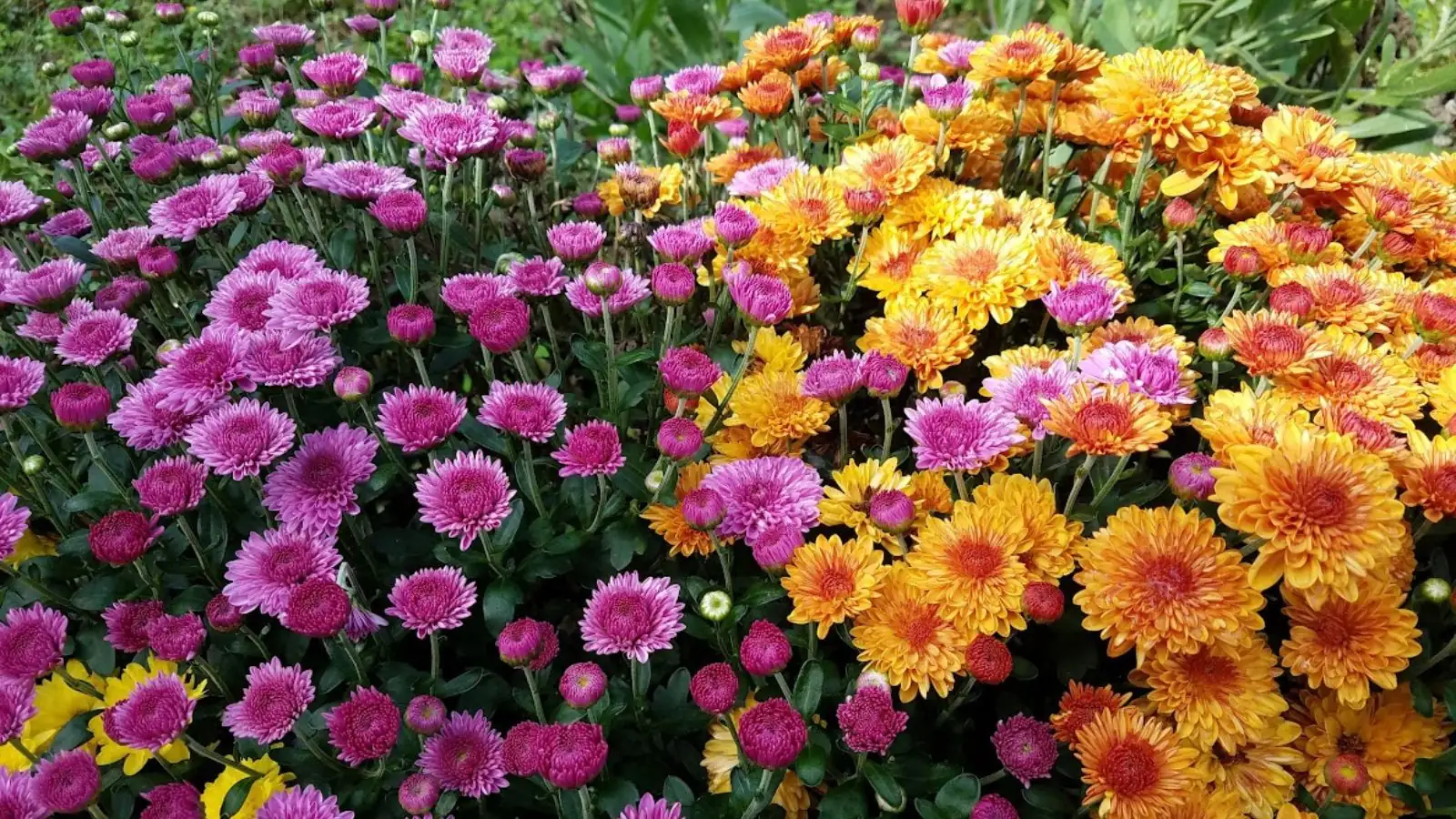
The Enchanting World of Chrysanthemums: Culture, Symbolism, and Flower Language
Ah, chrysanthemums—a floral marvel that transcends seasons and cultures, infusing our lives with vibrant hues and profound meanings. Often simply called “mums,” these perennial favorites are not just the “Queen of Fall Flowers” due to their striking autumnal flair; they are also cultural ambassadors, bearing symbolic messages that have evolved over centuries. Join us on a captivating journey through the cultural and symbolic tapestry of Chrysanthemum × morifolium.
A Bloom with a Rich History
Native to China and East Asia, chrysanthemums have a storied past that stretches across continents. They were first cultivated over 3,000 years ago in ancient China, admired not only for their beauty but also for their medicinal properties. By the 8th century, these blossoms made their way to Japan, where they were cherished as imperial symbols, eventually becoming the emblem of the Japanese monarchy—hence the term “Chrysanthemum Throne.”

The journey of chrysanthemums didn’t stop there. They graced European gardens by the 17th century and spread to North America in the 19th century, captivating hearts with their kaleidoscope of colors and forms. From compact pompons to sprawling spider blooms, chrysanthemums offer a form for every taste, a testament to their endless versatility.
Cultural Significance: A Global Perspective
Chrysanthemums are more than just pretty faces; they carry profound cultural meanings that vary across the globe:
- China: Here, chrysanthemums symbolize autumn and are one of the “Four Gentlemen” of flowers, representing noble character and longevity. They are closely associated with the Double Ninth Festival, a day dedicated to honoring the elderly and reflecting on one’s life and values.
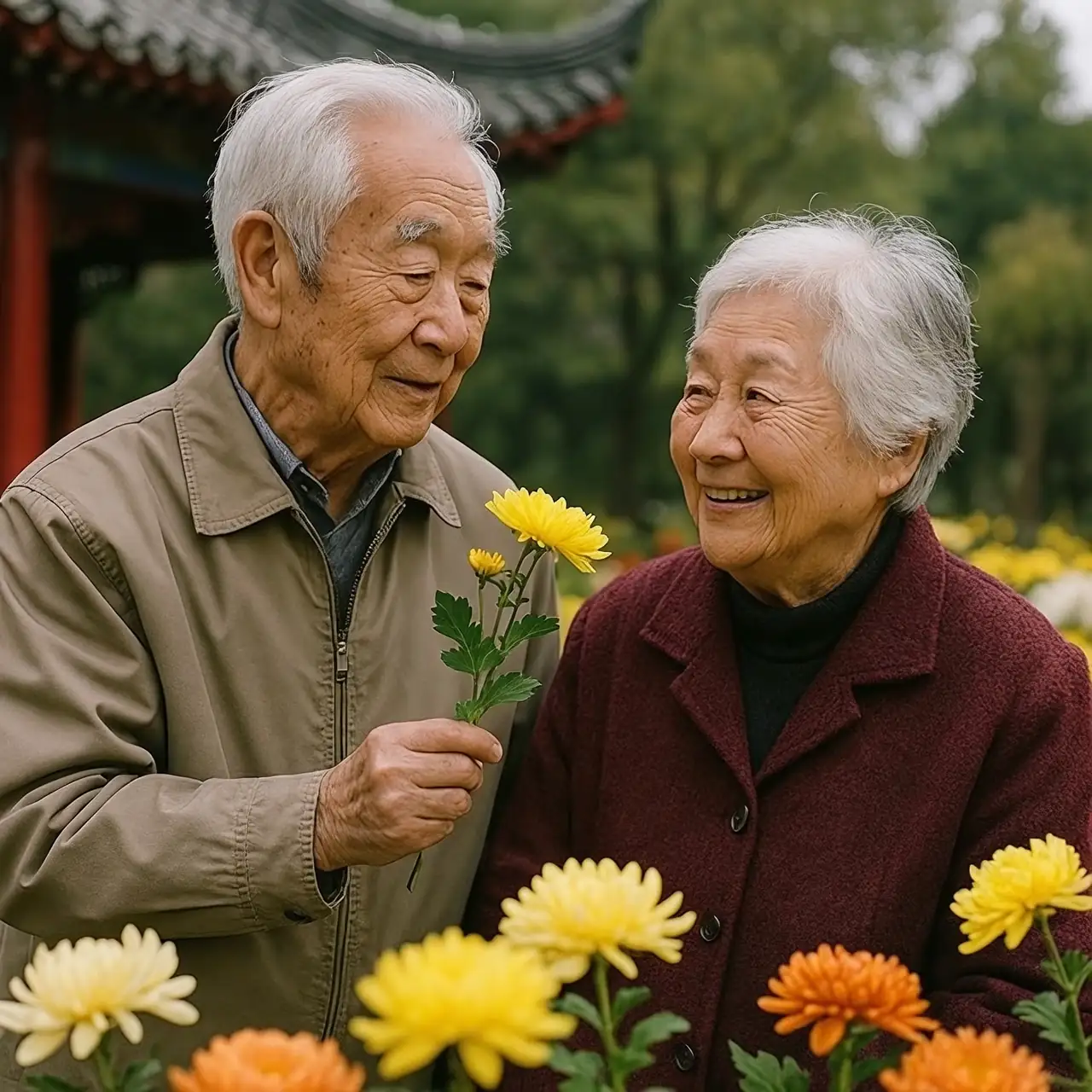
- Japan: The chrysanthemum is so integral to Japanese culture that it graces the Imperial Seal. Celebrated during the Chrysanthemum Festival on September 9, this flower embodies rejuvenation and life’s cyclical nature.
- Europe: In parts of Europe, particularly in Italy and France, chrysanthemums are often associated with mourning and are frequently used in funeral arrangements. The white and yellow varieties are particularly poignant symbols of remembrance.
- Victorian England: In the nuanced language of flowers known as “floriography,” chrysanthemums conveyed messages of cheerfulness and well-wishing. Each color told its own story, with red symbolizing love and white epitomizing truth.
The Flower Language (花语) of Chrysanthemums
The flower language, or 花语 (hua yu), is a fascinating aspect of chrysanthemums, deeply embedded in East Asian cultures. This unique floral lexicon allows flowers to convey emotions and messages that words sometimes cannot capture. Chrysanthemums, with their diverse colors, are particularly expressive:
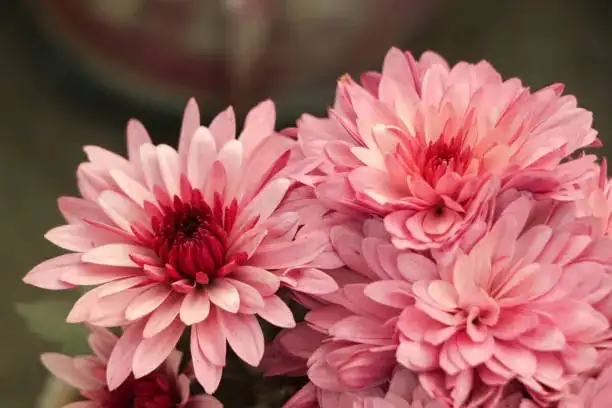
- Red Chrysanthemums: A symbol of love and deep passion.
- White Chrysanthemums: Representing purity, truth, and sometimes, in certain cultures, mourning.
- Yellow Chrysanthemums: Often associated with neglected love or sorrow, yet also can mean slighted affection.
Chrysanthemums in Art and Literature
Chrysanthemums have inspired poets, painters, and scholars alike. Chinese poet Tao Yuanming immortalized the chrysanthemum in his writings, celebrating it as a symbol of the quiet integrity and contentment found in scholarly retreat. This poetic association has further cemented the flower’s cultural significance as a metaphor for resilience and personal reflection.
A Versatile Bloom: Uses and Benefits
Beyond their aesthetic appeal, chrysanthemums serve various practical purposes:
- Ornamental: A staple in garden beds and patio pots, chrysanthemums are beloved for their long-lasting blooms and diverse forms, making them a favorite for floral exhibitions and home decor.
- Culinary and Medicinal: In East Asian cuisines, chrysanthemum tea is a popular beverage, praised for its cooling properties and health benefits. The leaves and young shoots are also consumed as greens.
- Insecticidal: Some chrysanthemum species are sources of pyrethrins, natural insecticides used worldwide for pest control.
Bringing Mums into Your Garden
Chrysanthemums thrive in full sunlight and well-drained soil, making them a gardener’s delight. To cultivate these beauties, ensure they receive ample sunlight, pinch back stems in early growth to encourage bushiness, and fertilize during mid-summer to promote vibrant blooms. With over 20,000 cultivars recorded, there’s a chrysanthemum for every corner of your garden.
Conclusion: A Bloom for All Seasons
Chrysanthemums, with their rich tapestry of meanings and uses, are more than just seasonal blooms; they are a testament to nature’s ability to inspire and connect cultures across the world. Whether you’re sipping chrysanthemum tea, admiring a bouquet, or contemplating their symbolic meanings, these flowers offer a timeless connection to history, art, and the human spirit. So, the next time you encounter a chrysanthemum, take a moment to appreciate the stories it carries—a reminder of the enduring beauty and complexity of life itself.


