

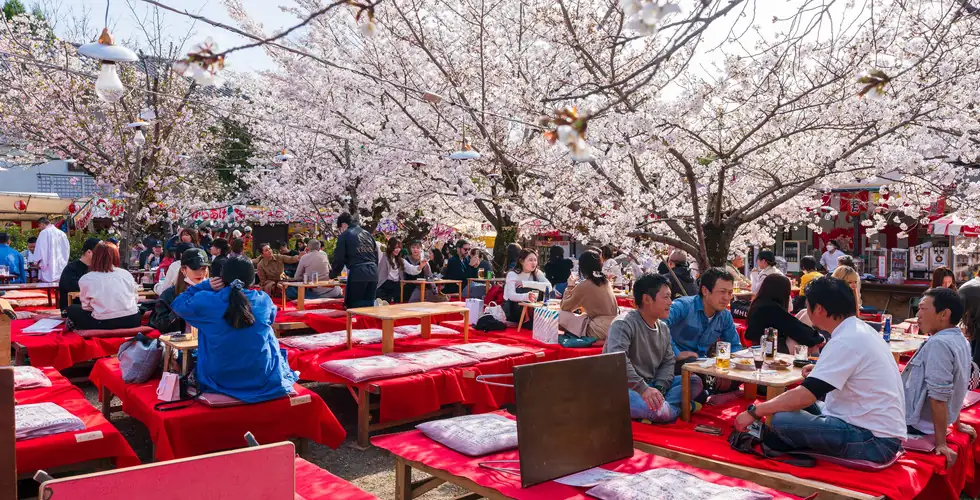
Cherry blossoms, scientifically known as Prunus subg. Cerasus, are the quintessential heralds of spring, painting landscapes with their ephemeral beauty. These ornamental trees, deeply embedded in cultural symbolism, evoke a sense of renewal and the fleeting nature of beauty. But what if you could propagate this piece of spring magic right in your backyard? This guide will walk you through grafting techniques, cuttings, and best practices to maintain the cherished traits of your cherry blossom cultivars.
The Art of Propagation: Grafting and Cuttings
Why Propagate Cherry Blossoms?
Cherry blossoms, or sakura as they’re known in Japan, are not just trees; they’re experiences. Their blooms are celebrated in festivals like hanami, where people gather to appreciate the transient beauty. Propagating your own cherry blossoms allows you to extend this experience and even share it with others.
Grafting: The Botanical Marriage
Grafting is the preferred method for propagating cherry blossoms to ensure the new tree retains the parent plant’s unique traits. This technique involves the union of a scion (a piece of stem from your beloved cherry) with a rootstock—creating a plant that’s both robust and true to type.
- Timing & Tools: Spring is the ideal season for grafting, as the sap is rising. You’ll need a grafting chisel and mallet, and don’t forget the grafting tape or rubber strips. Precision and cleanliness are paramount—think of it as performing surgery on trees.
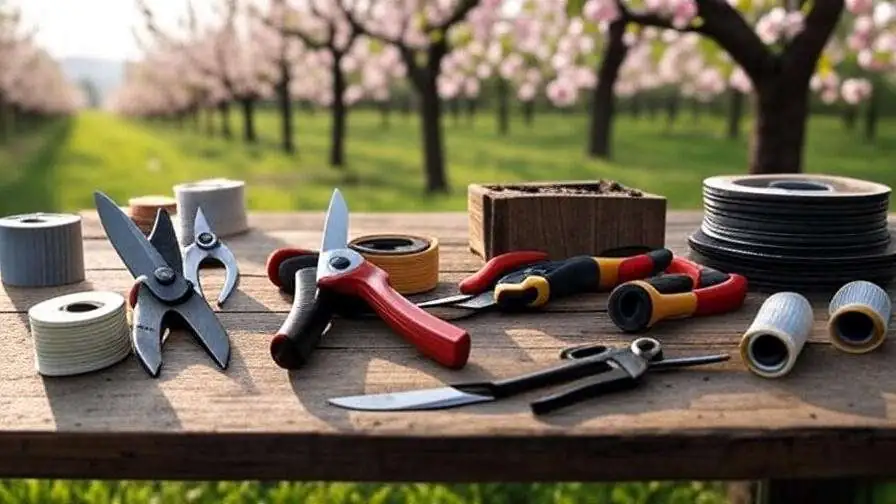
- Method: The most common grafting method for cherries is budding, where a single bud is used. It’s precise but rewarding, ensuring your cherry blossom tree carries the exact bloom characteristics you desire.
Softwood Cuttings: The Quick Route
For those who like a bit of a challenge with quicker results, softwood cuttings are a fantastic choice. Taken from the new growth in late spring or early summer, these cuttings root faster, although they require a delicate touch.
- Preparation: Select a 6 to 8-inch section of fresh growth, cutting at a 45-degree angle. This increases the surface area for rooting. Strip the lower leaves to prevent rot and dip the cut end in rooting hormone—a turbo boost for root development.
- Planting: Place the cutting in a pot filled with a well-draining soil mix. Keep the environment humid, perhaps under a plastic dome, to encourage rooting. Patience is key here; roots may take several weeks to develop.
Hardwood Cuttings: The Patient Approach
If you’re more of the patient gardener, hardwood cuttings taken in late fall or winter during the tree’s dormancy can be a rewarding challenge. These cuttings take longer to root but are less prone to wilting.
Cultivar Traits: Keeping It True
Maintaining the unique traits of your cherry blossom cultivar is crucial. Most ornamental cherry blossoms are vegetatively propagated to keep these traits intact. This means avoiding propagation by seeds, which can result in plants that don’t resemble the parent tree.
Best Practices for Cherry Blossom Care
Site Selection and Planting
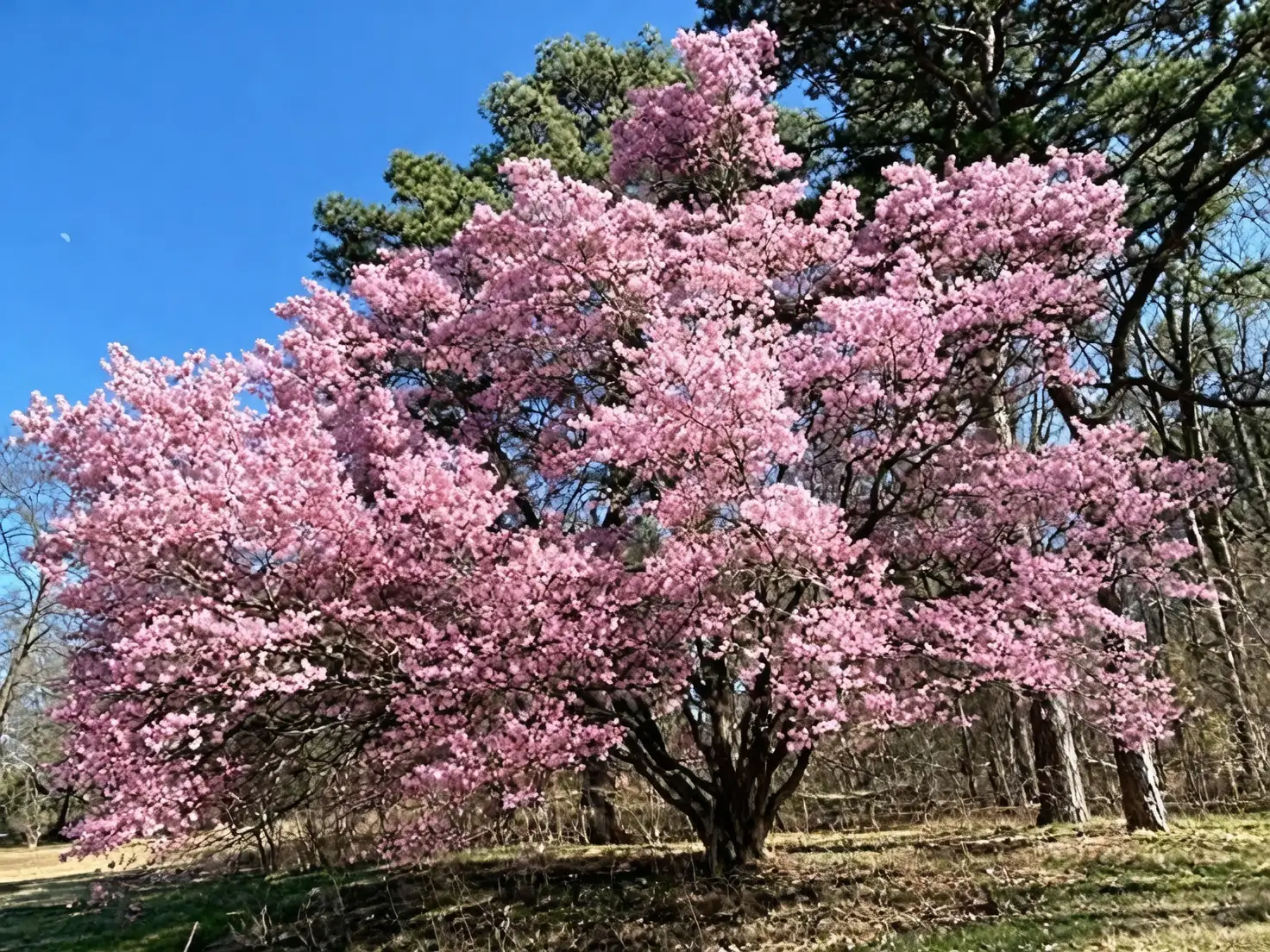
Cherry blossoms thrive in full sun, with at least six hours of direct sunlight daily. The soil should be well-drained and slightly acidic to neutral. Ensure each tree has enough space to spread its crown—about 10 to 20 feet apart is ideal.
Watering and Fertilization
Young trees require regular watering, especially during dry spells. As the tree matures, you can reduce the frequency, but ensure a deep soak to promote root health. In spring, a balanced, slow-release fertilizer helps support flowering and growth.
Pruning and Disease Prevention
Prune your cherry blossom after it has flowered, focusing on removing dead or diseased wood. Open the canopy for better airflow, reducing the risk of fungal diseases. Regular monitoring for pests like aphids and borers also helps keep your tree healthy.
A Celebration of Ephemeral Beauty
Cherry blossoms are more than just trees—they’re a celebration of life’s transient beauty. By mastering propagation techniques, you not only create new trees but also cultivate a deeper connection with nature and its cycles. As you watch your cherry blossoms bloom, remember that each flower is a reminder to savor every moment, just as the Japanese have done for centuries. Whether through grafting or cuttings, bringing a cherry blossom tree to life in your garden is a rewarding experience that promises to brighten each spring with its fleeting yet unforgettable display.


