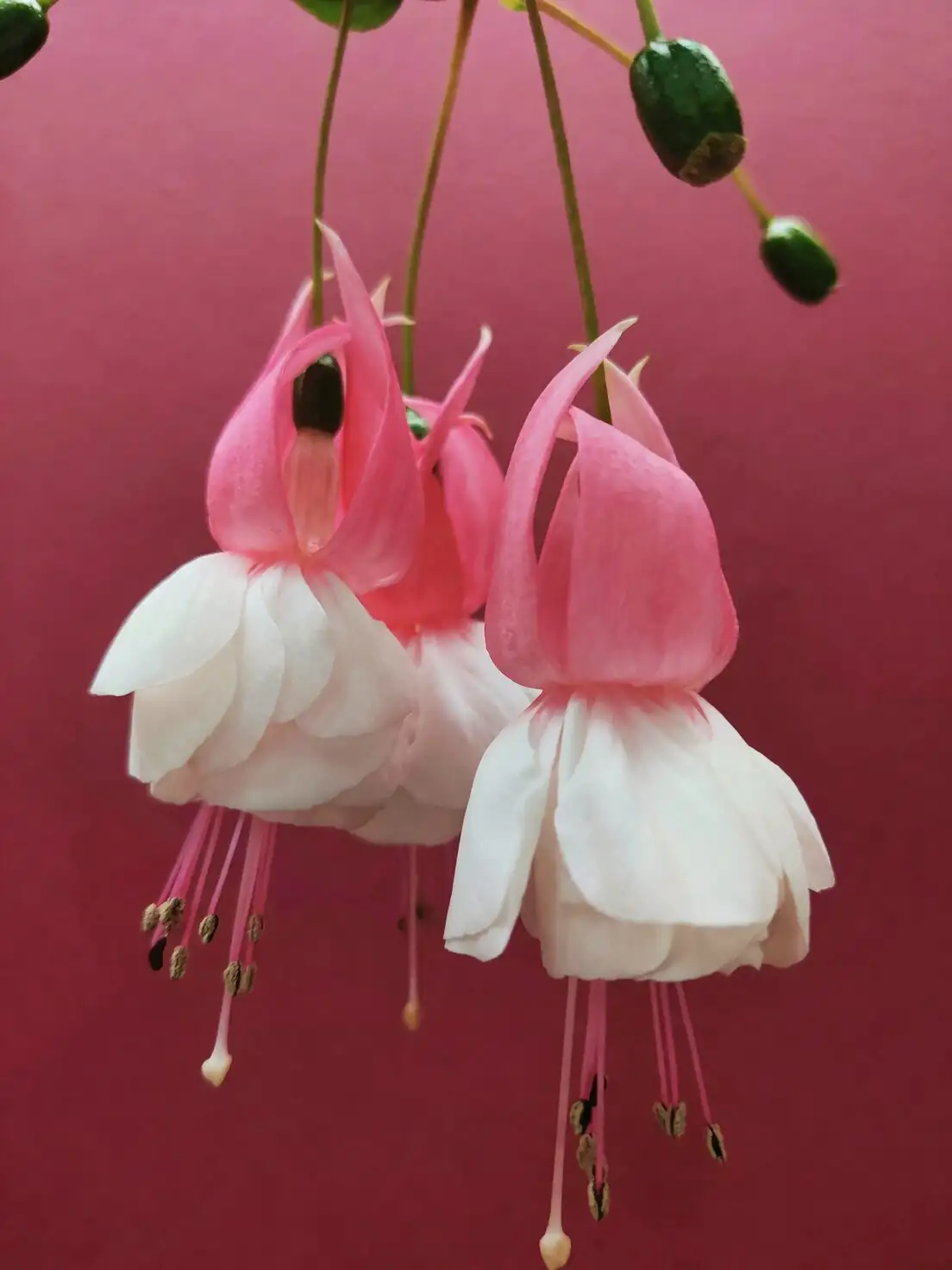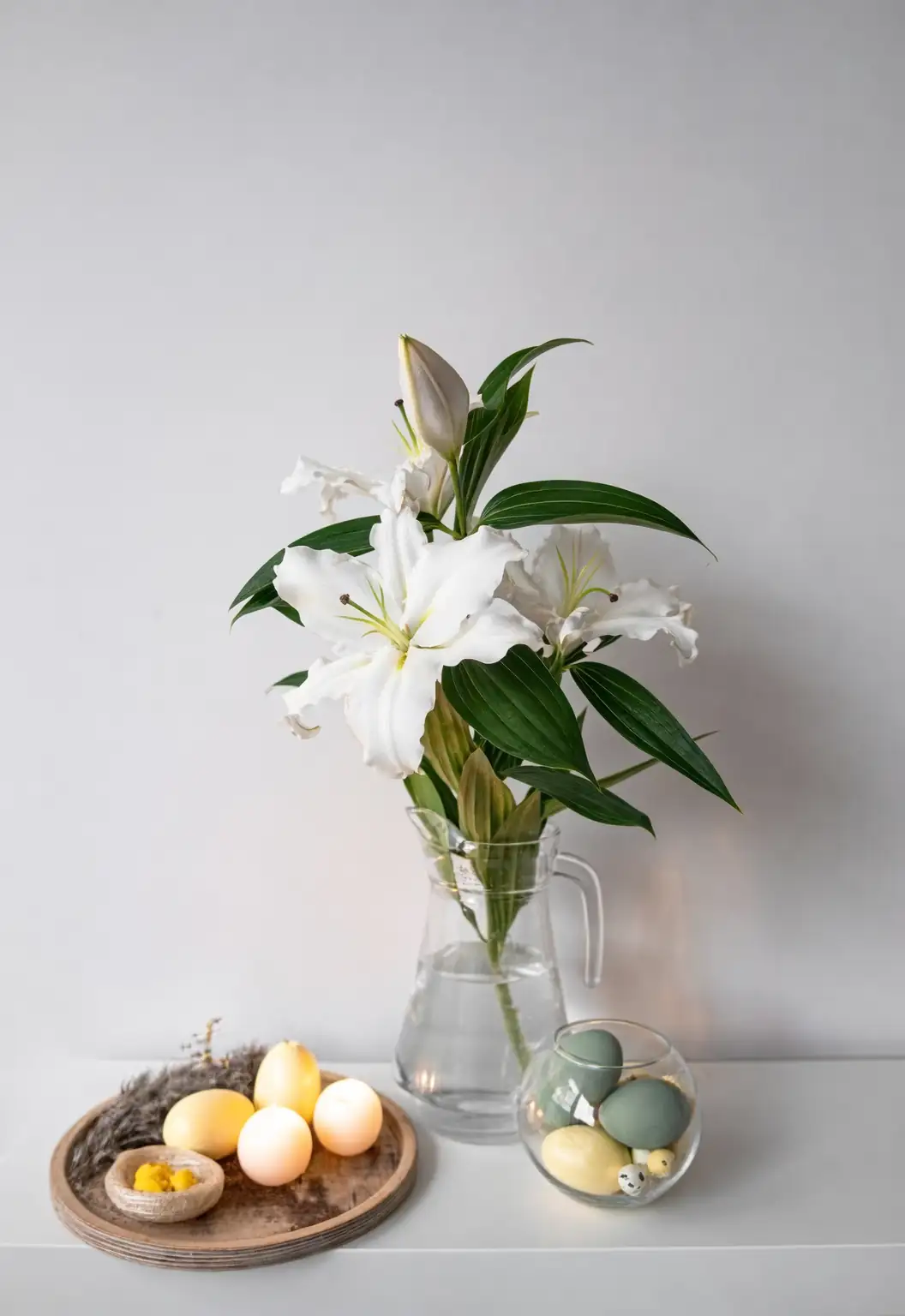
If you share your life with a cat, this is your red-alert plant warning. True lilies (Lilium spp.) are breathtaking in gardens and bouquets—but for cats, they’re a fast track to deadly kidney failure. A single bite of a leaf or petal, a few grains of pollen licked off a paw, or a sip of lily vase water can be enough to kill a cat within days. Keep reading for the must-know facts, the hidden risks people overlook, and exactly what to do—immediately—if exposure happens.
Why lilies are a deadly danger to cats
- True lilies (genus Lilium) contain a potent, cat-specific toxin in every part of the plant—leaves, flowers, pollen, stems, and the water from a cut-stem vase. Even tiny exposures can trigger sudden, potentially fatal kidney failure.
- The toxin hasn’t been identified, but the effect is tragically clear: without fast treatment, many cats die or must be euthanized within a few days.
- Dogs usually do not develop kidney failure from Lilium exposure (though they may have stomach upset). Humans aren’t poisoned by touching lilies, but pollen and fragrance can bother allergy-prone people.
The worst offenders you’ll see most often
These “true lilies” are all in the genus Lilium and are highly dangerous to cats:
- Easter lily (Lilium longiflorum)
- Oriental hybrids (e.g., Stargazer lily)
- Asiatic hybrids
- Tiger lily (Lilium lancifolium, formerly L. tigrinum)
- Madonna lily (Lilium candidum)
- Japanese show/rubrum lily (Lilium speciosum and varieties)
- Wood lily (Lilium philadelphicum)
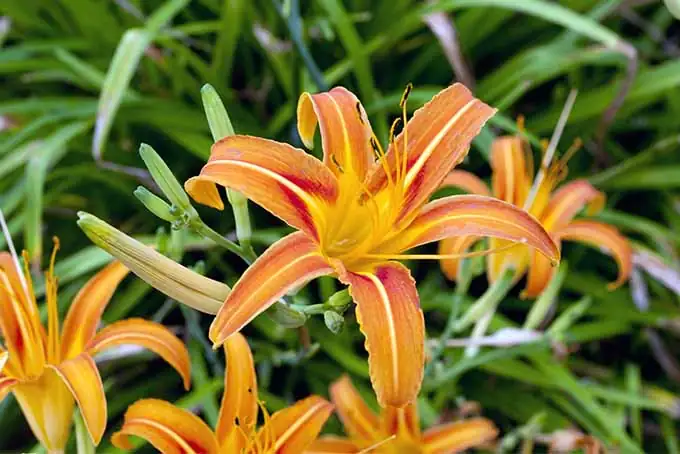
Daylilies (Hemerocallis species)—not in the Lilium genus—are also highly toxic to cats and can cause the same kind of kidney failure.
Don’t be fooled by the name
Some plants called “lilies” aren’t true lilies—and their risks differ:
- Calla lily and peace lily: mouth/throat irritation, drooling, vomiting; not kidney failure.
- Lily of the valley: dangerous heart effects (arrhythmias); veterinary emergency.
- Gloriosa (flame lily): contains colchicine; can cause multi-organ failure.
The safest rule for cat households: no lilies, period—true lilies, daylilies, or look-alikes.
The invisible risks: pollen and vase water
Think a “no-chew” cat is safe? Unfortunately, no.
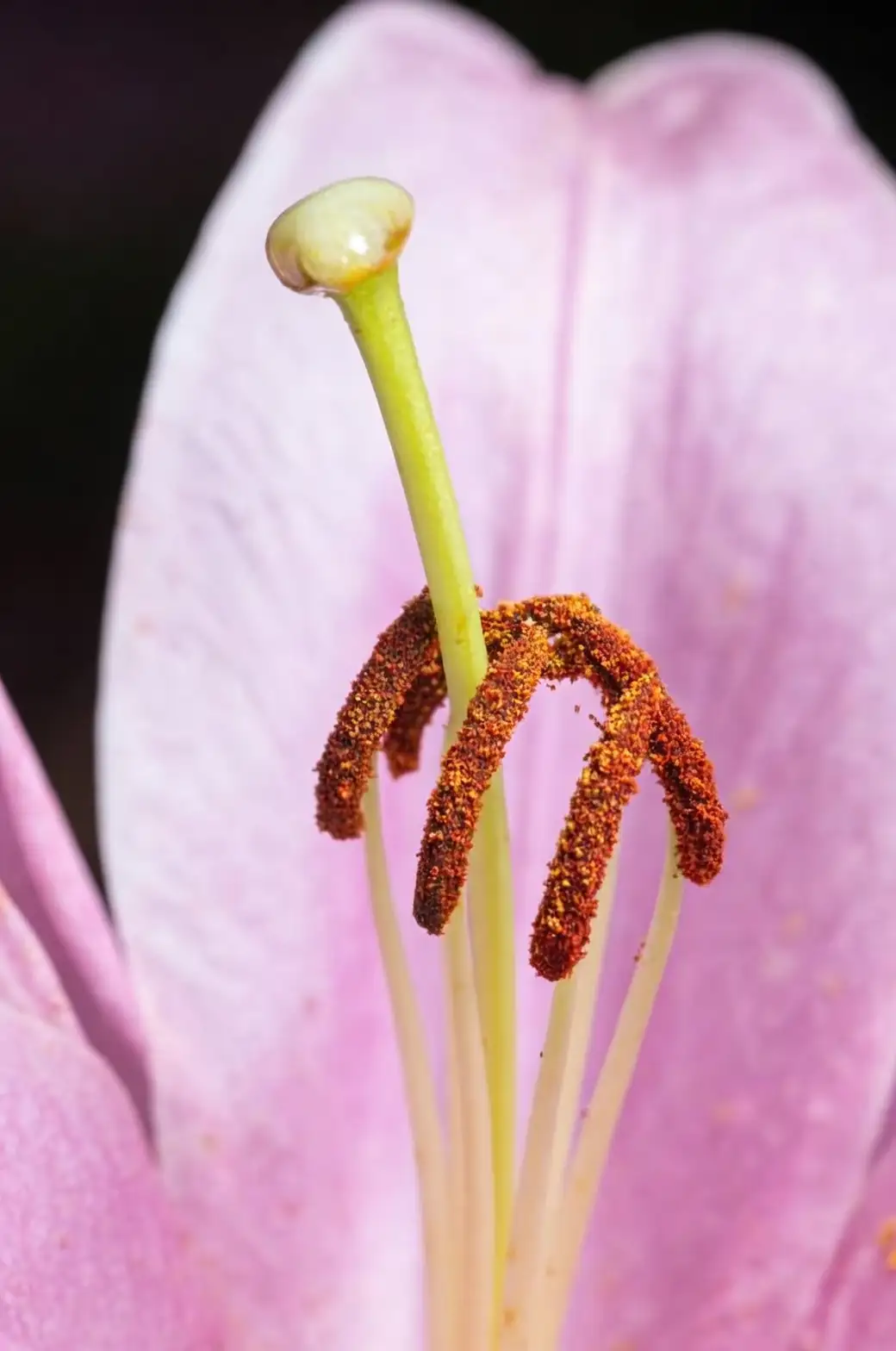
- Pollen: Those velvety anthers dust everything. A cat walks through fallen pollen, grooms, and ingests a lethal dose. Even a few grains can be enough.
- Vase water: Toxins leach into the water. A curious sip can be catastrophic.
- “I’ll just snip off the anthers”: Removing anthers reduces stains on clothes—but does not make the plant safe. The entire plant remains hazardous.
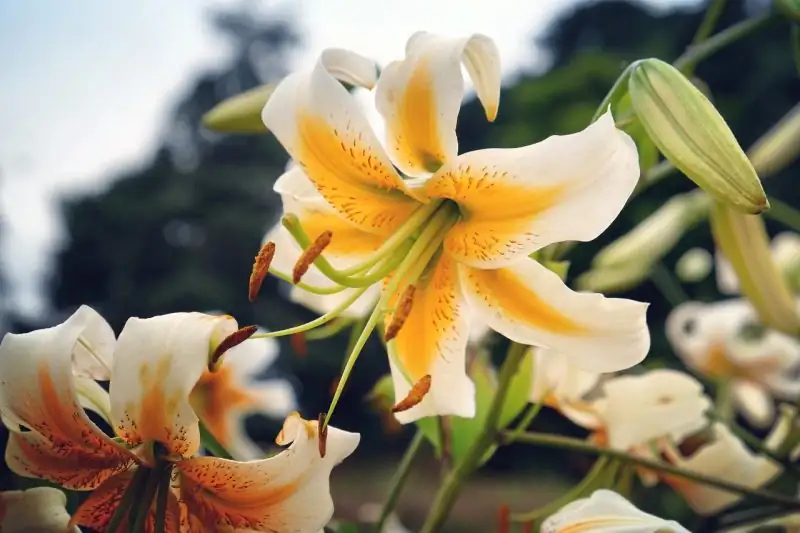
Pro tip for identification: Most lilies have six petal-like segments (tepals) and prominent anthers that shed orange or rust-colored pollen. If your bouquet has those, assume danger.
If exposure happens: do this immediately
Time is everything. Early treatment saves lives.
1) Stop the exposure
- Remove plant pieces from your cat’s mouth if you safely can.
- Gently wipe or rinse any pollen from fur with a damp cloth or lukewarm water. Prevent grooming while you do this.
- Confine your cat to a safe room so they can’t roam and keep other pets away.

2) Call for help—now
- Contact your veterinarian or the nearest emergency veterinary hospital immediately. Tell them it’s a lily exposure and when it happened.
- If available in your region, you may also call an animal poison control hotline, but do not delay getting to the vet if time is tight.
3) Bring evidence
- Take the plant or a photo of the bouquet/label to the clinic to confirm identification.
- Note the time and suspected amount of exposure (even “just licked pollen” matters).
4) Do NOT
- Do not wait for symptoms.
- Do not try to make your cat vomit at home.
- Do not give food, milk, charcoal, or any medication unless a veterinarian instructs you.
What your vet may do
- Rapid decontamination (induced vomiting and/or activated charcoal) if ingestion was recent.
- Start aggressive IV fluids for 48–72 hours to protect the kidneys.
- Baseline and repeat blood/urine tests to track kidney values and hydration.
- Hospital monitoring; in severe cases, dialysis may be needed.
Prognosis hinges on speed. Cats treated very early—ideally within hours—have a much better chance. After about 18 hours, kidney damage is often irreversible.
Symptoms to watch for (but don’t wait to see them)
- Within 0–12 hours: drooling, vomiting, loss of appetite, lethargy.
- 12–24 hours: increased urination and thirst, dehydration.
- 24–72 hours: worsening kidney failure (little to no urine), weakness, collapse. Death can occur without treatment.
Again: do not wait for signs. If you think exposure happened, that alone is an emergency.
Prevention: make your home and garden lily-safe
- Go lily-free if you have cats. Don’t buy, plant, or accept bouquets with true lilies or daylilies.
- Tell florists “no lilies of any kind”—double-check for Oriental/Asiatic/Easter/Stargazer/Tiger lilies or daylilies.
- Warn friends, neighbors, and event planners (weddings, holidays like Easter and Mother’s Day) not to bring lilies into your home.
- If a surprise bouquet arrives with lilies:
- Move it outside or seal it in a room your cat cannot enter.
- Carefully clean any dropped pollen (use sticky tape to lift it from fabrics; avoid rubbing it deeper).
- Replace with cat-safer blooms (for example, roses without lilies, snapdragons, gerbera, zinnias—always verify plant safety before bringing them home).
For lily lovers without cats: enjoy wisely
Lilies are magnificent garden perennials and cut flowers. They bear large, often fragrant blooms in summer with six showy tepals, and they thrive in sunny spots with cool, well-drained root zones. As cut flowers, remove anthers to prevent pollen stains and keep stems away from ripening fruit (ethylene shortens vase life). But if there’s any chance a cat will visit, skip lilies altogether.
Flower language and cultural meanings—then choose safety
For centuries, lilies have symbolized purity, renewal, devotion, and new beginnings. In Chinese gifting culture, lilies are tied to wishes for “百年好合” (a hundred years of harmonious union), which is why they’re beloved at weddings. That poetry and history are real—but so is the risk to cats. When love for tradition meets love for a pet, the kindest gesture is a lily-free bouquet that keeps every family member safe.
Quick recap
- True lilies (Lilium spp.) and daylilies are emergencies for cats. All parts are dangerous, including pollen and vase water.
- Early veterinary care—ideally within hours—can be lifesaving.
- The only safe policy in a cat household: no lilies, ever.
If a lily has crossed your cat’s path, act now. Minutes matter, and fast action can make all the difference.