

If any houseplant could star in a survival movie, it would be Aspidistra elatior—the cast-iron plant. But even heroes have limits. Let’s bust a few persistent myths so your Aspidistra thrives for years, not merely survives.
Myth 1: “It grows fast once it settles in.”
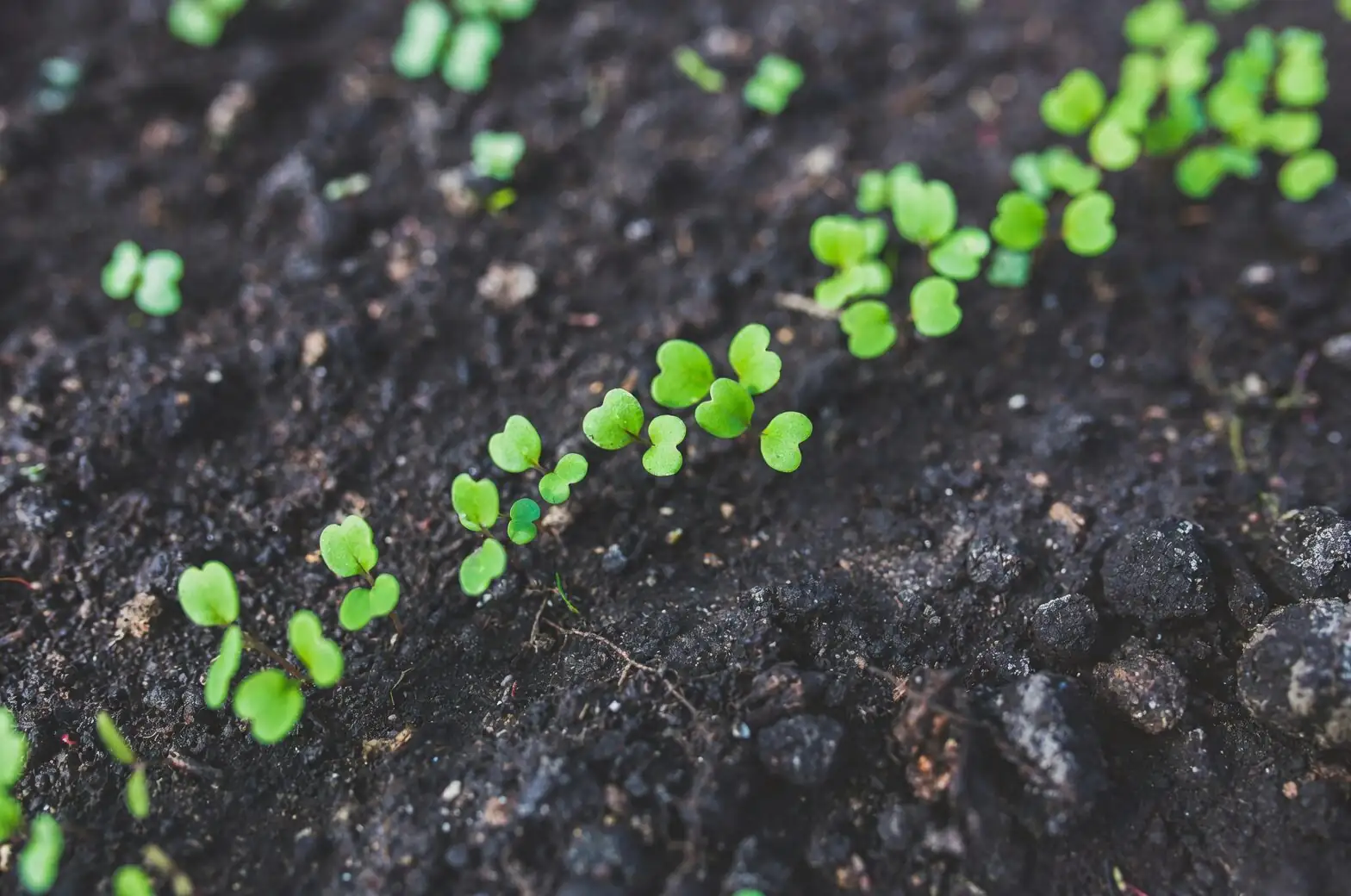
Reality: Cast-iron plants are famously slow. They expand via rhizomes, producing tidy clumps of long, leathery leaves—but at a measured pace. Indoors, expect a mature size around 60 × 60 cm (about 24 × 24 in). In a good year you might see just a handful of new leaves.
Want to gently nudge growth without forcing it?
- Light: Offer bright, indirect light (never harsh sun). Deep shade is tolerated, but growth will be glacial.
- Feeding: From spring through late summer, feed monthly at half strength with a balanced liquid fertilizer.
- Potting: Keep it cozy. A 12.5–20 cm (5–8 in) pot is usually enough. Upsize only every 2–3 years, one step at a time. Oversized pots hold excess moisture and slow roots.
- Patience: New leaves emerge from the crown in slow motion. That’s its nature—lean into it.
Myth 2: “If you care for it well, it will put on a flower show.”
Reality: It does bloom—but it’s more secret handshake than showstopper. The small, brownish‑purple, bell-like flowers open right at soil level, often hidden under foliage, and are easy to miss. Indoors, flowering is sporadic, typically in late winter to spring. In the wild, these ground-hugging blossoms are visited by crawling insects—part of the plant’s understory strategy.
How to improve your odds (no promises):
- Grow a mature, well-established clump.
- Keep it in stable, bright shade (no direct sun), with steady care.
- Provide a slightly cooler, restful winter and reduce watering.
And if you never see a bloom? You’re not alone. Most people grow Aspidistra for its serene, glossy foliage—not fireworks.
Myth 3: “It survives in the dark, so sunlight is irrelevant.”
Reality: Shade-tolerant doesn’t mean light-indifferent. Aspidistra excels from partial shade to full shade and is ideal for dim rooms and hallways—but it looks its best in bright, indirect light. A north window, or a few feet back from an east or west exposure, is perfect. Direct sun can scorch or bleach those elegant blades.
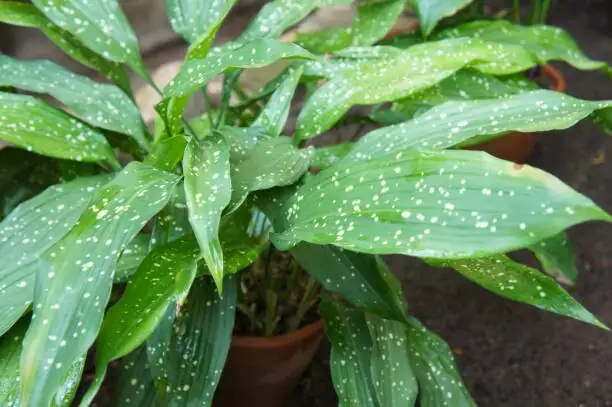
A quick note on variegates: Cream-striped or speckled cultivars are a little pickier. They still avoid direct sun, but they appreciate brighter (indirect) light to keep their patterns crisp.
Myth 4: “Tough” means “waterlogged-proof.”
Reality: The “cast-iron” moniker refers to its resilience, not to an ability to sit in a swamp. Waterlogged soil suffocates the rhizomes and invites root rot.
Watering made foolproof:
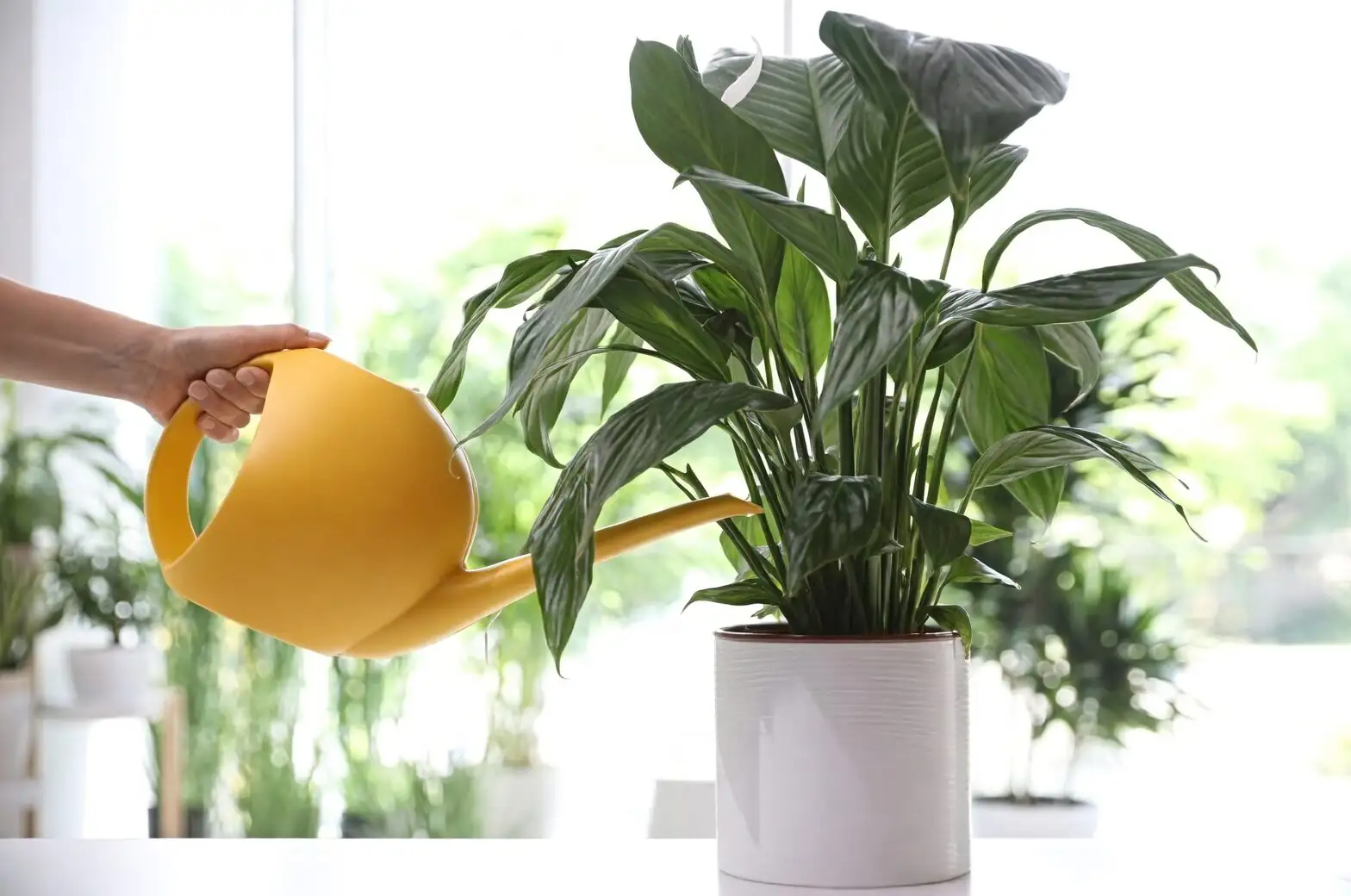
- Timing: Water when the surface of the potting mix has dried. In winter, reduce frequency.
- Method: Water thoroughly, then drain completely. Never let the pot sit in a saucer of water.
- Mix: Use a loose, well-draining blend. A practical recipe is 1:1 standard potting soil to a multi‑purpose mix, kept airy—add perlite if needed.
- Container: Always use a pot with a drainage hole; avoid oversized planters.
Early warning signs of trouble include yellowing leaves and a sour-smelling, soggy mix. If that happens, unpot, trim mushy roots, and repot into fresh, airy medium.
The reality-check care snapshot
- Light: Partial to full shade; bright, indirect light is welcome. Avoid harsh direct sun.
- Temperature: Content across typical home ranges, but happiest on the cool side: 5–20°C (41–68°F). Protect from hard frost outdoors.
- Humidity: Low to average is fine—no misting rituals required.
- Water: Let the surface dry between waterings; water less in winter. No standing water, no waterlogging.
- Soil: Loose and well-draining; keep it airy with perlite if needed.
- Feeding: Monthly at half strength from spring through late summer.
- Size & habit: Clump-forming evergreen with slowly spreading rhizomes; typically around 60 × 60 cm indoors.
- Hardiness outdoors: Generally hardy in USDA Zones 8–11 (shelter from severe freezes).
Buying smart: what a healthy Aspidistra looks like
- Look for firm, upright leaves without extensive yellowing or spotting.
- Check the crowns (the leaf bases at soil level)—they should be plump and clean.
- Avoid pots that feel constantly wet or smell sour; that can signal early root rot.
- A snug, well-rooted plant in a modest pot size is a good sign.
Repotting and propagation
- Repot every 2–3 years, only one pot size up. This plant prefers tight quarters.
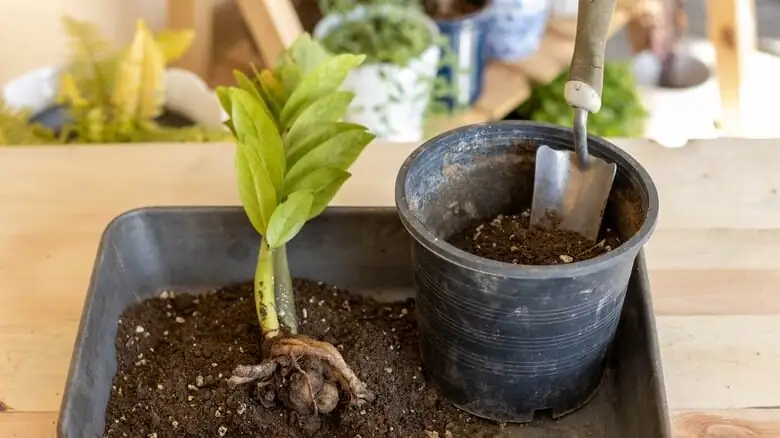
- Best propagation is by division during repotting. Separate a rhizome section with roots attached and pot it individually.
Pests and problems (rare, but worth a look)
- Generally trouble-free. In dry indoor air, watch for scale insects, mealybugs, and spider mites.
- Root rot is the main foe, and it’s almost always tied to soggy mix or poor drainage.
Safety, placement, and personality
- Non-toxic: Commonly regarded as safe for cats, dogs, and people.
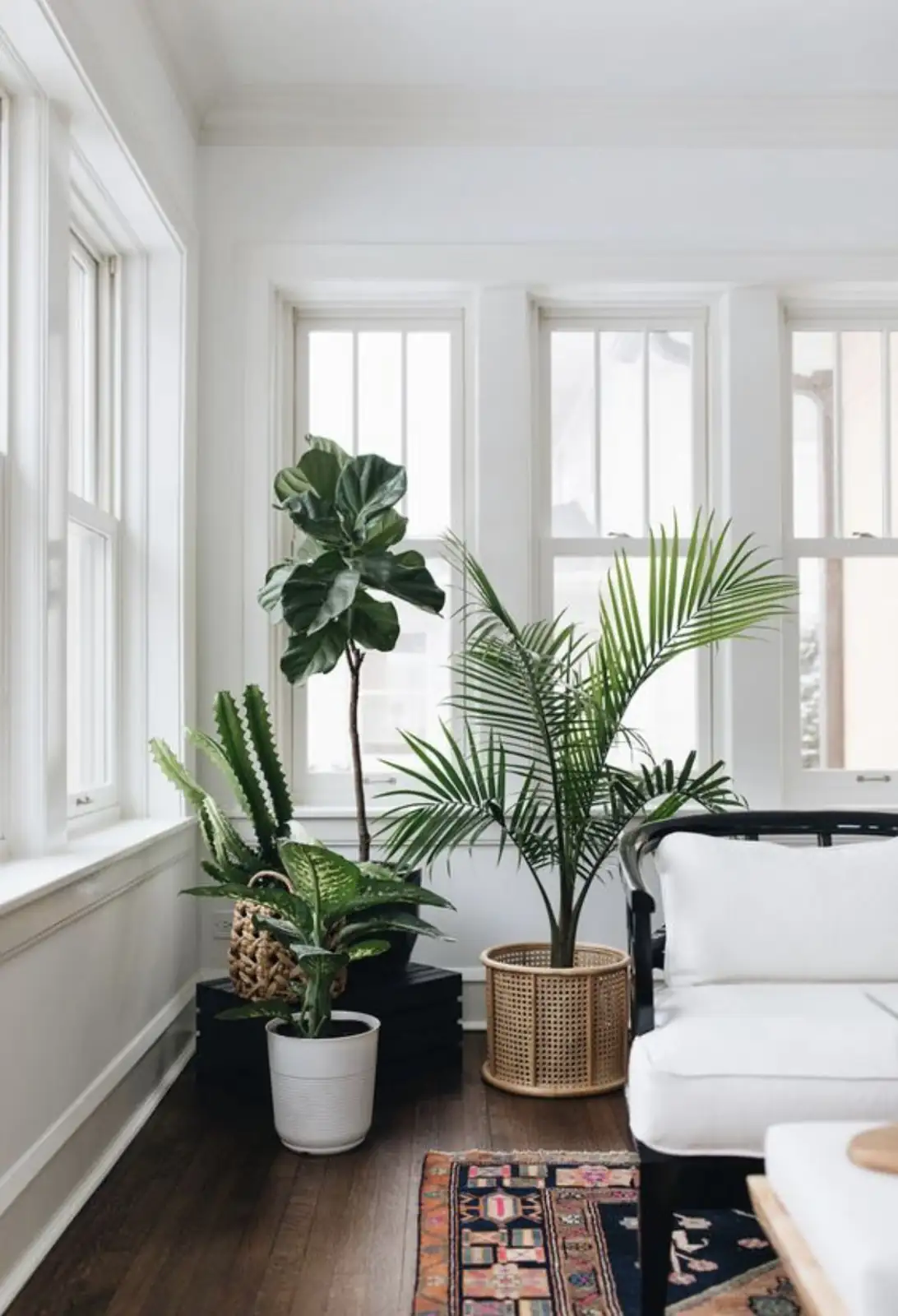
- Placement ideas: Dim corners, hallways, bedrooms with filtered light, or shaded spots a few feet from a bright window. It’s the plant that keeps a space calm and cohesive without clamoring for attention.
Origins, history, and that “bar-room” legend
Native to Japan (notably the Ryukyu Islands) and Taiwan, Aspidistra evolved on forest floors—hence its comfort with shade and cool spells. It surged in popularity in Victorian and early 20th‑century interiors, thriving in smoky, low-light rooms, which earned it the nickname “bar-room plant.” That gritty past is also why it’s so closely linked with endurance.
Symbolism and “flower language” with a reality check
Aspidistra’s modern symbolism centers on resilience and quiet perseverance. Unlike the ornate floral meanings attached to showy blooms, this plant’s “language” emerged culturally—from its ability to remain evergreen and elegant under neglect and in dim conditions—more than from any formal Victorian floriography. In other words, the meaning wasn’t assigned to a blossom; it was earned by steadfast performance.
Quick troubleshooting
- Pale or scorched leaves: Too much direct sun—move to bright, indirect light.
- No growth for ages: Normal for Aspidistra, especially in deep shade. Consider a touch more indirect light and a gentle feeding routine in the growing season.
- Yellowing leaves, soggy mix: Overwatering or poor drainage—dry out, then adjust watering and substrate.
- Speckled, webby leaves: Spider mites—rinse foliage and treat promptly.
Final myth-busting takeaways
- Slow is normal. If your cast-iron plant isn’t racing ahead, it’s being itself.
- Flowers may happen, but they’re small, ground-level, and easy to miss—don’t measure success by blooms.
- Shade tolerant, yes; starved of light, no. Bright, indirect light keeps it looking its best.
- Tough doesn’t beat swampy. Keep the mix airy, water only when the surface dries, and never let it sit in water.
Get these few truths right, and Aspidistra elatior will do what it does best: look impeccably composed in the very spots where other plants give up.