

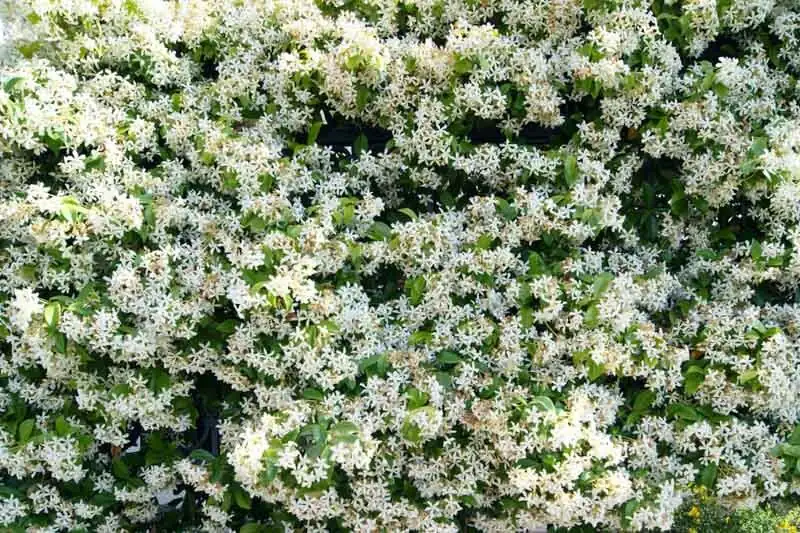
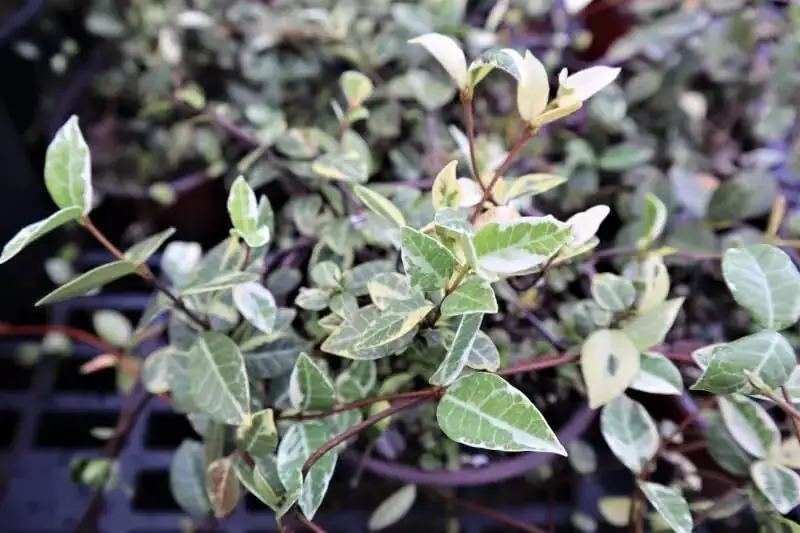
If you’ve fallen for the cream‑edged leaves of Variegated Star Jasmine (Trachelospermum asiaticum ‘Variegatum’) and you’re dreaming of those small, starry, fragrant white flowers indoors—good news: you can nudge the odds in your favor. This cultivar is famously generous with foliage and a bit shy with blooms under a roof. But with brighter exposures, cozy-warm temperatures, and a smart feeding plan, you can set the stage for summer flowers.
Meet the plant (and its blooming personality)
- What it is: An evergreen, twining/trailing vine in the Apocynaceae family, prized for glossy green leaves boldly patterned in cream/white.
- Habit: Easy to train on a small trellis, to trail from a pot or basket, or even to grow in water culture.
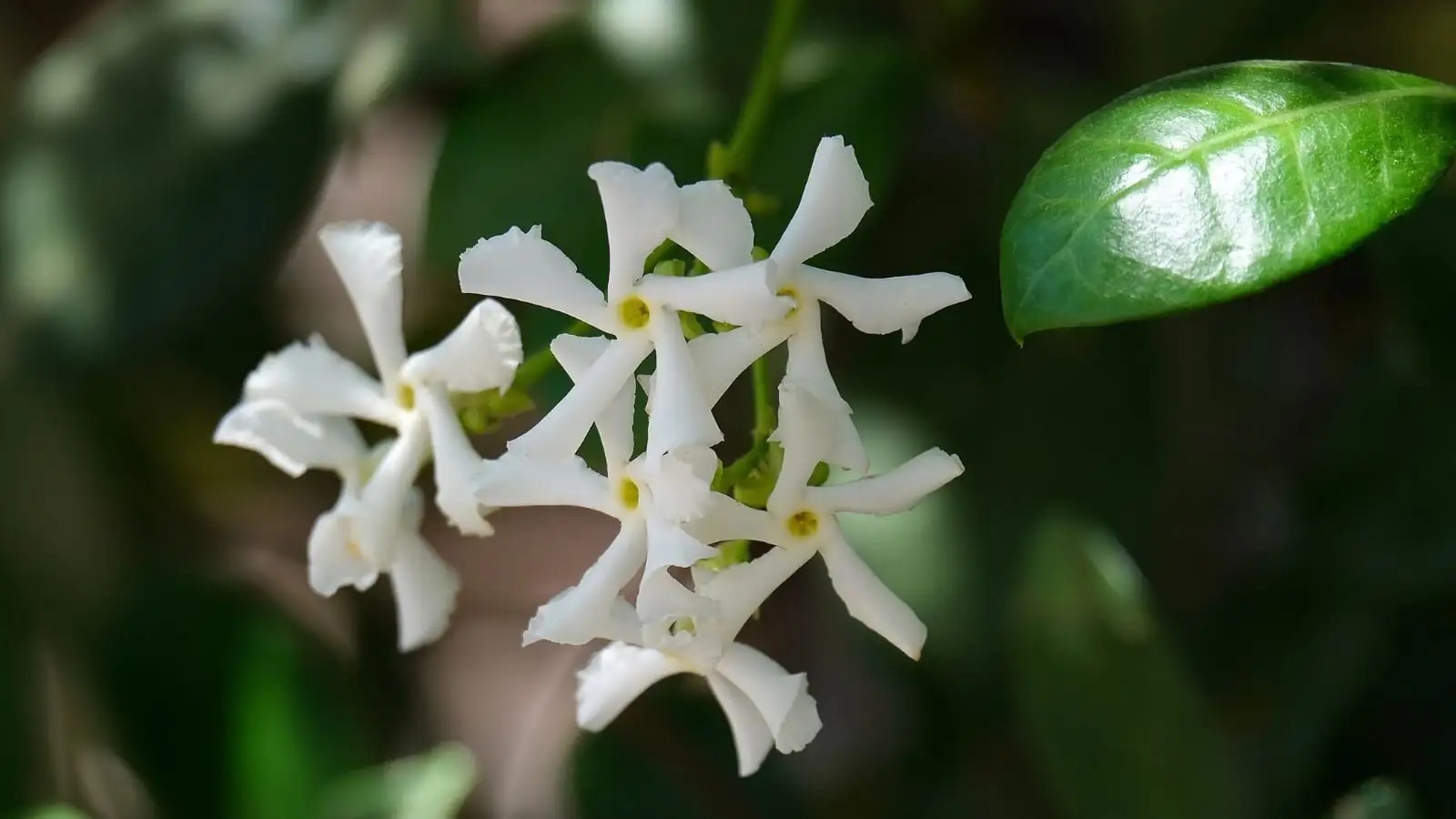
- Flowers: Small, white, star-shaped, sweetly fragrant—most often in summer. Indoors, blooming is less reliable than outdoors.
- Why blooms can be scarce inside: Variegation means less chlorophyll than all-green forms, so it needs extra light to build the energy reserves that power flowering. Cool, dim rooms also dampen bloom potential.
Below are evidence-based tactics that tilt the equation toward blossoms.
Light: the non-negotiable bloom driver
Bright light to sun is the single best lever you can pull.
- Best indoor exposures
- East- or south-facing windows are ideal. Aim for bright, direct morning sun and very bright indirect light the rest of the day.
- If your south window is blazing hot in midsummer, pull the plant 30–60 cm (1–2 ft) back from the glass or use sheer curtains to soften it.
- Why it matters
- Variegated foliage carries less chlorophyll, so the plant needs more light to produce the carbohydrates that fuel flower formation.
- Grow light assist
- If your windows are weak or winter is long, supplement with LED grow lights 12–14 hours daily to boost the daily light total.
- Seasonal caution
- Avoid harsh sun when temperatures are low: strong light + cold can dull variegation and increase the risk of wilting/leaf drop.
Pro tip: Rotate the pot weekly so all sides get time in the sun; even lighting encourages balanced growth and more potential flowering spurs.

Warmth: keep it in the performance zone
This jasmine’s “let’s-flower” comfort zone is warm.
- Target temperatures
- Best growth: 20–25°C (68–77°F).
- Winter minimum: keep above 10°C (50°F) to reduce leaf drop; prolonged cold often causes defoliation.
- Placement pointers
- Keep it out of cold drafts and away from chilly windowpanes in winter.
- A bright, airy spot with good airflow is perfect; stagnant, cold, damp corners are not.
- Why warmth matters
- Flower initiation and development are energy-intensive; cool roots and cool nights slow metabolism and delay or prevent budding.
Feeding for flowers: build, then boost
A steady base feed with a late-spring “bloom bump” increases your chances.
- Baseline nutrition
- During active growth, feed about once per month with a balanced, high-quality houseplant fertilizer.
- Bloom-targeted feeds
- Add 1–2 extra feeds higher in phosphorus and potassium (or a bloom fertilizer) before summer. These “bloom boosts” support bud initiation and flower development.
- Practical schedule
- Mid–late spring: give your first bloom-leaning feed.
- Early summer: repeat once more if growth is strong.
- Don’t overdo nitrogen
- Excess nitrogen can push lush foliage at the expense of flowers. Keep it balanced.
- Water-culture note
- If growing in water, use a complete nutrient solution and refresh regularly. For first-time bloom attempts, soil culture is often simpler to manage for warmth and nutrition.
Watering: fuel growth without drowning roots
Consistent moisture during active growth, then ease up as days shorten.
- Growing season
- Keep the potting mix evenly moist but never soggy. Let the top layer start to dry between waterings.
- Autumn and winter
- Reduce watering and keep the plant slightly drier. Cold + wet soil is the classic trigger for yellowing and leaf drop.
- After repotting
- Water lightly at first and mist occasionally; let the roots settle before resuming normal watering.
Potting mix and repotting: airy and well-drained wins
- Use a rich, loose, well‑drained potting mix (a quality all‑purpose blend with extra perlite or fine bark works well).
- Repot every ~2 years in spring, moving up just one pot size to avoid chronically damp soil.
- For a fuller look, many growers plant three young plants in one 15–20 cm (6–8 in) pot.
Training and pruning: grow structure now, set buds later
- Support early
- Add a small trellis or hoop when new shoots reach about 30 cm (12 in), and gently twine stems onto it.
- Pinch to branch—then pause
- Pinch tips to encourage bushiness in spring, but stop tip‑pinching several weeks before summer so you don’t remove potential flowering points.
- Thin and tidy
- Remove congested growth for airflow and shape. Promptly prune any all‑green reverted shoots to preserve variegation.
A simple 8–10 week pre‑summer bloom plan
- Week 0 (late spring)
- If needed, repot into a fresh, well‑drained mix. Move the plant to its brightest east/south window.
- Weeks 1–4
- Maintain 20–25°C (68–77°F). Keep evenly moist. Feed once with a balanced fertilizer. Finish any structural pruning by the end of this period.
- Week 4
- Apply your first bloom‑leaning feed (higher P + K). Stop tip‑pinching from here on.
- Weeks 5–8
- Keep the light bright and temperatures warm. Water when the top of the mix starts to dry. Watch for spider mites if indoor air is dry.
- Week 8–10
- Give a second bloom‑leaning feed if growth is strong. Stay the course with bright light and warmth.
No indoor setup can guarantee flowers every year—but this regimen maximizes your odds.
Troubleshooting yellowing leaves, sparse growth, or no blooms
- Yellow leaves dropping
- Most common cause: low light or the winter combo of cold + overwatering.
- Fix: move brighter and warmer (ideally above 10°C/50°F); let the mix dry a bit more between winter waterings.
- Few or no flowers
- Typical reasons: insufficient light, cool temperatures, or recent heavy pruning removing potential bud sites. Increase light, keep warm, and avoid tip‑pinching close to summer.
- Pests and disease
- Spider mites thrive in dry indoor air: raise humidity moderately, rinse foliage, treat with insecticidal soap/horticultural oil if needed.
- Leaf spot: improve airflow, avoid wetting leaves late in the day, remove affected foliage; if necessary, use a broad‑spectrum fungicide labeled for ornamentals.
Humidity and airflow: moderate and moving
- Prefers moderate humidity. Occasional misting is fine—pair it with good airflow.
- Avoid stagnant, overly humid corners to reduce leaf spot risk.
Water culture: sleek look, mindful care
- Variegated Star Jasmine is popular in minimalist water-culture displays.
- For best results: top up and change water regularly, use a suitable nutrient solution, keep the site bright and warm, and ensure good oxygenation at the roots.
- If your top priority is flowering, a well‑drained potting mix is often easier for dialing in moisture and nutrition indoors.
Propagation and rejuvenation
- Cuttings: In early summer, take 10–12 cm (4–5 in) semi‑ripe tip cuttings, keep 3–4 top leaves, remove lower leaves, and root in moist sand/gritty mix; roots form in about 3–4 weeks. Stems also root readily in water.
- Layering: Pin a long stem down in spring/summer to root, then sever.
- Rejuvenation: Older potted plants (about 3–4 years) can be cut back hard to refresh growth.
Safety note
Specific toxicity data for this cultivar is not consistently documented. As a precaution, prevent pets and children from chewing the plant and seek advice if ingestion or irritation occurs.
Symbolism and “flower language”
Evergreen, twining, and quietly dependable, this jasmine is often associated with steadfastness and loyalty. As with much “flower language,” these meanings emerge from cultural traditions—its always‑green leaves and clinging habit read as commitment and constancy—rather than any botanical rule. Enjoy the sentiment, but let your plant’s health, not its folklore, guide your care.
Quick care recap for indoor blooms
- Light: East/south window; as bright as you can provide without cold stress. Consider grow lights in winter.
- Temperature: Aim for 20–25°C (68–77°F); keep above 10°C (50°F) in winter.
- Feeding: Monthly in growth; add 1–2 bloom‑leaning feeds before summer.
- Watering: Evenly moist in growth; slightly drier in winter; never soggy.
- Pruning: Train early, pinch for bushiness in spring, then stop pinching several weeks before summer.
- Potting mix: Rich, loose, well‑drained; repot every ~2 years in spring.
Lean into bright light, cozy warmth, and a well‑timed bloom feed, and your Variegated Star Jasmine will be poised to perfume your summer room with those elusive little stars.