

If you’ve ever eyed the high-gloss, hot-pink-to-burgundy leaves of a Ti plant and thought, “Could I ditch the soil and go semi-hydro?”—this one’s for you. I ran a two‑month, side‑by‑side experiment with Cordyline fruticosa (aka Ti Plant, Good Luck Plant, Hawaiian Ti), comparing full water culture to semi-hydroponics with LECA. The goal: dial in setup, moisture management, and a nutrient plan—and watch how both leaf color and roots respond.
Here’s what worked, what didn’t, and how to make Ti’s island colors pop without drowning the roots.
Meet the Plant and the Hypothesis
Cordyline fruticosa is a warmth-loving, cane-forming tropical with a crown of strap-like leaves in dazzling greens, reds, pinks, and variegation. Indoors it’s happiest in bright, filtered light with steady, light moisture and good drainage. It dislikes being waterlogged—but can be grown in water with the right oxygen and hygiene.
Hypothesis: With careful oxygen and nutrient management, a Ti plant cutting can root and grow in both pure water and LECA-based semi-hydro. Leaf color should hold or intensify under bright indirect light if potassium is adequate and nitrogen isn’t pushed too hard.
Environment for both setups:
- Light: Bright, filtered light near a south window with a sheer curtain (no harsh midday sun).
- Temperature: 20–25°C (68–77°F).
- Humidity: ~50–60%.
- Airflow: Gentle, to discourage leaf spot.
The Experimental Setup
Two fresh, healthy tip cuttings (12–15 cm long) taken early summer, each with 5–6 leaves (lower leaves shortened by half to reduce transpiration). Both were sanitized at the cut with clean tools.
- Water culture: Opaque glass jar, dechlorinated water, node submerged.
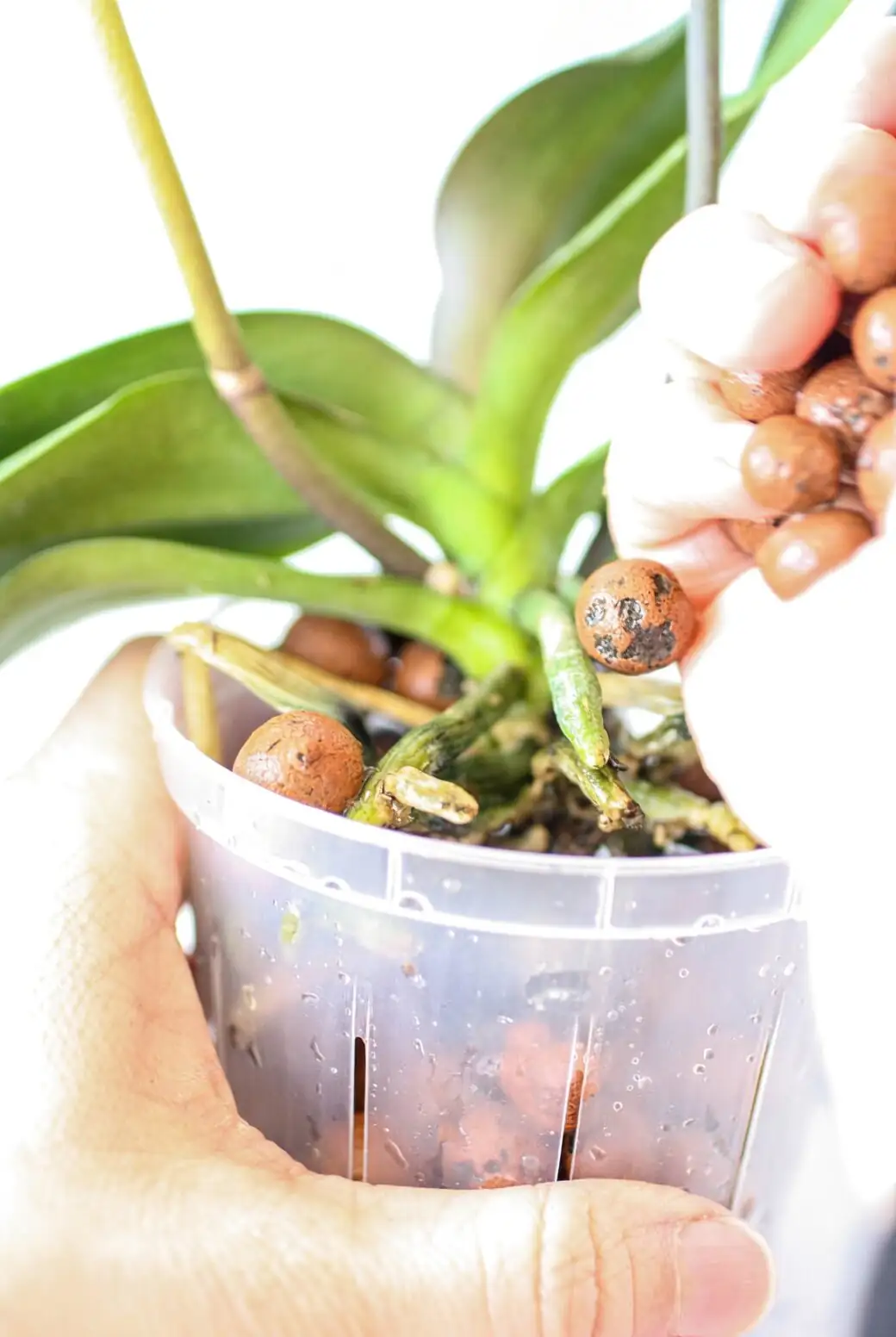
- Semi-hydro with LECA: Rinsed and soaked LECA in a net pot set inside a cachepot with a small reservoir.
I kept them side-by-side to control for light and temperature. No fertilizer until roots appeared.
Preparing the Cuttings (Quick Method)
- Make a clean cut just below a node.
- Remove any leaf bases that would sit below water or the LECA surface.
- Optionally dust the cut with rooting hormone (not essential but can speed callusing).
- For the first 48 hours, keep warm and bright but not hot.
Setup Details That Mattered
Water Culture: Simple Jar, High Oxygen
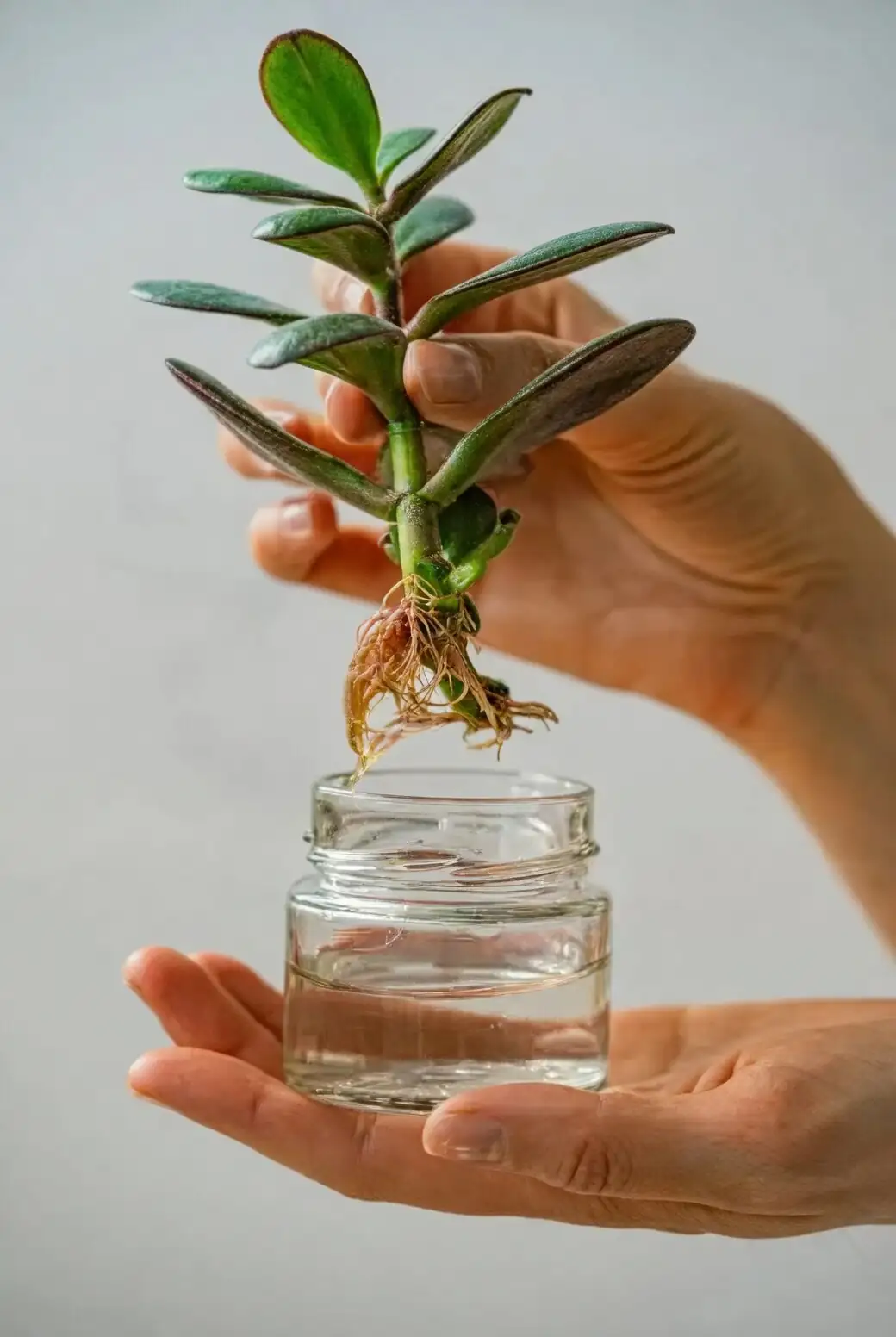
- Vessel: Opaque or wrapped to block algae.
- Water level: Submerge the lowest node by ~1–2 cm, keep some stem above water for gas exchange.
- Water changes: Twice weekly at first, then weekly. Clean the glass each change.
- Optional: A tiny airstone increases oxygen and reduces rot risk.
- pH target: 5.8–6.2 ideal if you’re adjusting; otherwise keep water fresh and stable.
Moisture management rule: “Clean and thin.” Clean water, thin nutrient levels, frequent refreshes.
Semi-Hydro with LECA: Wicking, Air, and a Modest Reservoir
- Pre-soak LECA 24 hours; rinse until runoff is clear. Pre-charge in weak nutrient solution once roots exist.
- Pot: Net pot or slotted cup inside a sleeve/cachepot. Aim for a 10–20% pot-height reservoir.
- Planting: Seat the cutting so its node is snug within the moist LECA “wicking line,” not buried deep.
- Dome: A loose plastic humidity cover for the first 7–10 days helps prevent leaf wilt (vent daily).
- Flushing: Every 2 weeks, pour through clean water to prevent salt build-up.
Moisture management rule: Keep the reservoir below the crown, let the top 2–3 cm of LECA stay airy.
The Nutrient Plan (Weeks 0–8)
- Weeks 0–2: No fertilizer—just clean water (water culture) or clean water in the reservoir (LECA).
- Weeks 3–4: Introduce a balanced hydroponic fertilizer at 1/8–1/4 strength. Keep K adequate; avoid heavy nitrogen which can mute variegation.
- Target EC: ~0.4–0.6 mS/cm (if measuring).
- pH: 5.8–6.2 (optional but helpful).
- Weeks 5–8: Increase to 1/2 strength if growth is active and leaf edges are clean.
- Target EC: ~0.8–1.0 mS/cm.
- Water culture: Refresh solution weekly.
- LECA: Top up with dilute solution as the reservoir drops; full flush every 2 weeks.
Tip: If using very soft/RO water, include a small dose of Ca/Mg to prevent weak new growth. Pause or reduce feeding in cool, low-light months when growth slows.
The Two-Month Diary: What Changed and When
Week 1
- Water culture: Small white root nubs formed at the submerged node. Leaves stayed turgid with only minor midday droop. No feed yet—just pristine water.
- LECA: Callus formed; moisture at the node felt evenly damp, not soggy. A light dome prevented leaf wilt.
Notes: Keep both setups warm. Any chill below ~10°C (50°F) risks leaf edge damage.
Week 2
- Water culture: Roots extended to ~0.5–1 cm, hairlike and bright white. Switched to weekly water changes plus a midweek top-up.
- LECA: First exploratory roots threaded into the LECA, slightly thicker than the water roots. Removed humidity dome.
Color watch: No fading; bright, filtered light maintained. Intense sun remained filtered to prevent scorch.
Weeks 3–4
- Began feeding at 1/4 strength.
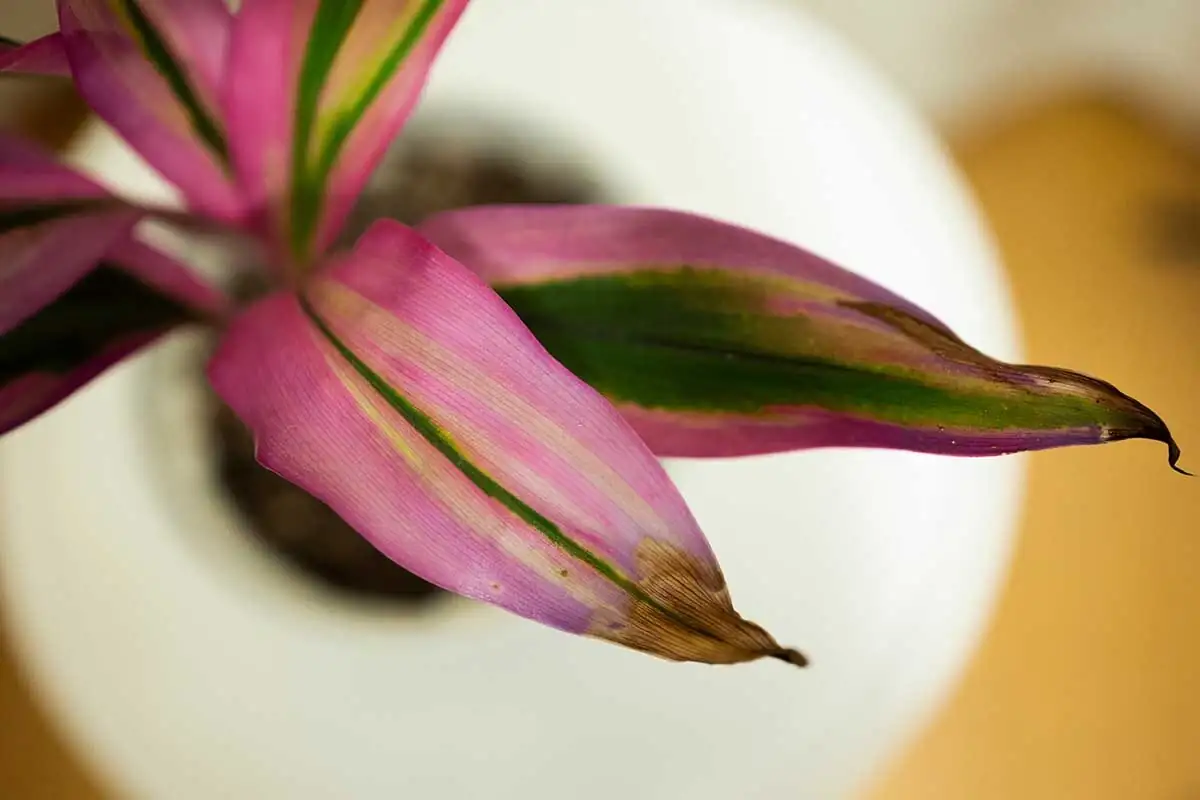
- Water culture: Root mass expanded quickly, very fine and feathery. One leaf showed faint yellow tipping after a warm spell—likely a combo of higher solution strength and warm, low-oxygen water. Remedy: lowered feed EC slightly and refreshed more often.
- LECA: Roots hugged the wicking line—pearl white with blunt, healthy tips. New leaf rolled out with sharper pink veining and no edge burn.
Color watch: New leaves showed clearer variegation with good potassium. Avoid pushing nitrogen; aim for balanced foliage feed.
Weeks 5–6
- Ramped to 1/2 strength nutrients.
- Water culture: Top growth quickened; however, the fine roots proved delicate during water changes. Any tugging risked breakage. No algae thanks to opaque jar and weekly cleaning.
- LECA: Root network thickened in the lower third of the pot, branching at the reservoir interface. Moisture stayed consistent, and the top LECA layer remained dry to the touch—no fungus gnat issues.
Color watch: Reds and pinks held strong. Lower, older leaves naturally yellowed and dropped, which is normal as stems lengthen.
Weeks 7–8
- Water culture: Vigorous but maintenance-heavy. The plant looked great, yet required strict hygiene: frequent refreshes and careful handling to protect fragile water roots. Any lapse led to a slight “pond” smell—fixed with immediate change and a rinse. A tiny pinch of 3% hydrogen peroxide (1–2 mL per liter) at changes helped if biofilm appeared.
- LECA: Steady, low-drama growth. Leaves crisp, edges clean, and color saturated. Moisture line stayed predictable; flushing kept salts in check.
Final snapshot:
- Water culture delivered faster initial rooting and visible progress, ideal for propagation and short-term display.
- LECA delivered thicker, more resilient roots and steadier foliage quality with less fuss—better for the long run.
Moisture Management: The Make-or-Break
- Signs you’re too wet:
- Yellowing or browning tips, sour smell, limp new growth.
- Fix: Lower the reservoir, refresh water, increase airflow, and keep nutrients mild.
- Signs you’re too dry (for cuttings):
- Persistent midday wilt, stalled rooting.
- Fix: Ensure the node stays in the moist zone; use a temporary humidity dome.
Remember: Ti plants like consistent, light moisture—but they’re sensitive to waterlogging. Oxygen is your co-pilot.
Troubleshooting Cheat Sheet
- Leaf color fading:
- Causes: Insufficient light, too much nitrogen, or tired/worn substrate.
- Fix: Brighter filtered light, balanced feed with adequate K, refresh LECA with a flush; for pot-grown plants, repot into fresh, free-draining mix.
- Brown edges or spots:
- Causes: Harsh sun, cold drafts, or chronically wet foliage.
- Fix: Filter midday sun, keep warm, improve airflow, avoid splashing leaves.
- Rot starting in water culture:
- Signs: Mushy roots, off-odor.
- Fix: Trim to healthy tissue, disinfect vessel, refresh with clean water; optionally add a small dose of H2O2 at change and increase change frequency.
- Pests (especially scale):
- Action: Isolate, wipe or spray with horticultural oil/insecticidal soap, repeat as needed.
Results and Recommendations
- Best for propagation and plant-watchers: Water culture. It’s visually satisfying and fast. Just commit to immaculate water changes and gentle handling.
- Best for everyday growers and long-term indoor display: Semi-hydro with LECA. It gives you that “evenly moist, never soggy” sweet spot Ti loves, with stable color and stout roots.
Either way, keep it warm (above 5°C/41°F at minimum, ideally 20–25°C indoors), in bright, filtered light. In active growth (roughly May–September), feed modestly and consistently; ease off in winter when growth slows.
Cultural Note: “Good Luck Plant,” Beyond Flower Language
Across the Pacific—famously in Hawai‘i—Ti holds a long tradition as a plant of protection and good fortune. Its leaves are used decoratively and in cultural practices, so the “good luck” label isn’t just a floral metaphor; it reflects lived tradition. Indoors, it brings those island vibes through foliage rather than flowers, which are uncommon in home conditions.
Quick Start Checklist (Semi-Hydro with LECA)
- Bright, filtered light; warm room (20–25°C); ~50–60% humidity.
- Pre-soaked, rinsed LECA; net pot with 10–20% reservoir.
- Seat node at the moist wicking line; keep crown above wet zone.
- No feed until 2–3 cm roots; then start light, balanced nutrients with good K.
- Flush every 2 weeks; keep the top LECA layer airy and dry to the touch.
Safety and Placement Notes
- Pet caution: Potentially toxic if chewed by cats or dogs—place out of reach.
- Avoid cold drafts and harsh midday sun. Indoors, a bright east exposure or a south window with a sheer curtain is ideal.
Bottom line: Ti can absolutely thrive beyond soil. Give it oxygen, a gentle nutrient hand, and the right light, and you’ll have a fountain of tropical color—no beach required.