

Picture this: it’s midwinter, the house feels flat, and in walks a Belgian/European florist azalea, the Rhododendron Simsii Group—glossy, evergreen, and smothered in buds. It’s an instant mood-lifter. But what happens after the show? Can you pop it in the ground like any old yard azalea? Here’s the myth-busting truth: most florist azaleas are not the same as landscape workhorses. Hardiness is the catch—and getting it right is the difference between a one-season fling and a long, happy relationship.
Meet the Belgian Azalea (Rhododendron Simsii Group)
- Also sold as: Florist Azalea, Florist’s Azalea, Ever-blooming Azalea, “Indian Azalea,” and often, simply “Rhododendron indica” on retail tags.
- What it really is: A European-bred greenhouse hybrid group built for pot culture and massed winter-to-spring blooms. Compact, evergreen, and dense.
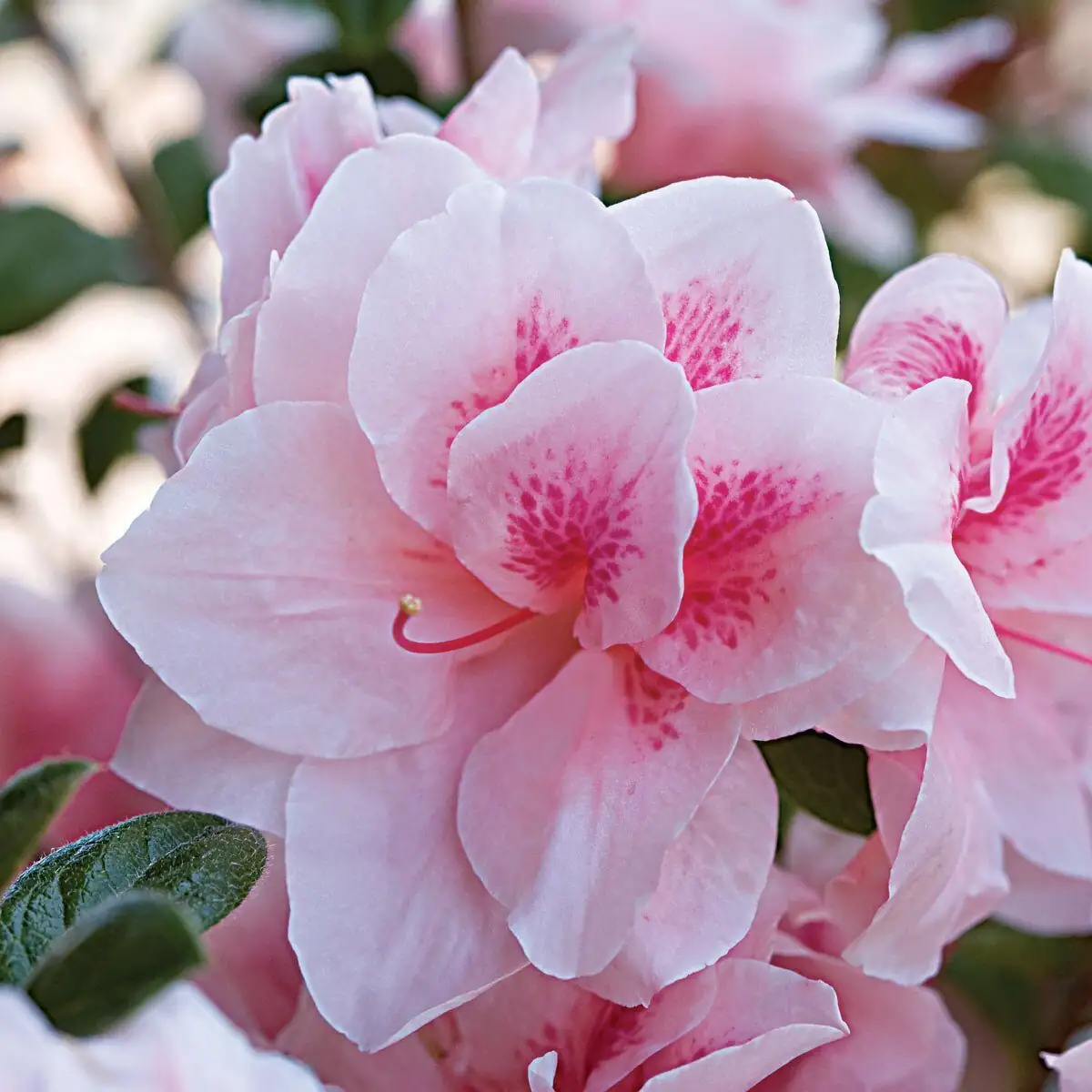
- Looks: Glossy, deep-green leaves; clusters of funnel-shaped flowers in pinks, reds, whites, and bicolors (single to ruffled forms).
- Size in pots: Typically 30–60 cm tall and wide (12–24 in); many gift plants are 30–40 cm tall in 15–20 cm (6–8 in) pots.
- Bloom time: Mostly winter to spring. With excellent care indoors, some rebloom 2–3 times a year.
Note on names: “Rhododendron indica” commonly appears on florist tags, but most gift azaleas in this category belong to the Rhododendron Simsii Group—florist-focused hybrids rather than a single wild species.
Hardiness Myth-Busting: What Florist Azaleas Are—and Aren’t
- They are not universally hardy landscape azaleas. Many florist azaleas are frost-tender compared to garden varieties.
- Zone claims vary because cultivars vary. Realistically, some can cope outdoors only in mild regions—roughly USDA Zones 8–11 (often cited as 8–10). Freezing temperatures can damage buds, scorch leaves, and even kill plants.
- Unless you know your specific cultivar is landscape-hardy, treat florist azaleas as container plants you can move to safety.
A Zone-by-Zone Reality Check
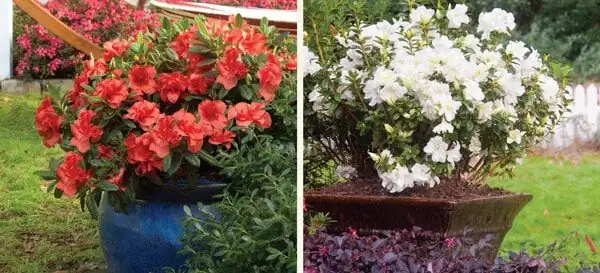
- Zones 9–10/11 (mild winter areas): Many florist azaleas can live outdoors year-round in bright shade or morning sun. Still protect from radiational frosts and cold snaps—buds are easily nipped.
- Zone 8: Possible outdoors all year in a sheltered microclimate, but keep it containerized so you can whisk it under cover when frost is forecast.
- Zones 6–7: Enjoy outside from spring through early autumn, then overwinter frost-free. Think bright, cool indoor spots—above 10°C/50°F—with good airflow.
- Zone 5 and colder: Treat strictly as a houseplant or as a seasonal container that overwinters indoors in a cool, bright, frost-free environment.
Microclimates That Help (and Ones That Hurt)
Helpful
- East- or north-facing bright shade, or morning sun with midday protection.
- A sheltered alcove, under wide eaves, or near thermal mass (brick/stone) that buffers temperature swings.
- Courtyards and wind-sheltered patios that avoid radiational frost and drying winter winds.
Harmful
- Frost pockets at the bottom of slopes.
- Exposed, windy corners.
- Hot, west-facing walls in summer (stress = mites and leaf drop).
- Full afternoon sun in warm climates (leaf scorch and shortened bloom).
Tip: On nights with a clear sky and light wind (classic frost nights), even Zone 9 plants benefit from a move under a porch roof or a quick cover with frost cloth.
Smart Container Overwintering (The No-Drama Method)
- Timing: Bring the plant in before the first frost warning. Don’t wait for a “test” night—buds dislike experiments.
- The winter spot: Bright, cool, and above 10°C/50°F. Ideal is a bright east window in a cool room, an enclosed porch that stays frost-free, or a well-lit, unheated sunroom away from heater blasts.
- Light and airflow: Bright light without harsh midday sun. Provide gentle air movement, but no cold drafts.
- Watering rhythm: Keep the rootball consistently moist, never soggy. In cool rooms, that often means lighter, more frequent sips rather than heavy soaks. Never let the rootball go bone-dry, and never let the pot stand in water.
- Humidity: Aim for 50%+. Use a pebble tray or light evening misting in warm spells (avoid leaving foliage wet overnight in very cool rooms).
- Insulation for “borderline” spaces: Group pots together, mulch the soil surface, and wrap the container (not the foliage) with a breathable insulating layer if your spot dances close to chilly. If a space ever drops toward freezing, move the plant—florist azaleas are frost-tender.
Care that Makes Blooms Last (and Come Back)
Light, Temperature, and Placement
- Light: Bright light with gentle sun; morning sun from an east window is ideal. Outdoors in mild weather, give bright shade or morning sun; protect from hot afternoon sun.
- Temperature: Cool-to-mild (about 12–25°C / 54–77°F). It shines in the mid-teens to low 20s °C; keep it above 10°C/50°F in winter and away from heaters or AC blasts.
Water and Soil
- Soil: Loose, airy, acidic (ericaceous) mix—peat/leaf mold-based with perlite or coarse sand. Excellent drainage is essential.
- Watering: Evenly moist, never soggy.
- Spring (after bloom/growth): roughly twice weekly, adjusting to drying rate.
- Summer: water well when the top 1–2 cm dries; boost humidity; avoid prolonged heat >30°C/86°F.
- Autumn: taper gradually, often 2–3 times per week depending on indoor climate.
- Winter (often bloom season): above 10°C indoors; steady moisture, commonly about weekly in cool rooms, or smaller sips more often.
Feeding and pH
- Feed lightly every 2 weeks in active growth with an azalea/rhododendron fertilizer. Avoid overfeeding—salt buildup burns fine roots.
- Yellowing leaves from alkaline water/soil? Switch to rainwater and consider chelated iron to correct chlorosis.
Pruning and Repotting
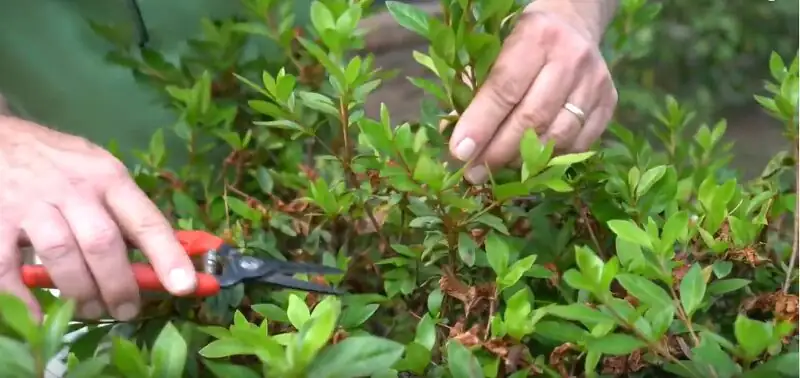
- Prune/pinch after flowering to keep a dense, rounded shape; remove leggy shoots and any dead or crowded twigs.
- Repot annually in spring or right after flowering. Handle gently—roots are brittle. Many plants stay happily in 15–20 cm (6–8 in) pots.
The Florist vs. Landscape Azalea Mix-Up
- Why the confusion? Retail tags often say “Rhododendron indica” or “Indian Azalea.” In practice, most winter gift azaleas are Simsii Group florist hybrids bred for greenhouse bloom, not for deep-winter garden survival.
- Bottom line: Unless you can trace your plant to a known hardy landscape line, keep it in a container and protect it from frost.
Troubleshooting the Big Three
- Sudden leaf drop, stippling, webbing? Likely spider mites thriving in hot, dry air. Move to a cooler, brighter spot, raise humidity, and treat early with insecticidal soap or horticultural oil.
- Buds falling before opening? Stress from warm, dry rooms, low light, stagnant air, or watering swings. Shift to bright, cool, and airy; water evenly. Keep away from ripening fruit (ethylene encourages bud/flower drop).
- Sooty mold or leaf spots? Improve airflow, avoid wetting leaves late in the day, remove badly affected leaves, and use an appropriate fungicide if needed.
Buying for a Long Show
- Choose a compact, well-branched plant with glossy, unblemished leaves and no webbing or sticky residue.
- For longest display: pick one loaded with plump buds and about 20% of flowers just opening.
- After purchase: give bright light and airflow right away, keep above 10°C/50°F, and don’t tuck it in a dim, stuffy corner.
Propagation for the Curious
- Semi-ripe cuttings (late spring–early summer): 12–15 cm long, lower leaves removed, a few retained at the tip. Root in a warm, humid, free-draining mix; expect ~8–10 weeks to root.
- Air-layering (spring): often roots in 4–5 months. Grafting is also used commercially.
Quick Safety Note
- Toxic if eaten (grayanotoxins). Keep away from children and pets.
Flower Language: Why This Azalea Makes Such a Good Gift
Florist azaleas have long been greenhouse darlings of European winters, gifted to bring color, care, and cheer when gardens sleep. Their “language” in modern gifting borrows from Victorian floriography and East Asian traditions: tender affection, elegance, the joy of love—and a gentle “take care of yourself.” It’s less a strict historical code than a warm cultural shorthand: a mass of blooms in the cold season stands for steadfast care when it’s needed most.
Fast FAQ: Hardiness Edition
- Can I plant my florist azalea in the ground? Only if you garden in a very mild climate and know your cultivar is hardy. Otherwise, grow it in a container so you can protect it from frost.
- Will it survive a “light frost”? Buds and foliage are easily damaged by freezing temperatures. When frost is forecast, move containers under cover or indoors to a cool, bright spot above 10°C/50°F.
- How big will it get? Typically 30–60 cm (12–24 in) tall and wide in pots, depending on cultivar and pruning.
The takeaway: Treat Belgian florist azaleas like the cool-season divas they are—acidic soil, bright gentle light, steady moisture, and a frost-free winter perch. If you garden in Zones 8–11 and can provide shelter, you may get away with outdoor life; otherwise, think containers and quick moves ahead of cold snaps. Do that, and your “florist” azalea can outlive the bouquet aisle by many, many winters.