

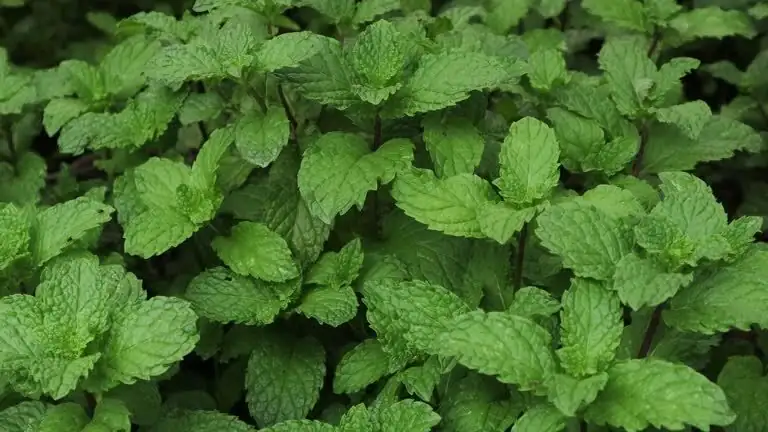
Peppermint is the plant equivalent of a multitool: irresistibly fragrant, quick to grow, generous to pollinators, and—when managed in a pot—well-behaved around your vegetables. This evidence-first guide shows where peppermint (Mentha × piperita) truly shines in companion planting, where deterrent claims are oversold, and exactly how to place and grow it so it boosts your garden without taking over.
Why peppermint belongs in a pollinator‑smart veg patch
- Nectar-rich summer flowers bring bees and butterflies. Peppermint’s pale pink‑to‑lavender blooms are small but steady, turning a pot into a reliable pit stop for pollinators right when many vegetables (tomatoes, cucurbits, beans) are flowering.
- Fragrant foliage offers habitat benefits. Those minty volatile compounds don’t just smell good to us; they help structure a diverse insect community—key for resilient, low-spray gardens.
- All the gain, none of the spread. In the ground, peppermint runs on vigorous rhizomes and can carpet a bed. In a container, it stays put and still does the work.
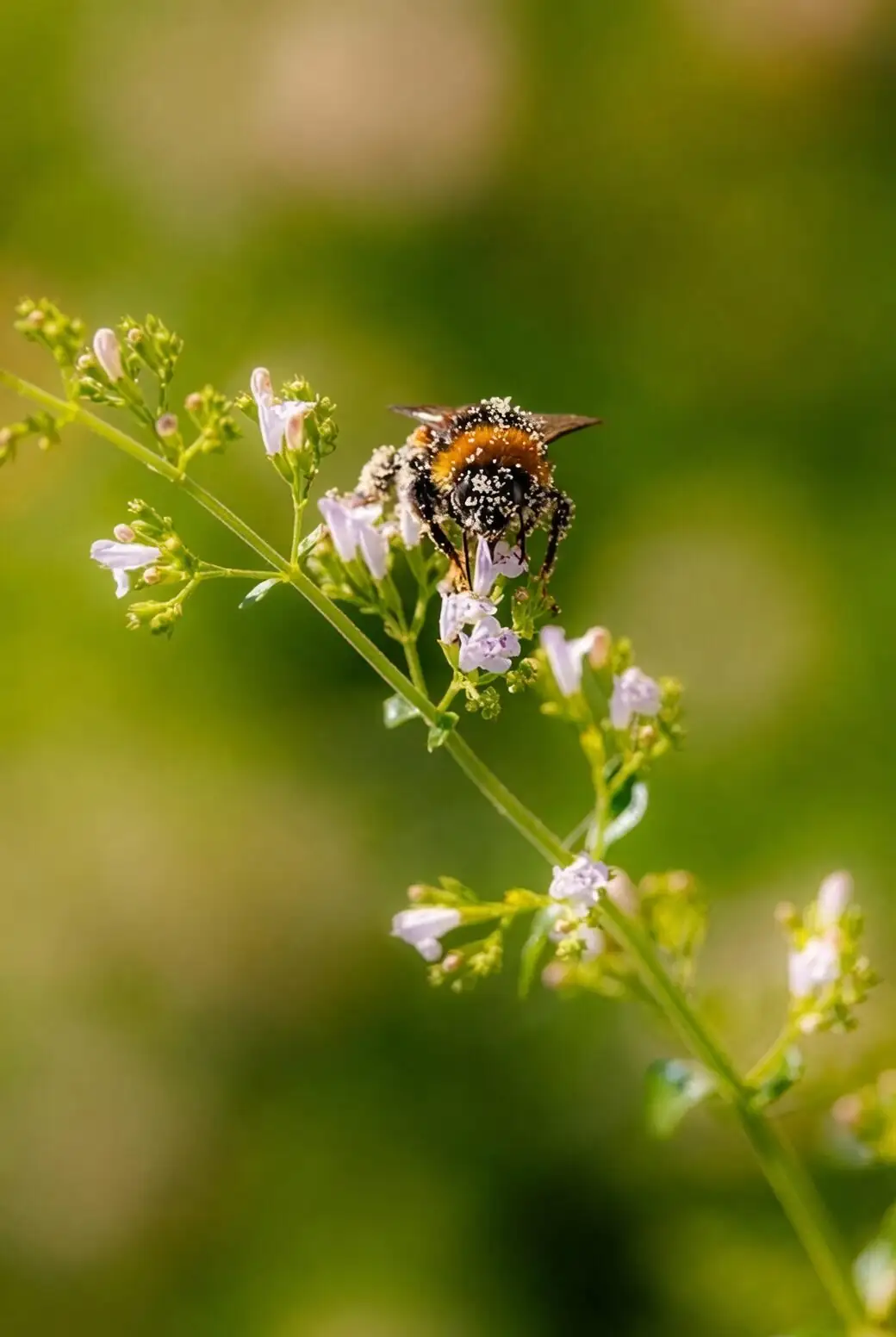
The evidence: what we know from field research
A 2021 field study in British Columbia (Frontiers in Sustainable Food Systems) intercropped peppermint with fruit crops and found:
- More pollinators and ground-dwelling beneficial insects in peppermint plantings than in conventional grass/clover intercrops.
- Lower infestation of the invasive fruit fly Drosophila suzukii (spotted-wing drosophila, a major pest of soft fruits) where peppermint was used as an intercrop.
Lab work has long shown peppermint essential oil can disrupt host-finding in some insects. The 2021 field work adds valuable real-world context: live peppermint plants, not just oils, can shift insect communities in ways that help crops.
Deterrent claims: where they hold up (and don’t)
Companion-planting lore is lively—and uneven. Here’s a clear-eyed take for peppermint.
Where claims have promising support
- Spotted-wing drosophila (SWD) around soft fruit: Peppermint volatiles can confuse or deter SWD in lab trials, and field intercropping has reduced oviposition in fruit baits. If you grow strawberries, raspberries, blueberries, or other soft fruit, positioning potted peppermint along rows or near containers is a reasonable, low-risk strategy.
Where evidence is mixed or weak
- General “bug repellent” for aphids, flea beetles, cabbage moths, mosquitoes, or rodents: Garden anecdotes abound, but rigorous field data are thin. Live plants release far less concentrated volatiles than essential oils, and wind, plant spacing, and crop odor all matter. Expect peppermint to support beneficial insects and pollination more reliably than to “wall off” pests.
- Deer and rabbit deterrence: Some gardeners report avoidance; others do not. Don’t rely on peppermint alone for browsing animals.
Bottom line for IPM
- Live plants can nudge insect behavior and bolster beneficials, but they won’t replace netting, targeted biological controls, sanitation, or varietal resistance. Think of peppermint as a habitat-builder and occasional disruptor—not a silver bullet.
Spread‑safe placements near veggies
Keep peppermint close enough to help, far enough not to run.
- Bed-edge pollinator anchors
- Place a 12–20 cm wide pot at each end of raised beds with flowering veg (tomatoes, peppers, cucurbits, beans). Leave 30–60 cm of open space for airflow.
- Berry helpers
- Line potted peppermint along the sunny side of strawberry or raspberry beds at 0.5–1.5 m intervals. This supports pollinator traffic and may help with SWD pressure.
- Pathway planters
- Dot containers along garden paths to create a “scent corridor” drawing pollinators through the plot.
- Patio or balcony near crops
- A sunny patio peppered with mint pots adjacent to container-grown tomatoes or cucumbers boosts nearby pollinator visits.
- Sink‑pot without escape
- If you want an in‑bed look, sink a pot into the soil but set it on a paver or saucer so rhizomes can’t exit through drainage holes. Alternatively, use a dedicated root barrier to contain rhizomes if growing in the ground.
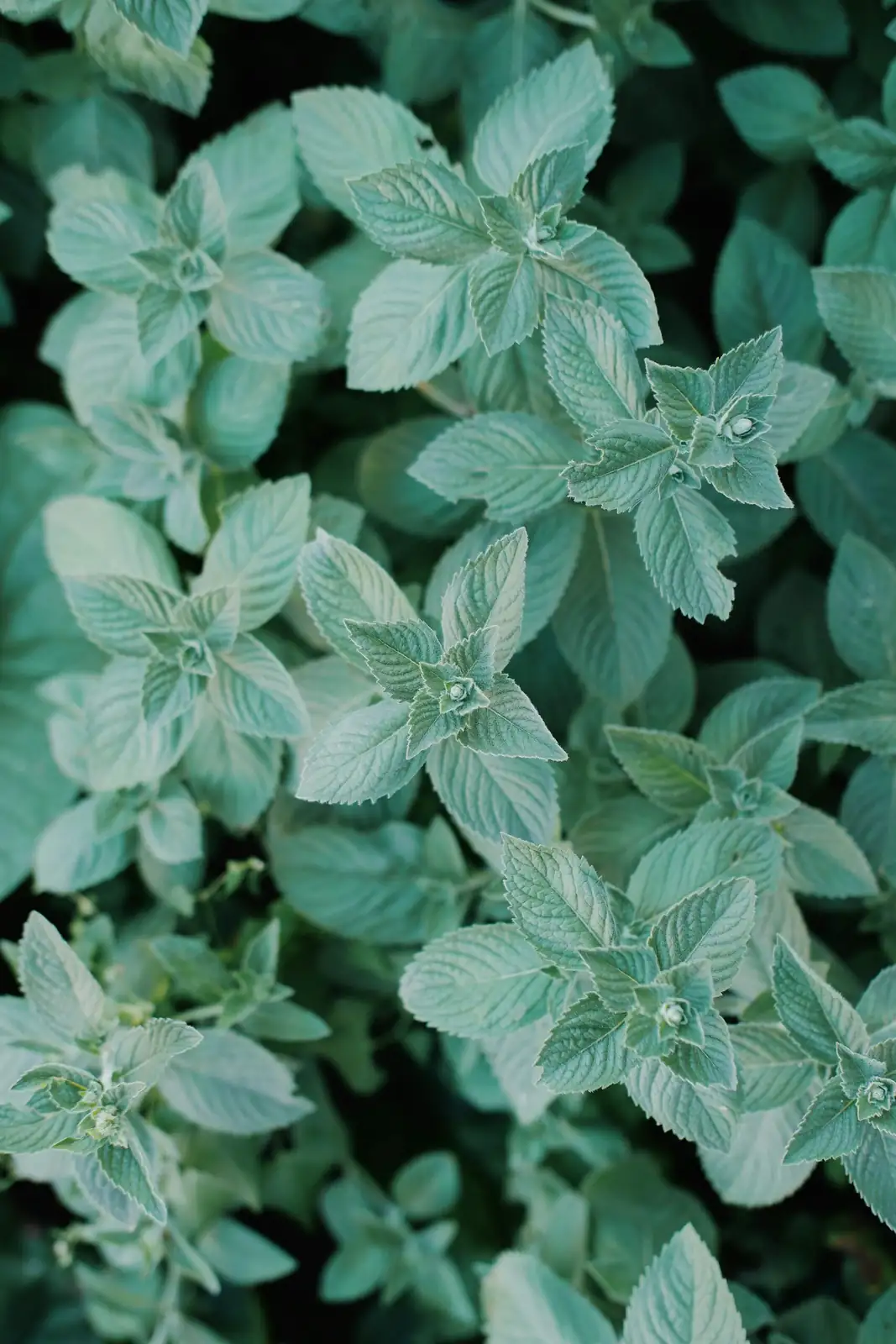
Pro tip: Avoid setting mint pots directly on bare soil—rhizomes can sneak out of drainage holes over time.
Container culture that powers flowers and aroma
Peppermint is famously easy, but a few details turn “good” into “thriving.”
Light and temperature
- Sun to partial shade; brightest light gives the best flavor and bloom.
- Grows best at 20–30°C (68–86°F). Foliage may be nipped by frost, but rhizomes typically survive down to about −15°C (5°F).
Pot and planting
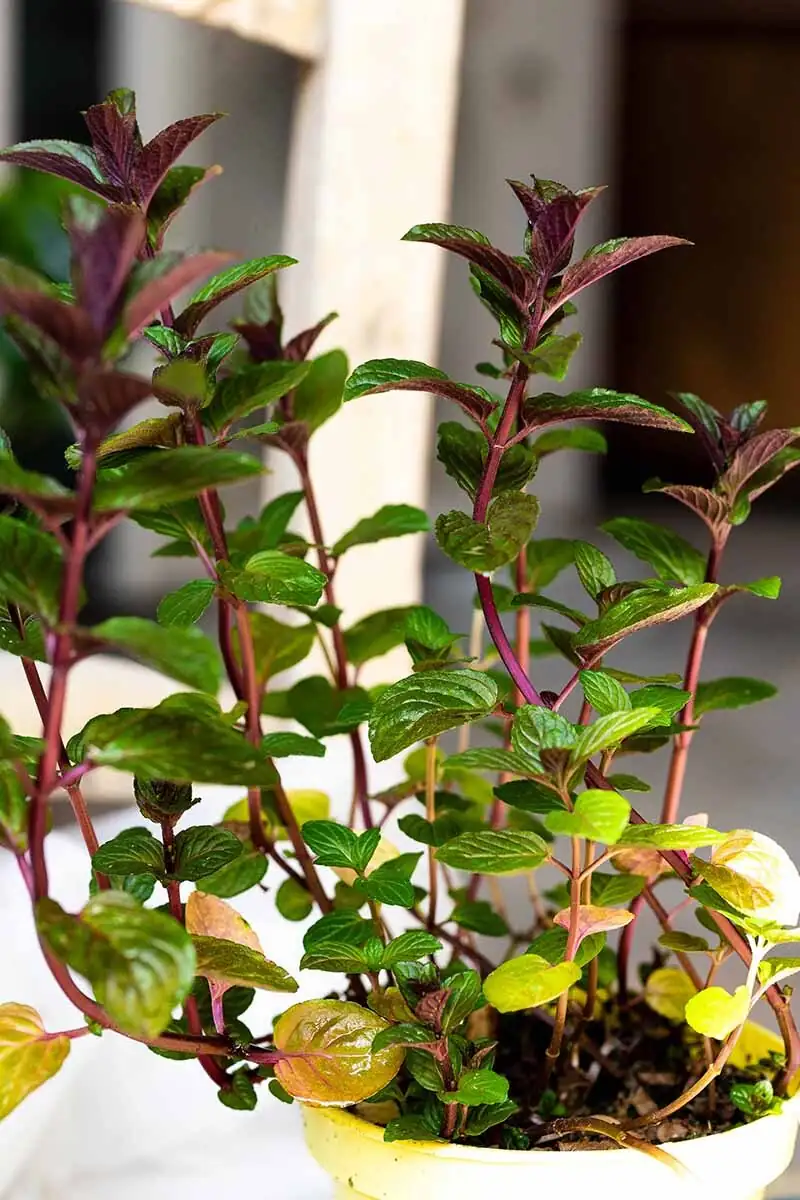
- A 12–15 cm (4.7–5.9 in) pot comfortably holds three young plants.
- Begin pinching when plants reach 15–20 cm (6–8 in) to encourage branching and a bushy habit.
- Use a rich, moisture-retentive yet well‑drained mix: loam-based potting soil with compost/leaf mold plus perlite or sand.
Water and feeding
- Keep evenly moist during active growth; don’t let pots bake dry.
- In hot, dry weather, light morning misting can reduce leaf stress.
- Feed every 2 weeks in the growing season; in peak summer you can use a diluted, well‑rotted liquid feed weekly. Stop feeding when top growth naturally slows.
Harvesting and pruning
- For leafy quality, harvest by cutting stems back, leaving about 10 cm (4 in) above soil. Plants resprout fast and can often be cut 3–4 times once established.
- To balance kitchen use and pollinator support, let a portion of your plants flower while keeping others in leafy, nonflowering mode with regular cuts.
Repotting and division
- Each March: lift the plant, shake off old soil, discard tired/weak rhizomes, and replant vigorous pieces in fresh mix. If crowded, divide into 2–3 pots. Lightly feed about a week after repotting.
Overwintering
- Generally hardy in temperate climates (often USDA Zone 5–9). For pots in very cold regions, overwinter in a sheltered spot around 10–12°C (50–54°F) and water sparingly—just enough to keep the root ball slightly moist.
Three ready-to-try peppermint “mini guilds”
- Berry row ends
- Potted peppermint + strawberries/raspberries + a low, continuous bloom like alyssum along the edge for extra nectar. Space mint pots every meter; keep foliage tidy for airflow.
- Cuke and squash patch edges
- Two to four peppermint pots flanking trellised cucumbers or the sunny side of a squash mound to pull in pollinators during the crucial flowering window.
- Patio salad box
- Lettuce and arugula planters backed by a peppermint pot and one pot of basil. You get fragrance, quick harvests, and steady insect visits without crowding roots.
Troubleshooting and safety
- Watch for powdery mildew, gray mold, rust, and leaf spots—especially in cool, damp spells. Improve airflow, water the soil (not late‑day foliage), and remove affected leaves promptly. Spring–summer caterpillars (e.g., cutworms/armyworms) may nibble; hand-pick or use locally approved controls as needed.
- Peppermint is generally non‑toxic as a culinary herb. Concentrated peppermint essential oil, however, can irritate skin and mucous membranes—keep essential oils away from children and pets.
- Avoid soggy soils in winter; water lightly if growth persists. Overwatering in the cold can rot rhizomes.
A note on symbolism
Across European and Asian traditions, mint has symbolized freshness, clarity, and hospitality—fitting for a plant that greets guests with clean scent and offers nectar to visiting pollinators. Flower “language” is a cultural construct, not a botanical one, but peppermint’s practical hospitality in the garden makes the symbolism ring true.
Fast FAQs
- Can peppermint be used as a groundcover?
- Yes—where soil stays reliably moist, it can form a fragrant, flowering carpet. Because it spreads via rhizomes, most gardeners confine it with containers or root barriers.
- What’s a simple way to use harvests?
- Beyond tea and mojitos, simmer fresh leaves to make a mint infusion and stir the strained liquid into rice porridge for a gentle, cooling dish.
Peppermint in a pot is small effort for big returns: richer pollinator traffic, a nudge against certain fruit pests, and armfuls of bright, cooling flavor—without a takeover bid in your beds.