

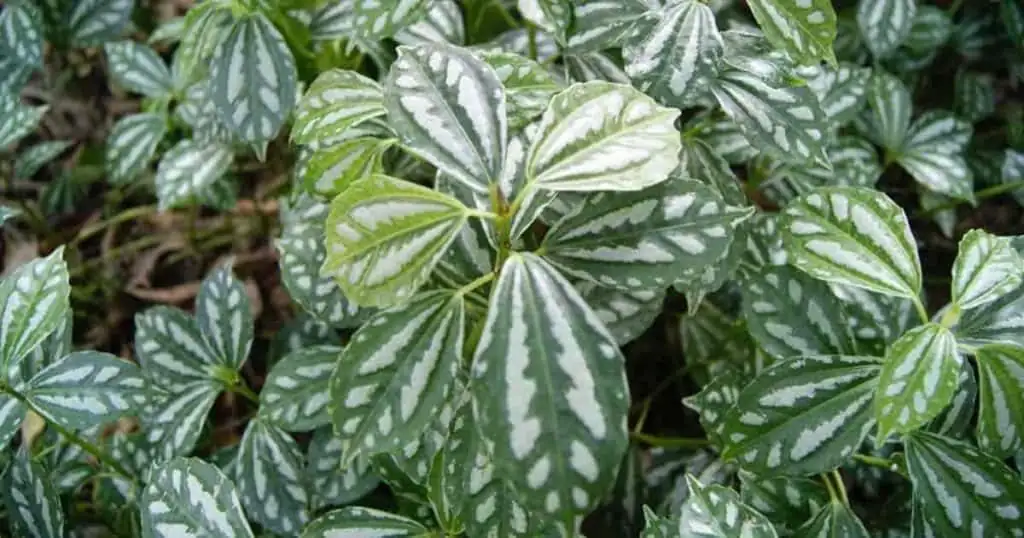
Think of Pilea cadierei—the aluminum plant—as living confetti for shade. Those deep-green leaves brushed with silver catch the light in the gentlest way, so beds and borders glow rather than glare. In truly warm, frost-free gardens this compact beauty becomes a glossy, low groundcover that reads as lush, tidy, and modern without trying too hard.
Below is a complete, boots-on-the-ground guide to using aluminum plant outdoors in frost-free zones: where to put it, how to prep the soil, how much to water, which pests to watch for, and clever ways to mix it with other shade stars.
Where aluminum plant shines outdoors
- Climate fit: Best outdoors year-round in very warm, frost-free regions (approximately USDA Zone 11–12). It is not frost hardy.
- Temperature sweet spot: 15–25°C (59–77°F). Problems can start around 8–10°C (46–50°F); below ~5°C (41°F), leaves may yellow and drop quickly.
- Growth habit: Forms a compact 20–30 cm (8–12 in) mound and, in the ground, can knit into a low, glossy patch in shade or filtered light.
Tip: Even in frost-free climates, choose mild, protected microclimates—courtyards, under light tree canopies, or along north/east-facing walls out of drying winds.
Light: the art of filtered shine
- Best light: Bright, filtered light or partial shade. Think “under a lacy canopy” or the dappled edge of a patio.
- What to avoid: Harsh midday sun. It can scorch and shrink leaves and dull the silver pattern.
- Too little light: The silver can fade, tips can brown, and stems may stretch or flop. If that happens, move to a brighter, screened position and pinch to regain density.
Practical check: If you can comfortably read a book without squinting in that spot at midday, it’s likely perfect.

Site selection and spacing
- Ideal spots
- Beneath high-branching palms or open-canopy trees that cast a moving, light shade.
- Along the sheltered sides of buildings, walls, or fences where morning light and bright ambient light prevail.
- Courtyards with reflected light, shielded from afternoon blast.
- Airflow: Gentle airflow is good; gusty wind edges are not. Still, stagnant pockets can invite leaf spot—balance is key.
- Spacing
- On-center spacing: 20–30 cm (8–12 in).
- For a fast, carpeted look: 20 cm (8 in).
- For a looser, naturalistic rhythm: 25–30 cm (10–12 in).
- Planning density: About 11–16 plants per square meter (1–1.5 per square foot).
Soil prep that keeps roots happy
- Texture: Loose, airy, and well-draining. Aluminum plant dislikes heavy, waterlogged soil.
- Bed-building recipe for in-ground planting
- 50–60% good garden loam or quality planting mix
- 20–30% coarse sand or perlite/pumice for drainage and airflow
- 20% composted organic matter for moisture retention and nutrients
- Elevation: In rainy or irrigated landscapes, consider a low mound or raised bed to prevent soggy feet.
Pro move: If your soil compacts easily, work in chunky perlite or pine bark fines—roots love the air pockets.
Planting and watering
- Planting steps
- Loosen the bed 15–20 cm (6–8 in) deep.
- Blend in drainage material and compost as above.
- Set plants so the root ball’s top is level with the soil surface; don’t bury stems.
- Water in thoroughly to settle soil around roots.
- Watering rhythm
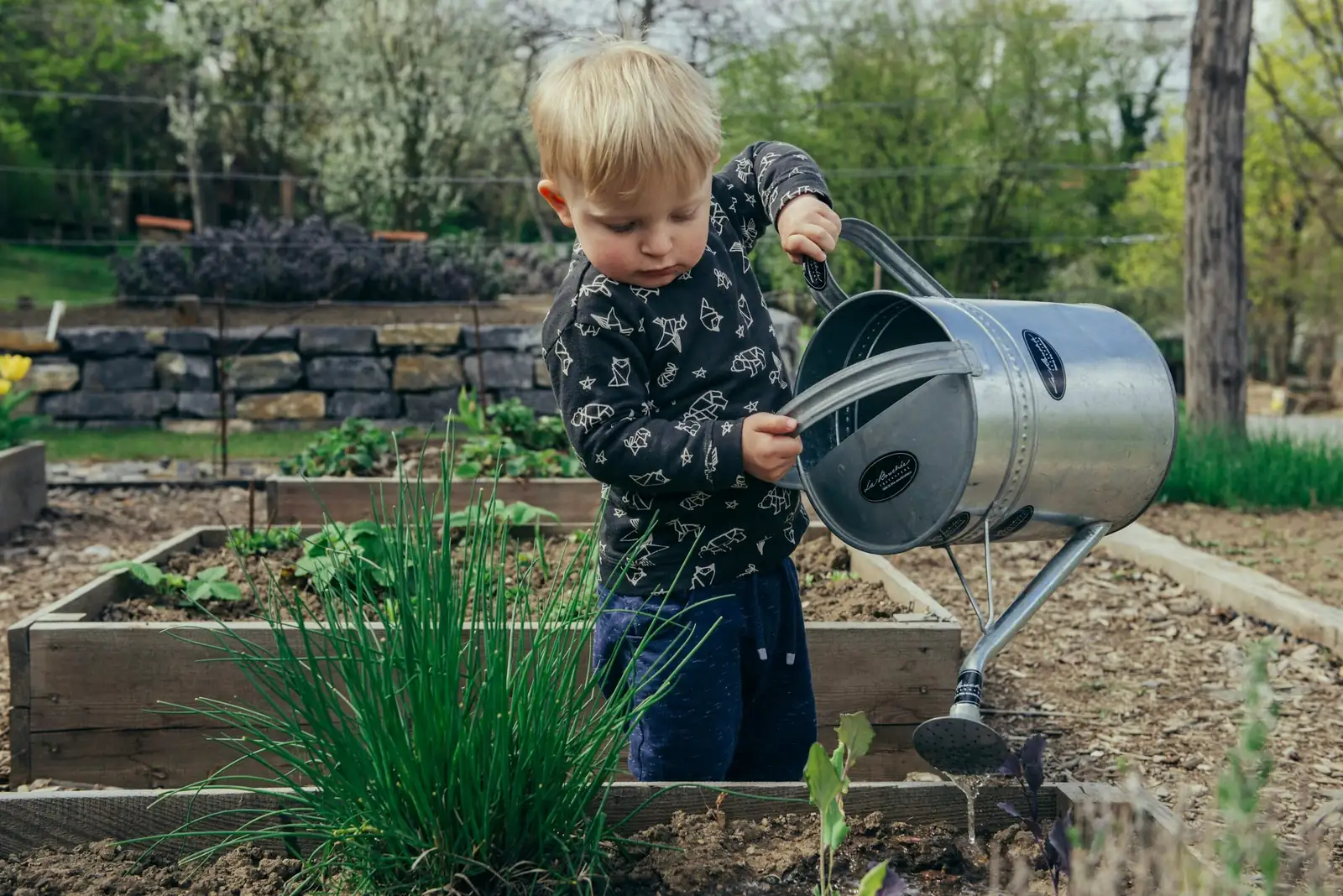
- Aim for “evenly moist, not wet.”
- Check often: Water when the top 1–2 cm (0.4–0.8 in) of soil just begins to dry.
- In heat waves: Increase frequency but keep amounts moderate—standing water invites root rot.
- In rainier spells: Ease up, especially in heavier soils.
- Mulch: A 2–3 cm (about 1 in) layer of fine bark or leaf mold helps buffer moisture without smothering stems. Keep mulch slightly back from crowns.
Irrigation tip: Low, slow drip is perfect. Overhead watering late in the day can linger on leaves and encourage leaf spot.
Feeding, lightly
- During active growth (spring through early fall): Apply a balanced liquid feed at label rate or half-strength about every 2 weeks. Alternatively, use a gentler, diluted organic feed roughly every 2 months from May–August.
- In slower seasons: Reduce to monthly or pause if growth eases.
- Avoid splashing fertilizer onto foliage.
Grooming and groundcover management
- Pinch often: Tip-pinching encourages branching for a dense, cushiony mat.
- Reset leggy patches: If stems stretch beyond ~15 cm (6 in), pinch back to a lower node to spark side shoots.
- Seasonal refresh: A harder cutback in spring (down to a couple of basal nodes on older clumps) keeps the carpet compact and glossy.
- Fill gaps fast: Root 5–12 cm (2–4.7 in) tip cuttings in a moist, airy mix or even water; transplant once roots are 2–5 cm (0.8–2 in).
Outdoor pests and problems to watch
- Common pests
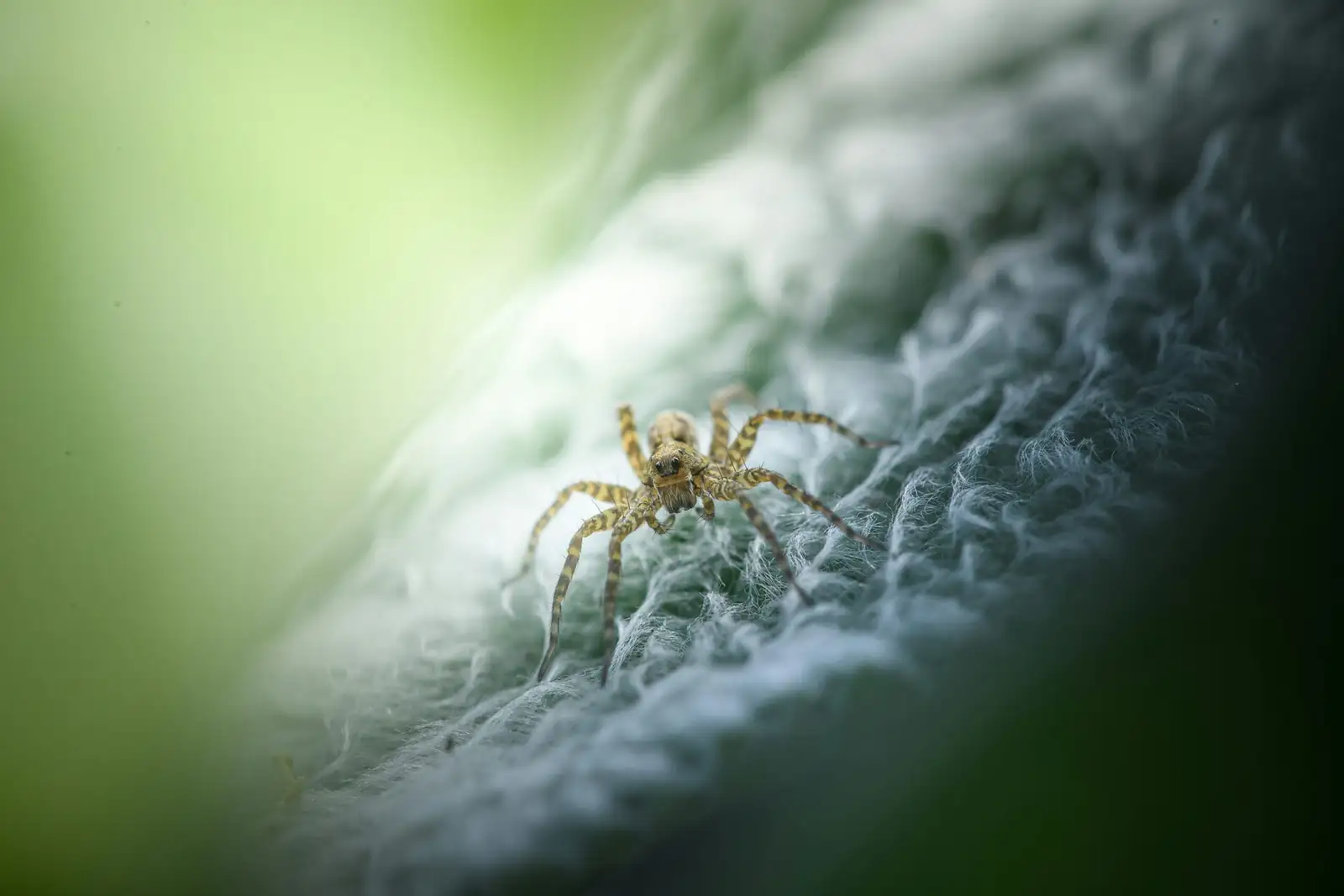
- Spider mites in dry, hot spells (look for fine stippling or webbing).
- Mealybugs and aphids on tender tips.
- Scarab beetles may occasionally chew foliage in garden settings.
- Management
- Start simple: Rinse foliage and improve humidity and airflow.
- Treat early with insecticidal soap or horticultural oil, following label directions.
- Diseases
- Root rot from soggy soil—avoid overwatering and ensure drainage.
- Leaf spot when foliage stays wet with poor airflow—water early, thin lightly for movement, remove affected leaves.
- Some growers use traditional preventatives (e.g., Bordeaux mixture) or treatments like thiophanate‑methyl where permitted; always follow local regulations and labels.
Design: mixing with other shade stars
Think in layers and textures so the aluminum plant’s silver flicker pops without visual noise.
- Low companions (edge and filler)
- Mondo grass (for fine texture contrast)
- Nerve plant (Fittonia) in very sheltered moisture-retentive pockets
- Trailing peperomias for soft drape over stones or edging
- Mid-height texture friends
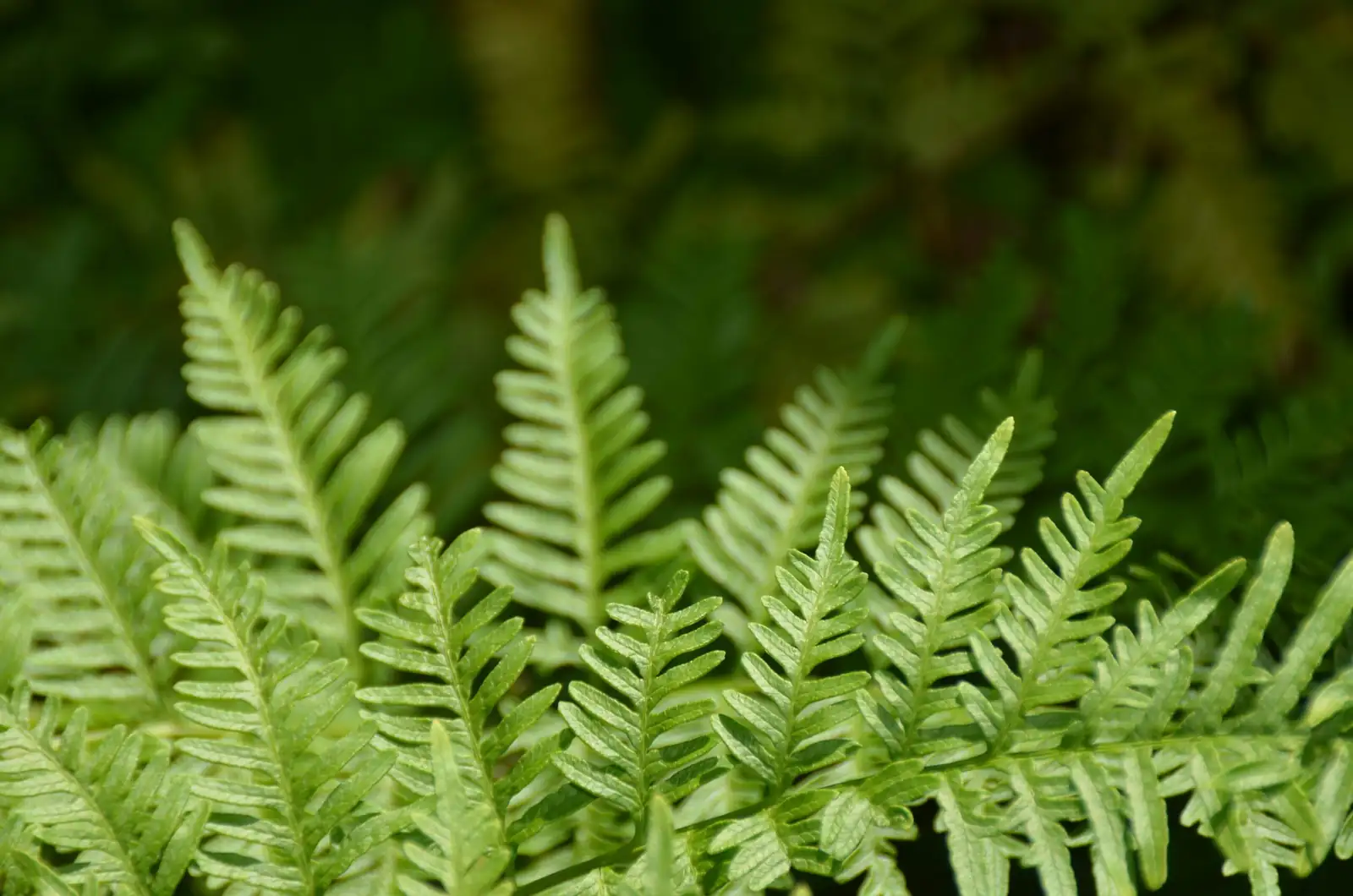
- Ferns (e.g., Boston or maidenhair in protected areas) for feathery lift
- Bird’s nest fern for bold rosettes against the aluminum plant’s mosaic
- Cane or rhizomatous begonias for patterned leaves that echo the silver theme
- Color splashes
- Caladiums or impatiens in deeper shade for seasonal color jolts without extra height
- Containers and courtyards
- Underplant palms or small shade trees in large pots—aluminum plant spills into a luminous skirt.
- Mix with bromeliads where filtered light is strong; silver vs. lacquered bromeliad foliage is a luxe pairing.
Design ratios that work
- 60–70% aluminum plant as the unifying ground plane.
- 20–30% mid-level foliage anchors (ferns, begonias).
- 10–20% small, high-contrast highlights (caladiums, bromeliads, or a variegated accent).
Quick troubleshooting outdoors
- Scorched, shrunken leaves: Too much direct midday sun—shift to stronger filter or earlier/later light.
- Faded silver, floppy growth: Not enough light—move to brighter shade and pinch.
- Yellowing, wilting despite moist soil: Likely overwatering/poor drainage—open the soil texture, reduce frequency.
- Browning tips/edges: Often low humidity or inconsistent watering—stabilize moisture and provide gentle airflow.
- Sudden leaf drop after a cool snap: Chilling—keep above 8–10°C (46–50°F) and choose warmer microclimates.
Safety note
Treat aluminum plant as potentially mildly toxic if chewed or swallowed. In pet-frequented gardens, plant out of easy nibble range and consult a professional if ingestion occurs.
Mini calendar for frost-free landscapes
- Spring
- Plant or transplant; rejuvenation prune older clumps.
- Begin light feeding and routine pinching.
- Summer
- Maintain even moisture; protect from harsh sun.
- Watch for spider mites; rinse foliage and treat early if needed.
- Autumn
- Take cuttings to fill gaps; taper feeding if growth slows.
- Thin lightly for airflow before wetter months.
- Winter (still warm, frost-free)
- Water less frequently but don’t allow prolonged dryness.
- Shield from chilly drafts and cool night pockets.
Why choose aluminum plant for your shade palette? Because it turns low light into a design feature. Give it filtered light, air in the soil, and steady moisture, and it will return the favor with a neat, silvery carpet that makes every other shade plant around it look more intentional, more vivid, and more alive.