

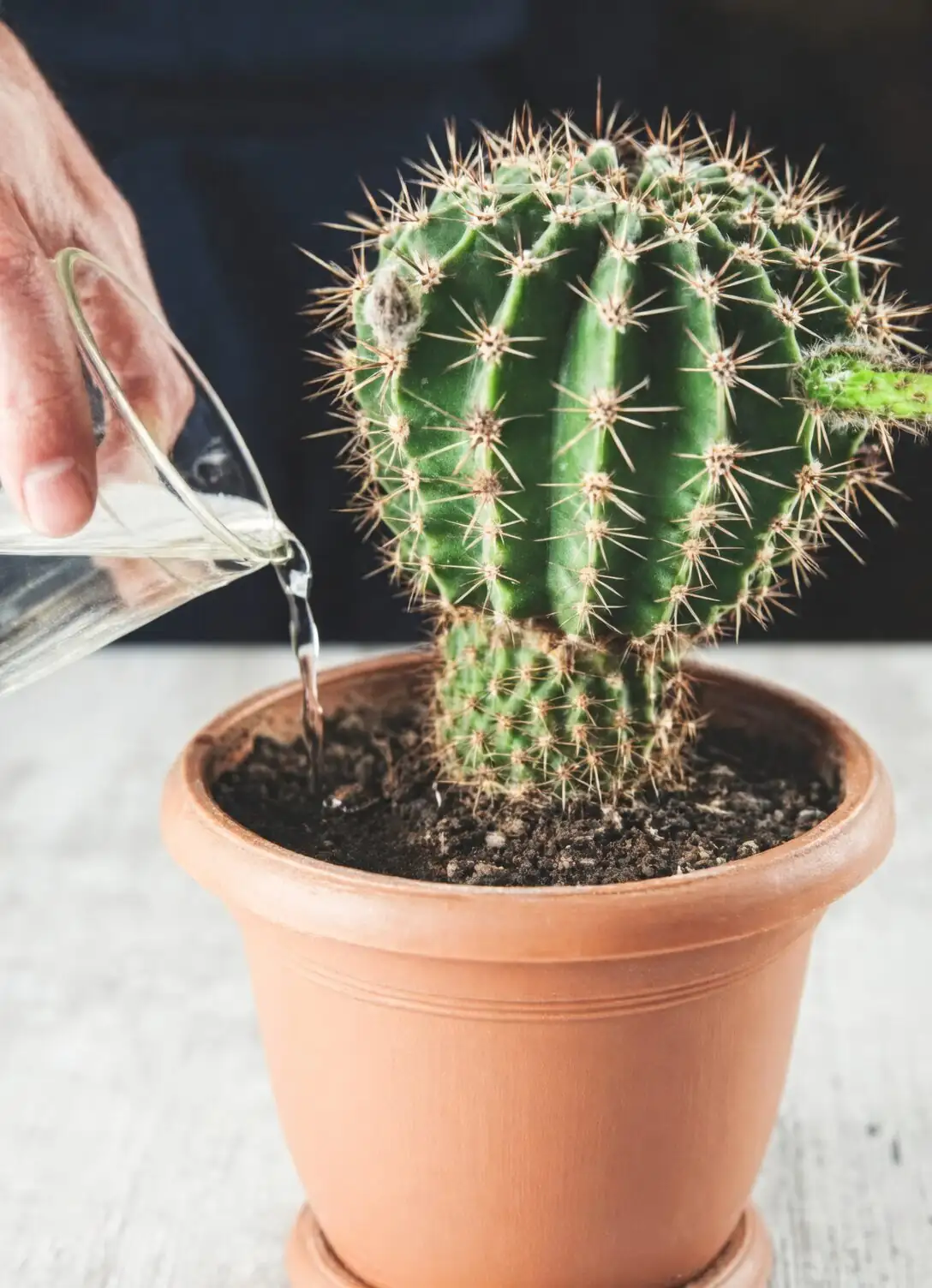
Golden Barrel Cactus in a beaker? I couldn’t resist. The clean geometry of Echinocactus grusonii begs for an equally clean experiment: strict hygiene, bubbling aeration, and nutrient tweaks to see whether a desert icon can tolerate hydroponic culture. Here’s what worked, what rotted, and why—despite a few surprising wins—good, gritty soil still wins the long game.
Meet the plant: a sun-lit sculpture with a prickly personality
- Scientific name: Echinocactus grusonii
- Common names: Golden Barrel, Golden Ball Cactus, Mother-In-Law’s Cushion
- Origin: Central Mexico
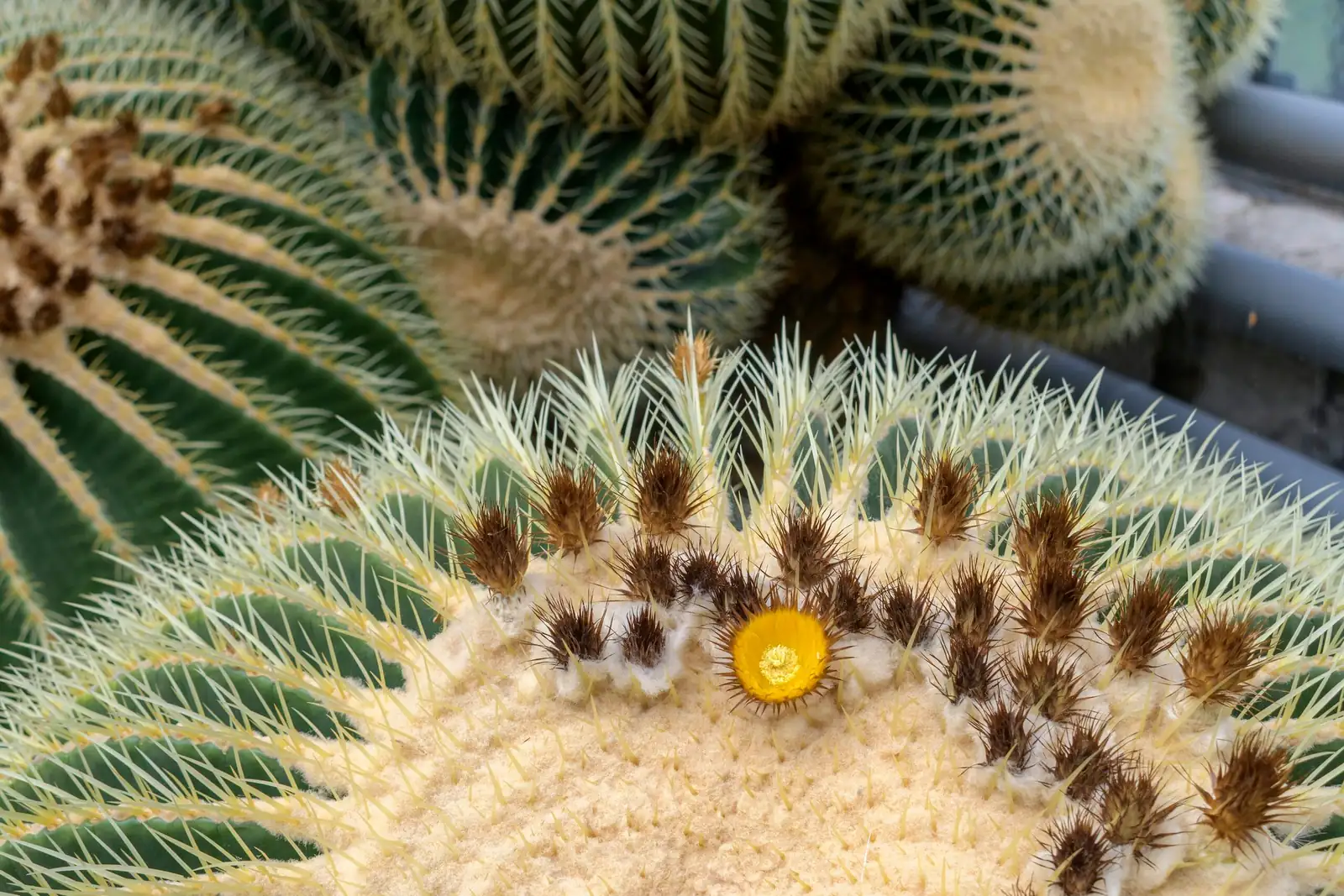
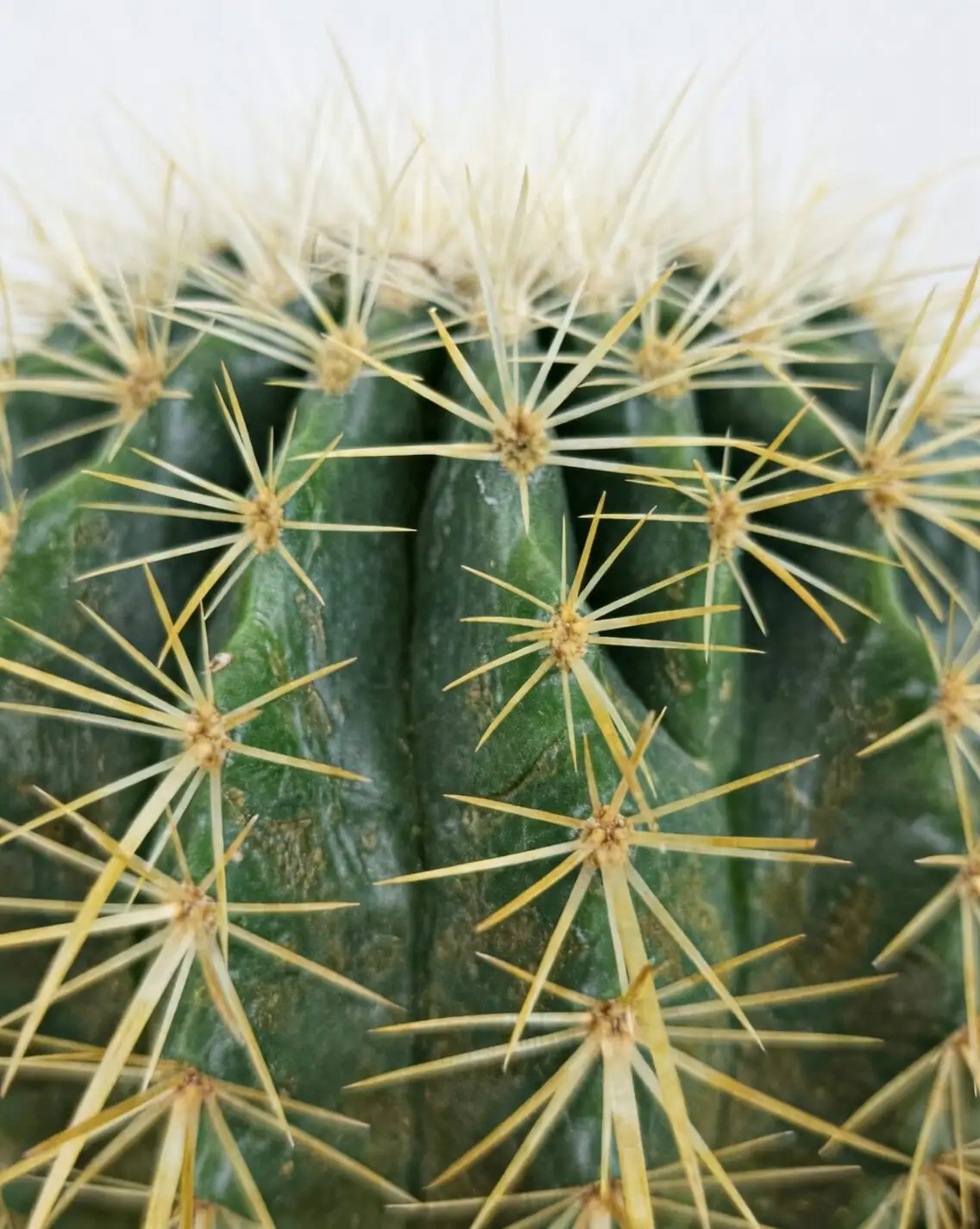
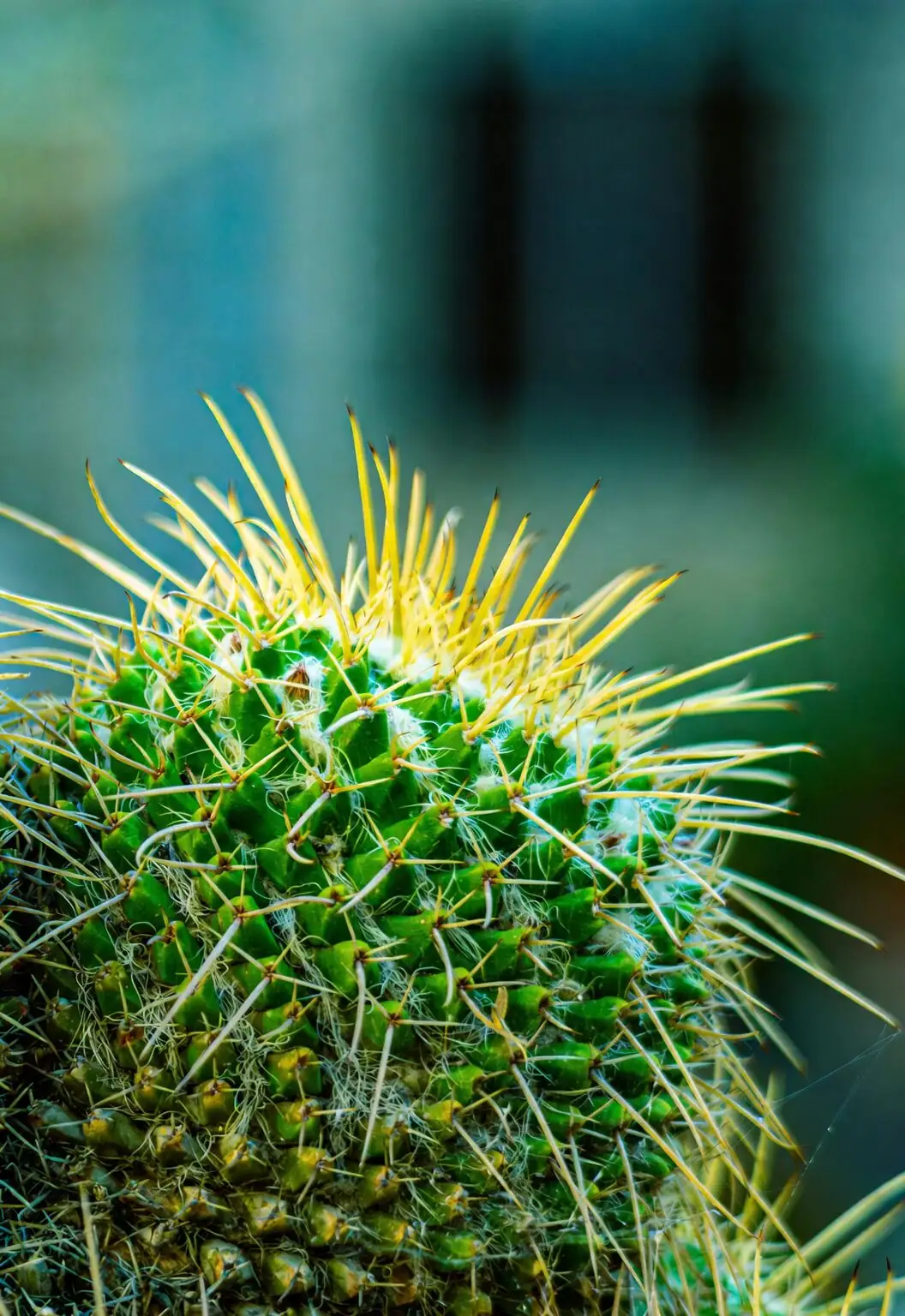
- Look: A bright-green, ribbed globe wrapped in dense golden spines; older plants may pup and form clumps. No true leaves—photosynthesis happens in the ribbed stem.
- Size over time: Commonly grown in 12–40 cm pots; the body typically reaches about 30–90 cm tall and wide with age and excellent light.
- Flowers: Small yellow blooms form a halo near the crown on mature, well-established plants—most often in warm, bright summers.
- Temperament: Slow, tough, and famously sensitive to overwatering.
Baseline growing conditions (the control in our “lab”)
- Light: Bright light to full sun. Indoors, a south- or east-facing window is ideal. Acclimate to intense sun; give brief, light shade in extreme midsummer heat behind glass if scorching threatens.
- Temperature: Best growth around 13–24°C (55–75°F); nights around 10–13°C (50–55°F) are fine. Keep above ~8°C (46°F) in winter and keep dry. Frost-free only.
- Humidity: Prefers dry air with good ventilation.
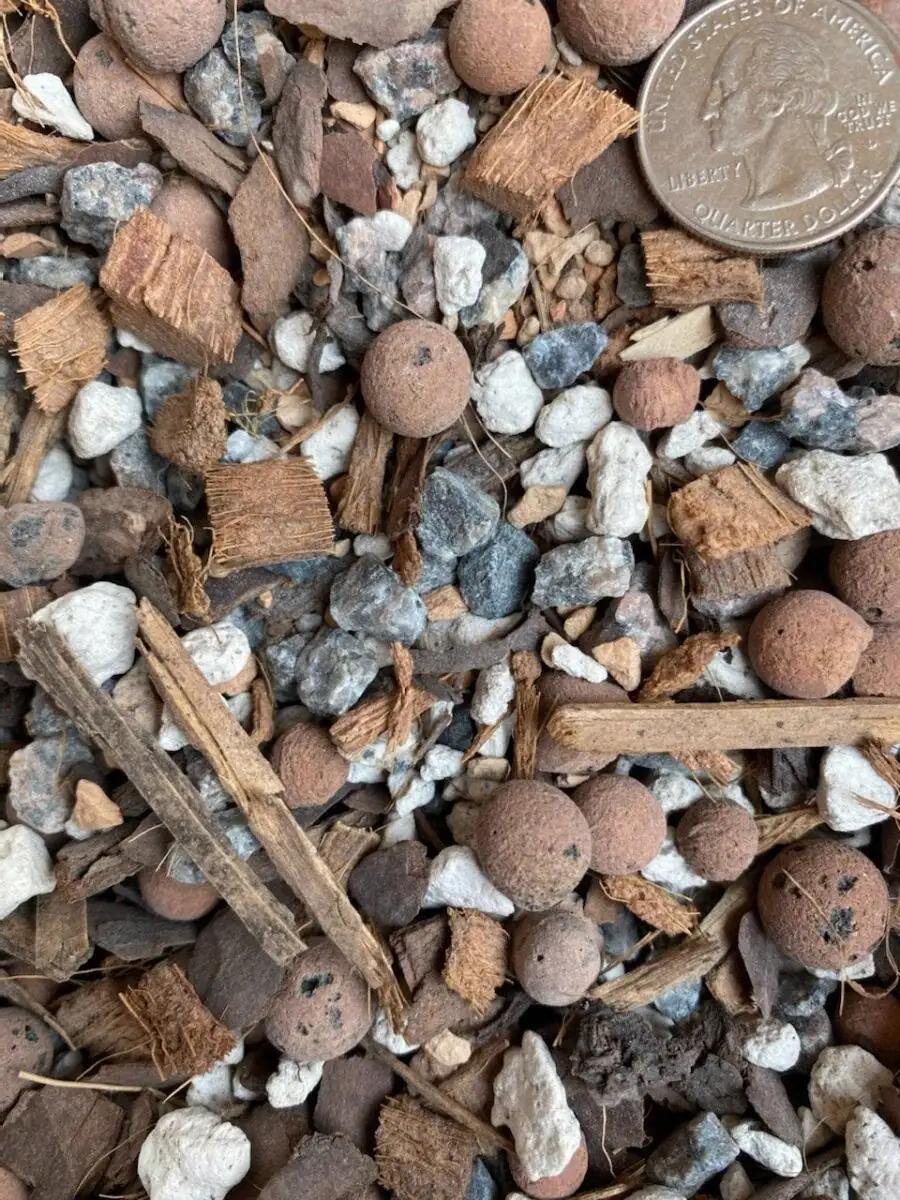
- Soil (the gold standard): Very free-draining cactus mix—loam-based soil + leaf mold/compost amended heavily with coarse sand/grit. Avoid heavy, water-retentive mixes. Any organic richness should be sparing.
The hydroponic challenge: possible, but why dance on a knife-edge?
Yes, you can grow a Golden Barrel in water—but it’s riskier than soil and unforgiving of lapses. The goals: keep oxygen high, keep microbes low, keep nutrients lean, and never wet the crown.
The setup that worked best
- Bare-rooting: Gently wash all soil from the roots. Handle with thick gloves or tongs—those spines don’t negotiate.
- Stabilization: Seat the plant above a wide-mouthed glass or opaque vase; support the body so about half the roots dangle into water (not the stem base).
- Hygiene: Change water weekly in summer and monthly in winter. Rinse roots gently and scrub the container clean each time. Keep the crown dry at all times.
- Aeration: Constant aeration (air stone) kept roots pale and firm; passive setups worked only for short runs.
- Nutrients: Add a small amount of nutrient solution during water changes. Low-nitrogen, dilute feed during active growth performed best; none in winter.
- Light and airflow: As for soil-grown plants—strong light with steady ventilation.
Tweaks that improved survival (and why)
- Aeration: Air stones outperformed still water. Desert roots are adapted to wet-dry pulses and airy pores; dissolved oxygen is the lifeline in water culture.
- Root depth: Half-submerged roots did best—water for uptake below, air exposure above for oxygen and gas exchange.
- Cleanliness: Fastidious cleaning suppressed biofilms that choke oxygen and invite rot.
- Fertility: Lean is key. A small, diluted dose during changes outperformed richer recipes. Overfeeding encouraged algae and microbial bloom.
- Temperature: Warm-but-not-hot water (~18–24°C/64–75°F) was steadier; cool water plus wet roots = trouble.
What rotted (and why)
- Full submersion: Roots blackened quickly without an air interface. Hypoxia + microbes = rot.
- Splashing the crown: Moisture at the crown led to basal rot. Keep water well below the stem base.
- Stagnant intervals: Skipping water changes created slick biofilms and sulfur smells—the prelude to root loss.
- Rich, organic “teas”: Any organics in the water (compost teas, fish emulsions) fueled algae and bacteria. Desert cacti prefer the minimalist menu.
- Cool-and-wet: A deadly pairing. In cool rooms, the plant’s metabolism idles; constant moisture overwhelms defenses.
The verdict on hydroponics
- Short-to-medium term: It can be done with excellent hygiene, half-submerged roots, bright light, and very lean feeding—especially in warm months.
- Long term: Soil still wins. Mineral, free-draining media mimic the plant’s natural pulse—soak, then a long, airy dry-down—while buffering salts and stabilizing the crown. The margin for error is far, far wider.
Want to try hydroponics anyway? A cautious protocol
- Prep
- Choose a firm, symmetrical specimen with no soft spots.
- Bare-root gently; trim only dead roots with a sterile tool and let cuts dry before starting.
- Vessel and support
- Use a clean glass or opaque container; suspend the plant so only lower roots touch water.
- Consider marbles/mesh to stabilize the body—never let the crown rest on a wet rim.
- Water management
- Summer: change weekly; Winter: change monthly (or keep nearly dry if the plant is cool and resting).
- Keep water line steady—no wicking onto the stem.
- Aeration
- Run an air stone continuously; or create a gentle “waterfall” return to splash in oxygen.
- Nutrition
- During the growing season, add a small amount of a low-nitrogen cactus fertilizer at a highly diluted rate when you change water. Skip feeding in winter.
- Monitoring
- Healthy roots: firm, pale, and lightly growing.
- Early warning: cloudiness, odor, browning roots, softness at the base—refresh water, increase aeration, and consider a return to soil.
Why soil still wins (and how to mix it right)
- Physiology match: Golden Barrels evolved for episodic rain, fast percolation, and long, airy dry spells—exactly what a gritty mineral mix provides.
- Safety margin: Soil buffers nutrients, salts, and pH; the crown stays high and dry; oxygen diffuses through pore spaces after watering.
- Stability: Heavy, well-drained pots prevent tipping as the plant gains mass.
Soil recipe you can trust:
- Base: Loam-based potting soil or loamy garden soil + a little leaf mold/compost
- Drainage: Amend heavily with coarse sand and grit (think: fast-draining, no slumping)
- Pot: A pot sized to the roots with ample drainage holes; heavier containers resist tipping
Watering and feeding (for soil-grown plants)
- Water only after the mix has dried out well.
- Spring: about every 2 weeks in many homes
- Summer: often weekly in warm, very bright conditions—still, let the mix dry between waterings and never leave the pot sitting in water
- Autumn: reduce frequency
- Winter: keep almost completely dry; if kept cool, you can stop watering until warmth and light return
- Fertilizer: Once per month in the growing season with a cactus or low-nitrogen formula (e.g., 15-15-30) at half strength. Do not fertilize in winter.
- Pro tip: Avoid pouring water onto the crown or the plant body.
Repotting, propagation, and seasonal timing
- Repotting: About every 2 years in spring or when rootbound. Use a pot that matches the root mass, with excellent drainage. Keep dry for several days after repotting so any root wounds can callus.
- Propagation
- Seed: Sow on the surface with a thin cover; best germination around 20–24°C (68–75°F). Sprouts often appear in 20–25 days.
- Offsets: Some plants pup naturally; detach offsets about 1–2 cm across, let callus, then root in a gritty medium—often 20–30 days in warmth.
- Grafting: Common from May–July; unions typically heal in 3–4 weeks.
- Calendar cues
- Spring: Increase water gradually, start monthly feeding, repot if needed.
- Summer: Water more regularly (still only after drying), supply robust light with slight shade if scorching, and maximize airflow.
- Autumn: Taper watering; stop feeding.
- Winter: Keep cool, bright, and dry; protect from cold.
Pests, diseases, and safety
- Problems to watch
- Rot and fungal issues from excess moisture—especially in cool weather
- Pests: spider mites, mealybugs, scale. Treat with insecticidal soap or horticultural oil; isolate afflicted plants and improve airflow.
- Safety: Not known to be poisonous, but spines are serious—keep away from kids and pets and handle with thick gloves, folded newspaper, or tongs.
Placement ideas
- Sunny windowsill, bright office or study, sunroom, porch, or balcony. Indoors, a south- or east-facing window gives that signature golden spine color. Avoid dim corners and protect from severe midday scorch behind glass while acclimating.
Symbolism: resilience with a radiant halo
Golden Barrel is often gifted as a symbol of endurance, resilience, and protective strength. There’s no ancient “flower language” canon for it; the meaning is contemporary and intuitive—hard geometry, brilliant armor, and the patience of slow growth. It’s a gentle reminder for desk workers and creatives alike: protect your boundaries, soak up the light, and grow on your own timeline.
Field notes: what the eyes notice first
- Spine color is richest in strong light; shade softens the gold and can stretch the body.
- No true leaves; the ribbed stem expands after watering like a concertina bellows.
- Truly striking “barrels” are slow art—years in the making, and all the more satisfying for it.
Quick FAQ (hydro-curious edition)
- Can you grow Golden Barrel in water?
- Yes—but it’s riskier than soil. Keep roughly half the roots in water, change water weekly in summer and monthly in winter, clean the container and rinse roots gently, add a small amount of nutrient solution during changes, and keep the crown dry. Rot risk rises fast without excellent hygiene and aeration.
- Why are my spines dulling?
- Light is likely too low. Move to a brighter spot and acclimate to full sun gradually.
- How do I pick a healthy plant?
- Look for a firm, symmetrical globe with dense golden spines and fresh green skin. Avoid soft spots, pests, suspicious scars, or stretched growth.
Bottom line: Hydroponics can prove a fun, exacting experiment with Echinocactus grusonii—one that teaches just how much this desert sculpture craves oxygen, restraint, and light. Master the beaker if you must, but for long, happy years (and that perfect golden halo), a gritty, fast-draining soil and a sunny perch will always be the winning formula.