

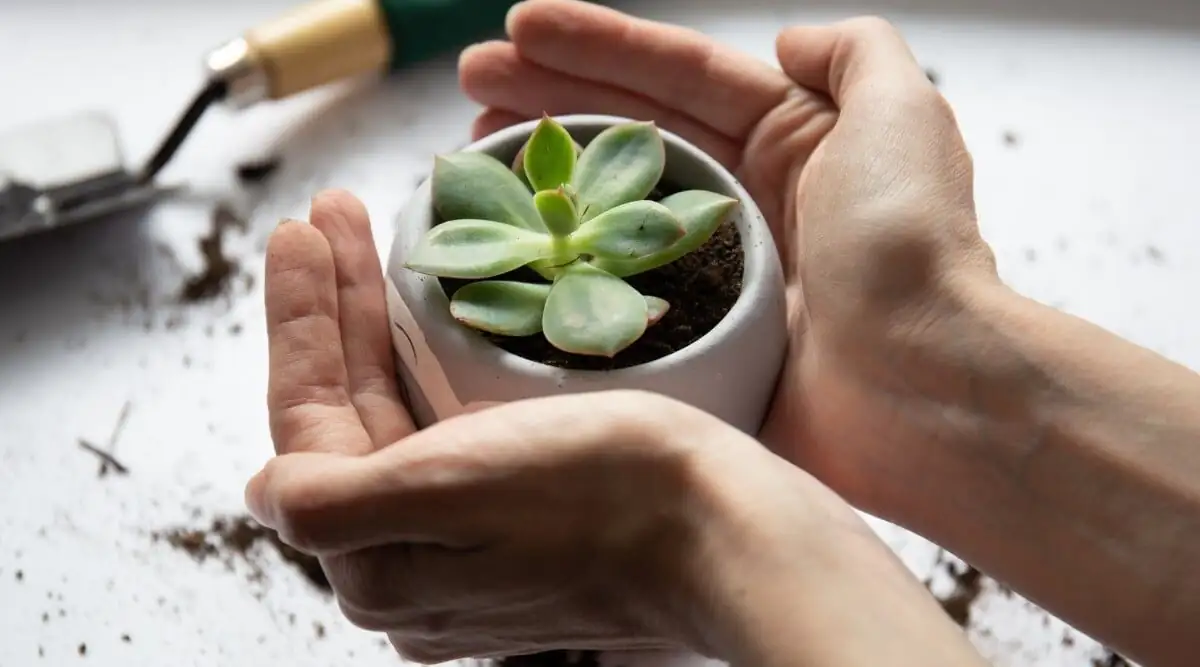
Imagine a plant that sips at night and seals up by day, tucking away water in its own built‑in canteen. That’s the succulent lifestyle—and it explains so many care “mysteries,” from why evening watering can be kinder during heat waves to why high humidity and chronic wet soil spell trouble. Let’s take a plain‑English tour of CAM photosynthesis, then turn that science into everyday, foolproof care.
Meet the succulent lifestyle
- What they are: Succulents aren’t a single family, but a water‑saving strategy found across many families (think Crassulaceae, Cactaceae, Euphorbiaceae, Asphodelaceae, Asparagaceae, and more). The common thread is thick, fleshy leaves, stems, or roots that store water.
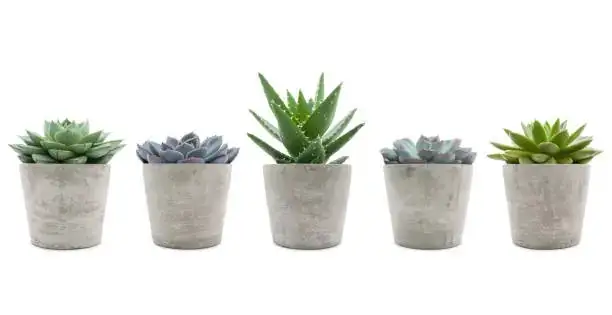
- Shapes and colors: From tight rosettes and bead‑like chains to spiky columns, colors range green to silvery blue—and many blush red, purple, or bronze under strong light, cool nights, or mild drought.
- Where they come from: Native to arid regions worldwide—major diversity centers include North America (especially Mexico), Central America, South Africa, East Africa, and Madagascar—yet now grown and loved everywhere.
CAM photosynthesis, in plain English

Many (not all) succulents run on CAM: Crassulacean Acid Metabolism. Think of it as a day–night split shift.
- Night: Stomata (leaf pores) open when it’s cooler and often a bit more humid. The plant “breathes in” CO₂ and stores it as malic acid in big vacuoles.
- Day: Stomata close. The plant unpacks that stored CO₂ right next to the sugar‑making machinery, photosynthesizing with minimal water loss.
Why it matters:
- Water thrift: By keeping pores closed in the daytime heat, CAM plants lose far less water—key to surviving droughts.
- Slow and steady: This careful rationing often means slower growth, especially if light or warmth is modest.
- Practical care edge: In extreme heat, evening watering (only when soil is fully dry) lines up with the hours succulents “breathe,” reduces sun‑baked evaporation, and helps reset their water tanks without shocking hot roots.
Note: CAM is a spectrum. Many succulents use it strongly; some can dial it up or down with conditions. A few “succulent‑looking” plants don’t use CAM at all.
Care that works with their biology (not against it)
Light: the compact, colorful sweet spot
- Aim for 4–6 hours of good light daily. Many succulents enjoy direct sun; others (like some Haworthia) prefer bright, indirect light.
- Acclimate gradually before moving a plant into full sun to avoid sunburn.
- Taller, stretchy (“leggy”) growth means: more light, please.
Watering: soak and dry—then wait
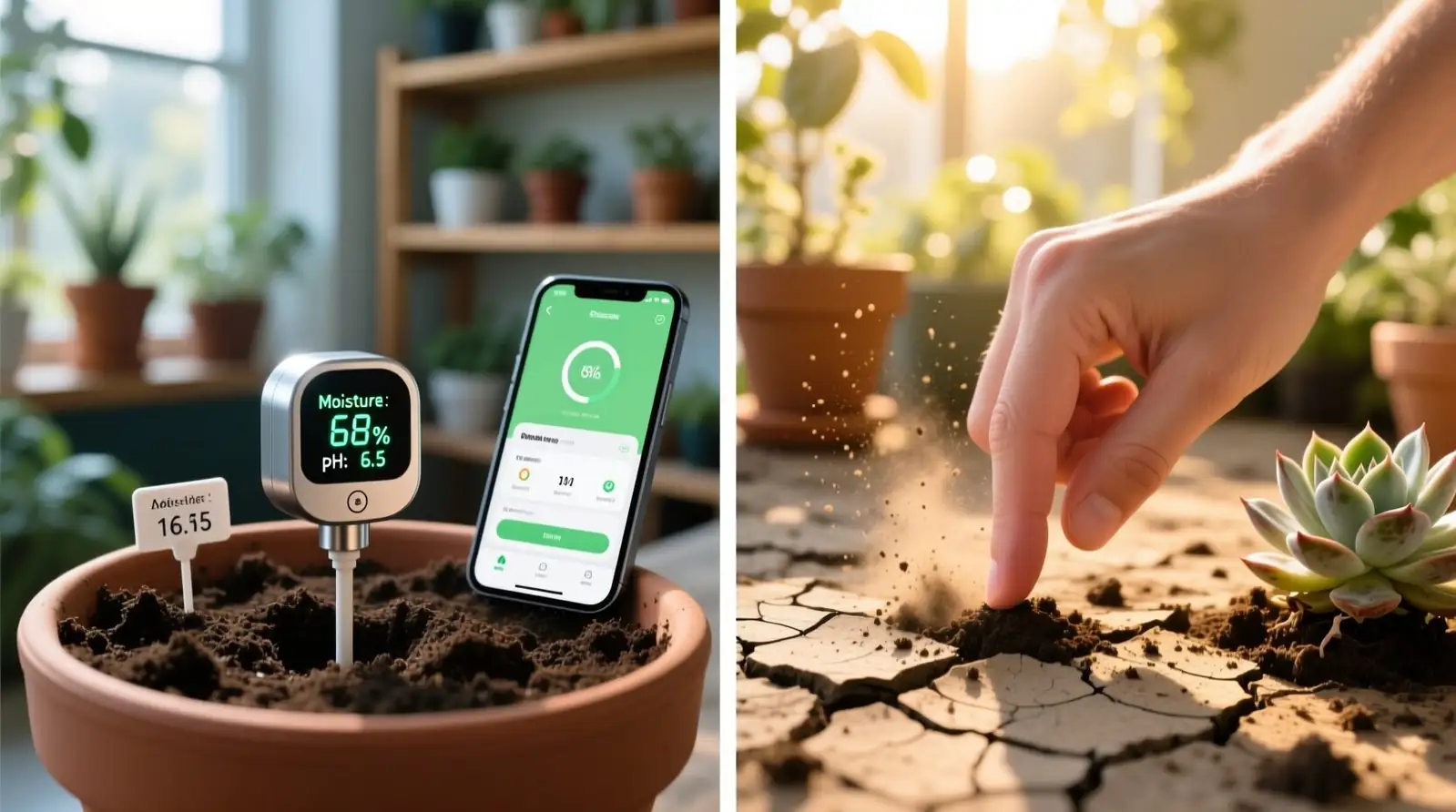
- Method: Water thoroughly until it drains out, then do nothing until the mix is completely dry. Repeat.
- Season notes:
- Spring/fall: Often the main growth windows—watering is more frequent, but still only after a full dry‑down.
- Summer heat: Two paths exist. Some species stay active and may need more frequent watering when bone‑dry; others go semi‑dormant and prefer less. Watch the plant and the soil, not the calendar.
- Winter: Light is low and growth slows. Cut watering sharply.
- Heat‑wave tip: If (and only if) the soil is fully dry, evening watering is kinder—cooler temps, lower evaporation, and it pairs with nighttime CAM gas exchange.
- When in doubt, wait. Many succulents ride out two weeks dry more safely than two days in soggy soil.
- Over/under clues:
- Thirst: Leaves wrinkle or feel noticeably softer but not mushy; pot is light; soil bone‑dry.
- Too wet: Leaves turn translucent/mushy; base softens; soil stays damp; may smell sour.
Soil & pot: think gravelly desert
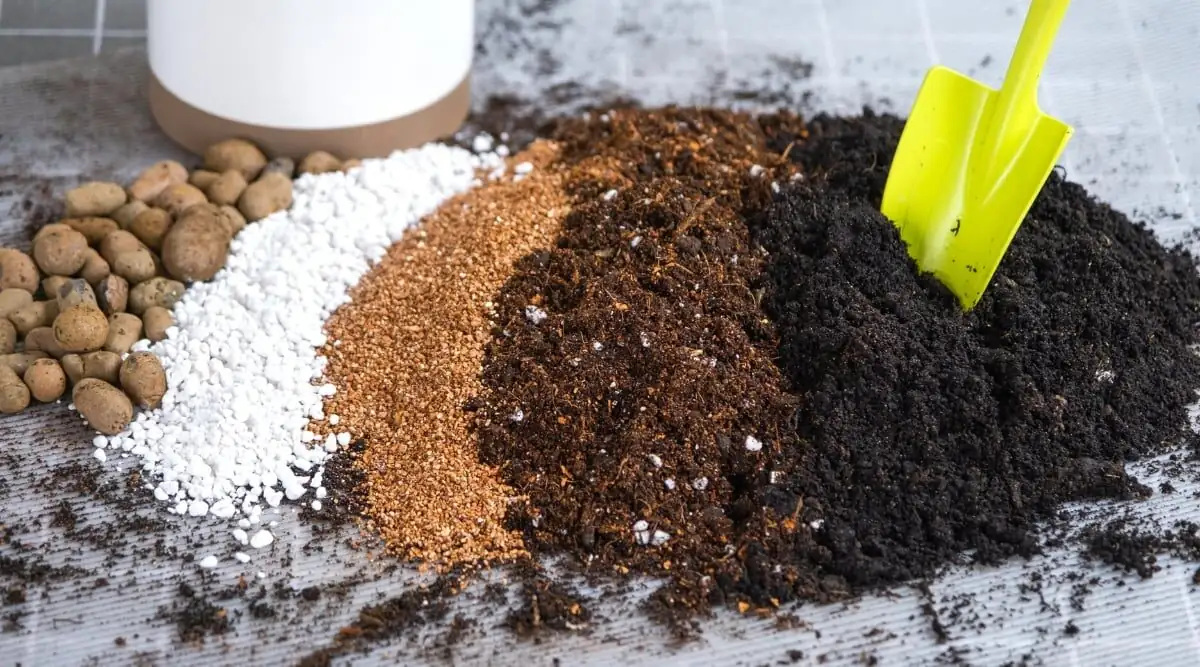
- Use a fast‑draining, airy, gritty mix. A solid starting recipe:
- About 10–20% peat or other organic matter
- ~20% coarse sand
- ~60–80% mineral/gritty ingredients (pumice, perlite, lava rock, diatomaceous earth, akadama)
- Always choose pots with drainage holes. Terracotta helps wick moisture; avoid jumping to an oversized pot that stays wet too long.
Temperature and heat waves
- Happy range: roughly 15–27°C (59–81°F); many enjoy 21–29°C (70–85°F) by day.
- Above ~35°C (95°F): Give airflow and soften harsh midday sun. Water only when dry; consider evening timing.
- Most common house succulents aren’t frost‑tolerant—protect from freezing.
Humidity and airflow: dry air is an ally
- Average household humidity is fine; these plants prefer the drier side with good air movement.
- Persistent damp, stagnant air invites rot. Avoid regular misting of leaf succulents (dew helps in nature, but misting indoors often wets crevices and fuels disease).
Feeding: light and occasional
- During active growth, feed monthly with a balanced, water‑soluble fertilizer at half strength. Pause in winter or dormancy.
Repotting: small steps
- Repot when roots fill the pot or soil has broken down. Size up only 2.5–5 cm (1–2 in) at a time.
- Fall is often great; any mild growth period works. Keep the plant dry for a few days after repotting to let roots heal.
Pruning and easy propagation
- Trim to shape, remove spent leaves, and take cuttings in spring.
- Many types root from a single leaf or a short stem cutting. Let cut surfaces callus, then set on/in gritty soil to root. Offsets (“pups”) can be divided and potted on.
Why overwatering defeats their superpower
Succulents are built to ration scarce water—not to swim in it.
- Oxygen matters: Roots need air spaces. Constantly wet mixes collapse those spaces, smothering roots and inviting rot.
- Rot races ahead: Fungi and bacteria thrive in soggy, stagnant conditions.
- CAM can’t save a drowning root ball: CAM reduces water loss through leaves, but it doesn’t protect suffocating, waterlogged roots.
Rescue playbook if you overwatered:
- Unpot, trim mushy roots to healthy tissue, and dust cuts (optional) with dry sulfur or cinnamon.
- Repot into fresh gritty mix and a pot with drainage. Keep dry 3–7 days, then resume careful soak‑and‑dry.
Seasonal rhythm at a glance
- Spring/fall: Peak growth for many—regular soak‑and‑dry, light feeding.
- Summer: Watch heat. Some species slow down; provide airflow and midday shade, water only after a full dry‑down (even if that’s every ~4 days in extreme heat).
- Winter: Rest time. Bright light, minimal water, no fertilizer, protect from cold.
Common problems, decoded by CAM
- Leggy stems: Not enough light. Move brighter (gradually), rotate the pot, consider trimming and re‑rooting tops.
- Shriveling leaves: Typically thirst—confirm soil is dry through the whole root zone, then soak thoroughly.
- Mushy leaves/base: Overwater or poor drainage. Refresh the mix and reset your watering rhythm.
- Sunburn: Sudden jump to strong sun. Acclimate over 1–2 weeks.
- “Why so slow?”: Many succulents trade speed for survival—CAM conserves water but doesn’t turbocharge growth.
Pests, diseases, and safety
- Usual suspects: Mealybugs and scale (especially indoors). Isolate, dab with alcohol, or use targeted sprays; improve airflow.
- Biggest killer: Root rot from wet soil and poor drainage.
- Toxicity note: Some succulents—especially many Euphorbia—bleed a milky latex that can irritate skin/eyes and harm pets if chewed. When in doubt, keep unknown plants out of kids’ and pets’ reach.
Buying and placement tips
- Pick plants with firm, plump leaves, no soft base, and no cottony insects. Roots should be healthy, not blackened or sour‑smelling.
- Place in bright light—sunny windowsills, well‑lit living rooms, or bright offices. For lower light, choose shade‑tolerant kinds (e.g., many Haworthia).
Flowering and a note on “flower language”
- Blooms vary wildly: starry sprays in Crassulaceae, dramatic cactus blossoms (often night‑blooming and fleeting), and more. Many common types flower in spring or summer with strong light and good seasonal care.
- Symbolism: Succulents are widely seen as emblems of resilience and steady perseverance—thriving under tough conditions.
- Where “flower language” comes from: Victorian floriography popularized assigning meanings to plants. It’s cultural, not botanical. With succulents, the “message” of endurance resonates because of their visible water‑saving design and CAM‑driven thrift.
Fast facts and fun
- There are over 10,000 recorded succulent species across 100+ plant families—“succulent” is a lifestyle, not a lineage.
- Many succulents “breathe” at night using CAM, trading speed for water savings.
- Some cactus flowers open for a single night—blink and you miss them.
- South Africa’s Succulent Karoo is a global hotspot of succulent diversity.
Where succulents come from—and where they’re going
- Origins: Arid and seasonally dry regions across Africa, the Americas, South Africa, East Africa, and Madagascar are rich in succulent diversity.
- Modern cultivation: Commercial growing has taken off in parts of Asia such as Taiwan, Yunnan, and Fujian, where climate and craft have produced a thriving trade in compact, colorful plants.
Quick FAQ
- Why is my succulent getting tall and stretchy (leggy)?
- It’s asking for more light. Move it brighter (gradually), rotate the pot, and consider trimming/re‑rooting the top.
- How often should I water?
- There’s no fixed schedule. Soak thoroughly, then wait until the mix is completely dry. More in active growth (often spring/fall), far less in winter. When unsure, wait a bit longer.
- Can succulents live indoors?
- Yes. Give them the brightest spot you have or add a grow light. In low light, pick more shade‑tolerant types like many Haworthia.
- Why did my succulent change color?
- Brighter light and cooler nights often bring out reds, purples, and bronzes—especially from fall to early spring.
The short version: Let bright light compact their growth, let gritty soil breathe, let the root zone dry between deep drinks—and in heat waves, offer those drinks in the evening. That’s care in sync with CAM, and it’s how succulents turn scarcity into style.