

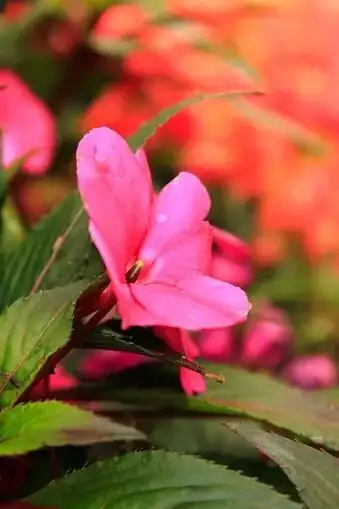
If you’ve ever stood in a garden center wondering which “impatiens” belong in your shady porch box versus that blazing, heat-baked front walk, you’re not alone. Three lookalike groups are often sold side by side: classic Busy Lizzie (Impatiens walleriana), New Guinea impatiens (Impatiens hawkeri), and SunPatiens (bred from New Guinea types). They share a nonstop-blooming personality—but their light and heat tolerances aren’t the same. Here’s how to tell them apart at a glance and choose the right one for every nook of your garden.
Meet the players
Busy Lizzie (Impatiens walleriana)
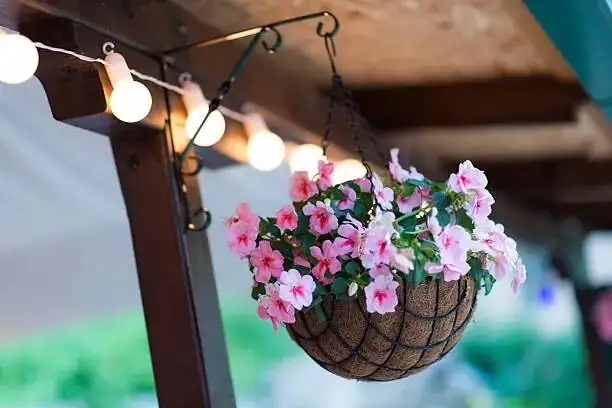
- The classic “impatiens” of window boxes and hanging baskets.
- Native to tropical East Africa; thrives with bright filtered light or partial shade.
- Compact, mounding to gently trailing (about 8–18 in tall and wide depending on the cultivar and care).
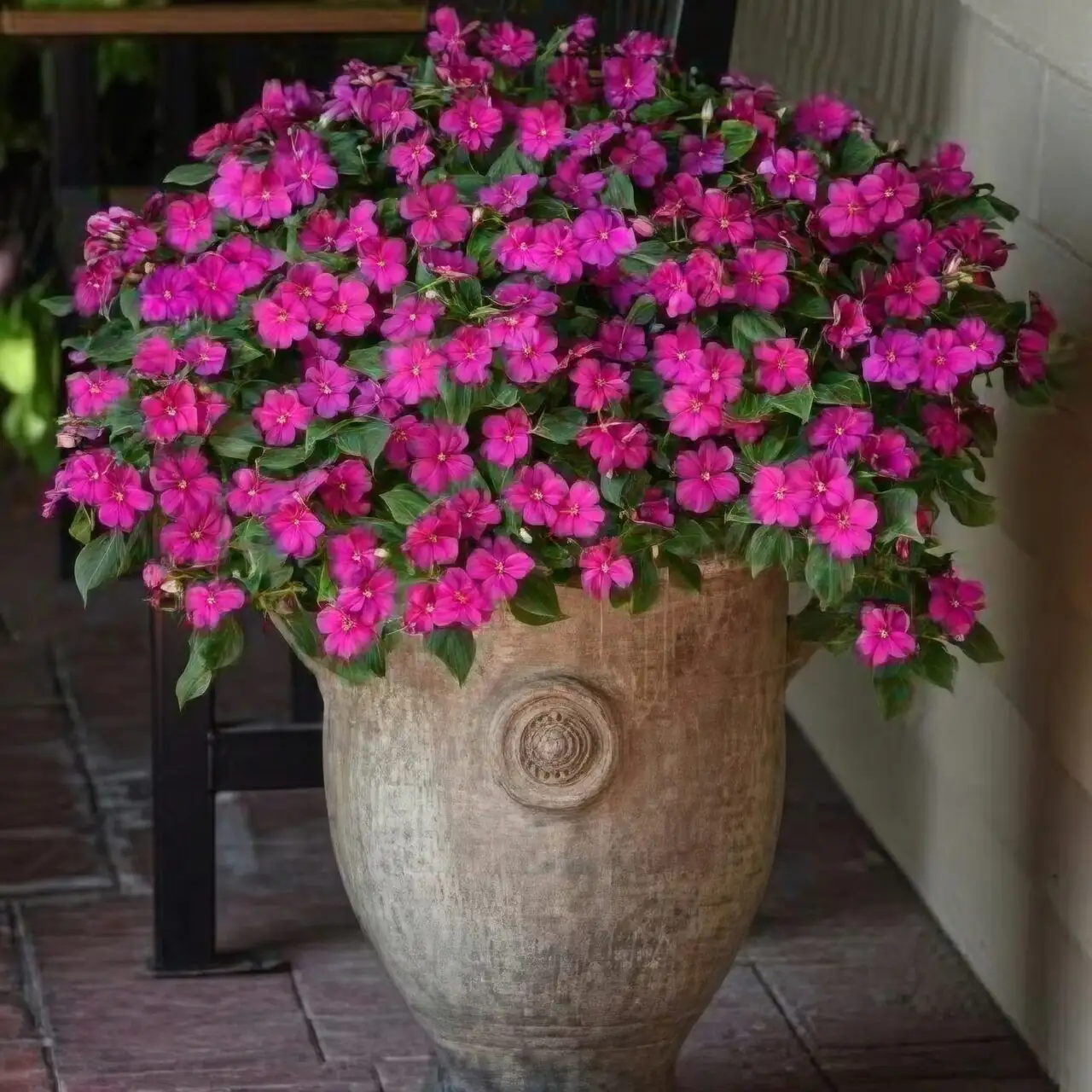
- Glossy green leaves on succulent, semi-translucent stems; masses of flat, cheerful flowers in pinks, reds, whites, oranges, purples, and bicolors.
- A shade star that can bloom for months—outdoors from summer into fall, and in bright, warm rooms almost year-round.
New Guinea impatiens (Impatiens hawkeri)
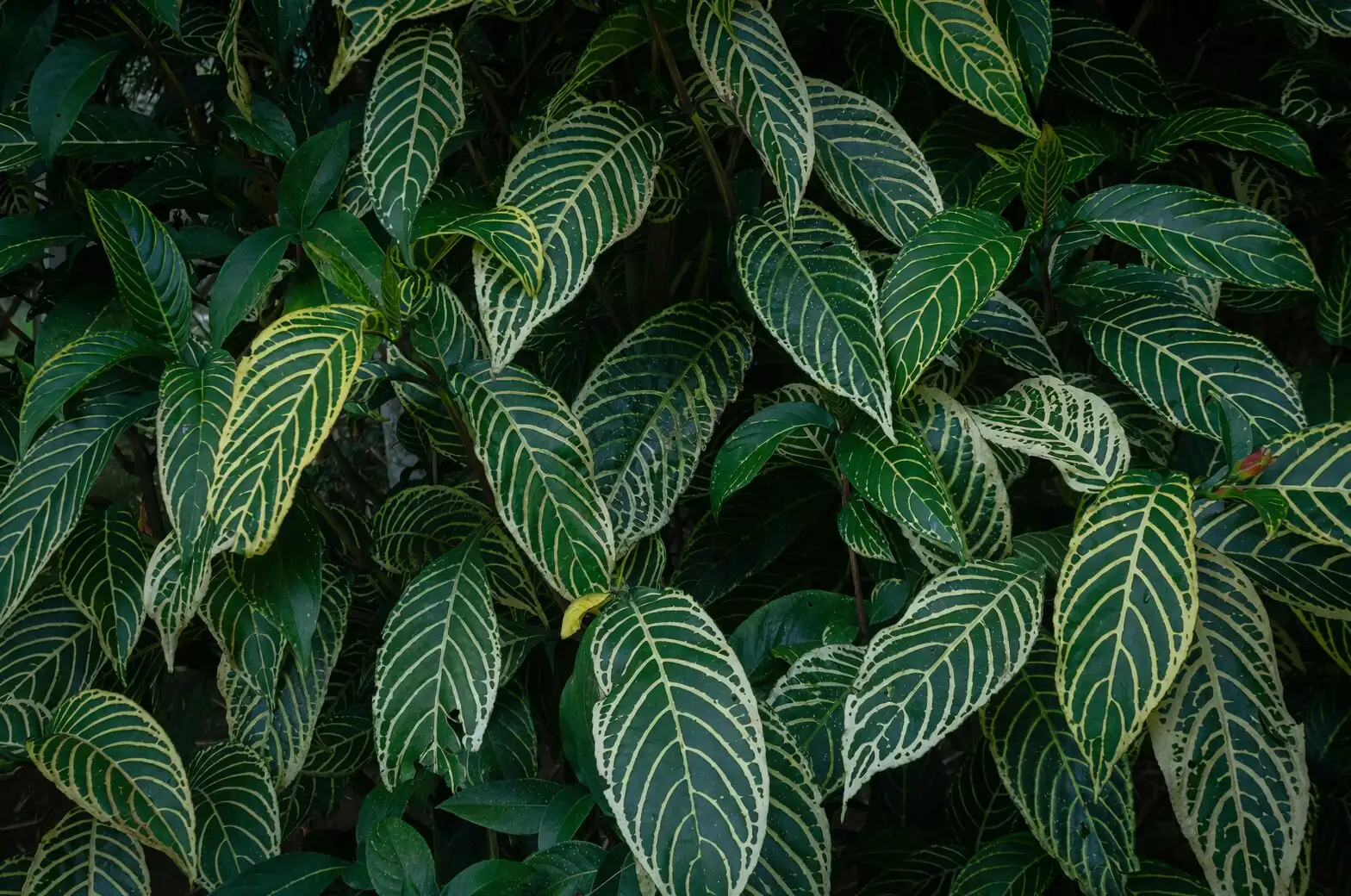
- Bolder leaves (often broader, darker, or variegated) and larger flowers.
- Naturally from New Guinea and nearby islands.
- Best in partial shade to shade; stronger sun can scorch.
- Larger overall presence and a lusher, tropical look; great for making a statement in bright, indirect light.
SunPatiens (New Guinea–type hybrids)
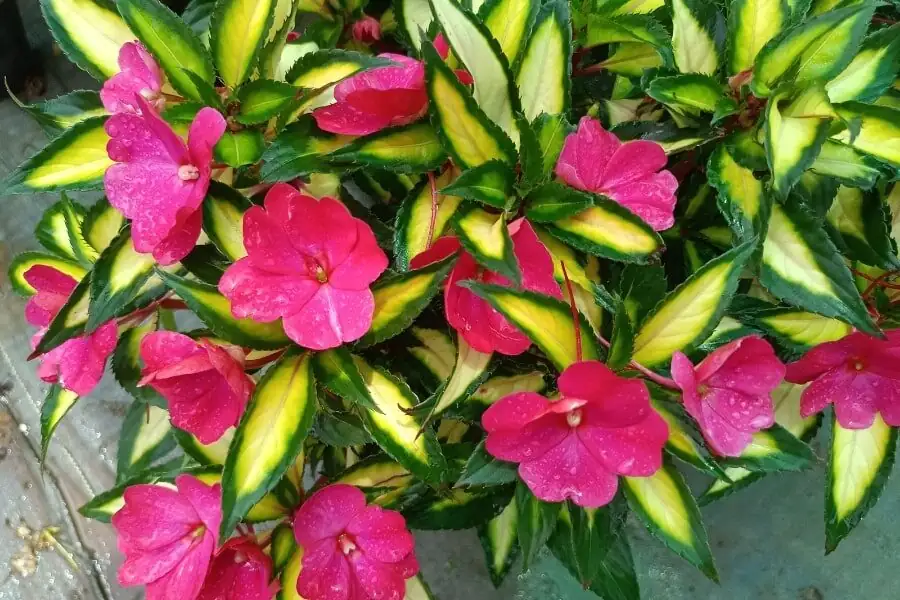
- Bred from New Guinea lines plus wild impatiens to thrive in full sun through heat and humidity.
- Vigorous, with thicker, sun-tough foliage and an extra-long bloom show.
- Ideal for sunny beds, streetside planters, and exposed patios where other impatiens sulk.
Side-by-side snapshot: what your eyes (and plants) will notice
Light tolerance
- Busy Lizzie (walleriana): Bright filtered light to partial shade. Morning sun is fine; shield from harsh midday/afternoon sun. In very bright sites, 40–50% shade cloth or tree-filtered light keeps foliage pristine.
- New Guinea: Partial shade to shade; not much love for full, direct midday sun.
- SunPatiens: Full sun to part shade champs; avoid deep shade, where flowers thin out.
Heat tolerance
- Busy Lizzie: Prefers a mild 63–68°F (17–20°C). Prolonged heat above 86°F (30°C) often triggers bud/flower drop.
- New Guinea: Handles warm weather but can flag in harsh, baking exposures.
- SunPatiens: Bred for hot, humid summers; keeps blooming where others pause.
Habit and size
- Busy Lizzie: Compact, mounding to a soft spill; perfect for baskets and window boxes (often planted 3 per pot for instant fullness).
- New Guinea: Fuller, lusher mounds; bold foliage reads “tropical.”
- SunPatiens: Typically the most vigorous; some series mound neatly, others fill big spaces fast.
Foliage and flowers
- Busy Lizzie: Bright-green, glossy leaves; flat, colorful flowers. Petals spot if you splash them—water the soil, not the blooms.
- New Guinea: Broader, often darker or variegated leaves; larger individual blooms.
- SunPatiens: Thicker, sun-tolerant leaves (often with texture or variegation); blooms are numerous and steady in bright sites.
Water and feeding
- All three like evenly moist, well-drained soil—think “wrung sponge,” never swampy.
- Busy Lizzie: Keep steady moisture; feed every two weeks from spring to fall, pausing in extreme heat and winter dormancy.
- New Guinea: Tend to be heavier feeders; consistent moisture is key.
- SunPatiens: Need more water in full sun and heat; otherwise moderate maintenance.
Light and heat decoded: where each truly shines
- Deep shade to bright shade (cool veranda, north or east exposure): Busy Lizzie is your effortless color machine. It stays compact and floriferous in bright shade.
- Dappled woodland light or bright, indirect patio: New Guinea gives bigger leaves and bolder flowers without risking scorch.
- Morning sun + afternoon shade: All three can succeed, but Busy Lizzie and New Guinea look plushest here; choose SunPatiens if heat spikes are common.
- Full sun or heat-prone, reflective spots (south- or west-facing beds, urban planters): SunPatiens takes the lead. Busy Lizzie may stall or drop buds in sustained heat.
Pro tip: If you garden where summer temps jump above 86°F (30°C) for long stretches, give Busy Lizzie microclimate help—light shade during the hottest hours, steady moisture, and gentle airflow.
Bloom habits and how to keep the show going
Busy Lizzie (Impatiens walleriana)
- Outdoor bloom: summer through autumn. Indoors (warm, bright room): can flower most of the year.
- Self-cleans reasonably well; removing spent blooms keeps it extra-tidy.
- Pinch once at about 4 in (10 cm) to encourage branching.
- If heat spikes arrive, expect a pause in buds—shade and even moisture help it rebound.
New Guinea and SunPatiens
- New Guinea: Large, showy flowers in filtered light; steady blooms through the warm months, provided they’re not roasted by midday sun.
- SunPatiens: The marathoner—continuous color in sun and heat, provided you water consistently.
Disease note: Where impatiens diseases are a concern, many gardeners lean on New Guinea or SunPatiens. Modern walleriana strains also increasingly advertise improved disease resistance—check labels if this matters in your area.
How to choose: a quick decision guide
- I have deep shade and want nonstop color: Choose Busy Lizzie (I. walleriana).
- I want glossy color on a bright, indirect patio with a tropical vibe: Choose New Guinea impatiens.
- I need flowers in a sunny, heat-baked spot: Choose SunPatiens.
- I’m planting a window box that gets morning sun and bright shade later: Busy Lizzie for a soft, mounded spill; New Guinea for bigger leaves and a bolder look; SunPatiens if summer gets scorching.
- I’m filling large, sunny municipal planters: SunPatiens for vigor, durability, and coverage.
Care cheat sheet for Busy Lizzie (Impatiens walleriana)
Light
- Bright filtered light to partial shade; morning sun is fine. Provide 40–50% shade in very bright exposures to prevent leaf scorch.
Temperature and humidity
- Sweet spot: 63–68°F (17–20°C).
- Keep above 50°F (10°C); below 41°F (5°C) risks cold damage.
- After purchase, holding above 54°F (12°C) reduces yellowing; above 61°F (16°C) encourages strong flowering.
- High humidity (around 50%+) is welcome, but ensure airflow to avoid fungal issues.
Water and soil
- Even moisture, never soggy. Let the top layer just start to dry, then water at soil level.
- Use a rich, free-draining mix: peat or coco coir/leaf mold plus loam and coarse sand/perlite.
Feeding
- March–October: balanced fertilizer about every 2 weeks; add 2–3 bloom-boost feeds during peak flowering.
- Reduce feeding in extreme heat; pause in winter if growth slows.
Grooming and shaping
- Pinch at ~4 in (10 cm) to branch.
- Remove spent blooms and any soft, damaged, or diseased growth.
- For baskets, plant three young plants in a 12–15 cm (4.7–5.9 in) pot for a fast, cascading show.
Pests and diseases
- Watch for aphids, spider mites, and whiteflies; treat early with insecticidal soap or horticultural oil.
- Avoid wet foliage and stagnant air to prevent leaf spot, gray mold (Botrytis), and stem/root rot. Good airflow is half the cure.
Safety
- Generally considered non-toxic/low-toxicity to people and pets as an ornamental; ingestion may still upset sensitive stomachs.
Buying and settling in
- Choose plants that are full and symmetrical with dense, deep-green foliage and lots of buds (some open is ideal).
- Bring them home warm—avoid cold drafts—and give bright filtered light right away.
- Keep petals dry when watering to reduce spotting and preserve flower quality.
Troubleshooting fast fixes
- Leaves yellowing and dropping?
- Common triggers: cold or heat stress, drought or waterlogging, low light over time, nutrient imbalances, or pests (especially spider mites).
- Action: Keep warm (above 50°F/10°C, ideally 54°F/12°C+), water evenly, brighten the location, and check leaf undersides for pests.
- Buds or flowers dropping?
- Likely culprits: sustained heat above 86°F (30°C) or harsh midday sun; also petal damage from splashing water.
- Action: Move to bright filtered light, water the soil (not the blooms), and keep moisture steady.
A quick note on symbolism
Busy Lizzie is often linked with cheerful, bustling energy—a nod to its tireless flowering. If you’ve seen references to “flower language,” that tradition grew from Victorian-era floriography rather than botany. While meanings vary by culture and source, the modern take is simple and fitting: walleriana brings lively, continuous color that makes a space feel happy and lived-in.
Bottom line: for velvety color in shade, pick Busy Lizzie; for bold foliage in bright indirect light, pick New Guinea; and for sun-soaked, heat-prone spots, let SunPatiens do the heavy lifting. Match the plant to the light and temperature, and all three will repay you with an exuberant, months-long bloom parade.