

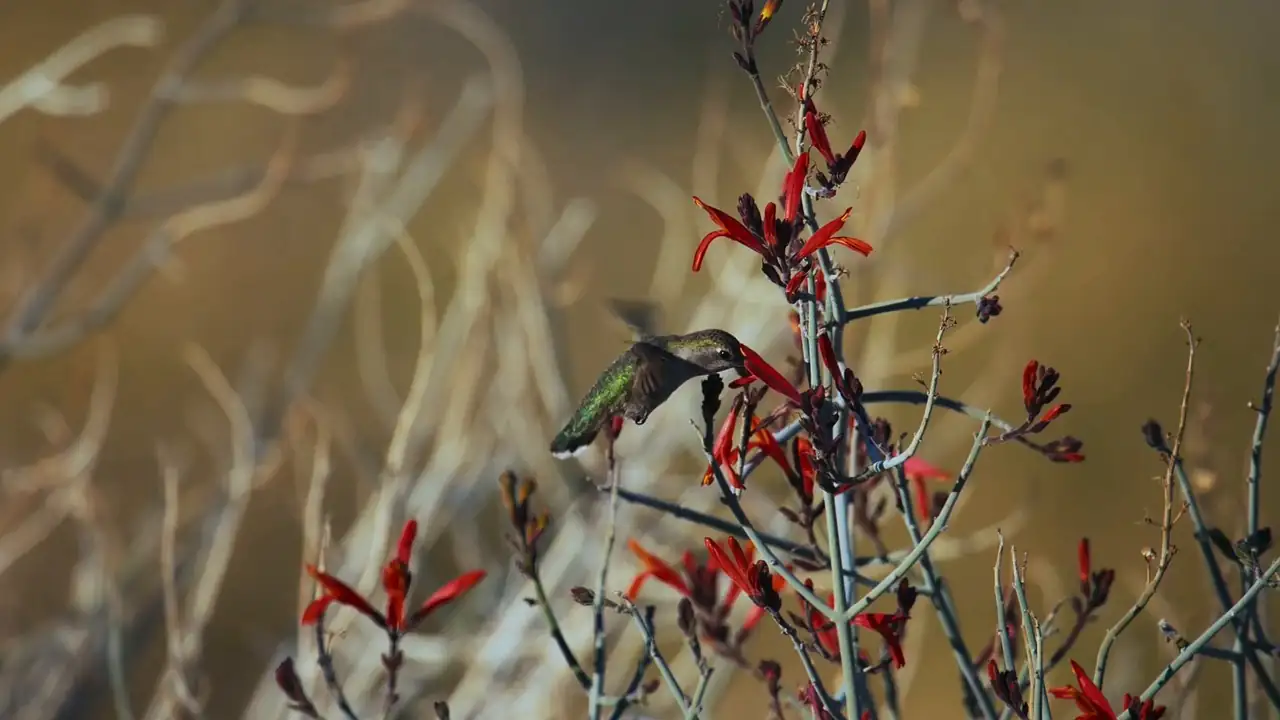
Imagine a flower that throws a color party, invites butterflies and hummingbirds, and then pulls a neat science trick with starry petals and a bullseye “eye” that literally points to dessert. That’s Annual Phlox (Phlox drummondii): a Texas native turned cottage-garden celebrity, notorious for self-sown plot twists and a seasonal cameo in the April “Pink Moon” lore.
Meet Annual Phlox (Phlox drummondii)
- Family: Polemoniaceae (the phlox family)
- Also called: Drummond’s Phlox, Medium Phlox, Annual Phlox
- Native roots: Texas, United States
- Habit and size: Upright, branching mounds about 15–60 cm (6–24 in) tall
- Bloom season: Mid-spring to mid-summer (roughly April–July), longer with deadheading
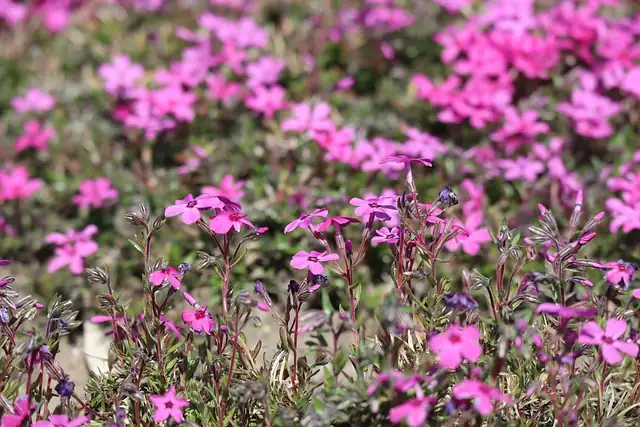
- What you see: Tight clusters of five-petaled, star-shaped flowers in pinks, purples, reds, whites, oranges, and heaps of bicolors—often with a contrasting central “eye”
- What you’ll smell/hear: A light, sweet fragrance and the steady buzz of bees, butterflies, and even hummingbirds
The sciencey charm: stars, eyes, and color tricks
Why the petals look like stars
Phlox drummondii sports a “trumpet” flower: a slender tube topped by five fused petals. The petal lobes flare out and are often slightly notched or pointed, creating that signature star silhouette when you look straight on. Massed together in dense clusters, the stars read as big “clouds of color” from a distance—one reason this plant shines in borders and containers.
The central “eye” is a nectar guide
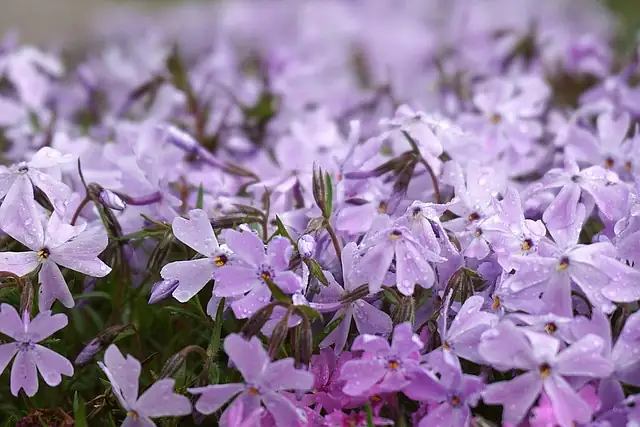
That contrasting center? It isn’t just cute—it’s useful. Many flowers paint visual cues called nectar guides that help pollinators land accurately and find the nectar. In annual phlox, the darker “eye” leads bees and butterflies right into the tube where the nectar pool sits. Think of it as runway lighting for pollinators. Bright red and hot pink forms can also lure hummingbirds, which zero in on saturated colors.
Bicolors and the genetics of surprise
Annual phlox is a natural show-off. You’ll see:
- Picotee edges (petal margins outlined in white)
- Pinwheels and starbursts (contrasting petal sectors)
- Rings and “halo” eyes
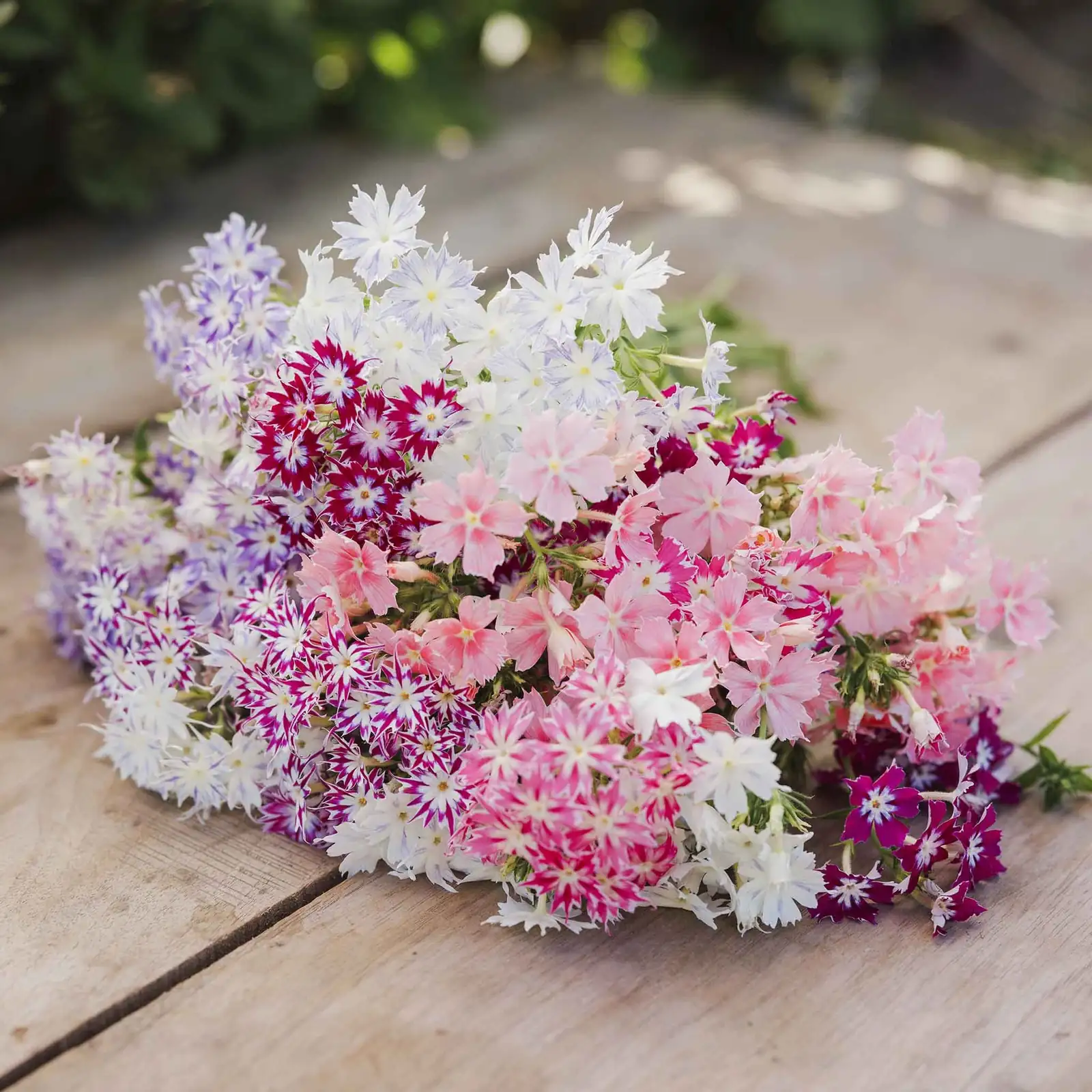
Behind the spectacle are pigments—especially anthocyanins—switched on and off in different petal zones by patterning genes. Because gardeners often grow open-pollinated mixes, seeds reshuffle those traits. Which brings us to the most charming quirk…
Self-sown color plot twists
Let annual phlox set seed and you may get volunteer seedlings next season. They’re not obligated to match the parent. Expect delightful color surprises—from fresh bicolors to unexpected solids—thanks to genetic recombination. Want a curated palette? Rogue out off-theme seedlings. Want maximum whimsy? Let the color carnival roll.
Pink Moon fame: how a wild phlox nicknamed April’s full moon
You’ll often hear that April’s full moon is called the “Pink Moon.” That nickname nods to early spring wild phlox coloring North American landscapes in rosy hues. While the moon doesn’t actually turn pink, annual phlox’s spring performance helps cement its status as a seasonal celebrity—right when gardeners are starved for bold color.
Design moves and favorite pairings
- Cottage borders: Tuck in front of roses or salvias for a soft, starlit skirt.
- Containers and window boxes: Compact forms bloom their heads off, even in pots.
- Rock gardens and sunny edges: Shorter varieties knit color between stones.
- Meadows and mass plantings: Create a “paint spill” of pinks, reds, and whites; in its native region, it’s a classic companion to other spring bloomers.
- Cut flowers: Taller selections make charming, sweetly scented stems for small bouquets.
How to grow it (no-fuss, maximum bloom)
Quick specs
- Sun: Full sun (6–8 hours) for heaviest flowering; partial shade helps in scorching summers
- Soil: Well-drained, fertile, and compost-enriched; prefers slightly alkaline to neutral (about pH 6.0–8.0)
- Temperature: Thrives in warmth (about 10–30°C / 50–86°F); not frost-hardy and sensitive below ~5°C (41°F)
- Water: Keep evenly moist—about 2.5 cm (1 in) per week; water at soil line to avoid mildew
- Spacing: 45–60 cm (18–24 in) for airflow and fuller clumps
From seed
- Timing: Start indoors 6–8 weeks before your last frost date; transplant after frost danger passes. In mild regions, you can direct-sow in early spring.
- How to sow: Sow shallowly—press seeds into the surface or barely cover; they prefer light for germination.
- Best germination temps: About 15–20°C (59–68°F)
- Pro tip: Pinch seedlings once they have a few sets of leaves to encourage bushy, flower-packed plants.
- Advanced option: Take soft cuttings in early to mid-summer for clonal repeats of a favorite color/pattern.
In the ground or in pots
- Prep: Work in compost; ensure sharp drainage (raised beds help in heavy soils).
- Feed: Start with a balanced fertilizer; go a touch higher in nitrogen early for leafy establishment, then switch to a bloom-leaning formula higher in phosphorus and potassium once buds form. Avoid heavy late-season nitrogen.
- Heat help: In extreme heat, offer light afternoon shade and steady moisture.
Keep the show going
- Deadhead: Remove spent clusters to trigger new flushes.
- Shear: If plants get leggy, cut back by one-third to one-half in early summer—then watch them rebound with fresh growth and blooms.
Troubleshooting and plant health
Powdery mildew (the usual suspect)
- Prevention: Space well, keep air moving, and water at the base (not over leaves), especially late in the day.
- Intervention: Remove badly affected foliage. If needed, use a labeled fungicide (sulfur-based products are common) on a 7–10 day schedule.
Pests (occasional visitors)
- Aphids, spider mites, leaf miners: Spray with insecticidal soap, encourage beneficial insects, and avoid drought stress.
Yellowing leaves?
- Most often: Overly wet soil or too little light.
- Fix: Improve drainage, let the top layer dry slightly between waterings, and aim for 6–8 hours of sun.
Safety note
- No significant toxicity is commonly reported for ornamental phlox, but it’s not a snack—discourage pets and kiddos from nibbling.
Cut-flower and wildlife notes
- Cutting tips: Harvest in cool morning hours when about half the florets are open. Strip lower leaves and place stems in clean, tepid water. Expect sweet cottage-style bouquets rather than long-haul florist stems.
- Pollinator magnetism: Expect bees, butterflies, and hummingbirds to treat annual phlox as a regular nectar bar—especially forms with strong color contrast and a clear “eye.”
A short backstory
“Phlox” comes from the Ancient Greek for “flame,” a nod to the flower’s hot colors. The species was famously collected in Texas by the Scottish botanist Thomas Drummond in the 1830s, after which seeds traveled to Europe and returned to North American gardens as a fully-fledged bedding star. Today, it’s grown far beyond its native range for that flamboyant, spring-into-summer display.
Flower language: what phlox whispers
Victorian floriography—the 19th-century trend of assigning meanings to flowers—cast phlox as a symbol of harmony and unity. In that tradition:
- Pink suggests affection
- White suggests purity
- Purple suggests wisdom or spirituality
- Red suggests passion
These meanings are cultural poetry rather than botanical fact, but they fit a plant that gathers pollinators, neighbors, and people around a shared love of color.
Quick FAQ
- Is annual phlox suitable for beginners?
Yes. Give it full sun, drainage, and regular deadheading, and it will shower you with color with very little fuss.
- Why are my leaves turning yellow?
Usually soggy soil or too little light. Improve drainage, let the topsoil dry slightly between waterings, and provide 6–8 hours of sun.
- How do I get more flowers and a longer bloom season?
Plant in full sun, deadhead often, avoid heavy late-season nitrogen, and switch to a bloom-boosting fertilizer once buds form. Keep moisture steady—no yo-yo drought.
- How can I prevent powdery mildew?
Space generously for airflow, water at the base, avoid wetting leaves late in the day, and promptly remove heavily infected foliage. Less crowding is often the best fix.
Plant at a glance
- Botanical name: Phlox drummondii
- Common name: Annual Phlox (a.k.a. Drummond’s Phlox)
- Height/spread: Typically 15–60 cm (6–24 in); compact clumps
- Foliage: Bright green, slightly soft-hairy; lower leaves opposite, upper leaves may be alternate; oblong to lance-shaped to about 7.5 cm (3 in)
- Flowers: Five-petaled stars in dense clusters; solid colors and bicolors with a contrasting “eye”
- Bloom time: Mid-spring to mid-summer; longer with deadheading
- Best uses: Beds, borders, cottage gardens, rock gardens, mass plantings, containers; taller forms make sweet cut flowers
Final thought: Plant annual phlox for the science, stay for the spectacle. Between the starry petals, nectar-guiding eyes, and self-sown color capers, this Texas native turns every spring into a standing ovation—right on cue with the Pink Moon.


