

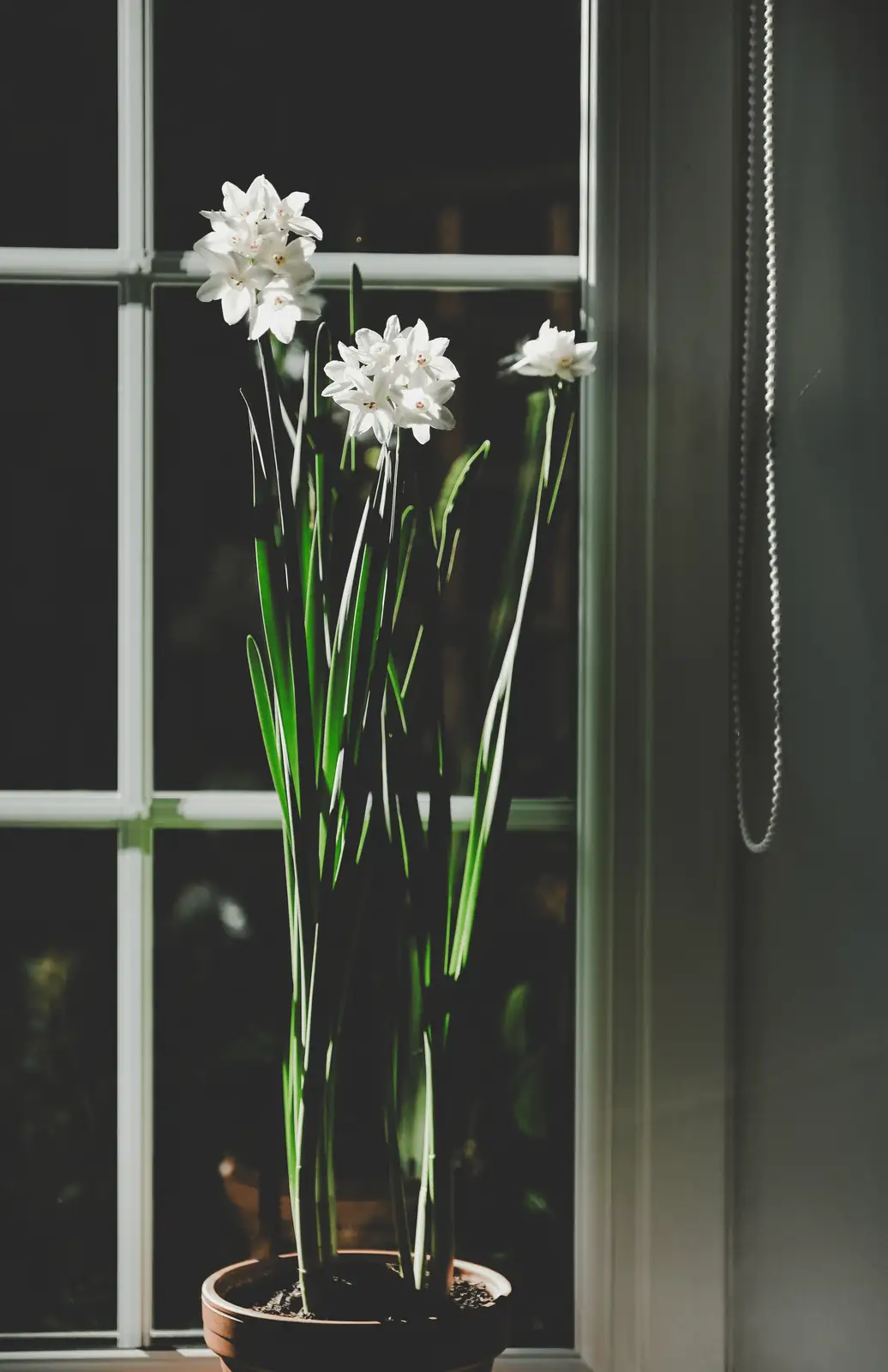
Breathe in that sweet, winter citrus-perfume and you’ll know why Narcissus tazetta—paperwhites, Chinese Sacred Lily, bunch-flowered daffodil—has been cherished across the Mediterranean and East Asia for centuries. Now for the fun part: multiplying that magic. This masterclass shows you exactly when to divide, how to raise offsets to blooming size, and the advanced basal‑plate/scale techniques that can turn one bulb into dozens. We’ll also map out when your young bulblets finally flower, so you can plan a steady parade of winter blooms.
Know your plant: why tazettas multiply so well
- Identity: Narcissus tazetta (Amaryllidaceae), the notably fragrant “winter daffodil” with clusters of small white blooms and a tiny cup.
- Rhythm: Cool-season grower, winter–spring flowering, then summer dormancy.
- Indoors vs. outdoors: Famous for easy indoor forcing in pebbles and water, but also perennial outdoors in mild climates (roughly USDA Zones 8–10/11, with protection from hard freezes).
- Natural clumping: Tazettas steadily make offsets—small bulbs hugging the parent—so a single planting becomes a fuller clump over time.
Tip for sturdier, more floriferous plants you’ll later divide: grow bright and cool. Aim for 10–20°C (50–68°F), even 5–15°C (41–59°F) for extra-compact growth. Weak, floppy stems are almost always warmth + low light.
Timing is everything: when (and how) to divide
Dividing at the right moment sets you up for fast, healthy increase.
Best window to lift and split
- Wait until foliage has finished feeding the bulb. After flowering, keep leaves in bright light until they turn fully yellow—usually 6–8 weeks—then let the clump enter summer dormancy.
- In mild climates: lift and divide in late spring to mid-summer once foliage is down and soil has dried somewhat.
- Indoors (forced bulbs): grow on after bloom in bright light; when leaves yellow and die back, let the bulbs dry, then divide and repot or store cool/dry for autumn planting.
Signs a clump is ready
- Crowded noses at the soil surface
- Smaller flowers or fewer stems than in previous years
- Bulbs pushing themselves shallow or sideways
Step-by-step division
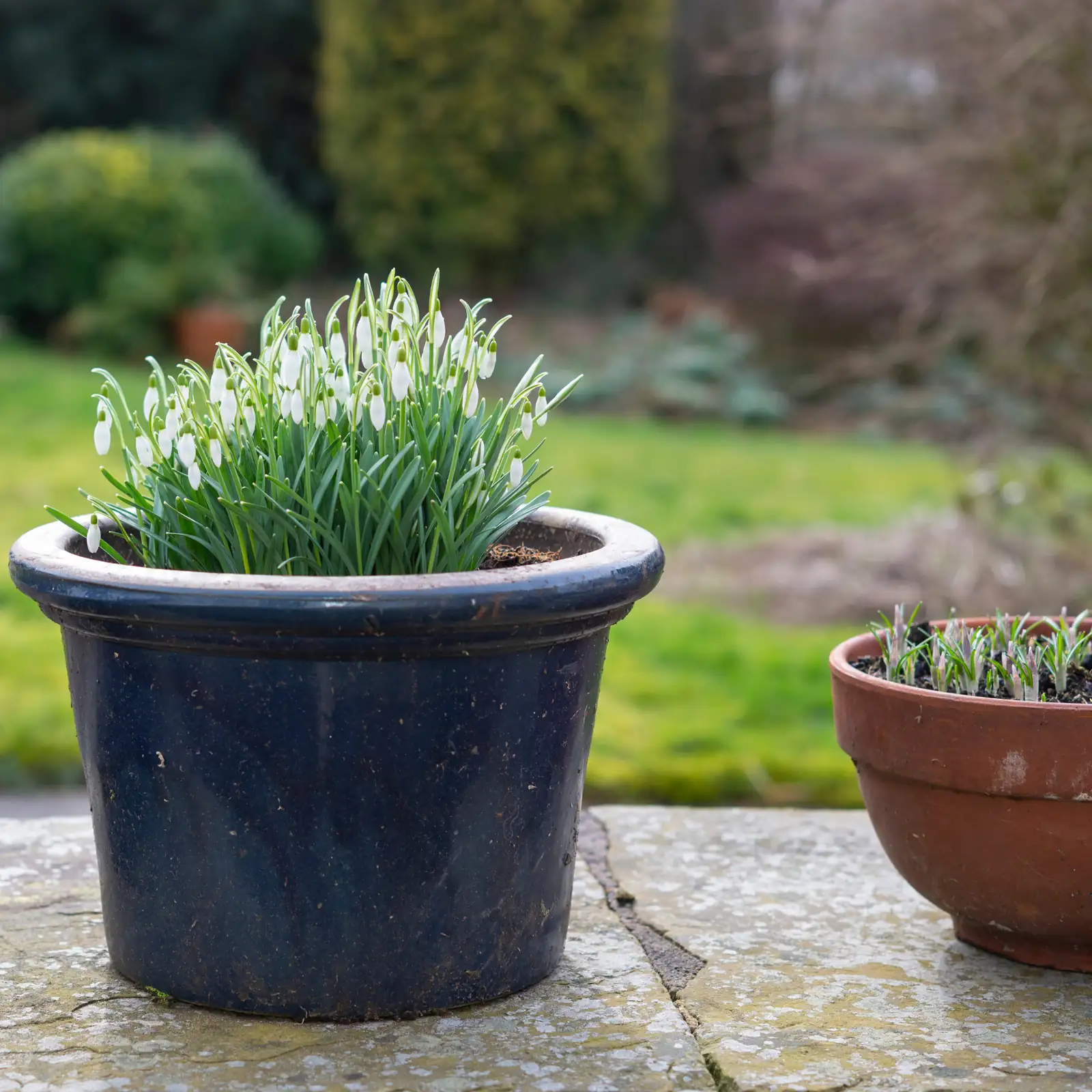
- Lift gently: Loosen the soil around the clump; lever up with a fork to avoid spearing bulbs.
- Tease apart: Separate offsets from the mother bulb by hand. Keep basal plates intact.
- Inspect: Discard or trim away soft, moldy, or pest-riddled tissue. Firm, heavy bulbs = keepers.
- Heal: Let any nicks dry (callus) in airy shade for a day.
- Replant:
- Depth: Plant at roughly 2–3× bulb height (shallower depths can encourage more offsets later; see “Boosting bulb count”).
- Spacing: 7–10 cm (3–4 in) between bulbs in pots; a touch wider in the ground.
- Mix: Free-draining bulb compost (about 2 parts potting mix to 1 part grit).
- Water: Moisten once, then keep just barely moist until new roots begin in cool weather.

Offset aftercare: turning babies into bloomers
Treat offsets like teenagers with big appetites and short attention spans—steady light, cool temps, and clean, not soggy, shoes.
- Light: Very bright light or full sun in cool seasons. Indoors, a bright east/south window.
- Temperature: 10–20°C (50–68°F) is ideal; cooler rooms (5–15°C / 41–59°F) keep growth compact.
- Water: Evenly moist, never waterlogged; excellent drainage is nonnegotiable.
- Feeding: If you plan to keep bulbs long term, feed lightly during active growth (about every 2 weeks at half strength) until foliage yellows. Avoid high-nitrogen formulas.
- Hygiene: Good airflow; refresh water frequently if rooting in pebbles (keep bulbs themselves mostly dry).
- Pests/disease watch: Remove any decaying tissue promptly; store and grow with airflow to deter blue mold and rot. In regions with narcissus bulb fly or mites, use clean stock and consider mesh or fleece protection outdoors right after flowering.
How long to bloom? Smaller offsets generally need 2–3 years to reach flowering size; sizable offsets may flower a little sooner, but plan on two seasons.
How to boost bulb count (before you reach for a knife)
You can nudge paperwhites to multiply faster with cultural tweaks:
- Give them the sun they crave in cool weather. Bright light fuels next year’s offsets and flowers.
- Keep them cool while growing. Prolonged warmth weakens bulbs and shortens bloom life.
- Don’t cut foliage early. Let leaves die back naturally after flowering; this is when offsets are “paid for.”
- Feed modestly after bloom. Light, balanced feeding while leaves are still green equals bigger bulbs and more babies.
- Plant slightly shallower. Replanting at the shallower end of the normal range can encourage more offsetting.
- Divide before congestion strangles performance. Every 4–5 years (or when you see the signs) is a good rhythm.
Advanced propagation: basal‑plate and scale techniques
Ready to go pro? These methods let you turn one excellent bulb into many genetically identical bulblets. Cleanliness and temperature control make or break your success.
Tools and setup
- Sterile, sharp knife or scalpel; alcohol or flame for sterilizing
- Powdered fungicide or sulfur (optional but helpful)
- Zip bags or lidded boxes; moist (not wet) sterile vermiculite or perlite
- Labels and dates (you’ll thank yourself)
- A warm, dark place for incubation and a cool, bright spot for growing on
Pre‑chill to prime
Chill whole bulbs 4–10°C (39–50°F) for 4–8 weeks. This primes them physiologically and improves take when you cut.
Technique 1: Twin‑scaling (high-yield, reliable)
- Trim and sterilize: Remove the dry tunic and old roots; sterilize your blade.
- Slice into chips: Cut the bulb vertically into 8–16 wedge-shaped segments, each including a sliver of basal plate.
- Make “twins”: Split each wedge into two scales still joined by that basal-plate sliver (the growth engine).
- Dust and bag: Lightly dust cut surfaces with fungicide; pack twins into a bag/box of barely moist, sterile vermiculite.
- Incubate: Keep in darkness at 20–28°C (68–82°F). Check periodically. Tiny bulblets usually appear at the base within 8–12 weeks.
- Pot up: Once bulblets form, set twins just below the surface of a gritty bulb mix. Grow cool and bright.

Yield: Dozens of bulblets from one large bulb. Flowering: commonly 2–3 years.
Technique 2: Basal‑plate scoring/notching (gentler, bulb often survives)
- Prepare: Peel the dry tunic, clean the basal plate.
- Score: Make two shallow, perpendicular cuts across the basal plate (do not slice through the whole bulb).
- Dust: Apply sulfur/fungicide to the cuts.
- Incubate: Place the bulb upside‑down or basal‑plate‑down on sterile, just‑moist medium in a dark, warm spot (20–25°C). Good airflow, not wetness.
- Wait: Over several weeks to a few months, bulblets form around the wounded rim.
- Pot and grow on: Plant the mother with attached bulblets; separate later if desired.
Yield: Fewer bulblets per bulb than twin‑scaling, but it preserves the mother more often.
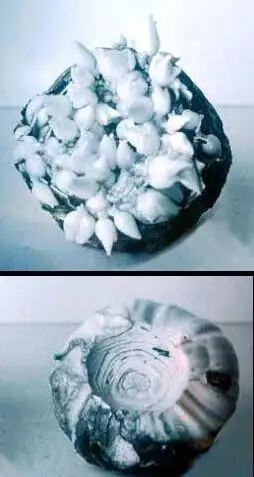
Technique 3: Basal‑plate chipping (between scoring and twin‑scaling)
- Chip the bulb into multiple wedge sections, each with basal plate attached; incubate as above. This is a precursor to twin‑scaling and also yields plentiful bulblets.
After‑incubation care for newborns
- First potting: Place bulblets 5–10 mm deep in a sterilized, gritty mix; keep evenly moist, never soggy.
- Light and temperature: Bright, indirect light at 10–20°C. Avoid heat above 25°C, which encourages weak growth and rot.
- Nutrition: Begin very light feeding once growth is steady. Increase only as plants size up.
- Patience: Maintain a cool, bright growth cycle with a dry, airy summer rest. Expect first flowers in about 2–3 years.
When will young bulblets finally flower? A practical timeline
- Offsets from division:
- Year 0 (after division): Root and leaf.
- Year 1: Bulb bulks up; unlikely to bloom unless very large.
- Year 2–3: First flowers typical.
- Twin‑scaled or chipped bulblets:
- Month 2–3: Bulblets form in incubation.
- Year 1: Establish and leaf.
- Year 2–3: Reach flowering size and bloom in winter–spring.
- From seed (for completeness): Usually 5–6 years.
Size matters: the closer a bulblet is to a full‑sized bulb by late spring, the sooner it flowers next winter. Your best accelerators are bright light, cool growing temperatures, and never cutting green leaves.
Troubleshooting your propagation projects
- Rot in bags or trays: Media too wet or too warm; improve hygiene, reduce moisture, and keep within 20–28°C in darkness only during incubation.
- Blue mold on stored bulbs: Increase ventilation; keep storage cool and dry; remove infected tissue.
- Floppy, pale seedlings: Move to stronger light and cooler air; rotate pots for even growth.
- Leaves without flowers in established clumps: Bulbs too small/young, foliage cut too early last time, crowding, or insufficient light. Correct the cause; tazettas don’t require heavy chilling to bloom.
Safety first
All parts, especially bulbs, are toxic to people and pets. Sap can irritate skin. Wear gloves when cutting or handling bulbs, keep materials away from children and animals, and wash up after work.
A brief cultural note: what these blooms “say”
In East Asia, 水仙 is a beloved winter and Lunar New Year emblem of renewal, luck, and a flourishing home—partly because it flowers while the world outside still sleeps. Western lore links Narcissus to the myth of the youth who fell for his reflection, so daffodils can hint at self‑regard; yet in the garden their earliest blooms just as often symbolize hope and new beginnings. Flower language is cultural shorthand rather than botany, but it explains why a bowl of paperwhites on a windowsill feels like a promise kept.
—
Multiply wisely, grow cool and bright, and never rush the green phase. With clean cuts and a little patience, Narcissus tazetta will repay you—first with a constellation of tiny new bulbs, then with weeks of winter fragrance when you need it most.


