

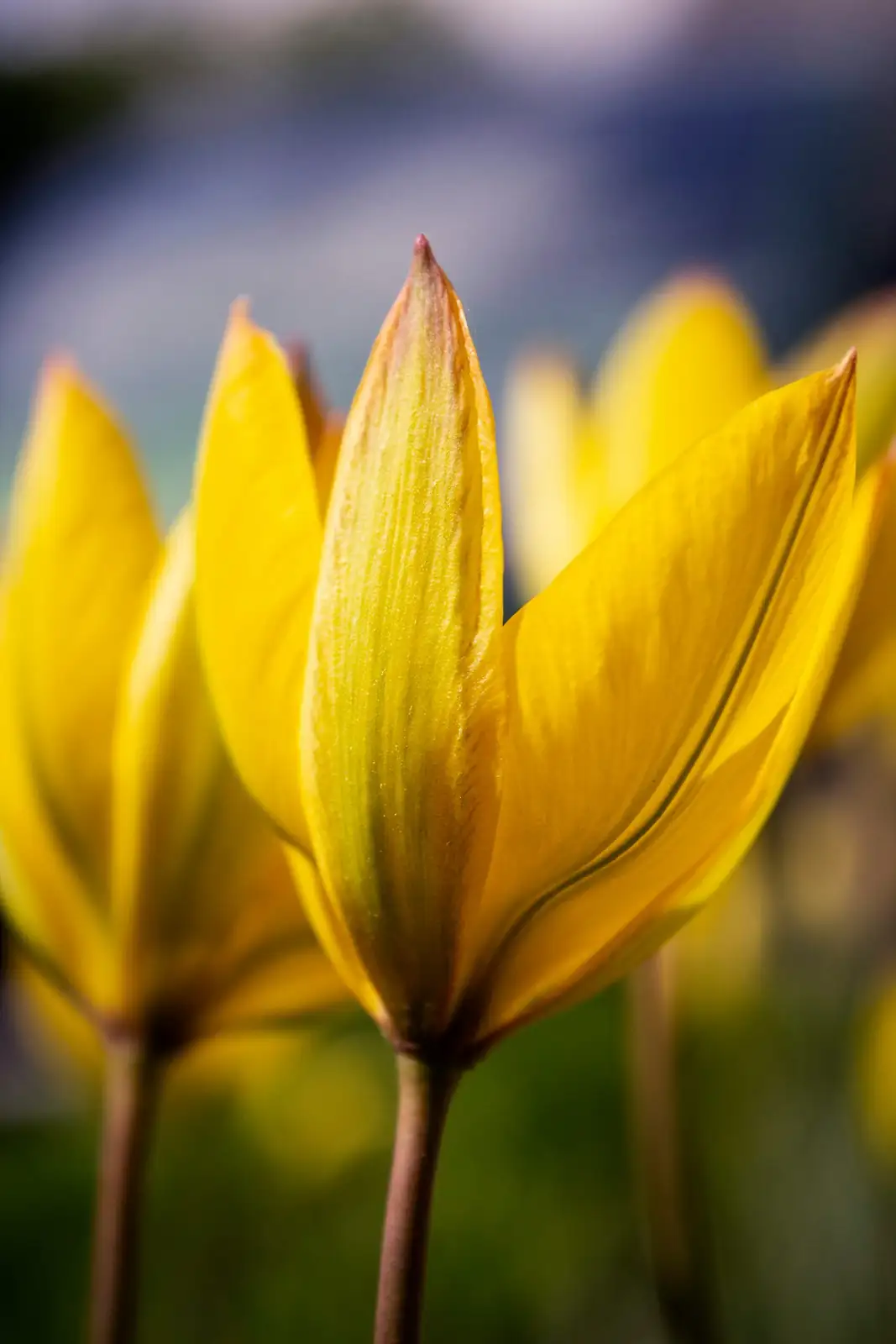
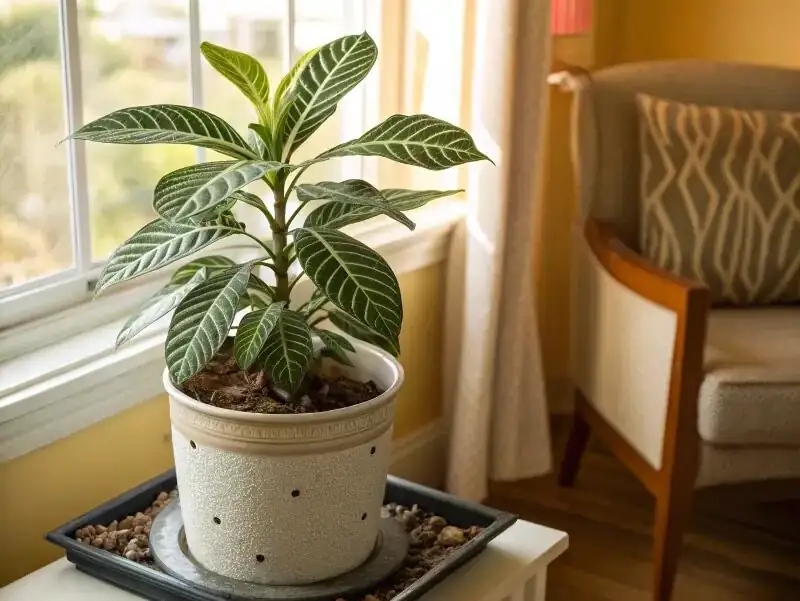
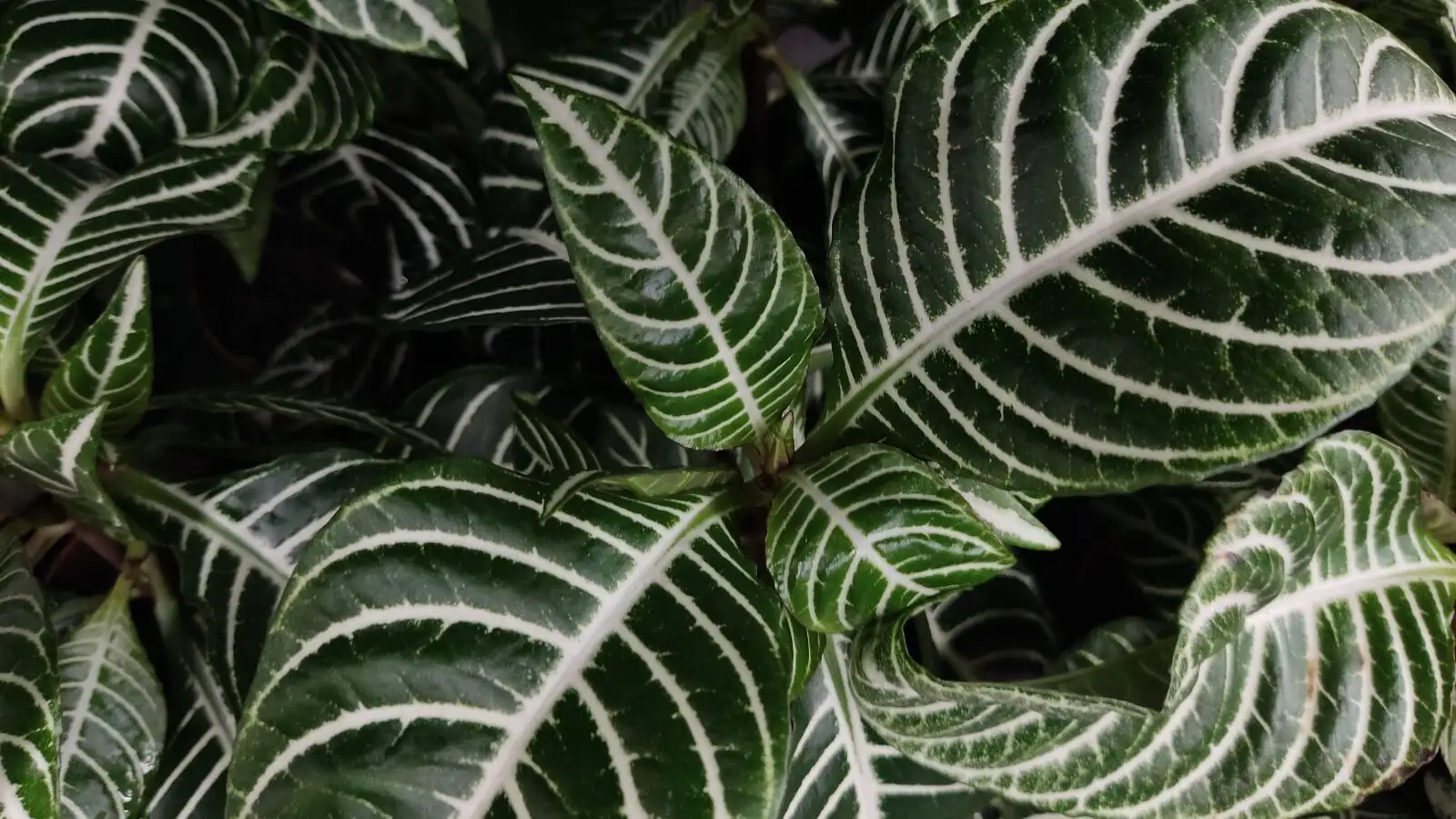
Imagine the Zebra Plant as the diva of your indoor jungle—glossy, deep-green leaves struck through with creamy-white veins and a crown of upright, golden bracts that hold their glow for weeks. Now give that diva a supportive entourage. When Aphelandra squarrosa is grouped with the right humidity-loving companions, the whole cast breathes better, stays lusher, and puts on longer, brighter bract displays. Welcome to rainforest-style plant keeping, where you curate with light, moisture, and microclimate in mind.
Meet Aphelandra squarrosa, the Zebra Plant
- Origin: Atlantic Forest of southeastern Brazil
- Look: Evergreen, glossy leaves dramatically etched with creamy-white “zebra” veins; bracts are bright yellow and long-lasting; true flowers are smaller orange tubular blooms tucked between bracts
- Habit & size: Upright, compact subshrub; commonly around 60 × 60 cm indoors; can get leggy in low light but responds well to pinching and post-bloom pruning
- Light & warmth: Bright, indirect light to partial shade; happiest around 15–27°C, with buds forming more reliably above about 20°C
- Moisture & humidity: Evenly moist—not waterlogged—and medium-high to high humidity; baseline around 50–60%, happiest nearer 60–80%
Why it matters for grouping: Zebra Plant’s biggest stressors are dry air, cold drafts, and allowing the potting mix to dry out. Solve those—and you solve the plant.
Why Companions Make Aphelandra Better
In nature, tropical plants share moisture through a process you can harness at home:
- Transpiration teamwork: Each plant releases water vapor, which can nudge the local humidity several percentage points higher than room average.
- Microclimate buffering: Grouping reduces harsh airflow, evens out temperature swings, and lowers vapor pressure deficit—slowing leaf-edge crisping and helping bracts hold longer.
- Pest prevention assist: Spider mites despise humid air; raise humidity and you tilt the odds in your favor (while keeping airflow healthy to avoid leaf spot).
Target numbers for the “Zebra Zone”:
- Humidity: 60–80% is the sweet spot (use a hygrometer)
- Light: Bright, indirect; a gentle morning sunbeam is fine, but avoid harsh midday rays
- Moisture: Evenly moist during active growth; let only the surface begin to dry before watering again
The Rules of a Thriving Zebra Guild
Think of this as rainforest choreography—everyone enjoys the same light, warmth, and watering rhythm.
1) Match light first
- Place near an east-facing window or back from a bright south/west window (filtered).
- North windows can work in summer; in winter, give the brightest warm spot away from cold glass.
2) Keep an “evenly moist” cohort
- Avoid mixing in drought-lovers (cacti, succulents, Hoyas, snake plants). You want plants that appreciate steady moisture and humidity.
3) Warmth and draft protection
- Aim for 15–27°C; many growers see better bud set and bract performance above 20°C.
- Shield from cold blasts—winter chills can trigger leaf drop.
4) Airflow without gusts
- Cluster plants with a few centimeters between pots so leaves don’t stay wet for hours.
- A small fan on low across the room keeps air moving without chilling.
5) Soil and pot harmony
- Use a rich, airy, moisture-retentive mix (peat/coco + perlite/bark).
- Ensure drainage holes; don’t oversize. Typical mature pot: 15–20 cm, refreshed yearly in spring.
6) Hydration helpers
- Pebble trays beneath the group, a room humidifier nearby, and occasional light misting (avoid late-evening misting or constantly wet foliage).
Curated Companions: Plants That Like What Aphelandra Likes
Choose from these humidity-forward teammates that share bright, indirect light and appreciate evenly moist, well-aerated media.
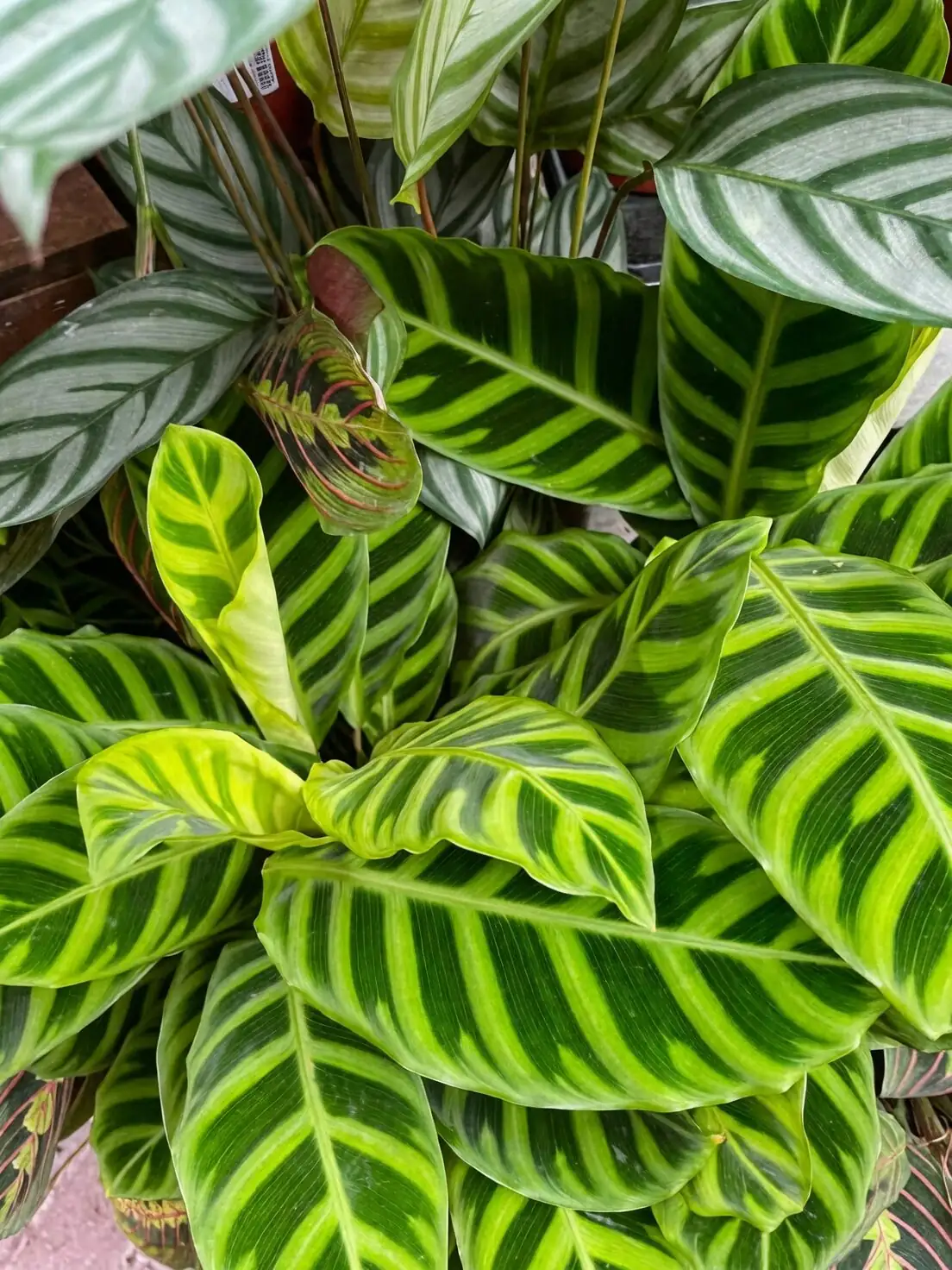
- Goeppertia (Calathea) species such as G. orbifolia or G. roseopicta
- High humidity lovers; similar moisture and light; dramatic foliage echoes Zebra Plant’s bold patterning.
- Maranta leuconeura (Prayer Plant)
- Thrives in warmth and humidity; enjoys steady moisture; beautiful understory accent.
- Stromanthe sanguinea ‘Triostar’
- Loves bright, filtered light and humid air; pink-and-cream variegation flatters yellow bracts.
- Fittonia albivenis (Nerve Plant)
- Perfect “groundcover” in a grouped tray; likes consistently moist soil and high humidity.
- Spathiphyllum (Peace Lily)
- Moisture- and humidity-friendly; glossy leaves complement Aphelandra’s sheen; clear wilt signals help you time watering.
- Ferns (choose by tolerance)
- Nephrolepis exaltata (Boston fern): forgiving, plush humidity donor.
- Asplenium nidus (Bird’s nest fern): thicker leaves, tolerates a range of humidities; keep crown dry.
- Adiantum (Maidenhair): exquisite but exacting—best for confident humid-home keepers.
- Anthurium (flowering hybrids)
- Bright, filtered light; warm and humid; evenly moist substrate; sculptural flowers pair well with Aphelandra’s bracts.
- Syngonium podophyllum
- Enjoys humidity and steady moisture; adaptable and easy companion.
- Pilea cadierei (Aluminum Plant)
- Bright indirect light, appreciates humidity, and likes regular moisture.
- Episcia (Flame Violet)
- Warm, humid, evenly moist; avoid cold drafts; low, textural companion.
Plants to skip in the Zebra Guild:
- Water-sparing species such as succulents, cacti, snake plants, ZZ plants, and many Hoyas—these prefer to dry between waterings.
Design Recipes: Groupings That Build a Stable Microclimate
1) East-Window “Rainforest Ledge”
- Centerpiece: Aphelandra squarrosa
- Flanks: Calathea orbifolia + Bird’s nest fern
- Groundcover tray: Fittonia + pebbles + shallow water below pot bases
- Add-ons: A small humidifier on a timer; hygrometer tucked among the leaves
- Result: Bright, filtered light; gently rising morning humidity; leaves stay glossy and bracts hold longer
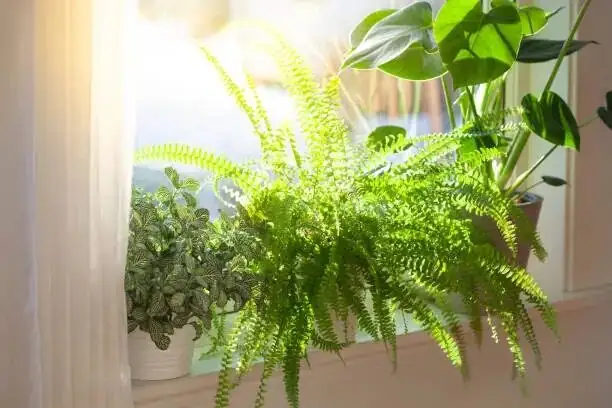
2) Steamy Bathroom Ensemble
- Centerpiece: Zebra Plant on a stool or plant stand
- Surround: Peace lily + Boston fern + Maranta on the vanity
- Tip: Keep the group a little away from showers to avoid constant leaf wetness; rely on steam cycles for daily humidity bumps
- Result: Day-to-day humidity swings even out, minimizing leaf-edge browning
3) Warm North-Window Nook (Spring–Summer)
- Centerpiece: Aphelandra with Syngonium climbing a mini-moss pole
- Accent: Episcia in a low bowl; Pilea cadierei for silvery sparkle
- Support: Pebble trays and a discreet fan for gentle circulation
- Result: Soft light, stable moisture, a cool-to-hot weather buffer courtesy of grouped transpiration
Watering and Feeding as a Team
- Watering rhythm: In warm, bright seasons, water when the top layer just begins to dry—often about twice per week, depending on pot size, light, and humidity. In winter, let the surface become nearly dry before watering again (often every 7–14 days). Never let the root ball fully dry.
- Water quality: Rainwater or distilled water helps prevent salt stress that can crisp leaf edges on Zebra Plant and many of its companions.
- Fertilizing: Feed every 2 weeks in spring/summer with a balanced liquid fertilizer (many growers use half-strength). Reduce in autumn; pause or feed lightly in winter unless growth continues in warm, bright conditions.
- Repotting: Refresh Aphelandra yearly in spring; move up one pot size only if rootbound. Companions that share similar schedules make maintenance simple.
Keep the Show Going: Bracts, Buds, and Pruning
- Encourage blooms: Bright, indirect light and consistent warmth—many see better bud set above about 20°C.
- Longevity of display: Stable humidity (ideally 60–80%) plus even moisture helps bracts stay plump and colorful for weeks.
- After the show: Snip spent spikes and cut stems back to just above lower leaves to prompt branching and a fuller canopy. Pinch tips regularly to prevent legginess.
Troubleshooting in a Grouped Setting
- Leaf drop on Zebra Plant
- Common triggers: Drying out even once, cold drafts, or sudden temperature swings.
- Fix: Return to evenly moist care, raise humidity above 50% (ideally higher), keep warm, protect from drafts.
- Crispy edges
- Often low humidity or salt buildup; increase humidity and flush soil periodically with clean water.
- Pests
- Spider mites, mealybugs, scale, aphids, and occasional thrips. Humidity can deter mites, but don’t rely on it alone—inspect often. Treat early with insecticidal soap or horticultural oil.
- Leaf spot risk
- Avoid leaving foliage wet for hours; don’t splash leaves late in the day; ensure the pot drains freely and airflow stays gentle but steady.
Safety Notes
- Not widely listed as seriously toxic to cats or dogs, but any plant can cause mild stomach upset if chewed. Sap may irritate sensitive skin. Place out of reach as a precaution.
The “Language” of Zebra Plant
While not part of historical floriography, modern plant lovers often link Aphelandra squarrosa with boldness and vibrant energy. The high-contrast “zebra” leaves read as confidence; the upright golden bracts feel like a celebratory exclamation point. In a grouped display, it becomes a living metaphor for strength in community—each plant amplifying the others.
Seasonal Guild Checklist
- Spring
- Repot Zebra Plant into fresh, airy mix; resume every-2-weeks feeding; take stem cuttings (8–15 cm tips root best around 25–27°C); pinch tips to keep bushy.
- Summer
- Bright, indirect light; keep evenly moist; run humidifier or rely on pebble trays and grouping; scout for spider mites in dry spells.
- Autumn
- Enjoy peak bloom potential; continue steady moisture; taper feeding as growth slows; maintain warmth for bract longevity.
- Winter
- Move to the brightest warm spot away from cold glass; water when the surface is nearly dry; keep humidity up; minimal feeding unless active growth continues.
Bring your Zebra Plant together with humidity-happy neighbors, and you’ll notice the difference: firmer, shinier leaves; fewer crispy edges; and golden bracts that stay glorious for longer. In a world of solo potted plants, sometimes the healthiest choice is to grow as a rainforest—together.