

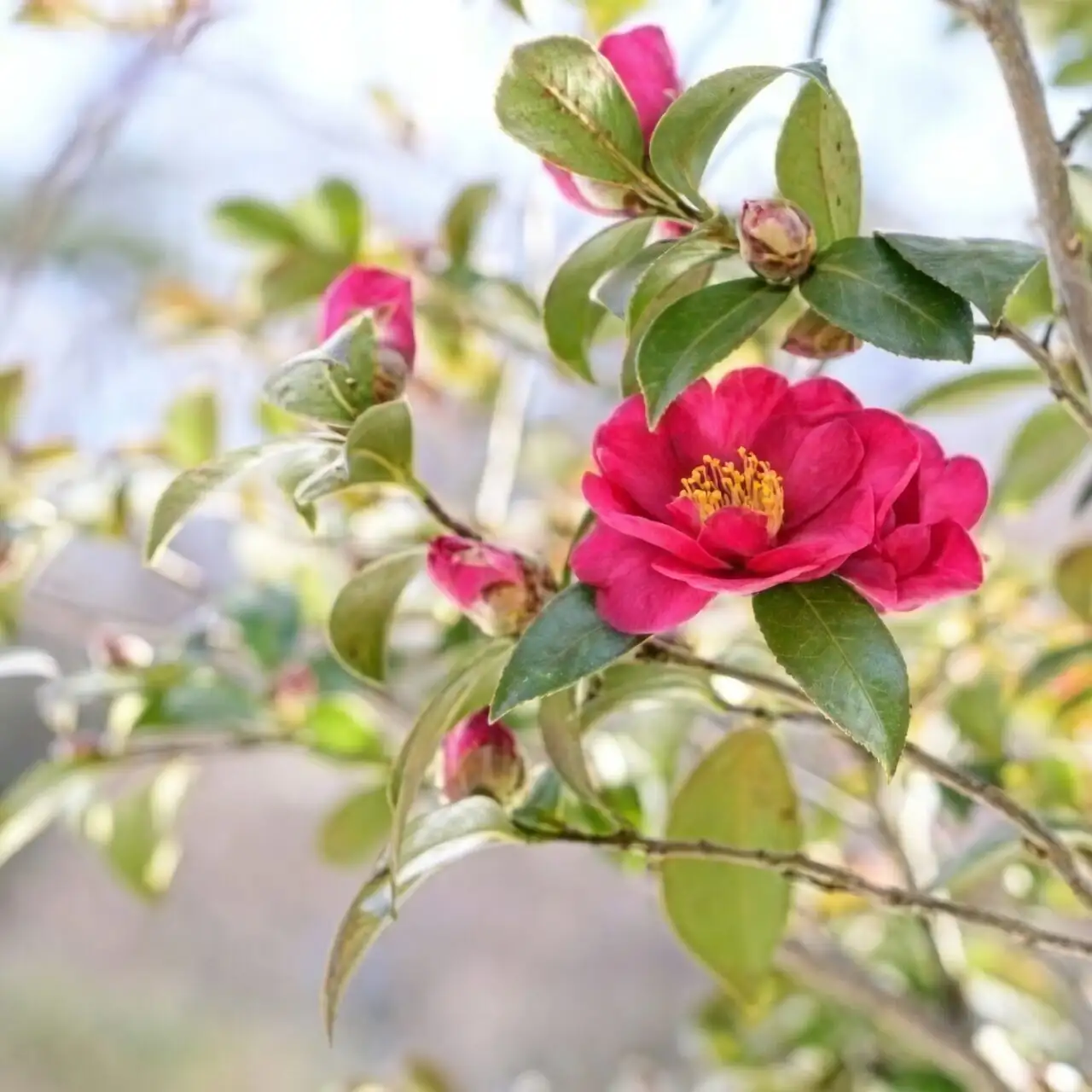
When a Sasanqua Camellia (Camellia sasanqua) throws a tantrum, it’s usually saying the same few things: “I’m thirsty—or drowning,” “I can’t breathe,” or “There’s a crowd of sap‑suckers at the buffet.” Here’s your fast, friendly triage for the five most common issues—bud drop, anthracnose leaf spots, scale, aphids, and the sooty mold that follows—plus quick fixes and simple prevention checks for light and temperature swings.
First, what this plant wants (the 30‑second check)
- Light: Bright light to full sun; in hot summers, shield from harsh midday sun. Partial shade is fine. Indoors for short display: an extremely bright window.
- Temperature: Best at 18–25°C (64–77°F). For indoor bloom display, cool is king: 8–10°C (46–50°F). Container plants overwinter best at 3–6°C (37–43°F). Brief dips to about −10°C (14°F) are tolerable in-ground, depending on cultivar and shelter. Prolonged heat above 38°C (100°F) can scorch buds/leaves.
- Moisture: Evenly moist, never bone‑dry or waterlogged. Let excess water drain freely.
- Airflow and humidity: Good ventilation with moderately high humidity (about 70–80%). Avoid very dry, stagnant air.
- Soil: Slightly acidic, well‑drained mix (composted bark/leaf mold + peat substitute + coarse grit/sand).
If any of the above is off, fix that first—most problems ease once the plant’s comfort zone is restored.
—
The 5‑minute triage: look, feel, fix
1) Bud drop (buds yellow, shrivel, or fall before opening)
- How it looks
- Buds browning or dropping en masse; sometimes leaves look fine.
- Why it happens
- Uneven moisture (dry → wet cycles, or waterlogging)
- Temperature or light swings (drafts, heater/AC vents, hot noon sun after shade)
- Hot spells (above ~38°C/100°F) or very dry indoor air
- Fast fix today
- Water deeply, then let excess drain; keep soil evenly moist.
- Move to bright light with protection from harsh midday sun. For indoor display, aim for a cool 8–10°C (46–50°F).
- Keep away from vents and sudden drafts; steady conditions mean steady buds.
- Prevention
- Set a consistent watering rhythm: in summer, often daily; in winter, typically every 3–5 days—always check soil first.
- Use a moisture‑retentive but free‑draining acidic mix.
- Avoid relocating or rotating the plant drastically while in bud.
- Shade cloth (~50%) in warm regions helps buffer heat spikes.
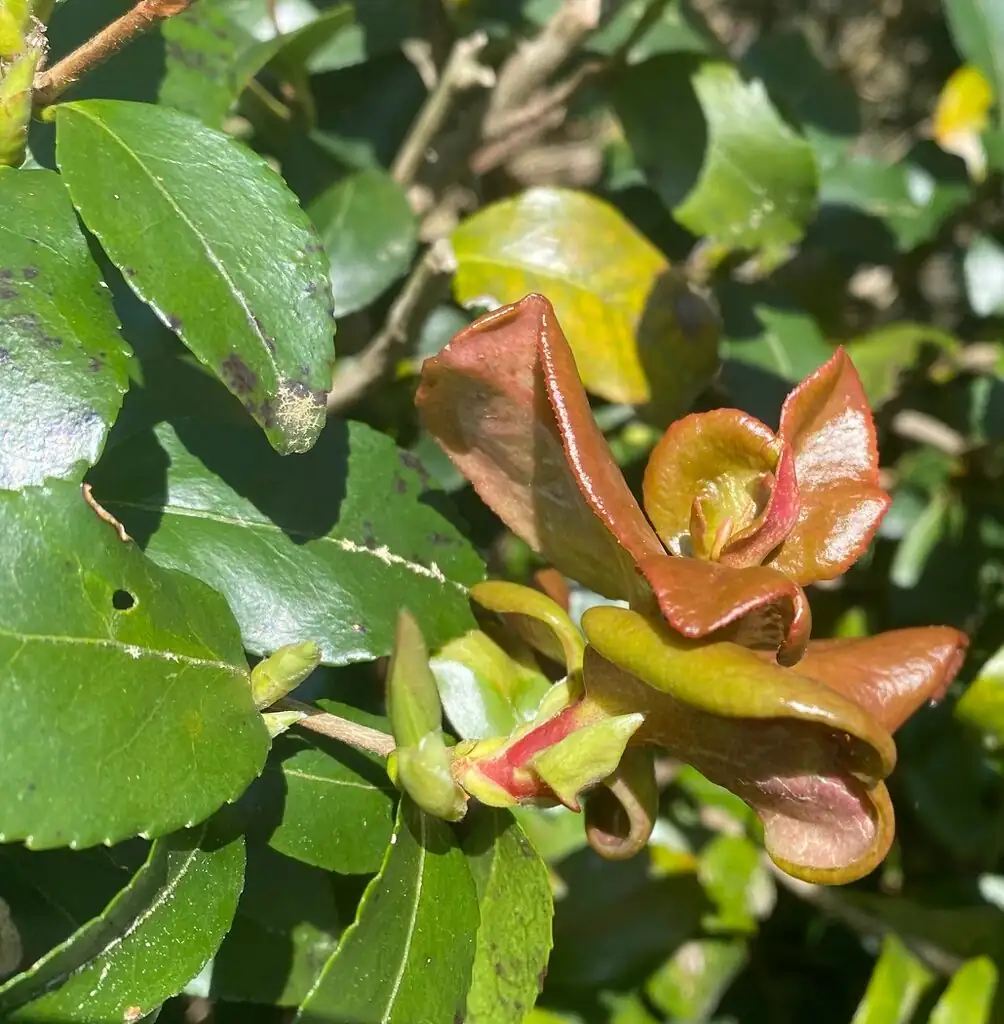
2) Anthracnose leaf spots (gray‑white or tan lesions, often near edges)
- How it looks
- Circular to irregular pale spots, sometimes merging; worst on poorly ventilated, damp foliage.
- Why it happens
- Wet leaves + still air invite fungal infection; splashing spreads it.
- Fast fix today
- Gently remove and bin infected leaves—don’t compost.
- Improve airflow: space plants, open a window/fan (no cold blasts), thin crowded twigs after flowering.
- Keep foliage dry late in the day; water soil, not leaves.
- Severe cases: apply a fungicide labeled for anthracnose on ornamental shrubs; follow the label exactly.
- Prevention
- Prune after flowering to open the canopy.
- Morning watering only; avoid overhead irrigation late in the day.
- Maintain steady, bright light and avoid temperature shocks that stress foliage.
3) Scale insects (especially tea scale)
- How it looks
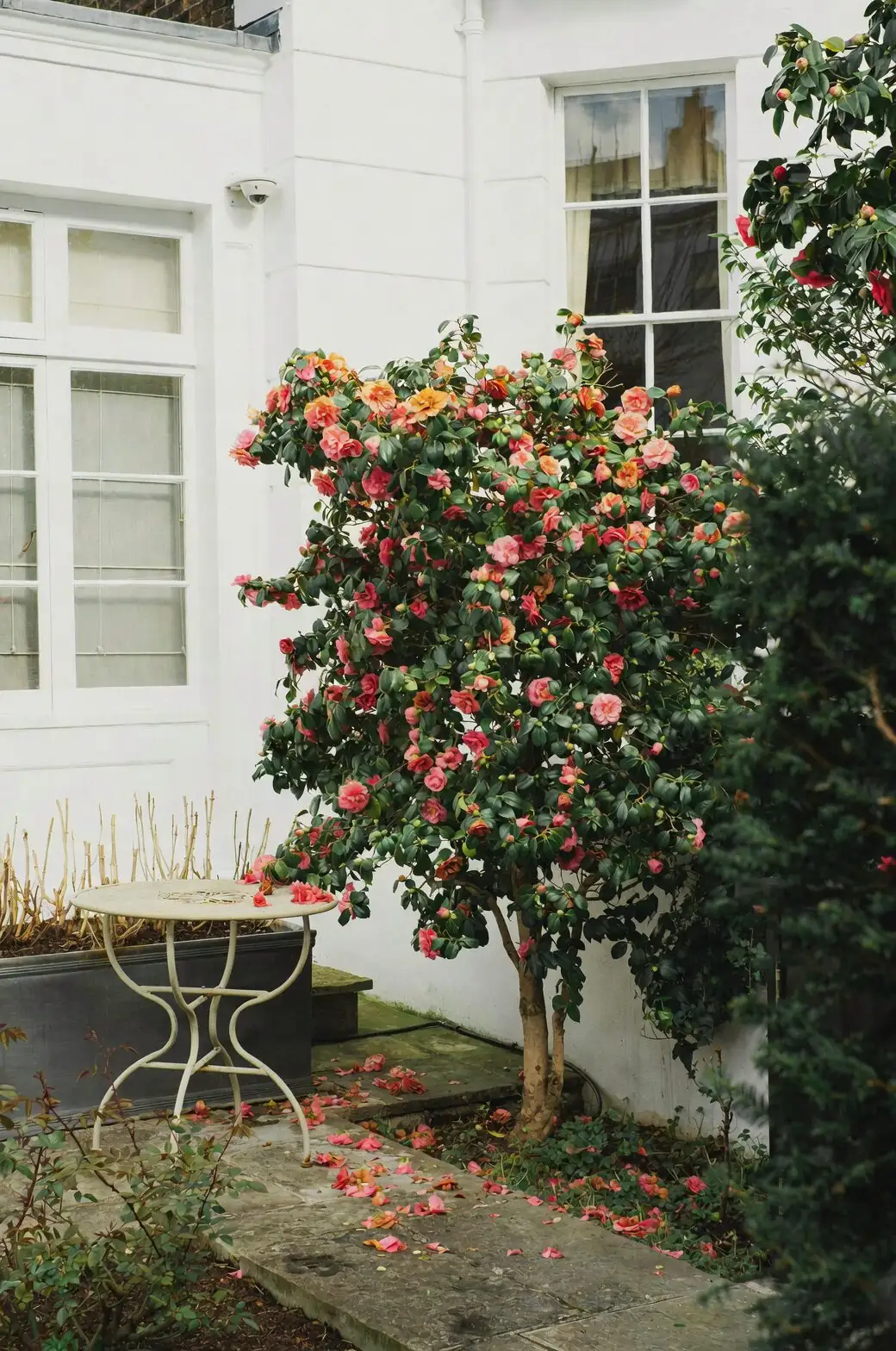
- Upper leaf surfaces show yellow mottling; undersides dotted with tiny brown bumps (females) and cottony white flecks (males). Sticky honeydew may be present.
- Why it happens
- Still air, low light, and dense canopies favor infestations.
- Fast fix today
- Spray thorough coverage of horticultural oil or insecticidal soap (include leaf undersides and interior stems). Repeat per label, often 7–10 days later to hit the mobile “crawler” stage.
- Wipe heavily infested leaves to remove residue and honeydew.
- Prevention
- Increase light and ventilation; thin crowded growth after flowering.
- Inspect undersides of leaves weekly during warm months.
- Quarantine new plants and clean pruning tools.
4) Aphids (on tender new growth and buds)
- How it looks
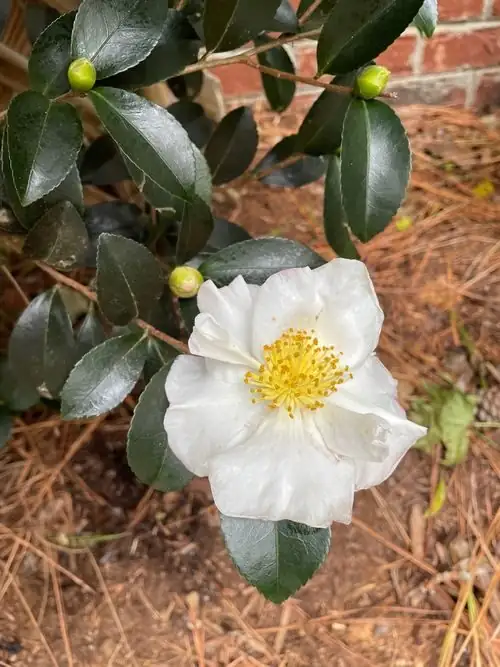
- Clusters of soft, pear‑shaped insects on new shoots; distorted young leaves; sticky honeydew and ants attending them.
- Why it happens
- Lush, sheltered new growth plus low airflow = aphid party.
- Fast fix today
- Wash off with a firm water spray, then treat with insecticidal soap or horticultural oil, repeating as needed.
- Increase light and airflow; avoid over‑fertilizing soft new growth right before bloom.
- Prevention
- Early‑season inspections on new shoots.
- Keep the canopy open for good air circulation.
5) Sooty mold (the black film that follows sap‑suckers)
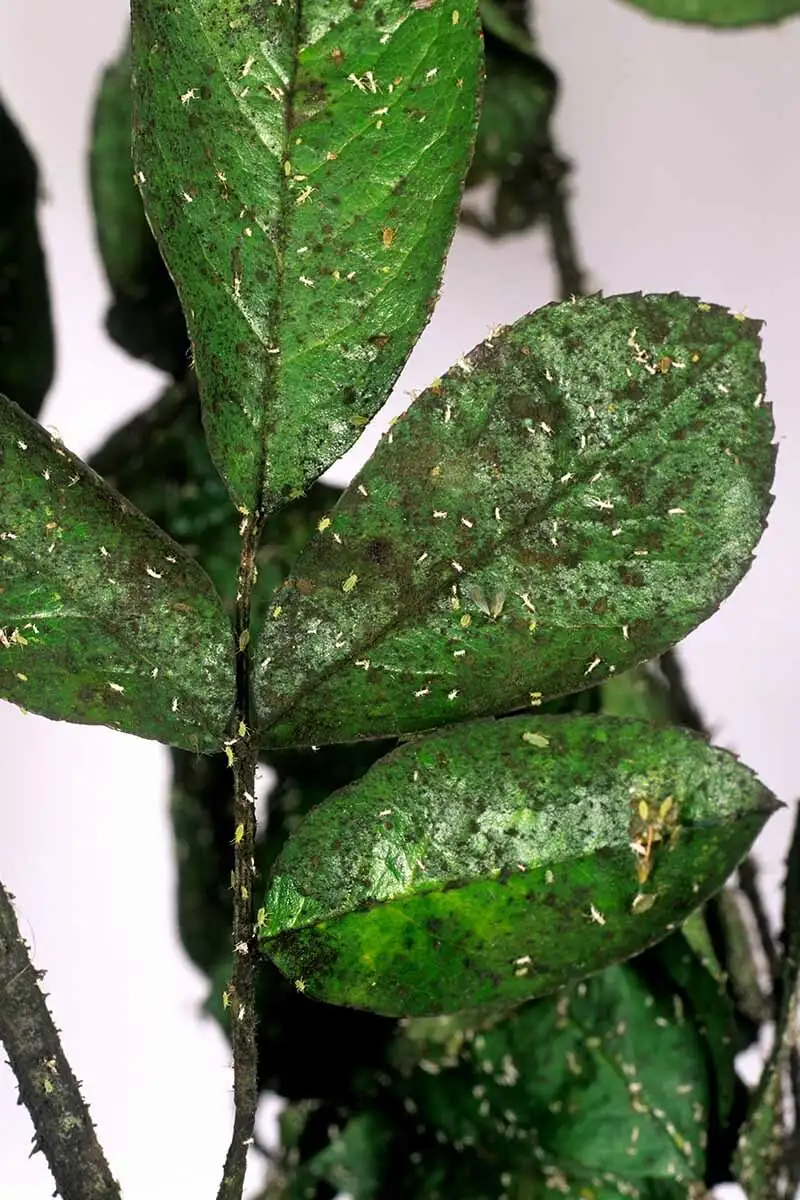
- How it looks
- Charcoal‑black coating on leaves or stems that rubs off; it cuts light but doesn’t infect tissue.
- Why it happens
- It grows on honeydew excreted by aphids or scale.
- Fast fix today
- Control the insects first (see above).
- Wipe leaves with a damp cloth; for heavy buildup, use lukewarm water with a small drop of mild soap, then rinse. Improve light and airflow.
- Prevention
- Regularly scout for aphids/scale and maintain ventilation so honeydew dries quickly.
—
Quick prevention checklist: stabilize light and temperature
- Light
- Provide bright light to full sun; in hot summers, protect from harsh midday sun.
- Indoors, park it in the brightest south‑ or east‑facing window you have.
- Temperature
- Aim for 18–25°C (64–77°F) for growth; 8–10°C (46–50°F) extends bloom indoors.
- Avoid vents, space heaters, and abrupt cold drafts.
- Heat wave coming? Add temporary shade and water early in the morning.
- Air and water
- Ventilate gently; don’t trap the plant in a stagnant corner.
- Water thoroughly, let drain, and keep the soil evenly moist—not wet.
- Water in the morning and keep foliage dry late in the day.
- Hygiene
- Prune after flowering to thin congestion and remove dead/diseased wood.
- Disinfect shears. Bin infected leaves/blooms.
- Inspect undersides of leaves regularly during the warm season.
—
A note on routine care that supports resilience
- Feeding: From March to September, feed every 2 weeks with a balanced fertilizer; in May, a 0.2% monopotassium phosphate application can support bud initiation; give an extra phosphorus‑forward feed in October for strong flowering.
- Repotting: After flowering—every 2 years when young, every 3–4 years when mature—into a slightly acidic, free‑draining mix.
- Watering rhythm: Summer often daily (twice on extreme hot days); winter about every 3–5 days, preferably around midday on a mild, bright day.
—
Why we still adore Sasanqua
Sasanqua camellias are evergreen, glossy, and generous—opening lightly fragrant white, pink, or red blooms from autumn into winter, when the rest of the garden whispers. In the language of flowers, they’re tied to admiration, grace, and refined beauty—a tradition shaped by centuries of East Asian appreciation and later Victorian floriography. Beyond sentiment, their true “meaning” shows up in practice: when you give them bright light, even moisture, cool air, and room to breathe, they return the favor with a long, elegant cool‑season show.
—
Quick safety note: Generally considered non‑toxic to people and pets; nibbling may cause mild stomach upset in sensitive animals.
Your fast fix toolkit
- Even moisture and drainage
- Bright, steady light with midday protection in hot summers
- Cool temperatures during bloom
- Airflow, airflow, airflow
- Horticultural oil or insecticidal soap for scale/aphids (repeat to catch crawlers)
- Targeted fungicide for severe anthracnose, plus sanitation
Triage now, tweak the environment, and your sasanqua will get back to its autumn‑to‑winter performance in no time.