
When your Rieger Begonia was all set to star in the windowsill and then—bam!—buds drop, tips crisp, stems stretch, it feels personal. Good news: these are classic, fixable stumbles for Begonia × hiemalis (Elatior Group). Here’s a fast, field-tested checklist to snap your plant back into bloom mode and keep it there.
Meet your plant (and what it wants)
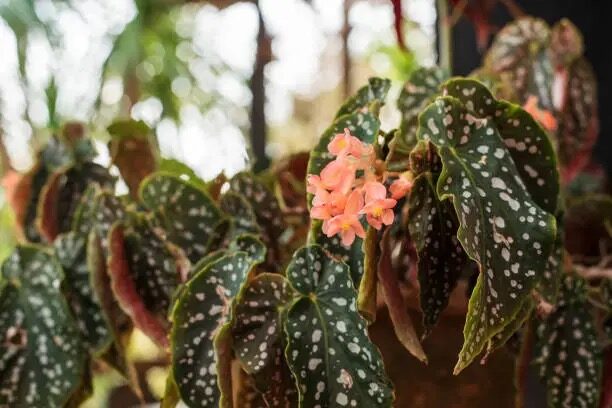
- Who it is: Rieger/Elatior Begonia, a compact, fibrous-rooted hybrid bred for pots (not a tuberous type).
- What it does best: Heavy winter–spring color in bright, filtered light with steady, even moisture and cool–comfortable temps.
- Sweet spot: 15–20°C (59–68°F), bright indirect light (think east window or south window with a sheer), moderate humidity, and a rich but airy, well-drained mix.
Size: typically 20–40 cm (8–16 in) tall and wide, tidy and mounding—some cultivars trail beautifully in hanging baskets.

—
The fast-troubleshooting checklist
Symptom 1: Sudden bud drop
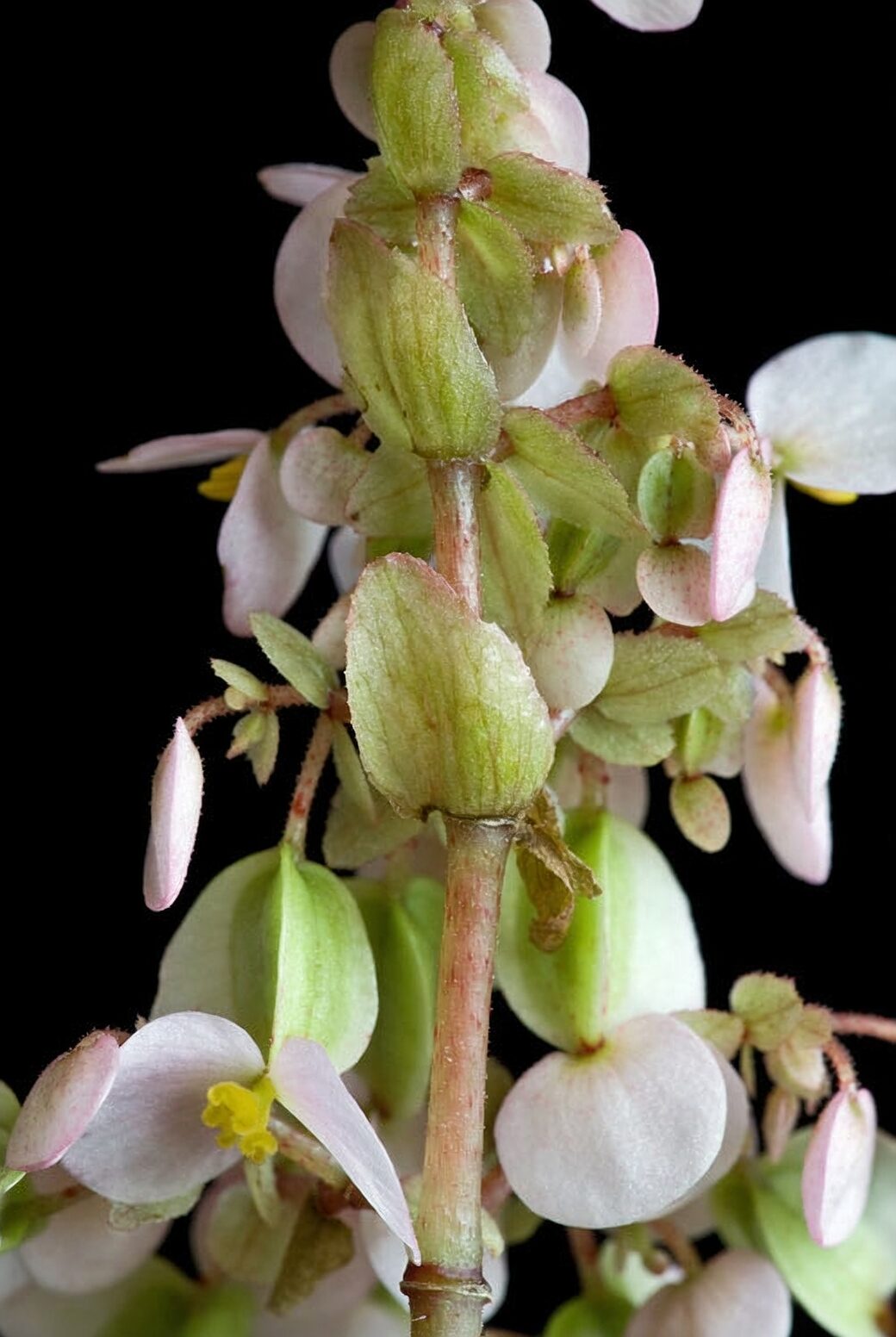
Likely culprits and quick fixes:
- Drafts or cold shock
- What happens: Buds abort after a chilly night, a door slam of winter air, or AC.
- Fix: Keep above 12°C (54°F) and aim for 15–20°C (59–68°F). Shift the pot 30–60 cm (1–2 ft) back from cold glass in winter; avoid AC/heater blasts.
- Heat spikes and hot sun
- What happens: Above ~32°C (90°F) or a high-heat window nook, buds wilt and drop.
- Fix: Pull back from radiators and hot windows; use a sheer curtain for midday sun; improve gentle airflow (not a cold draft).
- Inconsistent watering
- What happens: Going bone-dry then soaking, or staying soggy, stresses buds off.
- Fix: Water thoroughly when the top 1–2 cm (½–¾ in) of mix dries; then drain the saucer. Keep “evenly moist, never soggy.” Use pot weight and a finger test—don’t water by the calendar alone.
- Dry indoor air
- What happens: Forced heat = crispy air; buds shrivel.
- Fix: Target moderate humidity (around 40–60%). Group plants, use a pebble tray (pot base above waterline), or run a small humidifier. Skip misting blooms—wet petals invite fungal spots.
- Too little light
- What happens: Fewer, duller blooms, buds fail to open.
- Fix: Move to an east window or bright south window with a sheer; supplement with a grow light in winter. Keep temps comfortably cool-warm for compact growth.
- Recent repotting or rough transport
- What happens: Shock can drop a set of buds.
- Fix: Avoid repotting in peak bud/flower. If it already happened, stabilize conditions and give bright, gentle light.
Quick check: Peek at buds and new growth for aphids; they love soft tissue. Treat early with insecticidal soap or horticultural oil, repeating per label.
—
Symptom 2: Brown, crispy leaf tips/edges
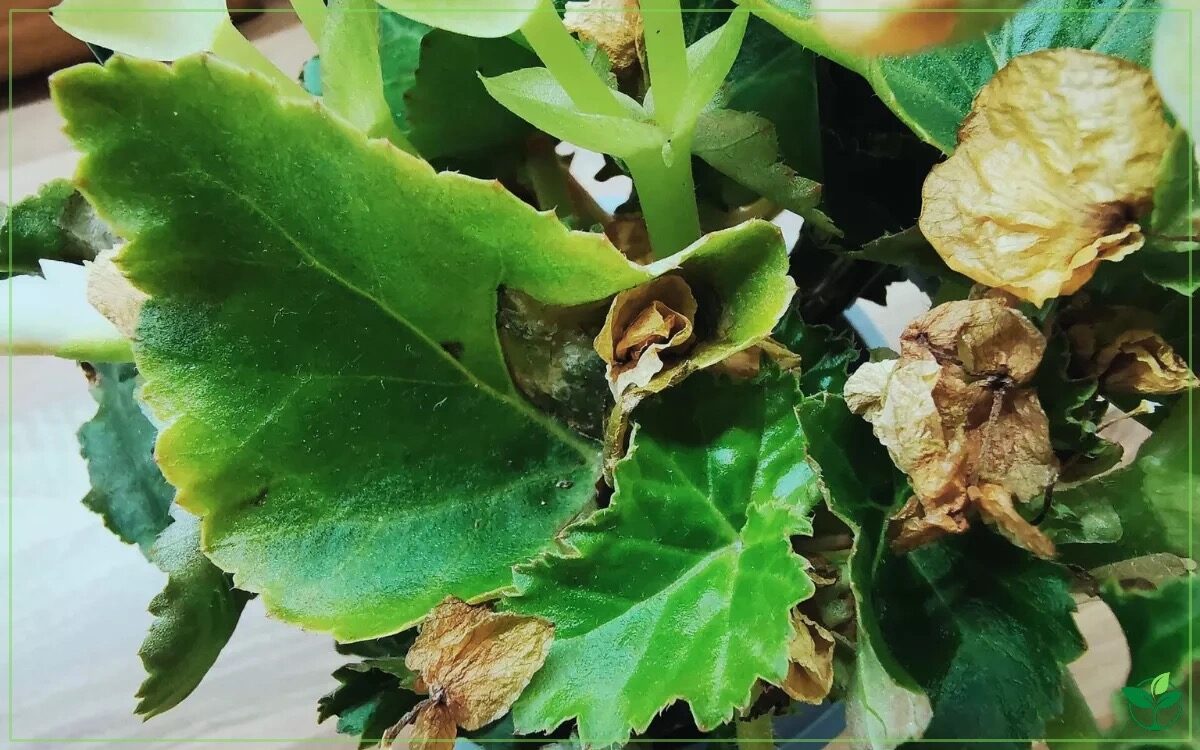
Likely culprits and quick fixes:
- Underwatering or dry air
- Fix: Reset to even moisture. Water thoroughly; drain completely. Raise ambient humidity (no wet leaves at night).
- Fertilizer or salts building up
- Fix: Once a month, leach the pot—slowly run water through for 2–3 minutes, then drain well. Resume a light, regular feeding schedule.
- Too-hot sun or heat vents
- Fix: Bright, filtered light only; keep off radiators/vents and away from midday scorch.
- Soil or pot issues
- Fix: Use a rich but airy, slightly acidic mix (peat/leaf mold or compost base + perlite/coarse sand). Ensure a pot with drainage; avoid oversize pots (stay wet too long) and extreme rootbound pots (dry too fast).
Cosmetic tidy: Trim crisped bits with clean scissors, following the natural leaf outline.
—
Symptom 3: Leggy, stretched stems
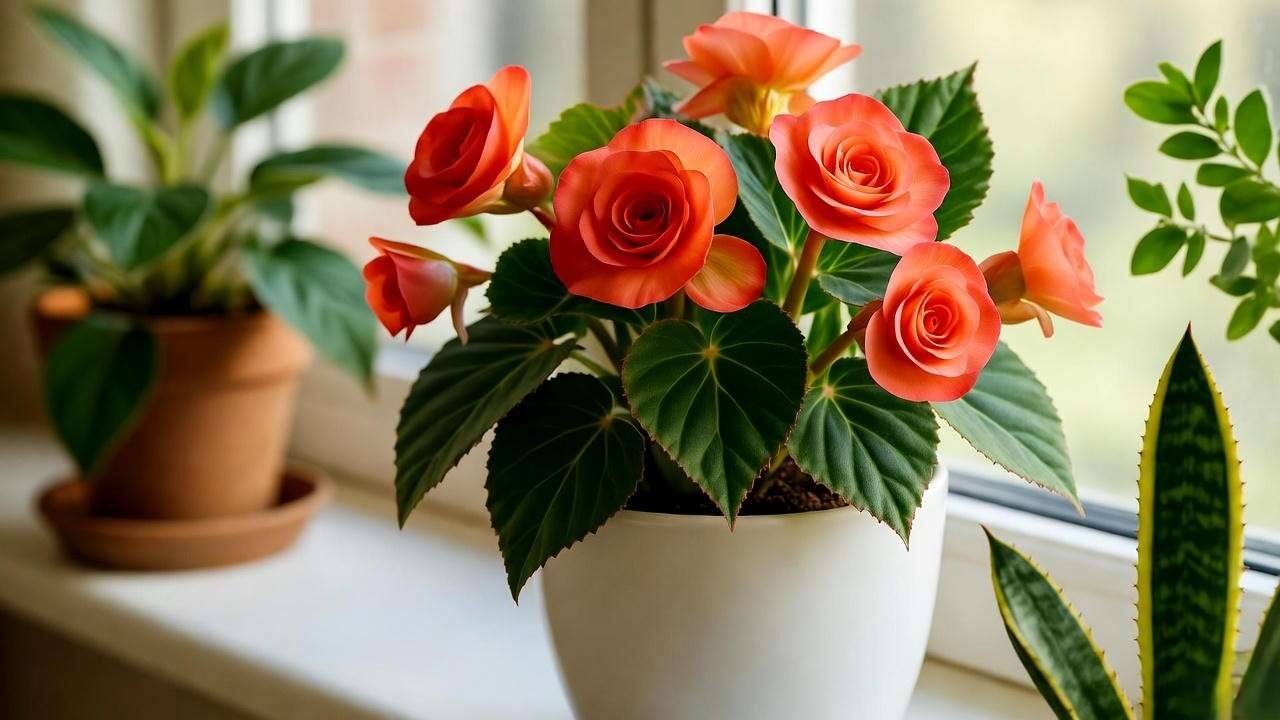
Likely culprits and quick fixes:
- Low light (especially in winter)
- Fix: More brightness. East window is ideal; add a grow light if needed. Rotate the pot weekly for even growth.
- Warmth without light
- Fix: Keep it on the cool–comfortable side (15–20°C / 59–68°F) to maintain tight internodes.
- No pinching or post-bloom grooming
- Fix: Pinch tips about 2 weeks after potting to encourage branching. After a big bloom flush, lightly cut back older flowered stems, leaving 4–5 nodes to push fresh basal shoots.
- Overfeeding nitrogen
- Fix: Use balanced fertilizer lightly; switch to 1–2 bloom-boost feeds when buds form. Pause feeding during hot spells.
—
Your 5-minute “environment reset”
- Light: East-facing window or bright, indirect south light behind a sheer. Avoid harsh midday sun.
- Temperature: Aim for 15–20°C (59–68°F). Keep above 10°C (50°F)—preferably above 12°C (54°F). Avoid heat spikes >32°C (90°F).
- Water rhythm: Water when the top 1–2 cm are dry, then drain. Typical patterns:
- Newly purchased: about once per week (observe and adjust).
- Active growth: about 2–3 times per week.
- Winter flowering: often about twice per week.
Always adjust for pot size, light, and room temp.
- Humidity + airflow: Moderate humidity; gentle air movement to prevent fungal issues. Never park the pot in a wet saucer.
- Hygiene: Deadhead promptly. Remove fallen petals/leaves to deter Botrytis (gray mold). Keep leaves dry, especially late in the day.
Tip: If you like bottom-watering, let the pot wick water for up to 10 minutes—then lift, drain well, and never leave it soaking.
—
Keep the blooms rolling: preventive care that works
- Feeding: Every 2 weeks in active growth with a balanced liquid feed. When buds form, give 1–2 light applications of a bloom formula higher in P/K. Pause feeding during very hot weather.
- Repotting: After flowering or once roots fill the pot. Use fresh, well-drained mix; don’t jump to an oversized container.
- Placement: Bright windowsill or hanging basket indoors; outdoors only in frost-free, mild spells in bright shade with shelter and airflow. Not frost hardy (roughly USDA 10–11).
- Disease watch: Powdery mildew and Botrytis thrive in still, humid air on damp foliage. Improve ventilation, keep leaves/blooms dry, and remove affected parts.
- Pest patrol: Spider mites and aphids are usual suspects—treat early with insecticidal soap or horticultural oil, repeating as directed.
—
If decline continues, do this
- Root check: Slip the plant from its pot. Healthy roots are firm and light-colored. Mushy, brown, sour-smelling roots = rot. Trim back to healthy tissue, repot in a fresh, airy mix, and reset watering.
- Rejuvenate after a big bloom: Lightly cut back to 4–5 nodes on flowering stems to spark new basal shoots. Deadhead consistently.
- Propagate a “backup”: Tip cuttings (non-flowering) root in a free-draining medium in bright shade with gentle warmth and humidity—often in about 3 weeks.
—
Quick answers
- Why did buds fall right after I brought it home?
- Transport shock, sudden temperature/light change, a cold draft by the door, or dry soil. Stabilize temps, upgrade light, and resume even moisture.
- Can it live outside?
- Only in mild, frost-free weather in bright shade and a sheltered spot. Protect from temps below 10°C (50°F).
- Is it toxic?
- Begonias are considered toxic if eaten and may irritate the mouth and stomach. Keep away from pets and children.
—
A note on names (so you can shop smart)
You’ll see this plant sold as Rieger Begonia, Elatior Begonia, or Hiemalis Begonia. Botanically, it’s a cultivated hybrid group: Begonia × hiemalis (Elatior Group). It’s fibrous-rooted (not tuberous), bred for compact growth and heavy flowering in pots.
Buying tip: Choose a compact, well-branched plant with deep-green leaves and lots of buds plus a few open blooms—proof it’s ready to perform at home.
—
A small, honest take on symbolism
Rieger begonias are often linked with gentle affection and tenderness—partly because they brighten the darkest months and are popular as winter holiday gifts. Unlike old folklore attached to wild species, this “flower language” is a modern, horticultural sentiment born from their reliable winter cheer. Think of it as a friendly nod to their role: delivering color and comfort when daylight is scarce.
—
Dial in light, temperature, and even moisture, and your Rieger will repay you with a long, lively bloom show. Keep the checklist handy, and you’ll turn bud drop, crispy tips, and legginess into rare hiccups—not habits.