

If your ti plant’s drama is all droop, spots, and sticky leaves, take a breath—you can read the leaves like a pro. Cordyline fruticosa (aka ti plant, good luck plant, Hawaiian ti) thrives when you keep its roots evenly moist, its foliage dry, and the air gently moving. Here’s a friendly, fast way to diagnose what’s wrong (overwatering vs. drought, leaf spot from wet foliage, or scale insects) and the exact fixes that bring the color and gloss roaring back.
Ti plant at a glance (so you’re starting from solid ground)
- Light: Bright, filtered/indirect light. Shield from harsh midday sun; partial shade is fine.
- Temperature: Warmth-loving; ideal 20–25°C (68–77°F). Keep above 5°C (41°F) to avoid leaf edge scorch/rot.
- Humidity: Prefers 50–60%. Boost humidity—but keep leaves from staying wet.
- Watering: Keep soil lightly, evenly moist; never waterlogged. Always drain the saucer.
- Soil: Free-draining potting mix with perlite or coarse sand; pot with drain holes.
- Why leaves matter: Drought can trigger leaf drop. Overwatering invites root trouble and yellowing tips. Poor airflow and wet foliage invite leaf spot.
—
Diagnose in minutes: watering woes vs. pests vs. disease
Overwatering vs. drought drop—spot the difference
Think of ti plant roots as tropical lungs: they need air, not a swamp. Meanwhile, letting it go bone-dry too often makes it shed leaves in protest.
How it looks—Overwatering:
- Leaves feel soft-limp, lose sheen; older leaves yellow and drop quickly.
- Tips and margins may yellow; soil smells sour; fungus gnats may hover.
- Pot feels heavy long after watering; soil stays cold and wet.
How it looks—Drought:
- Mix is dusty-dry; pot feels light; leaves may curl or crisp at the edges.
- Whole lower leaves brown and drop after repeated dry-outs.
- Color dulls; plant perks up soon after a thorough watering.
Quick tests:
- Finger test: If the top 2–3 cm (about 1 in) is still moist, wait. If it’s dry, water.
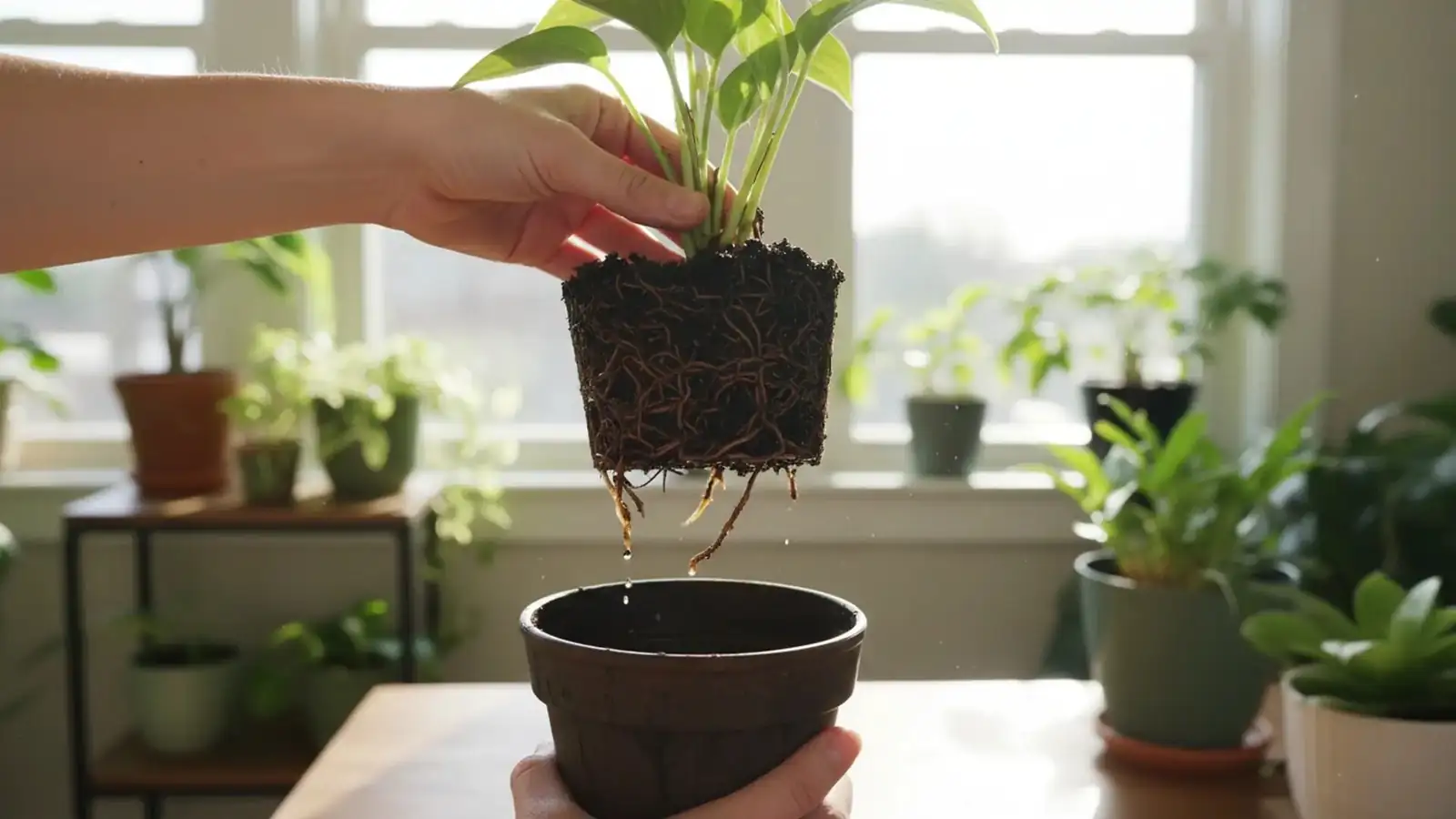
- Root check (if decline is severe): Healthy roots are firm and pale; rotted roots are brown/black and mushy.
What to do—If it’s overwatering:
- Unpot gently, trim mushy roots, and repot in fresh, airy mix with perlite. Use a pot with drainage.
- Water thoroughly, then let excess drain; never leave water in the saucer.
- Move to brighter, filtered light and add light airflow to help the root zone recover.
What to do—If it’s drought:
- Bottom-water or slowly soak until all the mix is evenly moist; drain fully.
- Resume a steady rhythm: water when the top 2–3 cm are dry.
- Maintain 50–60% humidity (humidifier or pebble tray), but avoid leaving foliage wet.
Prevention rhythm:
- Bright, filtered light + evenly moist soil = fewer leaf tantrums.
- In warm seasons, expect to water more; in winter/cool rooms, ease up.
- Remember: lower leaves yellowing and dropping slowly is normal on older canes—sudden mass drop isn’t.
—
Leaf spot and anthracnose—often from wet foliage and stale air
These diseases love still air and damp leaves.
What you’ll see:
- Tan to brown spots that may have yellow halos; spots can merge into blotches.
- Often starts on older or lower leaves, especially if leaves are frequently splashed.
- Lesions look “wet” or water-soaked in early stages after overhead watering.
Your action plan:
- Prune off the worst-affected leaves; bag and bin them (don’t compost).
- Water at soil level. If you mist for humidity, do it early morning and let leaves dry quickly—or better, use a humidifier.
- Space plants so leaves don’t touch; run a small fan on low nearby for gentle airflow.
- Keep the crown and leaf bases dry; avoid cold, damp corners.
- If issues persist after cultural fixes, continue strict foliage-dry care; most indoor cases resolve without fungicides.
Pro tip: Many “mystery spots” are cultural. Improve airflow and stop splashing the leaves, and you’ll often see new, clean growth within a few weeks.
—
Scale insects—sticky leaves, crusty bumps, easy win with oil/soap
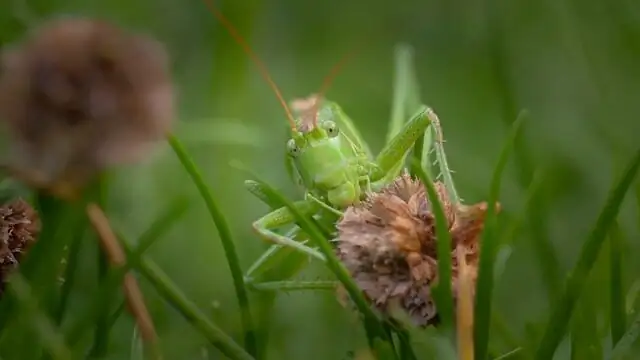
Scale looks like specks or barnacle-like bumps on stems and leaf midribs. They sip sap, causing yellowing and leaf drop, and excrete sticky honeydew.
How to confirm:
- Look for tan/brown or translucent bumps that don’t brush off like dust.
- Leaves feel sticky; you may see sooty mold on the honeydew.
Step-by-step removal:
- Quarantine the plant so scale doesn’t hitchhike to neighbors.
- Wipe: Use a cotton pad with water or a little isopropyl alcohol to remove visible scale.
- Treat: Spray thoroughly—stems, leaf undersides, and crevices—with a ready-to-use horticultural oil or insecticidal soap labeled for houseplants.
- Repeat: Re-treat every 7–10 days for 3–4 rounds to catch hatchlings.
- Aftercare: Boost light and airflow. Keep leaves dry and the soil evenly moist (not soggy) to speed recovery.
Safety notes:
- Test any product on a small area first.
- Don’t spray oils/soaps in hot, direct sun; treat in bright shade and allow leaves to dry.
—
Airflow + careful watering: the two habits that solve most ti troubles
- Watering rhythm: Water thoroughly when the top 2–3 cm are dry; drain the saucer. Aim for “evenly moist,” never sopping.
- Foliage stays dry: Water the soil, not the leaves—especially at night.
- Air movement: A small fan on low, a slightly open vent, or better plant spacing prevents leaf spot and keeps pests less happy.
- Light: Bright, filtered light near an east or south window with a sheer curtain.
- Potting mix: Use a quality mix fluffed with perlite/coarse sand for oxygen-rich roots.
—
Rapid rescue checklist
- Leaves dropping? Check moisture first: wet and limp = overwater; crisp and curling = drought.
- Spots spreading? Stop overhead watering, remove spotted leaves, and add airflow.
- Sticky leaves or bumps? It’s likely scale; wipe, then treat with horticultural oil or insecticidal soap, repeating weekly.
—
Keep your ti glowing long-term
- Repotting: Every 2–3 years in spring into fresh, free-draining mix. Trim only damaged fine roots.
- Feeding: From May–September, feed every 2 weeks with a balanced liquid fertilizer. Don’t overdo nitrogen (it can mute variegation); adequate potassium helps leaf quality.
- Pruning: Remove naturally yellowing lower leaves. If canes get tall and bare, cut back to encourage branching and a fuller crown.
- Light and color: Bright filtered light sustains bold reds and pinks. Fading color is often from tired soil or a root-bound plant—repot and refresh.
- Temperature: Keep warm; protect from cold drafts. Below 5°C (41°F), foliage can scorch or rot at the edges.
- Humidity: Aim for 50–60%. Use a humidifier or pebble tray rather than constant misting.
- Propagation fun: Stem cuttings root readily; you can even start tip cuttings in clean water, then pot up once roots form.
- Outdoors only in warm climates (roughly USDA 10–12). Established plants outdoors tolerate short dry spells, but potted ti plants dislike complete dry-outs.
Pet note: Potentially toxic to pets if chewed. Keep out of reach of curious cats and dogs.
—
Culture, meaning, and why it’s called the “good luck plant”
Native to Southeast Asia through the western Pacific and celebrated across the Pacific—especially in Hawai‘i—ti leaves have long been woven into decoration, adornment, and ceremony. That’s where its “good luck” reputation took root: the plant is associated with protection, prosperity, and welcoming energy in the home. While Western “flower language” traditions are a different lineage, the ti’s symbolism isn’t a florists’ invention—it reflects real, enduring cultural use of the leaves as protective, festive elements. Keeping one by your door or gathering space is less about superstition and more about carrying a living thread of that tradition.
—
Bring it all together—keep the roots breathing, the leaves dry, and the air gently moving. With that trio, your Cordyline fruticosa will repay you with glossy, island-bright foliage and far fewer plant puzzles to solve.