Houseplants are more than just pretty decor; they’re living companions that purify the air, boost your mood, and add a touch of nature to your indoor space. Whether you’re a seasoned green thumb or a newbie plant parent, understanding the standard routine care for household plants is key to keeping your leafy friends thriving.
Light: The Key to Growth
Light is one of the most crucial factors for plant health. But not all plants crave the same amount of sunshine. Here’s a quick breakdown:
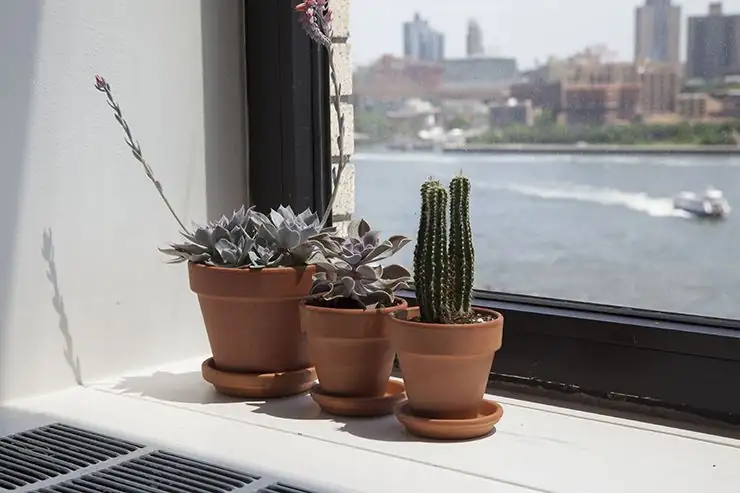
- Bright Light Lovers: If you’ve got a south-facing window, it’s perfect for sun-hungry plants like cacti, aloe vera, and ponytail palms. These plants thrive in direct sunlight, so place them where they can soak up those rays.

- Moderate Light Fans: For east or west-facing windows, consider plants like ficus, philodendrons, and monstera. They enjoy bright, indirect light and can handle a bit of shade.
- Low Light Survivors: North-facing windows are ideal for hardy plants like snake plants and pothos. They can thrive even in dimly lit corners of your home.
Remember, every plant needs some darkness to grow, so ensure they get a break from light exposure.
Water Wisely
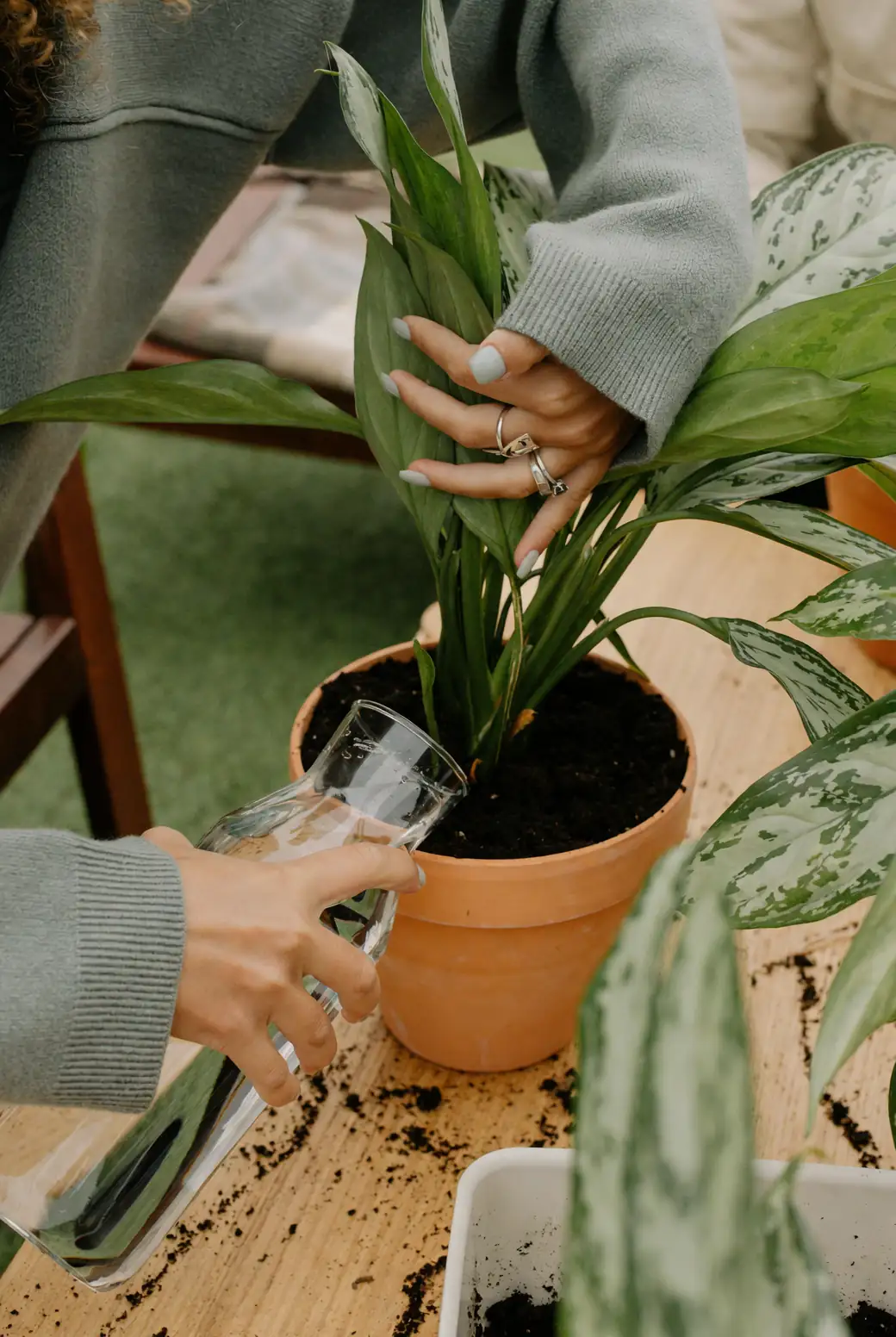
Overwatering is one of the most common mistakes new plant parents make. The general rule of thumb? Less is more. Most houseplants prefer their soil to dry out a bit between waterings. To test if your plant needs a drink, stick your finger about an inch into the soil. If it feels dry, it’s time to water.
- Tropical Plants: These guys often enjoy a bit more moisture, so keep their soil slightly damp, but not soggy.
- Succulents and Cacti: These desert dwellers prefer to be on the dry side. Water sparingly, allowing the soil to dry completely between waterings.
The Right Temperature and Humidity
Most houseplants originate from tropical climates, so they appreciate warm, humid conditions. Keep your indoor temperature between 65-75°F and consider using a humidifier if your home is particularly dry, especially in winter.
Feeding and Soil
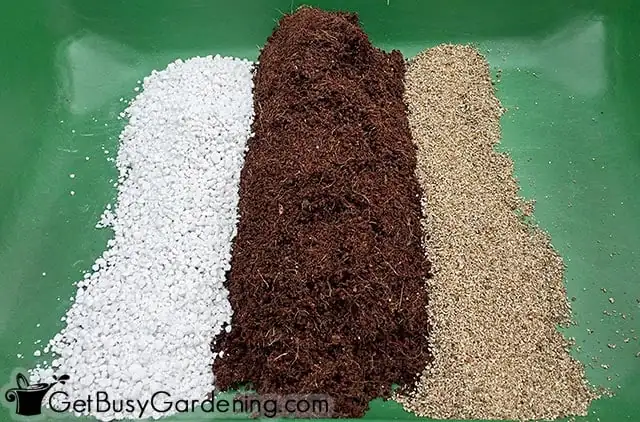
Feed your houseplants with a balanced, water-soluble fertilizer during their growing season (spring and summer). As for soil, go for a well-draining mix. A combination of peat moss, perlite, and compost usually does the trick for most varieties.
Repotting: Giving Room to Grow
If you notice your plant’s roots growing out of the drainage holes or the soil drying out too quickly, it might be time for a new pot. Repot in the spring or early summer, gently transferring your plant to a container one size larger than its current home.
Watch for Pests and Problems
Keep an eye out for common pests like spider mites and aphids. If you spot them, a gentle spray with insecticidal soap usually helps. Also, watch for signs of distress like yellowing leaves or wilting, which can indicate issues with light, water, or nutrients.
Caring for houseplants can be incredibly rewarding, not just for your eyes but for your well-being too. Remember, every plant is unique, so a little research on each new addition can go a long way in creating a thriving indoor jungle. Happy planting!