

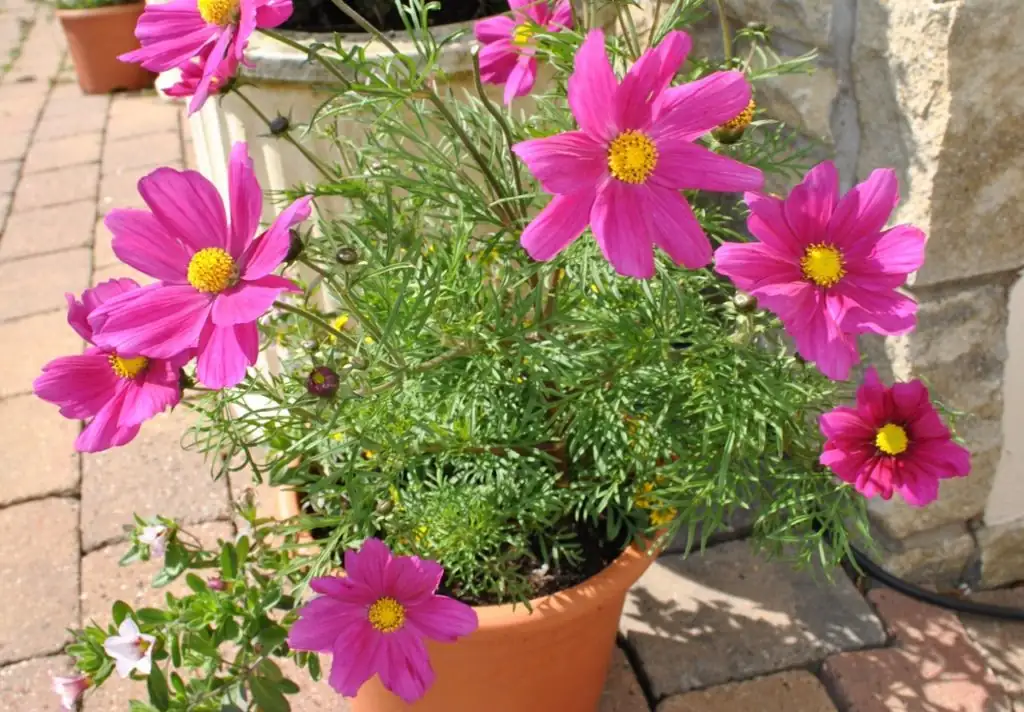
Growing Cosmos bipinnatus Cav., commonly known as Cosmos, in pots can transform your patio or balcony into a lively garden bursting with color and life. These charming flowers, often referred to as Garden Cosmos or Mexican Aster, are not only easy to grow but also attract a host of pollinators, making them a favorite among gardeners. Here’s your complete guide to successfully cultivating Cosmos in containers, ensuring they flourish and brighten your space.
Selecting the Right Variety
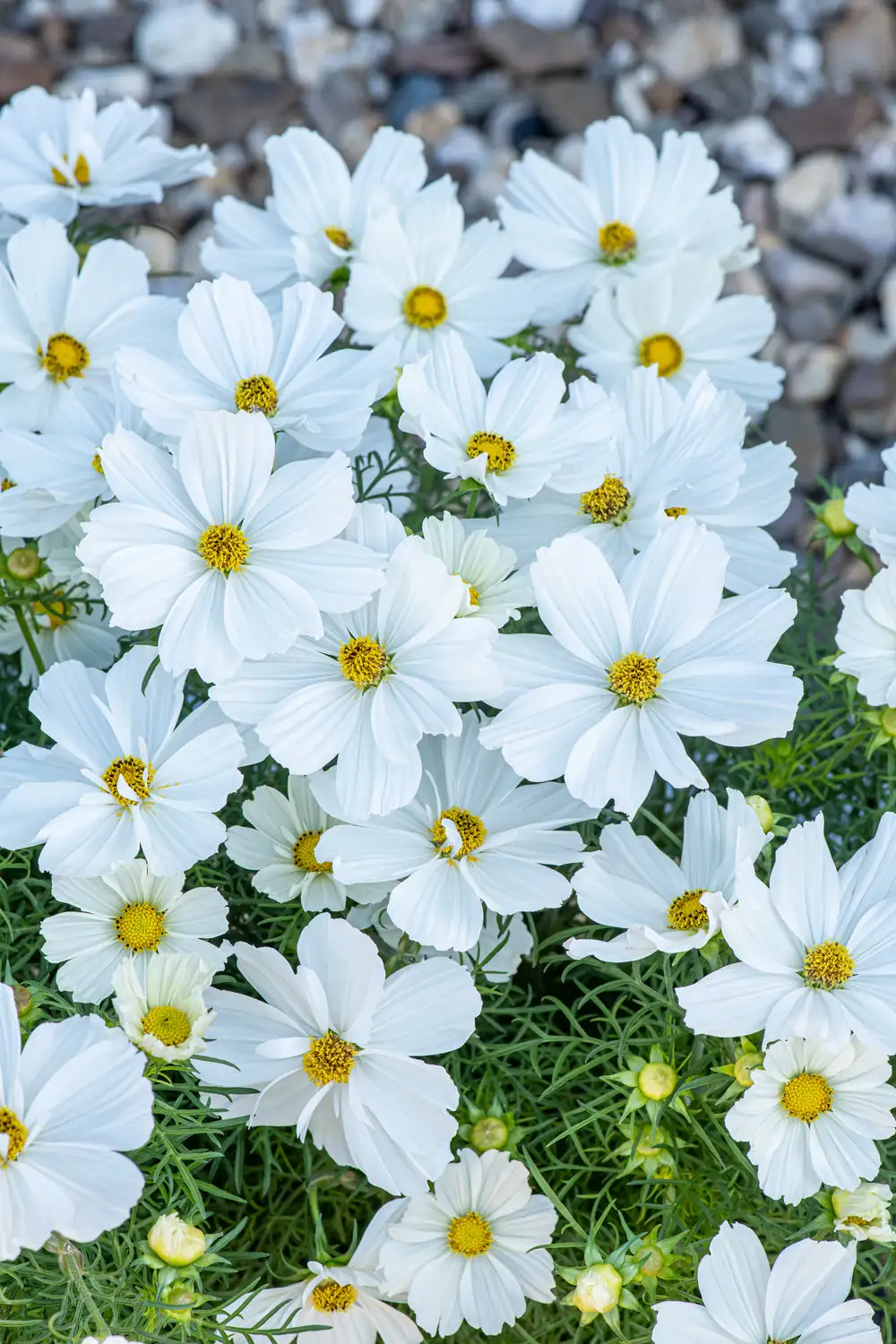
When it comes to growing Cosmos in pots, choosing the right variety is crucial. While Cosmos bipinnatus can reach heights of up to 6 feet, opting for dwarf varieties like ‘Sonata’ can be more suitable for container gardening. These compact types provide the same vibrant blooms without overwhelming your space.
The Perfect Pot and Soil
Choosing the Pot
A sturdy pot is essential to prevent tipping, especially for taller varieties. Aim for a container that’s at least 30 cm (12 inches) in diameter. This size provides ample room for root growth and ensures stability for the plant.
Soil Requirements
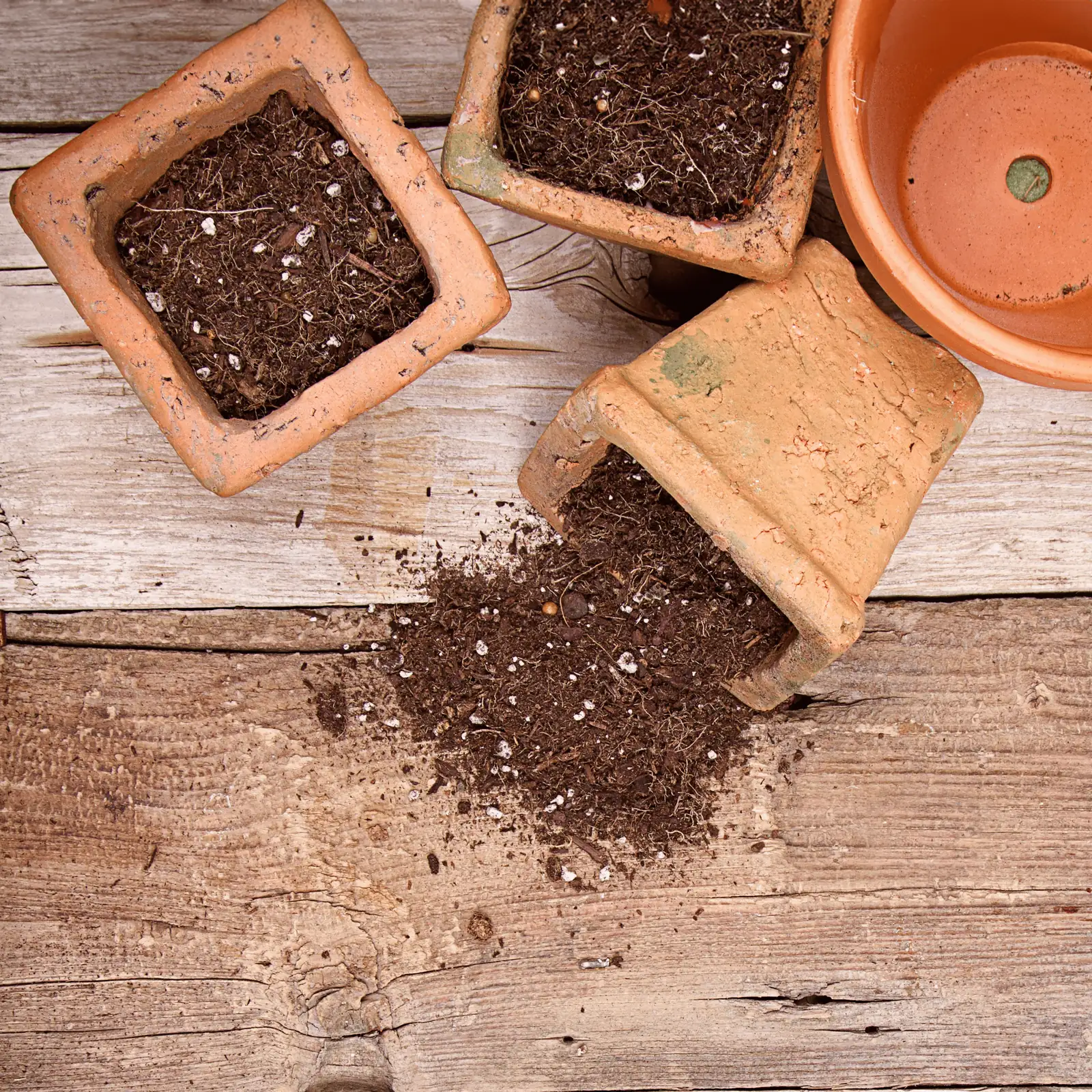
Cosmos thrive in well-draining soil. A sandy or loamy mix will work wonders, as these plants prefer poorer soil conditions. Avoid nutrient-rich soils as they can lead to excessive leaf growth at the expense of flowers. A neutral to slightly alkaline pH is ideal.
Sunlight and Temperature Needs
Cosmos are sun-loving plants and require full sunlight for optimal growth. Aim for at least 6–8 hours of direct sunlight daily. While they can tolerate partial shade, the intensity and number of blooms may decrease. These plants are warm-season annuals, thriving in temperatures around 24°C (75°F) during germination.
Watering and Fertilization
Watering
Initially, water your Cosmos regularly until they establish a robust root system. Once settled, ease up on watering. Let the top layer of soil dry out before watering again to prevent overwatering, which can reduce flowering and invite diseases.
Fertilization
Cosmos are low-maintenance when it comes to feeding. Too much fertilizer, especially nitrogen-heavy ones, can result in lush foliage and fewer flowers. If your soil is particularly poor, a small dose of balanced fertilizer at planting can help. A phosphorus-forward feed can be used sparingly to boost blooming.
Pruning and Deadheading
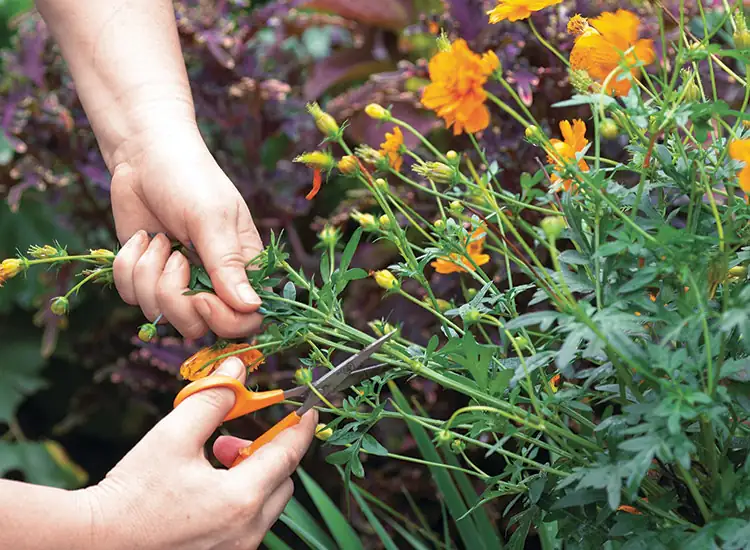
To encourage continuous blooming, deadhead spent flowers regularly. This not only keeps your Cosmos looking tidy but also stimulates new growth. If your plants become leggy or tired midseason, trim them back by about one-third to revitalize them. For bushier growth, pinch the tips of young plants early on.
Dealing with Pests and Diseases
Cosmos are generally trouble-free, but they can occasionally attract aphids, thrips, and grasshoppers. These pests can often be controlled with a strong spray of water or insecticidal soap. To prevent diseases like powdery mildew, ensure good air circulation around your plants and avoid overly wet conditions.
Propagation and Overwintering
Cosmos are best grown from seed. You can start them indoors 4–6 weeks before the last frost or sow them directly outdoors after the danger of frost has passed. Seeds typically germinate within 7–21 days in warm conditions.
While Cosmos are annuals and will perish with the first frost, they self-seed readily. By leaving some seed heads to mature, you can enjoy volunteer seedlings the following spring.
Embracing the Cosmos Spirit
The name “Cosmos,” derived from the Greek word for a harmonious universe, perfectly captures the flower’s orderly beauty. Often symbolizing peace and modest joy, these blooms have a rich history of spreading happiness and color wherever they grow.
By following these tips and tricks, you can cultivate a pot of Cosmos that not only adds charm and vibrancy to your space but also invites a little piece of the universe into your garden. Enjoy the journey of nurturing these delightful flowers and watch as they dance in the sunlight, bringing a sense of harmony and joy to your surroundings.


