

Keeping Begonias Thriving Year-Round: A Guide to Care and Cultivation
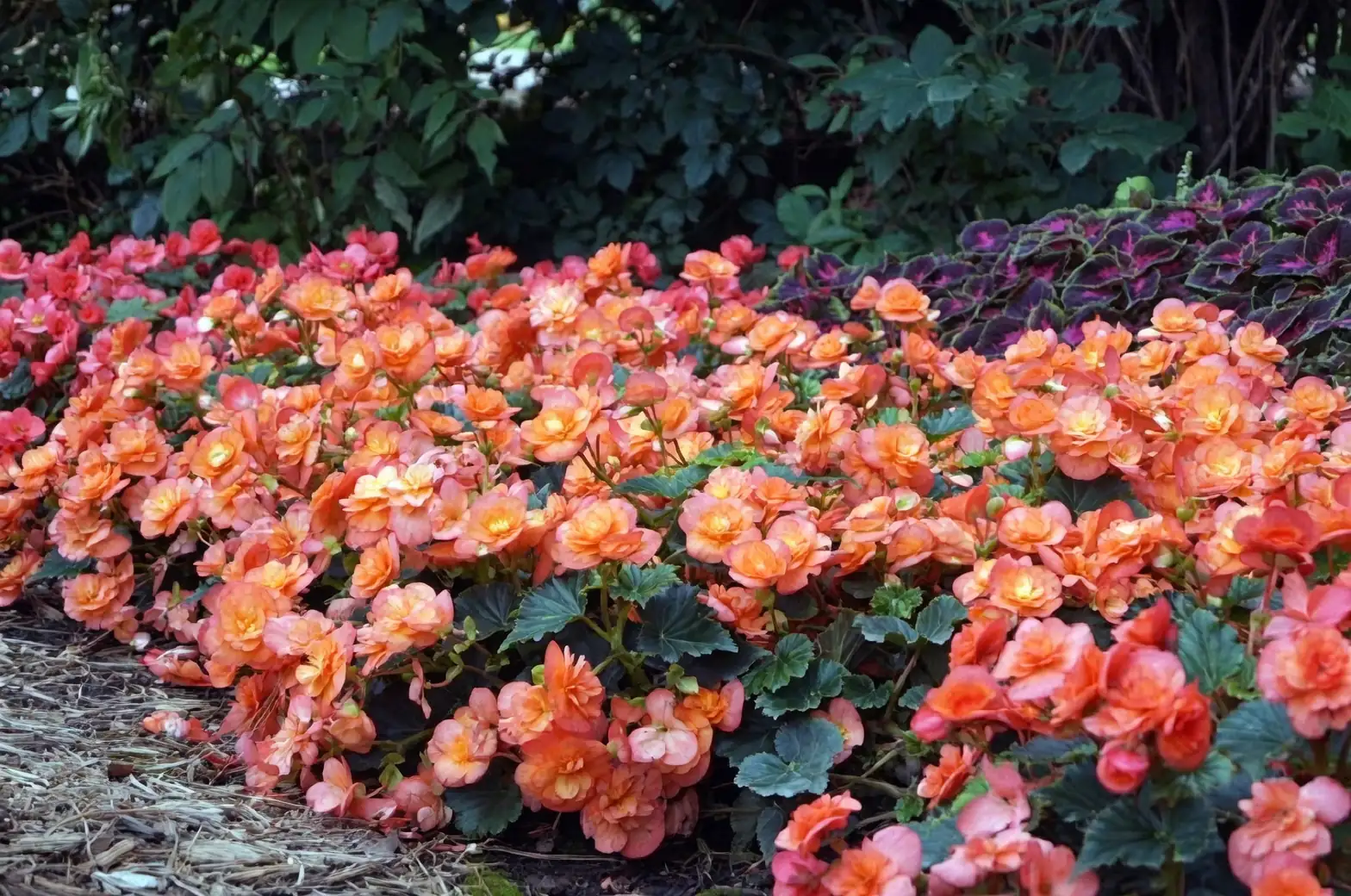
If you’ve ever wandered through a garden center or admired a lush windowsill filled with vibrant foliage and dazzling blooms, chances are you’ve encountered the begonia. This diverse genus, Begonia spp., hailing from tropical and subtropical regions like South and Central America, Africa, and South Asia, offers over 2,000 species to captivate plant lovers. Whether you’re drawn to the cheerful blooms or the strikingly asymmetrical leaves that seem painted with nature’s finest brushstrokes, begonias offer something for every gardener’s palette.
But how do you keep these floral beauties thriving all year long? Let’s dive into the art of begonia care, where we’ll explore watering schedules, light conditions, and seasonal adjustments.
Watering Wisdom: Striking the Balance
Watering begonias is akin to a delicate dance, where balance is key. These plants prefer their soil to be evenly moist but never soggy. The top 2.5 cm (1 inch) of soil should be allowed to dry out before watering again. This typically means watering once or twice a week, but the frequency can vary based on factors like pot size, humidity, and temperature. Picture it like a Goldilocks scenario—not too dry, not too wet, but just right.
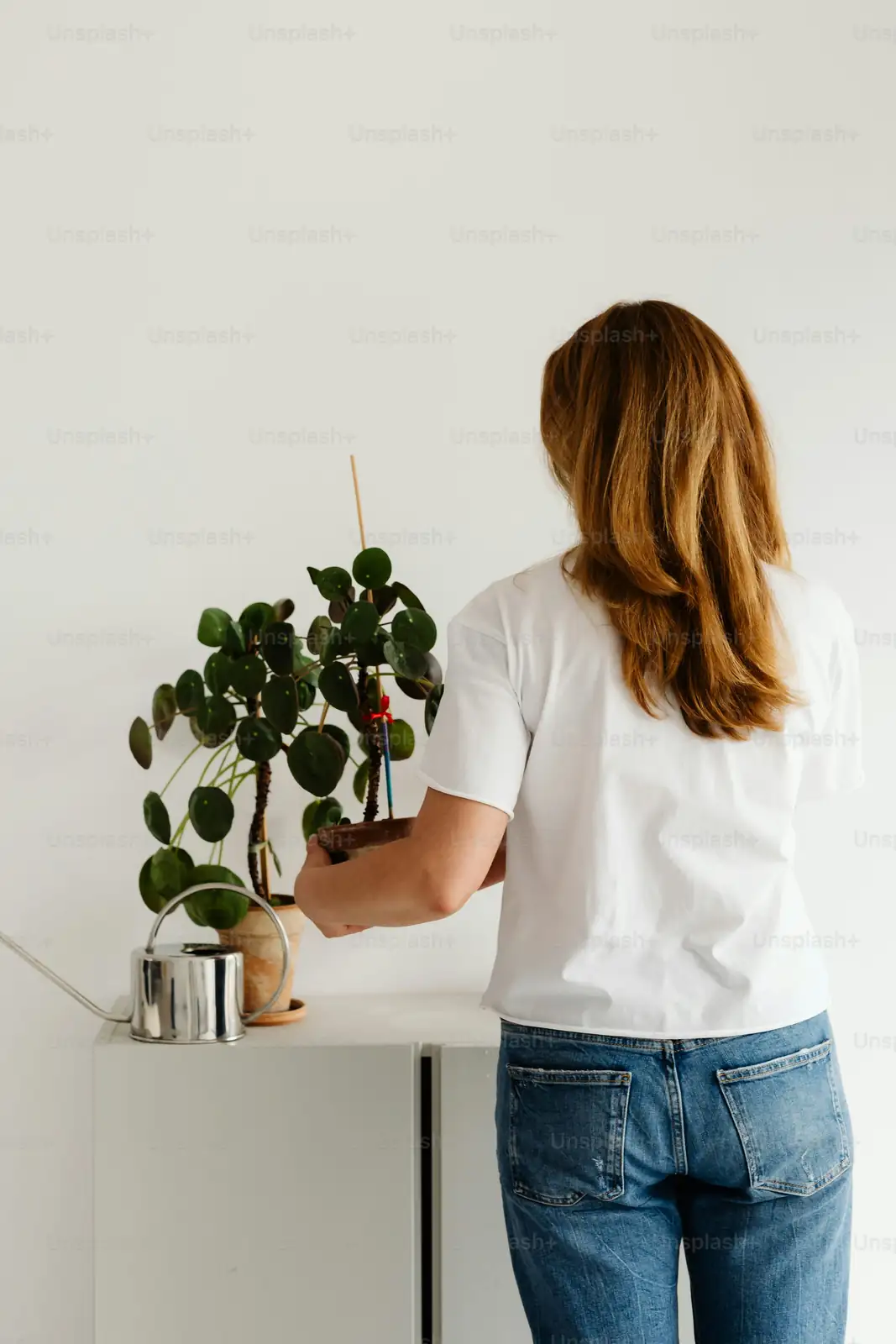
Avoid watering over the leaves to prevent disease, and ensure your pot has adequate drainage to fend off root rot. Once you get the hang of it, your begonias will reward you with robust growth and vibrant blooms.
Light and Location: Finding the Sweet Spot
Begonias thrive in a variety of light conditions, but they tend to shine brightest in partial shade to bright, indirect light. Think of them as the shade garden’s secret superstars, bringing color and life without demanding the spotlight. Morning sun followed by afternoon shade is ideal for many outdoor begonias, while indoor varieties appreciate a spot near a bright window, away from harsh midday rays.
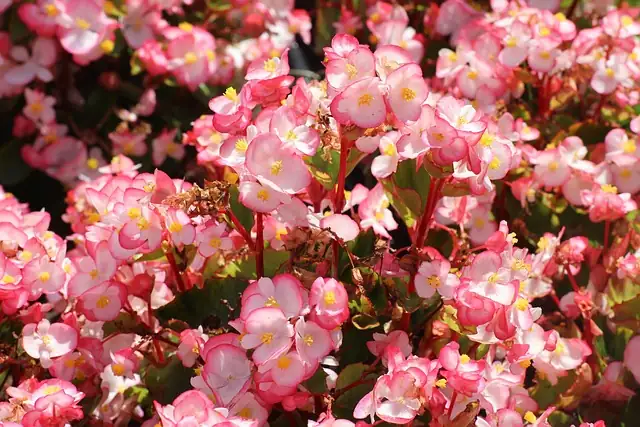
For those in cooler climates, wax begonias can handle a bit more sun if kept consistently moist. However, be wary of hot drafts and cold winter windowsills, as begonias prefer a stable, comfortable environment.
Seasonal Adjustments: Adapting with the Weather
Begonias are not just a summer fling—they can be your year-round companions if you adjust your care routine with the seasons.
- Spring: As growth resumes, increase your watering and begin feeding with a balanced liquid fertilizer every 2–4 weeks. Pinch back young plants to encourage bushy growth.
- Summer: Maintain steady moisture levels and protect your begonias from intense heat. Watch for pests such as mealybugs and spider mites, which love the warm conditions.
- Fall: Ease off on fertilizing as growth slows. For tuberous begonias, start preparing them for dormancy by reducing watering and letting the foliage die back naturally.
- Winter: Reduce watering and provide bright, indirect light to indoor begonias. Keep them warm and boost humidity with a pebble tray or humidifier, especially when indoor heating can dry the air.
Troubleshooting Common Issues
Even with the best care, begonias can sometimes encounter problems. Brown leaf tips may signal too much direct sun, underwatering, or low humidity. Adjusting these factors can often bring your plants back to health. Regular checks for pests and diseases, coupled with good airflow and dry leaves, help prevent issues like powdery mildew and root rot.
Begonias: More Than Just a Pretty Face
Beyond their beauty, begonias carry rich symbolism. In Victorian flower language, they are associated with caution and deep thoughts, gratitude, and uniqueness. In Chinese culture, they can represent longing and unrequited love—emotions as complex and multifaceted as the plants themselves.
Whether you’re growing them for their stunning flowers, remarkable foliage, or the stories they tell, begonias are a joy to cultivate. With the right care, they offer endless possibilities for bringing color and texture to both indoor and outdoor spaces. So, why not embrace the begonia’s charm and let these captivating plants transform your gardening experience?


