

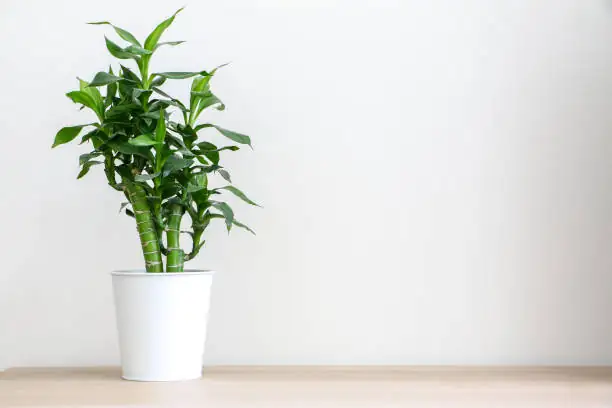
Let’s get your Lucky Bamboo (Dracaena sanderiana) out of the “vague advice” fog and into a spot where it actually thrives. This upright, bamboo‑look dracaena from West Africa is wonderfully forgiving, happy in water or soil, and famous for tidy canes topped with glossy green leaves. But the phrase “bright, indirect light” can feel like a riddle. Here’s how to decode it with simple window savvy, seasonal tweaks, and a couple of phone‑based tricks—no fancy gear required.
What “bright, indirect light” really means (in practice)
Think of dappled forest light: bright enough to read comfortably and keep color rich, but not the kind of sunbeam that heats your skin.
- The shadow test: Hold your hand 20–30 cm above a white surface.
- Crisp, sharp shadow = direct sun (too intense for long periods).
- Soft, fuzzy-edged shadow = bright, indirect (the sweet spot).
- Barely any shadow = low light (tolerable, but growth gets weak).
- A simple lux target (using your phone): Bright, indirect light typically lands in the mid range indoors.
- Aim for roughly 3,000–8,000 lux for several hours a day. It’s fine if it peaks a bit higher when filtered through a sheer.
- Don’t stress exact numbers—use them as a guidepost, not a rulebook.
- Heat check: “Bright indirect” should not feel hot on your skin. If the glass or the leaves heat up in midday sun, move the plant back or add a sheer curtain.
Tip: Lucky Bamboo tolerates lower light, but expect softer growth, droopier leaves, and less intense color if it stays dim for weeks on end.
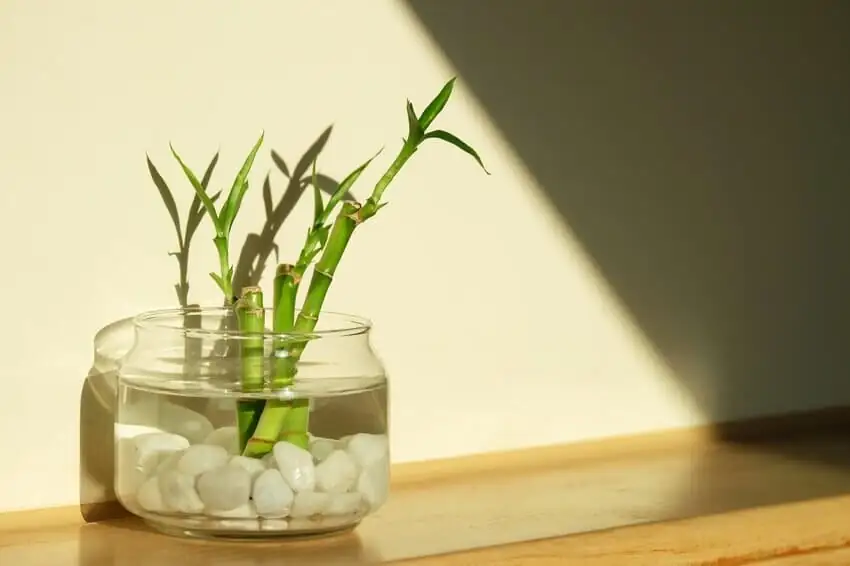
Phone‑based light tricks (no special gear)
You already have a light meter in your pocket.
- Use a free “lux meter” app on your phone:
- Check your plant’s intended spot at midday on a bright day.
- If readings hover in the 3,000–8,000 lux zone (or thereabouts), you’re golden.
- Compare different distances from the window—it’s eye‑opening how a sheer curtain or 1–2 meters of distance can “dial down” the light gently.
- No app? Do a quick compare:
- Take a bright photo of a white wall up close to a sunny window, then 1–2 meters back. If the farther photo still looks bright and crisp without harsh glare, that’s usually a good plant zone.
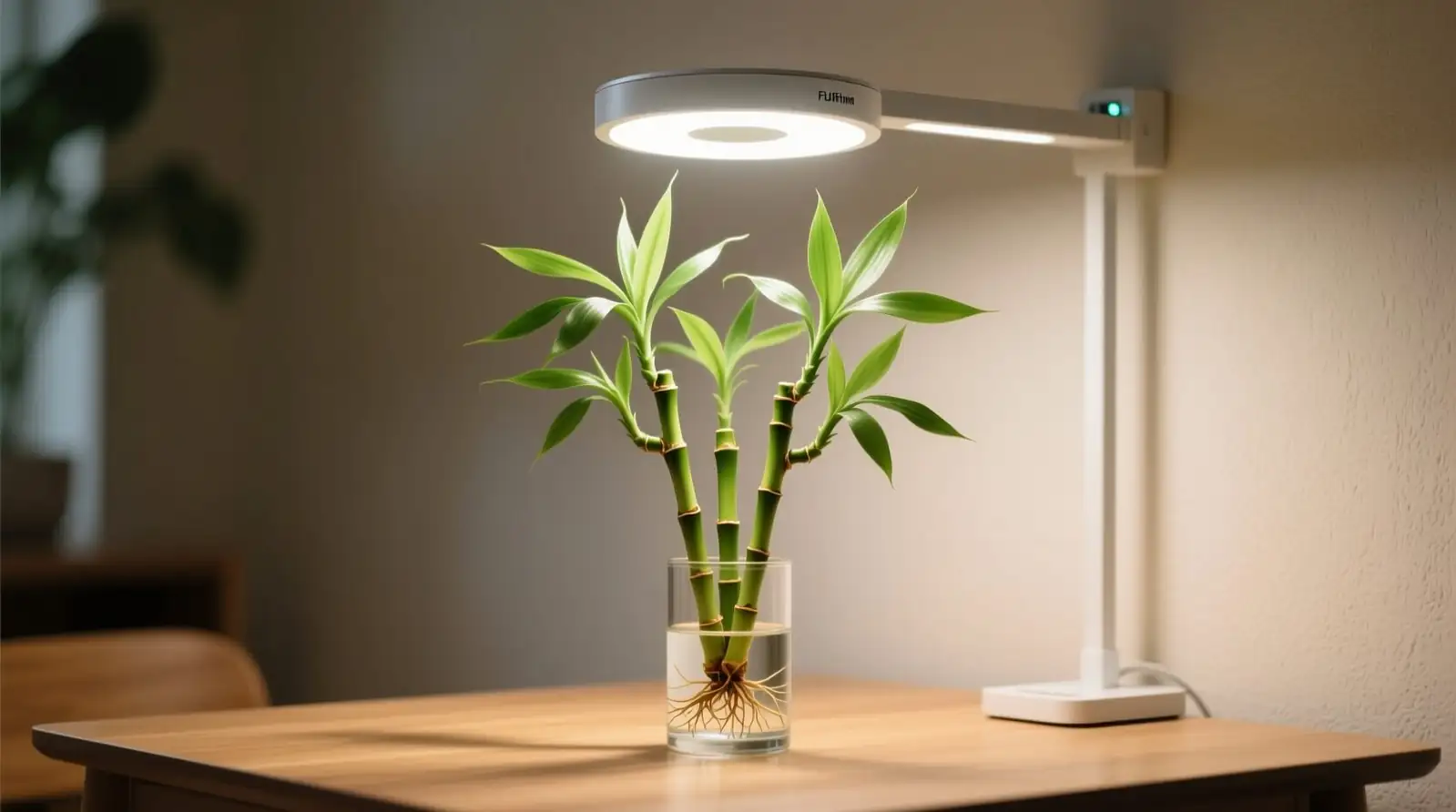
Window‑by‑window placement (Northern Hemisphere; flip north/south below the equator)
Lucky Bamboo loves about 50–70% filtered light. Use this as a practical placement recipe.
East window
- Morning sun is gentler: a classic spot.
- Placement: On the sill or within 15–60 cm. In midsummer, add a sheer if direct rays linger and feel hot.
South window
- Brightest exposure.
- Placement: Behind a sheer curtain on the sill, or 1–2 m back without a sheer.
- Watch for midday intensity—especially in summer. If leaves face the glass and feel warm, increase distance.
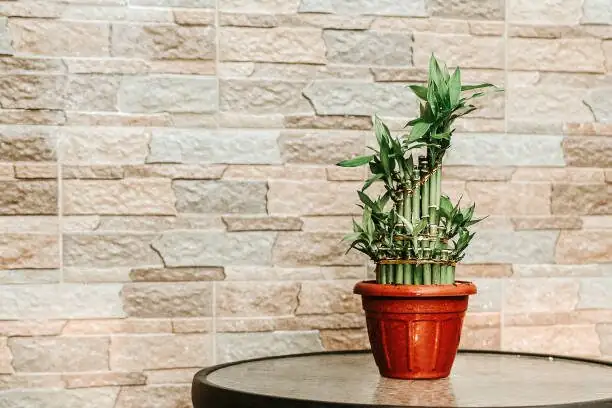
West window
- Hot afternoon sun.
- Placement: 0.5–1.5 m back, and a sheer is often worth it.
- Great light, but be mindful of late‑day heat.
North window
- Softest light.
- Placement: As close to the glass as possible. Use a white wall or mirror opposite the window to bounce extra brightness.
- Rotate weekly to prevent leaning.
Southern Hemisphere note: Reverse north/south in the tips above.
Seasonal shifts: micro‑moves that matter
- Summer: Sun is higher and harsher. Pull the plant back 30–60 cm or add a sheer. Avoid harsh, midday direct rays through glass.
- Winter: Sun is lower and reaches further inside. Move your plant closer to the window. Clean the glass—dust can noticeably dim light. Growth naturally slows; keep it warm.
- Cloudy spells: You can slide it nearer the window until brighter weather returns.
Read the plant: visual light cues you can trust
Lucky Bamboo is a straight talker—watch its form and color.
- Too little light:
- Leaves droop or feel softer; canes lean or bend rather than staying upright.
- Color looks less intense; variegation (if present) dulls.
- Long gaps between leaves, slower sprouting after pruning.
- Fix: Move closer to the window or remove a light blocker; aim for a brighter, filtered spot.
- Too much light:
- Bleached or yellow‑brown patches, especially on the window‑facing side.
- Crispy tips or edges, leaves curling, or the plant feels hot at midday.
- Fix: Add a sheer curtain, shift 0.5–1 m back, or move to an east window.
Note: Brown tips can also come from very dry air, heat blasts, or water quality issues. Keep it warm (18–30°C), give moderate humidity, and for water culture use clean, preferably dechlorinated water with weekly changes.
Light and water culture: best friends with boundaries
Lucky Bamboo often grows in water. Light influences how tidy that setup stays.
- Brighter light = faster growth (nice) but also more algae (not nice).
- Use an opaque or tinted vase, rinse pebbles well, and change water weekly.
- Keep roots submerged; trim away old or mushy roots when you refresh the water.
- If algae explodes, shift slightly farther from the window or add a sheer.
- In soil: Use a well‑drained houseplant mix. Keep evenly moist in spring/summer and a touch drier in winter warmth. Never let it sit in waterlogged soil.
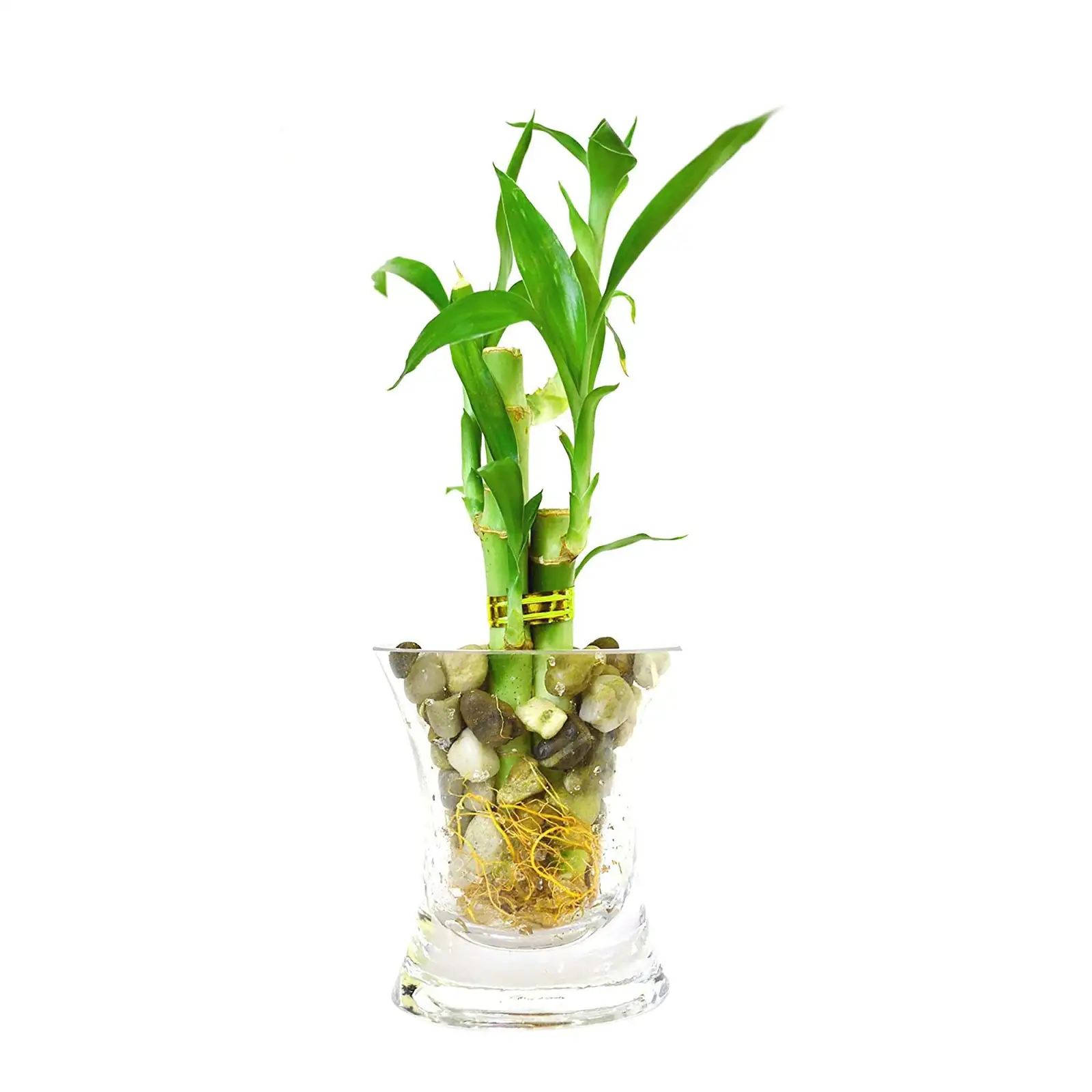
The 60‑second placement recipe
- Pick your brightest room.
- Stand at the sunniest window at midday and feel for heat. If hot, plan to use a sheer or move back.
- Hold out your hand—aim for a fuzzy‑edged shadow where the plant will live.
- If using a phone app, confirm you’re in the mid‑brightness zone (roughly 3,000–8,000 lux).
- Place, then rotate the plant a quarter turn weekly to keep it upright and balanced.
Quick size and habit notes (to set expectations)
- Typical indoor size: 30–60 cm tall, but it can exceed 1 m with strong growth.
- Habit: Upright canes with glossy, strap‑like leaves at the tips. If canes get top‑heavy, prune back to about 15 cm above the base; it will resprout from nodes, and tops can root easily in water.
FAQ: fast fixes
- Can Lucky Bamboo live in low light?
- Yes, it tolerates shade better than many plants—but expect weaker, softer growth and some droop. Bright, indirect light is ideal.
- How many hours of “good light” does it want?
- Aim for several hours of bright, indirect light daily (think a well‑lit room most of the day). Filter harsh direct sun, especially in midsummer.
- Is brief direct sun ever okay?
- Gentle morning sun through an east window is often fine if leaves don’t heat up. When in doubt, use a sheer curtain.
- What about grow lights?
- Optional. If your home is consistently dim, a weak, full‑spectrum light placed out of scorch range can help—still keep the “no hot leaves” rule.
- Is it safe for pets?
- No—like other dracaenas, it’s toxic to cats and dogs if chewed. Keep out of reach.
A note on symbolism (and what really brings the “luck”)
Lucky Bamboo is a classic feng shui gift symbolizing prosperity, harmony, and longevity. Arrangements are often given with specific numbers of stalks for different wishes. Culturally, the symbolism comes from the plant’s resilient, upright form and its bamboo‑like look, not from botany. The deepest “luck,” though, is practical: warm temperatures, clean water or well‑drained soil, and a seat in bright, indirect light. Nail those, and your plant will do the rest.
Placement cheat sheet
- Best all‑rounders: East window; or south/west window with a sheer.
- Keep it warm: 18–30°C, away from cold drafts or AC vents.
- Humidity: Moderate to high is great; mist in hot, dry spells if tips brown.
- Indoors only in cold climates; it’s frost‑tender.
Dial in the light with the shadow test and a quick phone check, watch the leaves for feedback, and enjoy how minor placement nudges can turn your Lucky Bamboo from “just hanging on” into fresh, upright, and vividly green.