
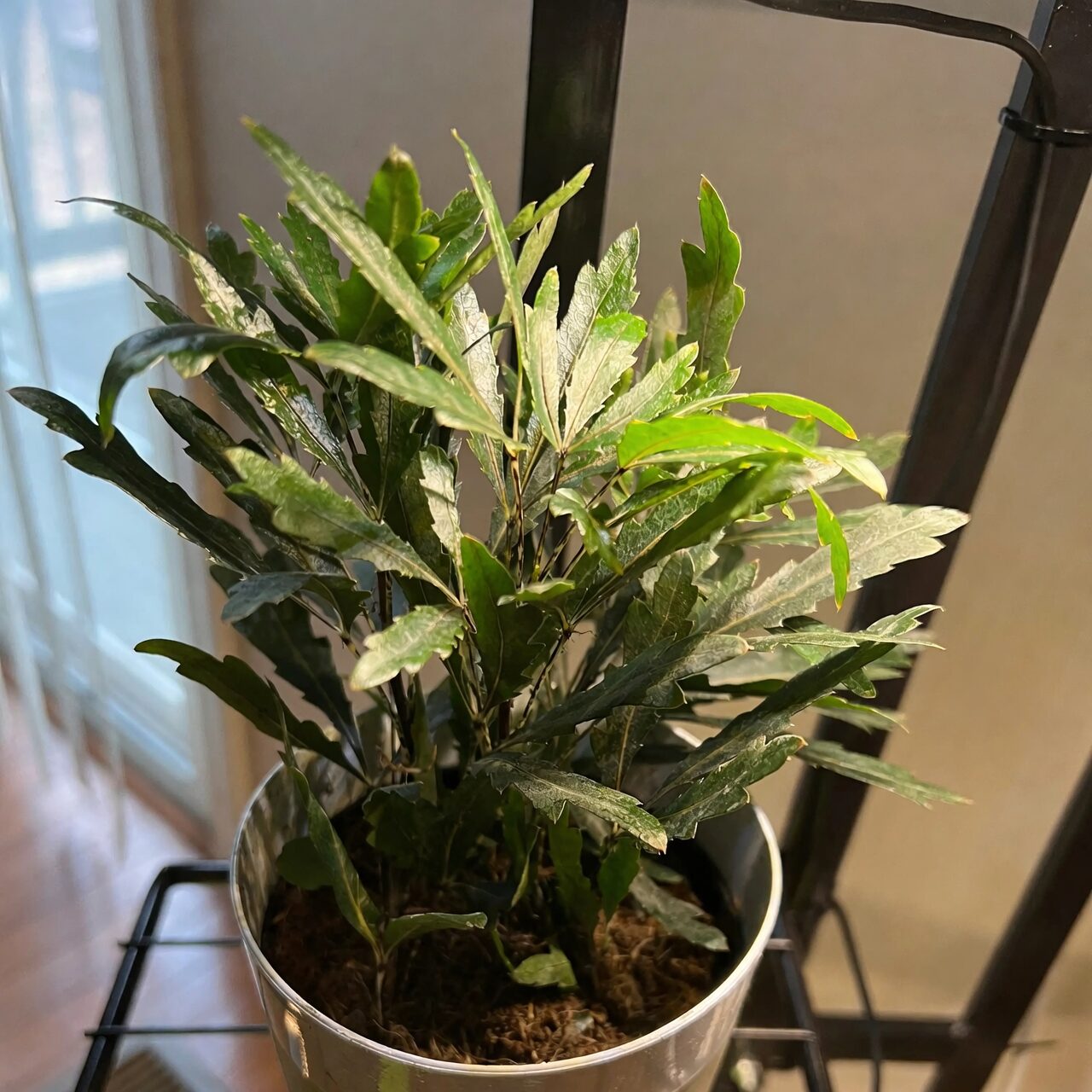
Think of False Aralia (Polyscias elegantissima) as a tropical feather-duster you get to style. When the light is just right and the air stays balmy, its finely cut leaves hold a crisp, glossy edge and the whole plant plumes into an elegant, calm green canopy. This is your actionable, no-guesswork playbook to keep it pristine through every season.
Meet your plant
- Botanical name: Polyscias elegantissima (aka False Aralia, Ming Aralia, Aralia/Schefflera elegantissima)
- Family: Araliaceae
- Origin: Madagascar
- Habit: Evergreen shrub to small tree; naturally fast-growing and can go leggy if you don’t shape it
- Indoors: usually 1–2 m (3–6.5 ft); outdoors in frost-free climates: up to 3–6 m (10–20 ft)
- Why we love it: Lush, feathery foliage that brings a refined, “tropical study” vibe without demanding full sun
The light playbook (exact by season)
Crisp, feathery leaves come from bright, filtered light—not harsh rays. Use this seasonal map and you’ll nail it.
- Spring and Autumn (indoors)
- Placement: East-facing window
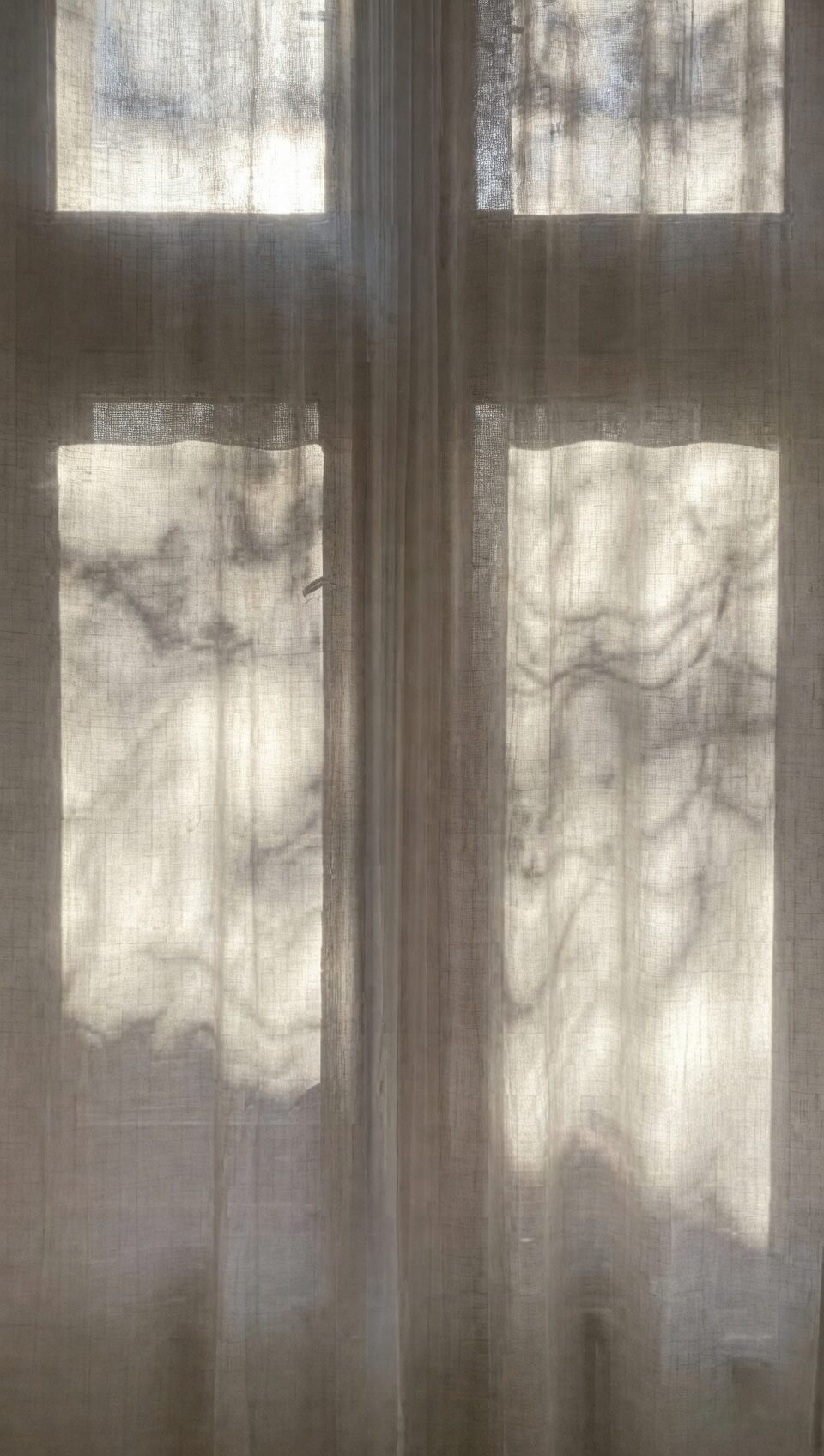
- Method: Bright morning light through a sheer curtain is perfect. Rotate weekly for even growth.
- Outdoors (frost-free): Bright, filtered shade.
- Summer (indoors)
- Placement: North-facing window or the most gently lit bright spot you have.
- Shade: If it summer-vacations outside, give roughly 70% shade (dappled understory or shade cloth). Midday sun will scorch.
- Signs to watch: Bleaching and crispy patches = too much sun; stretched gaps between leaves = not enough light.
- Winter (indoors)
- Placement: Your brightest position—often a south-facing window or sunroom.
- Tip: Winter sun is gentler; still use a sheer if the light feels harsh at midday. Keep leaves off cold glass.
- Grow-light backup
- If natural light is meager, run a full‑spectrum LED 20–40 W, positioned 12–24 in (30–60 cm) above the canopy for 10–12 hours/day. This helps maintain compact growth in deep winter or dim rooms.
Watering, exactly how to keep it “evenly, slightly moist”
False Aralia hates yo‑yo watering. Your goal is steady, slight moisture—never soggy, never bone‑dry for long.
- Spring–Autumn (active growth)
- Check: Press a finger into the mix. When the top centimeter (about 0.5 in) is just losing its cool damp feel, water.
- Watering method: Soak thoroughly until a little drains, then empty the saucer. Avoid repeated swings from very dry to very wet—this triggers leaf drop.
- Dry spells: Mist the foliage and lightly dampen nearby hard surfaces to lift local humidity.
- Winter (resting, cooler light)
- Go a notch drier: Let the top layer dry a little more than in summer, but do not leave the whole root zone dry for long stretches.
- Use room‑temperature water. Keep the soil “not cold and wet”—that combo invites trouble.
- Red flags
- Overwatered: Yellowing, dropping leaves, limp or mushy stems.
- Underwatered: Wilt and crispy edges, especially in dry rooms.
Temperature targets and airflow
- Ideal range: 20–30°C (68–86°F) for best growth and leaf quality.
- Winter minimum: Keep above 13–15°C (55–59°F). Around 8°C (46°F) or below can cause damage and leaf drop.
- Drafts: Avoid cold blasts and AC vents; stable, warm rooms keep foliage intact.
- Airflow: Gentle movement helps prevent leaf spot—just avoid direct hot or cold streams.
Humidity hacks for a crisp, feathery canopy
Aim for about 60%+ relative humidity. This keeps edges sharp and reduces pest pressure.
- Easy, effective tactics
- Morning misting during dry spells, plus lightly wet nearby hard surfaces so evaporation raises local humidity.
- Pebble tray: A wide tray under or near the plant filled with water and stones (pot above the waterline).
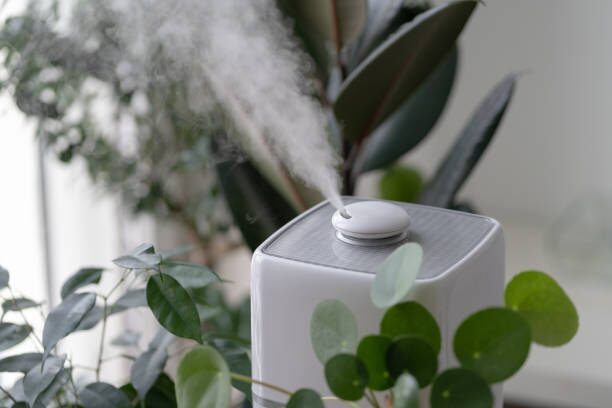
- Humidifier: Set to 60–70% in winter-heated rooms; run on a timer during the day.
- Group plants: They share a humid microclimate.
- Monitor: A small hygrometer removes guesswork.
- What not to do
- Don’t keep the soil soggy to “make humidity.” Leaf humidity and root moisture are different dials—tune them separately.
Soil, potting, and repotting
- Mix: Loose, fast-draining medium—peat- or leaf‑mold‑based potting mix amended with coarse sand (you can add a bit of perlite for extra air).
- Pot size: Many indoor plants start happily in 15–20 cm (6–8 in) pots; size up as roots fill the container.
- Repotting: Every ~2 years in spring, just one pot size up. Oversizing traps water and risks root rot.
Feeding plan
- Growing season: Feed monthly with a balanced fertilizer (e.g., 20‑20‑20), diluted as directed.
- Winter: Pause feeding until you see fresh spring growth.
Pruning and shaping: how to get that full, elegant crown
Left alone, False Aralia can get tall and a bit sparse. Strategic cuts make it plush.
- Early summer program
- Cut stems back by about one‑third.
- When new shoots appear, prune again. Repeating this 2–3 times encourages branching and a denser, showier form.
- Ongoing tidy‑ups
- Remove weak or leggy shoots promptly.
- Light pinching maintains a balanced silhouette.
Propagation (choose your adventure)
- Stem cuttings (spring)
- Take 10–12 cm (4–5 in) semi‑ripe tip cuttings; remove lower leaves.
- Root in very free‑draining medium (sand works well).
- Keep around 25°C (77°F) with high humidity; roots often form in 3–4 weeks.
- Also possible: water‑rooting or air layering.
- From seed
- Sow immediately or in spring at 19–24°C (66–75°F). Germination in ~3–4 weeks.
- Transplant when seedlings reach ~10 cm (4 in) tall.
Seasonal checklist (pin this to your potting bench)
- Spring
- Move to an east window with bright, filtered light.
- Repot if rootbound; refresh soil.
- Begin monthly feeding; start regular, even moisture.
- Take tip cuttings if propagating.
- Early Summer
- Shift to a north window indoors; if outdoors, provide ~70% shade.
- Prune back by one‑third to spark branching; repeat after new shoots appear.
- Boost humidity during dry heat; mist mornings.
- Late Summer–Autumn
- Maintain steady moisture and monthly feeding.
- Keep bright, filtered light (east light returns in early autumn).
- Watch for scale and aphids; treat at first sight.
- Winter
- Move to your brightest spot—often a south‑facing window.
- Keep temps above 13–15°C (55–59°F); avoid drafts.
- Water less often; keep the mix just slightly moist.
- Stop fertilizing.
Troubleshooting quick answers
- Scorched, pale, or crispy tips? Light is too harsh or humidity too low. Increase shade/humidity.
- Sudden leaf drop after a move? Likely cold drafts or watering swings. Warm it up and stabilize moisture.
- Leaf spot? Remove affected leaves, improve airflow, avoid wetting foliage late in the day; use an appropriate fungicide if needed.
- Pests: Scale and aphids are the usual suspects. Treat early with insecticidal soap or horticultural oil; repeat as directed. Wipe stems to remove residues.
Placement and safety
- Best rooms: Living rooms, bright studies, and windows with filtered light.
- Pet/child note: Toxicity isn’t consistently confirmed—treat it as potentially irritating if chewed. Keep out of reach and wash hands after pruning.
Symbolism and story
In many homes—especially in parts of China—False Aralia is gifted as a good‑luck plant, linked with prosperity and a calm, thriving household. Native to Madagascar and part of the ginseng family (Araliaceae), it’s not a “true” Aralia despite the nickname. One more reason it charms collectors: with smart pruning, what starts as a tall, airy silhouette can be trained into a compact, architectural showpiece—your personal, evergreen bonsai‑meets‑tropical cloud.
Fast facts to remember
- Light: East (spring/autumn), North (summer), brightest South (winter); ~70% shade outdoors in summer.
- Water: Keep evenly, slightly moist; go a bit drier in winter—never bone‑dry for long, never soggy.
- Temperature: Target 20–30°C; never below 13–15°C indoors; 8°C or below can cause damage.
- Humidity: Aim 60%+ for crisp, glossy foliage; use misting, pebble trays, humidifier, and grouping.
Follow this playbook and your Polyscias elegantissima will reward you with that understated, feather‑fine canopy—calm, lush, and immaculately groomed through every season.