

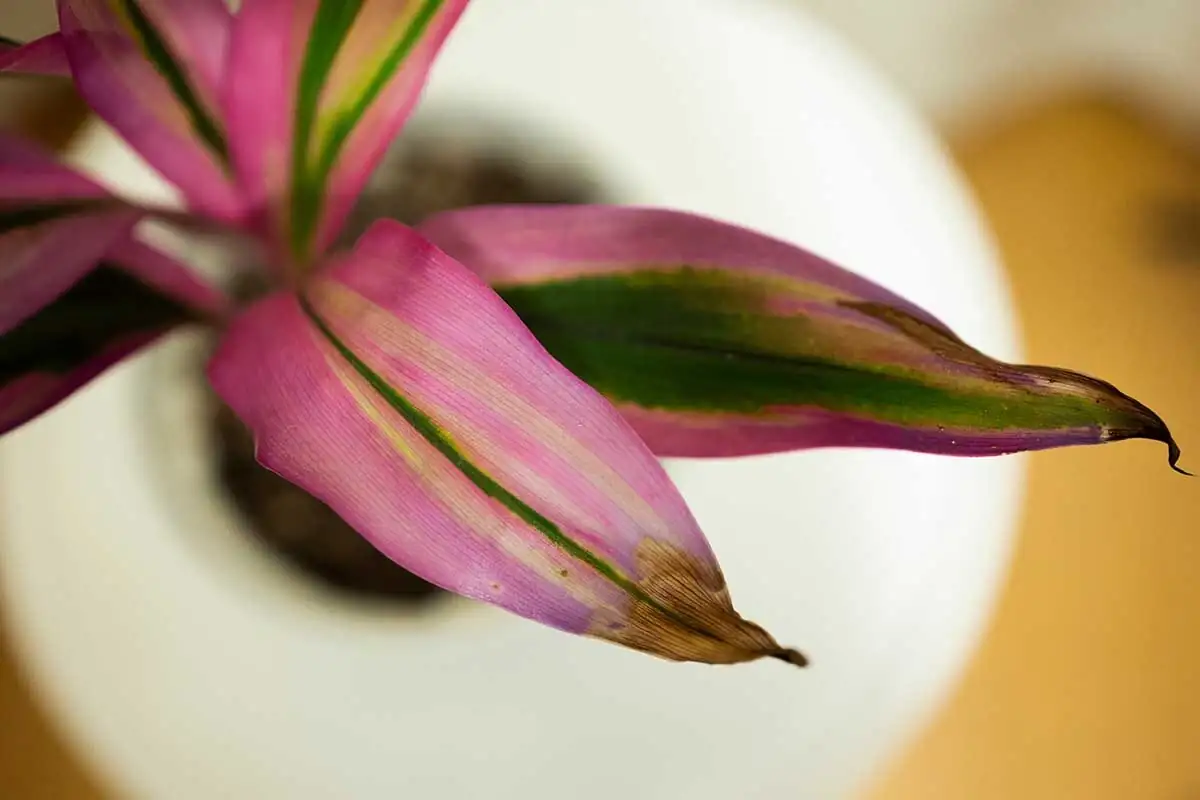
Looking for a bold, tropical statement that’s actually easy to live with? Meet Cordyline fruticosa—the Ti plant, a fountain of colorful, strap-like leaves that brings instant island energy to your space. The secret to keeping it gorgeous isn’t complicated: think bright filtered light, steady warmth, 50–60% humidity, and watering when the top inch of mix dries. Nail that rhythm, and your Ti will reward you with rich color and a lush, upright crown.
Meet the Ti Plant (Cordyline fruticosa)
- Family: Asparagaceae; Genus: Cordyline
- Common names: Ti Plant, Good Luck Plant, Hawaiian Ti (朱蕉)
- Origin: Native to Southeast Asia through the western Pacific; widely cultivated across tropical regions
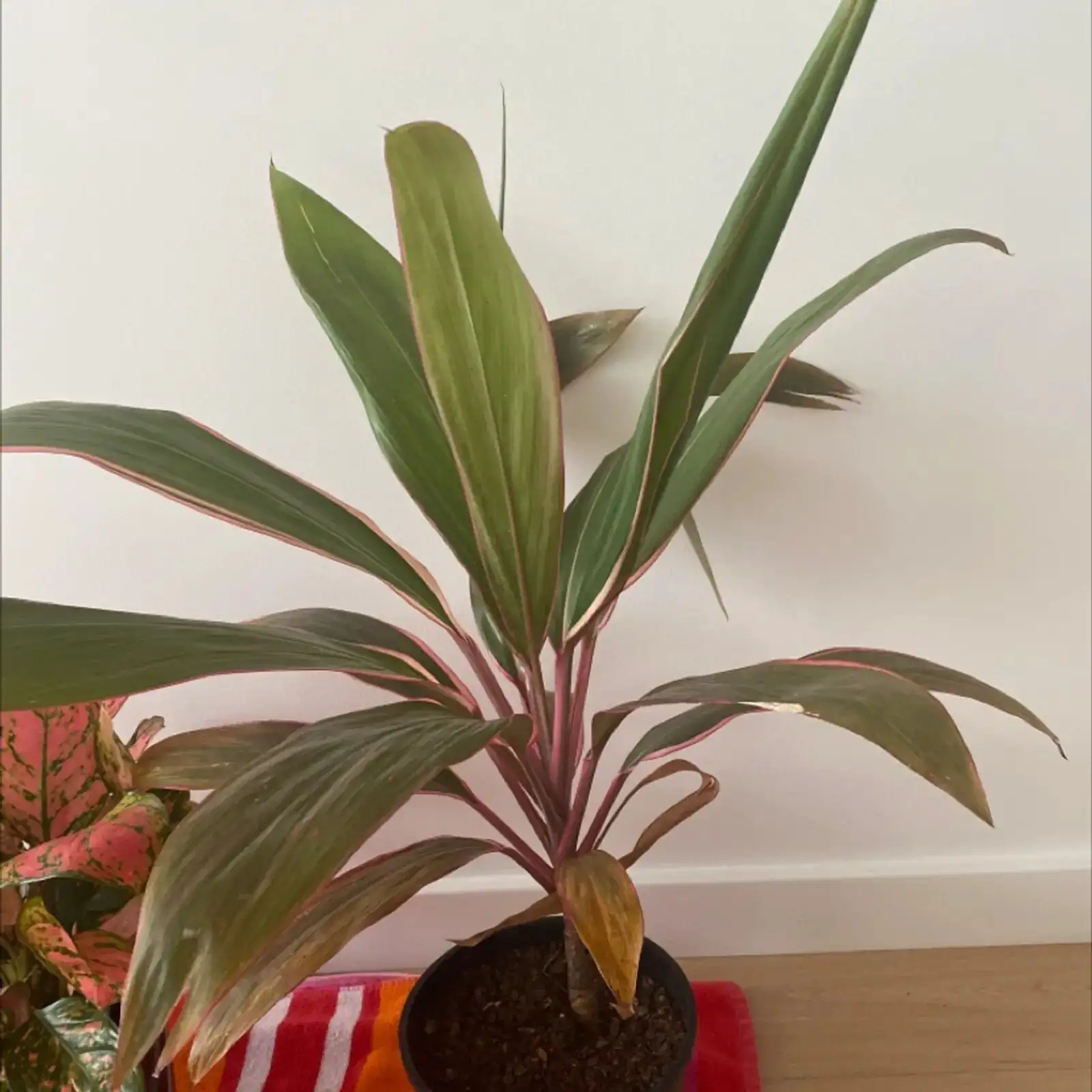
- Look: Upright, cane-like stems topped with a fountain of long, arching leaves in green, burgundy-red, hot pink, or bold variegation
- Size indoors: About 40 cm to 1.5 m (16 in–5 ft), depending on pot size and pruning
- Flowers: Small, starry blooms (summer) can appear in warm, bright conditions, but it’s mainly grown for foliage
- Habit: As stems lengthen, lower leaves naturally yellow and drop; pruning encourages branching and a fuller crown
The Easy Routine Ti Loves
- Light: Bright, filtered light (bright indirect). A sheer-curtained east or south window is ideal; avoid harsh midday sun.
- Temperature: Warmth is key—aim for 20–25°C (68–77°F). Keep above 5°C (41°F) to prevent leaf damage; brief dips to ~7–10°C (45–50°F) are tolerable, but avoid cold snaps.
- Humidity: Aim for 50–60% RH. Gentle misting during active growth or a humidifier helps; ensure good airflow so leaves don’t stay wet.
- Water: Water when the top 2–3 cm (about 1 in) of mix is dry. Thoroughly soak, then drain—never leave water in the saucer.
- Soil: Free-draining, airy mix (quality potting soil + compost/leaf mold + coarse sand or perlite). Always use a pot with drainage holes.
- Feeding: From about May to September, feed every 2 weeks with a balanced liquid fertilizer. Ease off in winter.
- Skill level: Moderate—with consistent moisture and bright, filtered light, it becomes very reliable.
Light and Color: How to Keep Leaves Vivid
Color fade on Ti is usually fixable with a few tweaks:
- Brighten without burning: Place near bright filtered light; rotate the pot every couple of weeks for even color. Avoid long-term deep shade, which speeds leaf aging and can cause brown spotting.
- Refresh the roots: Fading often signals a root-bound plant or exhausted potting mix. Repot in spring using fresh, free-draining mix.
- Feed smart: Regular feeding in active growth helps, but don’t overdo nitrogen—it can push greener growth and mute variegation. Balanced nutrition with adequate potassium supports leaf quality.
- Warm, steady conditions: Cold or big temperature swings can dull color and stress foliage.
Watering with Confidence
Think “evenly moist, never soggy.”
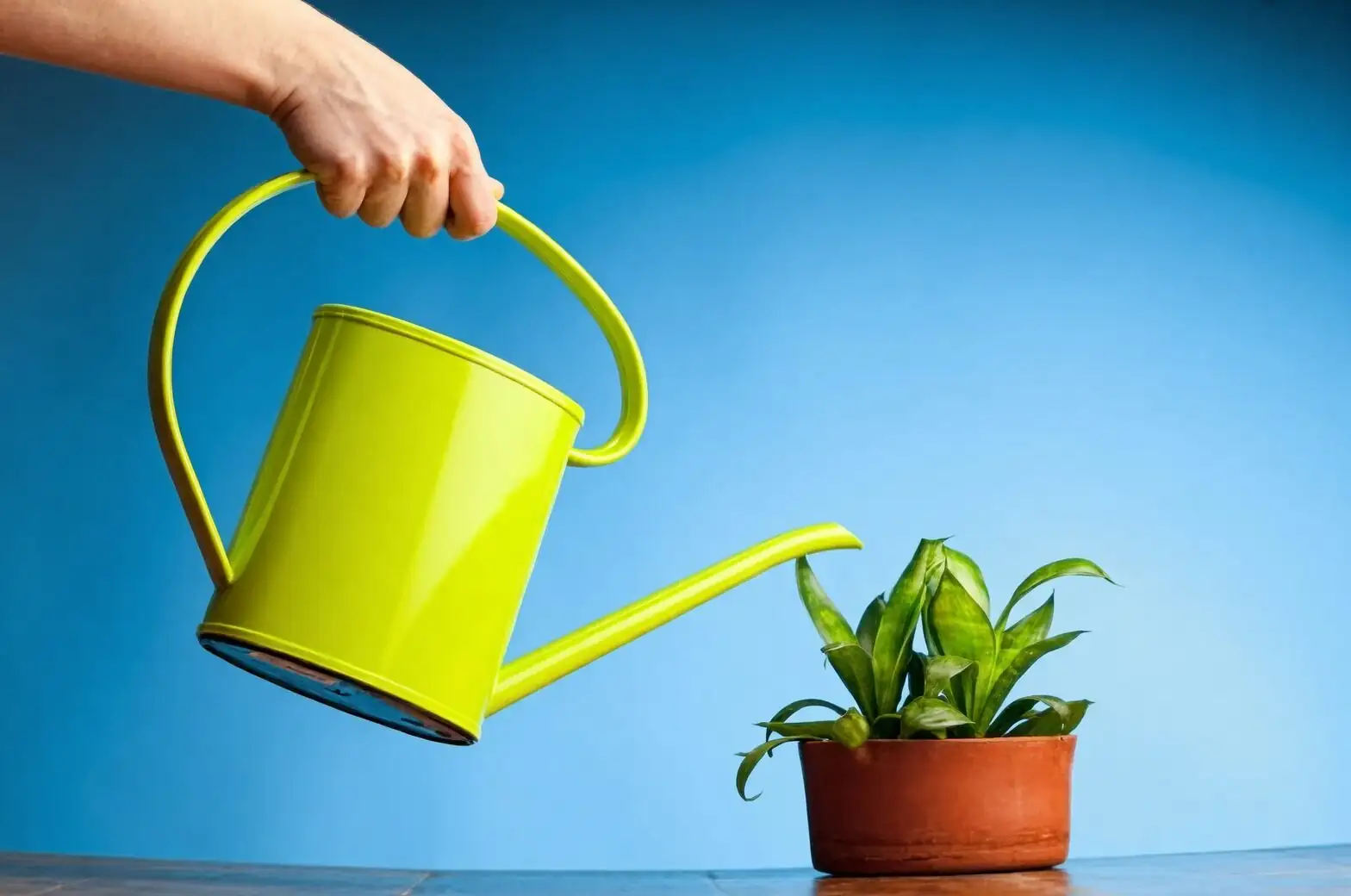
- The feel test: Water when the top inch of mix dries. In brighter, warmer spots, that might be weekly; in cooler rooms, less often.
- How to water: Give a thorough soak until water exits the drain holes, then empty the saucer. Avoid standing water.
- Signs to watch:
- Too wet: Yellowing tips, limp growth, potential root trouble.
- Too dry: Leaf drop and crisp margins; variegated leaves dull out.
- Water quality tip: If you see persistent brown tips and your care is otherwise solid, try rainwater or distilled water and ensure good airflow after light misting.
Warmth and Humidity: Preventing Cold Shock
- Sweet spot: 20–25°C (68–77°F); summer days 25–30°C (77–86°F) are fine.
- Absolute minimum: Keep above 5°C (41°F). Below this, leaf edges may scorch or rot quickly.
- Drafts: Keep away from exterior doors, chilly windows, and AC vents—cold blasts can blemish leaves overnight.
- Humidity: Target 50–60%. Use a humidifier or pebble tray; if misting, do it lightly in the morning so leaves dry quickly, reducing leaf spot risk.
- Outdoor note: Not frost-hardy; suitable outdoors year-round only in warm climates (approximately USDA Zone 10–12). Provide midday shade in hot sun.
Potting Mix, Repotting, and Root Health
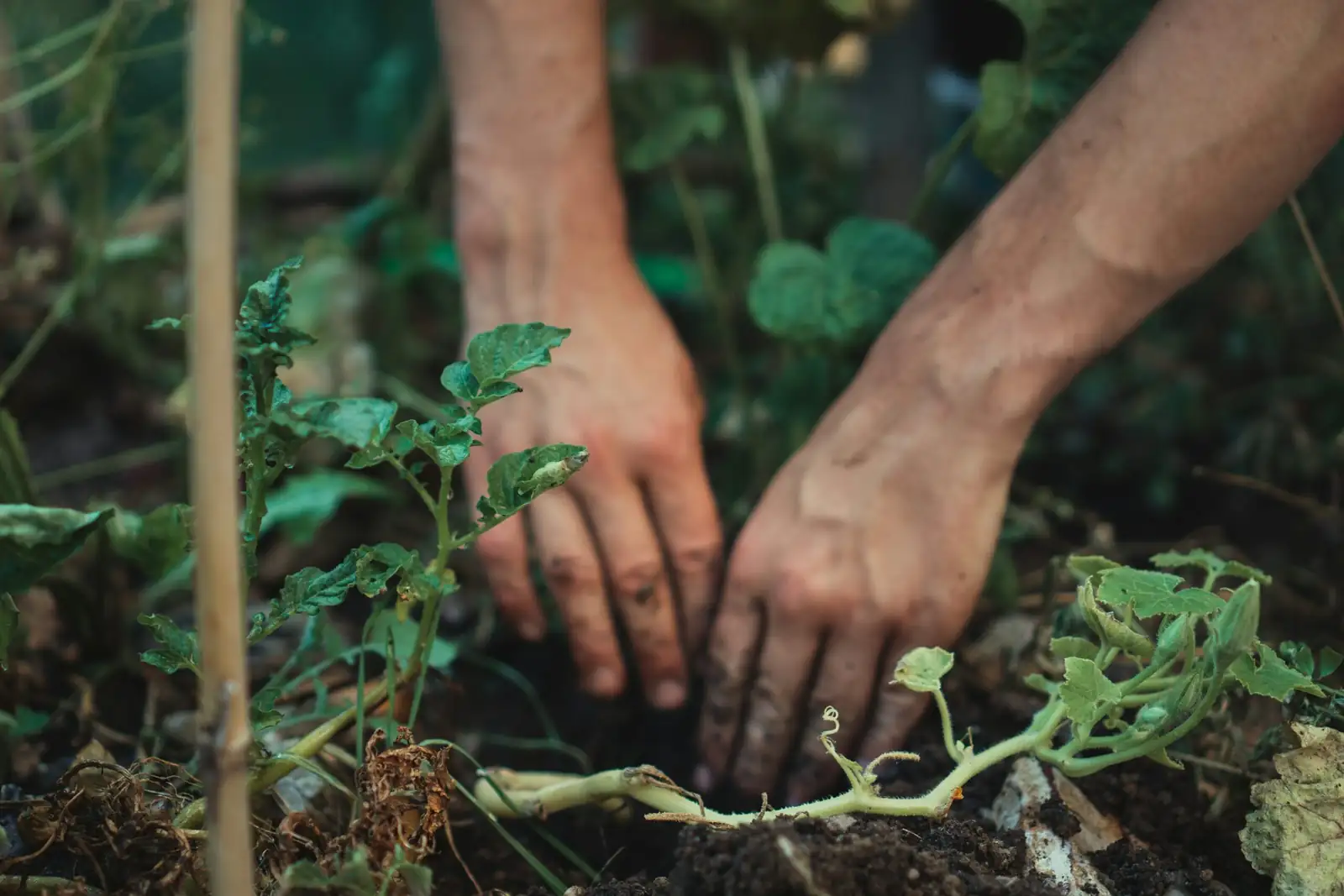
- Mix recipe:
- 2 parts quality potting soil
- 1 part compost or leaf mold
- 1 part coarse sand or perlite
- Repot timing: Every 2–3 years in spring, sizing up just one pot. Trim only damaged fine roots and keep warm while it re-establishes.
- Drainage: Nonnegotiable. Use a pot with holes and never let the plant sit in water.
Shaping and Pruning
- Routine grooming: Remove naturally yellowing lower leaves as stems elongate.
- Encourage fullness: If tall and bare, cut stems back; new shoots will emerge below the cut, creating a bushier crown.
- Midday sun caution: If you’re increasing light, do it gradually to avoid scorch on tender leaves.
Propagation (Easy Ways to Make More Ti)
- Stem tip cuttings (June–October):
- Take 10–15 cm (4–6 in) semi-mature tips, keep 5–6 leaves, and shorten leaves by half to reduce stress.
- Root in moist sand/perlite; expect roots in about 4 weeks.
- Air-layering (May–June):
- Ring-bark a 1.5 cm (0.6 in) strip about 20 cm (8 in) below the tip.
- Wrap with moist sphagnum/peat and plastic; roots form in ~5–6 weeks. Sever and pot once rooted.
- From seed:
- Sow indoors when ripe (often September).
- Germinate at 24–27°C (75–81°F); sprouts in roughly 2 weeks. Pot up at 4–5 cm (1.6–2.0 in).
Troubleshooting: Fast Fixes
- Fading color:
- Move to brighter filtered light; repot into fresh mix; resume a steady feeding schedule (every 2 weeks in active growth) and avoid excess nitrogen.
- Brown tips or spotting:
- Check watering rhythm (avoid both bone-dry and waterlogged).
- Boost humidity to ~50–60% with good airflow; avoid leaves staying wet for long.
- Leaf drop:
- Often drought stress or cold shock. Review watering and draft exposure.
- Pests and diseases:
- Scale insects are common—treat early with horticultural oil or insecticidal soap; repeat as needed.
- Leaf spot/anthracnose can develop if foliage stays wet in stagnant air—improve ventilation, water soil-level, and remove affected leaves.
- Always quarantine new plants.
A Simple Year-Round Calendar
- Spring:
- Repot every 2–3 years; start regular feeding.
- Begin air-layering (May–June) if shaping.
- May–September:
- Active growth—feed every 2 weeks, maintain 50–60% humidity, and take stem tip cuttings (June–October).
- Provide midday shade in strong summer sun.
- September:
- Sow ripe seed indoors at 24–27°C (75–81°F).
- Winter:
- Bring plants indoors in cool climates.
- Reduce watering, stop fertilizing in cool rooms, and keep above 5°C (41°F).
Placement Ideas Indoors
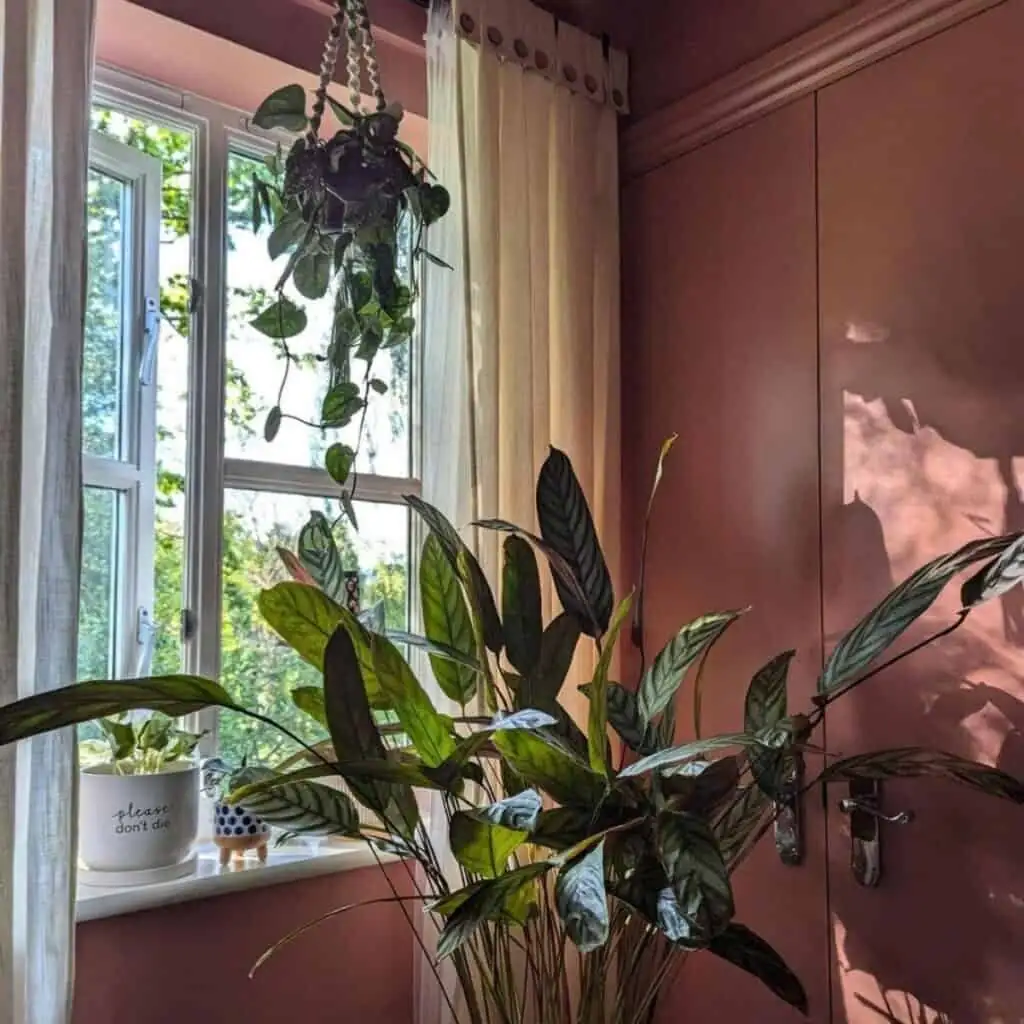
- Best spots: Near an east window or a south window with a sheer curtain. A bright corner a few feet from a sunny window also works.
- Avoid: Long-term deep shade (accelerates leaf aging and spotting), cold drafts, and heat blasts from radiators.
- Styling tip: Group with other tropicals to raise local humidity and showcase contrasting leaf textures.
Safety Note
- Potentially toxic to pets (cats and dogs) if chewed, causing drooling and gastrointestinal upset. Keep out of reach of pets and small children.
Culture, Uses, and Meaning
- Cultural use: Across the Pacific—especially in Hawai‘i—ti leaves are used for decoration and traditional adornment in festive displays.
- Symbolism: Widely associated with good luck and protection in Pacific cultures, which is why it’s often kept as a “good luck plant” at home.
- About “flower language” (花语): Modern houseplant culture often assigns “meanings” like protection, prosperity, and vitality to Ti. These ideas echo its traditional roles across the Pacific, but they’re cultural associations rather than a strict, universal code—embrace them as a warm nod to tradition.
Quick FAQ
- My Ti plant’s leaf color is fading—how can I bring the variegation back?
- Repot into fresh, well-draining mix in late spring to early summer and give bright filtered light. Feed during active growth and avoid excessive nitrogen, which can reduce variegation.
- How do I choose a healthy Ti plant, and where should I place it?
- Pick one with dense foliage, strong color, and no pests (no speckles, sticky residue, or bumps). Place it near an east or south window with a sheer curtain, keep it warm (above 5°C/41°F), and avoid long-term dim corners that hasten leaf aging.
With this easy routine—bright filtered light, steady warmth, 50–60% humidity, and watering when the top inch dries—your Ti plant will keep its island glow year-round, no passport required.