

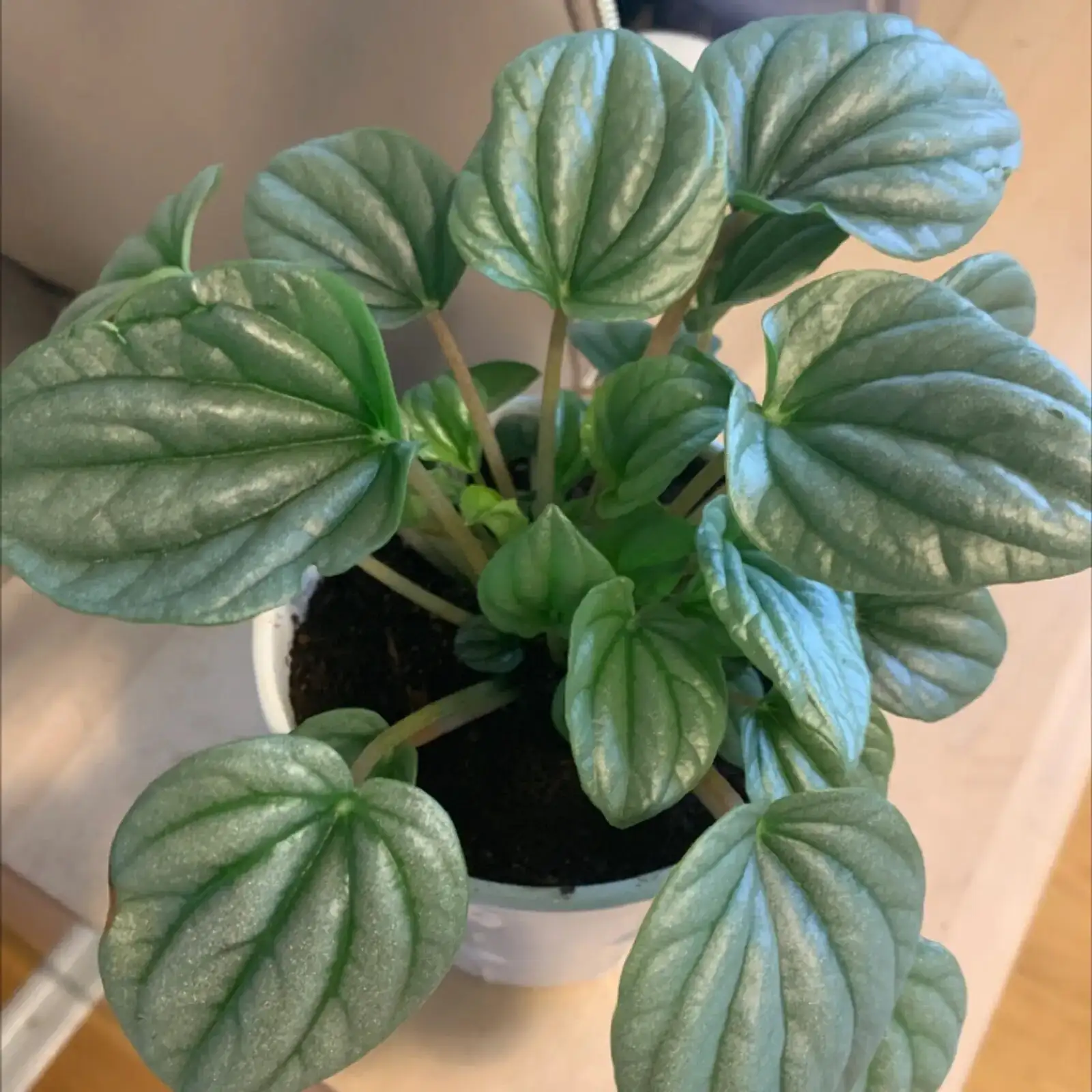
If your apartment’s best window is more “postage stamp” than panorama, good news: Ripple Peperomia (Peperomia caperata) was practically made for small, bright corners. Those heart-shaped, corrugated leaves glow with a two-tone sheen in the right light—and sulk or scorch when the light’s off. Here’s a clear, no-jargon guide to what “bright indirect” actually looks like indoors, exactly how far to park your plant from different windows, and simple hacks to keep the sheen without the sunburn.
Meet Ripple Peperomia, the small-space sweetheart
- Names you’ll see: Ripple Peperomia, Emerald Ripple Peperomia, Radiator Plant (scientific: Peperomia caperata; family Piperaceae)
- Origins: Tropical South America (commonly from Brazil); now a compact houseplant staple
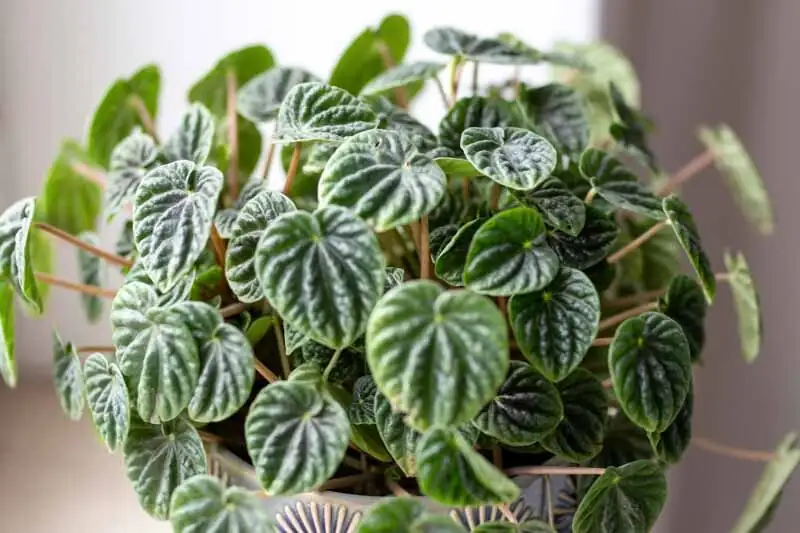
- Look and size: Heart-shaped, puckered leaves in deep green to burgundy tones, often with a soft two-tone glow; stays petite around 25 × 25 cm (10 × 10 in)
- Flowers: Slim, cream-to-pale-green spikes in summer—charming, but foliage is the headliner
- Personality: Easy-going, humidity-loving, and forgiving if you err on the dry side; generally non-toxic to cats and dogs
Bright indirect—decoded for tiny homes
“Bright indirect” is simply plenty of ambient light without harsh sunbeams frying the leaves—think shade under a bright sky.
The easy “shadow test”
- Crisp, sharp shadow with defined edges = too direct/intense
- Soft, fuzzy shadow you can make out = bright indirect (sweet spot)
- Barely-there or no shadow = too dim for best color and compact growth
Target light range (for the curious)
- Aim for roughly 500–1,000 foot-candles (about 5,000–10,000 lux)
- Brief nudges up to 1,500 foot-candles are okay if humidity is good and light is filtered
- A phone light meter app near leaf height can give you a ballpark number
How far from the window? A quick, room-by-room map
Every home is different, but these distances work well for Peperomia caperata. Adjust if you have unusually large panes, no nearby buildings, or deep overhangs.
North-facing window
- Placement: On the sill up to 30–60 cm (1–2 ft) away, unobstructed
- Notes: Gentle, consistent light. Great for maintaining color; growth will be steady but not fast.
East-facing window (soft morning sun)
- Placement: 30–90 cm (1–3 ft) from the glass
- Filter or pull back if morning sun hits hard in summer. The morning rays are generally milder and often fine for an hour or two, but avoid leaf-hotspots through bare glass.
West-facing window (strong afternoon sun)
- Placement: 90–150 cm (3–5 ft) back, or behind a sheer curtain
- Notes: Afternoon sun is punchy. A sheer curtain or blinds that soften the beam are your best friends here.
South-facing window (northern hemisphere) / North-facing (southern hemisphere)
- Placement: 1.2–2 m (4–6 ft) back with no filter, or 60–120 cm (2–4 ft) behind a sheer
- Notes: Avoid direct midday sun on the leaves; it can scorch the ripples quickly.
Skylights and glass doors
- Skylight: Bright, but often diffuse—great if not directly overhead at midday
- Sliding glass doors: Treat like a south/west exposure; step back 1–2 m (3–6 ft) or add sheer fabric
Tip: In winter, light is weaker—nudge your plant 30–60 cm (1–2 ft) closer. In summer, scoot it back or add a sheer.
Keep that two-tone sheen without the crisp
The classic green-and-burgundy glow shows best in bright, indirect light. Here’s how to lock it in.
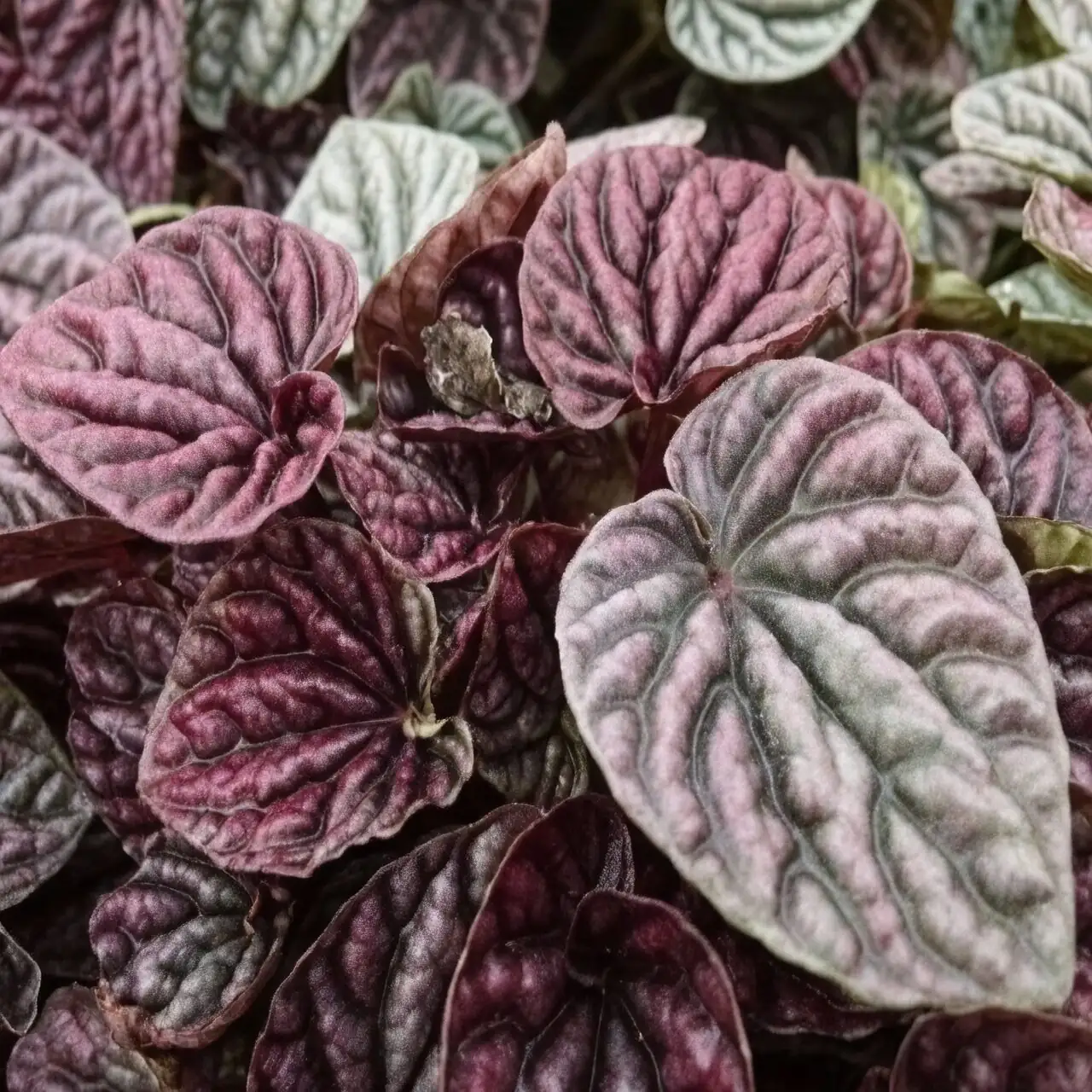
- Rotate 90° weekly so all sides get equal light; it keeps the mound compact and evenly colored.
- Clean gently: Dust dulls the sheen. Wipe leaves with a barely damp, soft cloth—no leaf-shine sprays.
- Skip misting: Water lingers in the leaf ripples and can spot or stain. For humidity, use a pebble tray (pot above the waterline) or place near other plants.
- Water with the light in mind: In brighter spots, the mix dries faster. Spring–autumn, water when the surface of the mix dries; in winter, keep the mix almost dry and water sparingly. Err slightly on the dry side.
Sunburn-proofing for sunny apartments
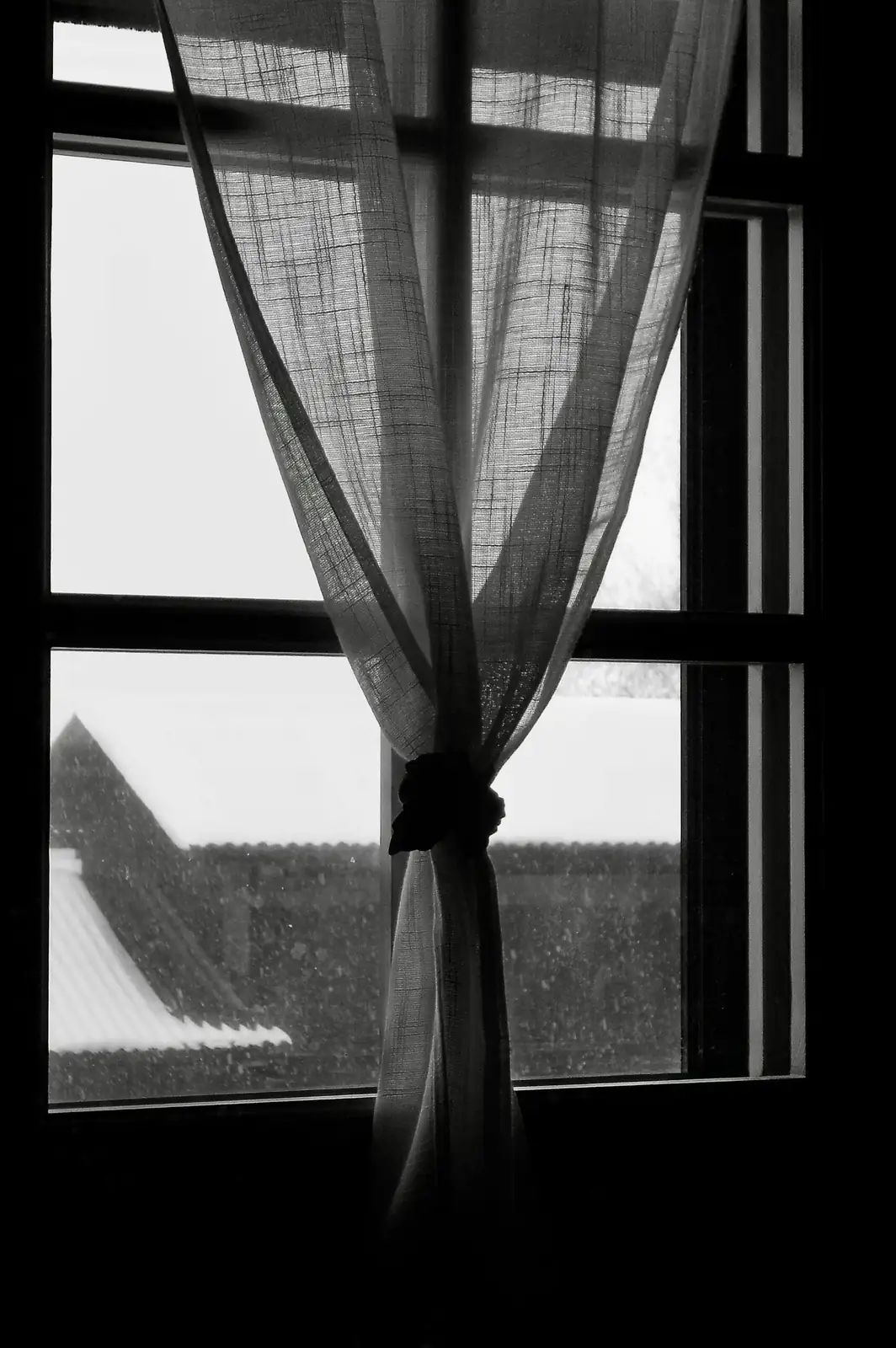
- Sheer curtain = instant dappled forest. A simple voile panel cuts harshness while keeping brightness.
- Window film: Nearly invisible UV/light-diffusing films tame midday rays without changing your decor.
- Distance: Every 30 cm (1 ft) back from the glass can drop intensity dramatically.
- “Buddy shade”: Tuck your Ripple Peperomia behind a taller plant to mimic canopy-filtered light.
- Bounce light: Place it near a white wall; the wall reflects soft, indirect brightness.
- Acclimate gradually: Over 10–14 days, move it closer in small steps or increase daily light time if you’re adding a grow light.
What if your apartment is a cave? Subtle grow-light help
Ripple Peperomia accepts tasteful, low-profile lighting.
- Use a full-spectrum LED bar or bulb (4000–6500K) 30–45 cm (12–18 in) above or beside the plant
- Duration: 8–10 hours daily on a timer
- Aim for the same soft-shadow test; no need to blast it like a seedling under stadium lights
Troubleshooting the light—read your leaves
- Too much light/sun: Bleached patches, crispy tips, silvery dullness, or hot-to-the-touch leaves. Fix by adding a sheer, increasing distance, or shifting off the sill.
- Too little light: Stretched petioles, looser rippling, flatter color, slow/no new growth, or soil staying wet for ages. Move closer to the window, repaint a nearby wall lighter, or add a small LED.
- Mixed signals: Yellowing plus mushy stems points to overwatering (often worsened in low light). Improve drainage and let the surface dry between drinks.
Apartment placement ideas that just work
- Bright bathroom shelf with frosted glass: humidity boost plus filtered light
- Kitchen counter 60–120 cm (2–4 ft) from an east window
- Living-room bookcase across from a south window, with a sheer in summer
- Desk near a north window, unobstructed; add a slim LED if winter gets gloomy
Care tie-ins that keep light and leaves in balance
- Temperature: 15–24°C (59–75°F); protect from chills and drafty windows. Keep above 12°C (54°F).
- Humidity: Moderate to high (around 50%+); pebble tray over misting to avoid leaf spotting.
- Soil: Loose, airy, fast-draining houseplant mix with added perlite; small pot (around 10 cm/4 in) is best.
- Feeding: Monthly at half strength in spring–autumn; reduce or pause in winter.
- Pruning: Minimal—pluck yellowing leaves and spent flower spikes.
- Repotting: Every 2–3 years or when slightly rootbound; avoid oversized pots that stay wet.
- Pests: Watch for mealybugs, mites, and scale (especially in dry air). Improve airflow, wipe leaves, and treat early with insecticidal soap or horticultural oil if needed.
A simple seasonal rhythm for light
- Spring: Days lengthen—rotate weekly, watch for faster drying
- Summer: Guard against midday glare with sheers or extra distance
- Autumn: Ease closer as sun weakens; reduce feeding later in the season
- Winter: Scoot near the brightest window or add a timered LED; keep the mix almost dry
A note on meaning
Ripple Peperomia often symbolizes quiet resilience and gentle charm—apt for a plant that thrives without fanfare. The association grows from its sculptural, enduring foliage rather than showy blooms: a small, steady presence that turns everyday light into living artwork.
In short: give Peperomia caperata abundant—but softened—light. Think bright room, softened rays, and a weekly quarter-turn. Do that, and those rippled hearts will keep their luxe, two-tone glow without ever flirting with a sunburn.