

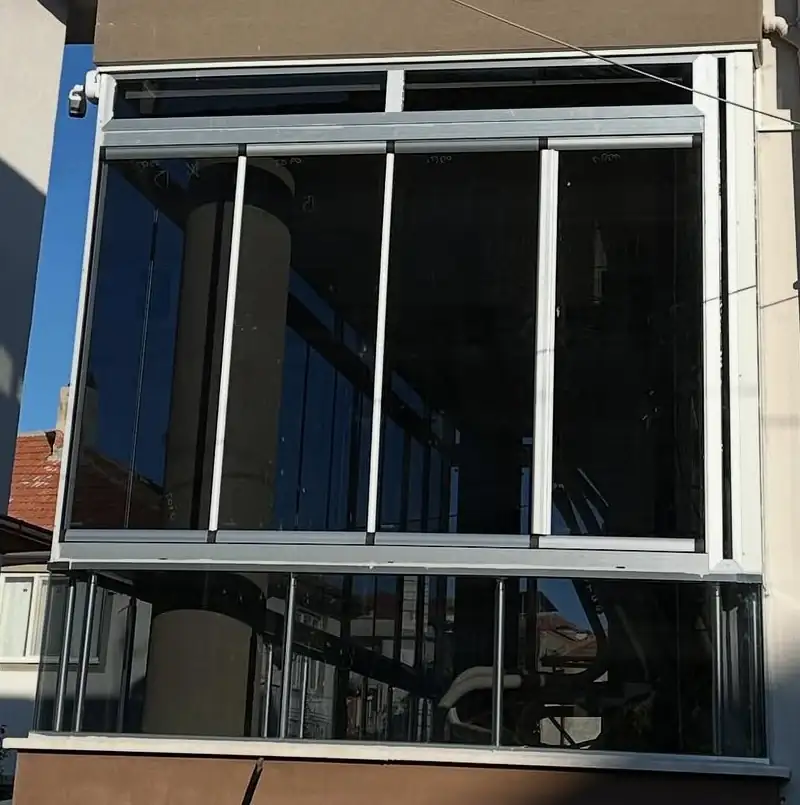
Enclosed balconies can be a splendid retreat from the hustle and bustle of everyday life. However, without the right setup, they can quickly become stuffy and uncomfortable. In this guide, we’ll explore how to create a well-ventilated and humidified environment in your enclosed balcony to ensure comfort and structural integrity.
Why Ventilation and Humidification Matter
Ventilation plays a crucial role in preventing heat buildup and moisture accumulation, which can lead to wood rot and mold growth—especially if your balcony is exposed to weather elements like rain or snow. According to California building codes, it’s essential to maintain a net free cross-ventilation area of at least 1/150 of the balcony’s space to manage moisture and promote airflow effectively.
Humidification, on the other hand, is about maintaining the right moisture level, which is particularly beneficial if you have plants or want to ensure the air doesn’t get too dry.
How to Achieve Optimal Ventilation
1. Cross-Ventilation
What It Is: Cross-ventilation involves creating openings, such as windows or doors, on opposite sides of the balcony.
How to Do It: If possible, install operable windows or doors that can open on either side of your balcony. This setup allows fresh air to flow through, pushing out stale or warm air. It’s particularly effective in warmer climates where natural cooling is a bonus.

2. Ridge and Soffit Vents
Ridge Vents: These are installed along the roof’s peak and help release hot air from the attic, which may be affecting your balcony below.
Soffit Vents: Positioned under the balcony or roof overhang, they draw in cooler air, aiding in temperature and moisture control.
Installation Tip: Ensure both vent types are clear of obstructions for maximum airflow.
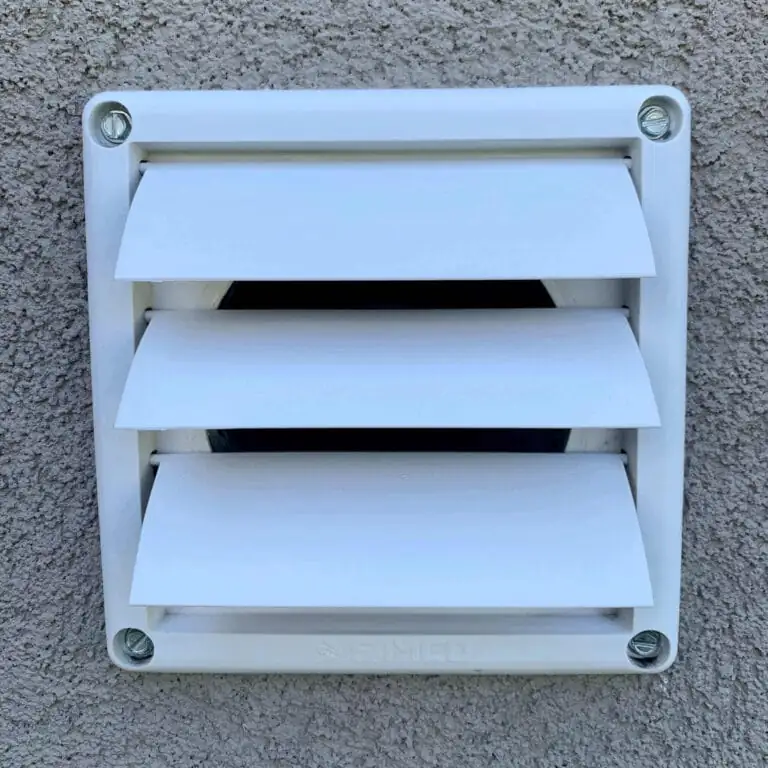
3. Louvered and Gable Vents
Louvered Vents: Installed in balcony walls or ceilings to allow free airflow, reducing moisture buildup.
Gable Vents: Positioned at the gable end of a building, these vents help hot air escape, keeping the balcony cooler.
Pro Tip: Combine these with cross-ventilation for an effective airflow system. Regularly check for and clean any debris or blockages.
Adding the Right Touch of Humidity
Maintaining optimal humidity is crucial, especially if your balcony houses plants or if the air feels too dry.
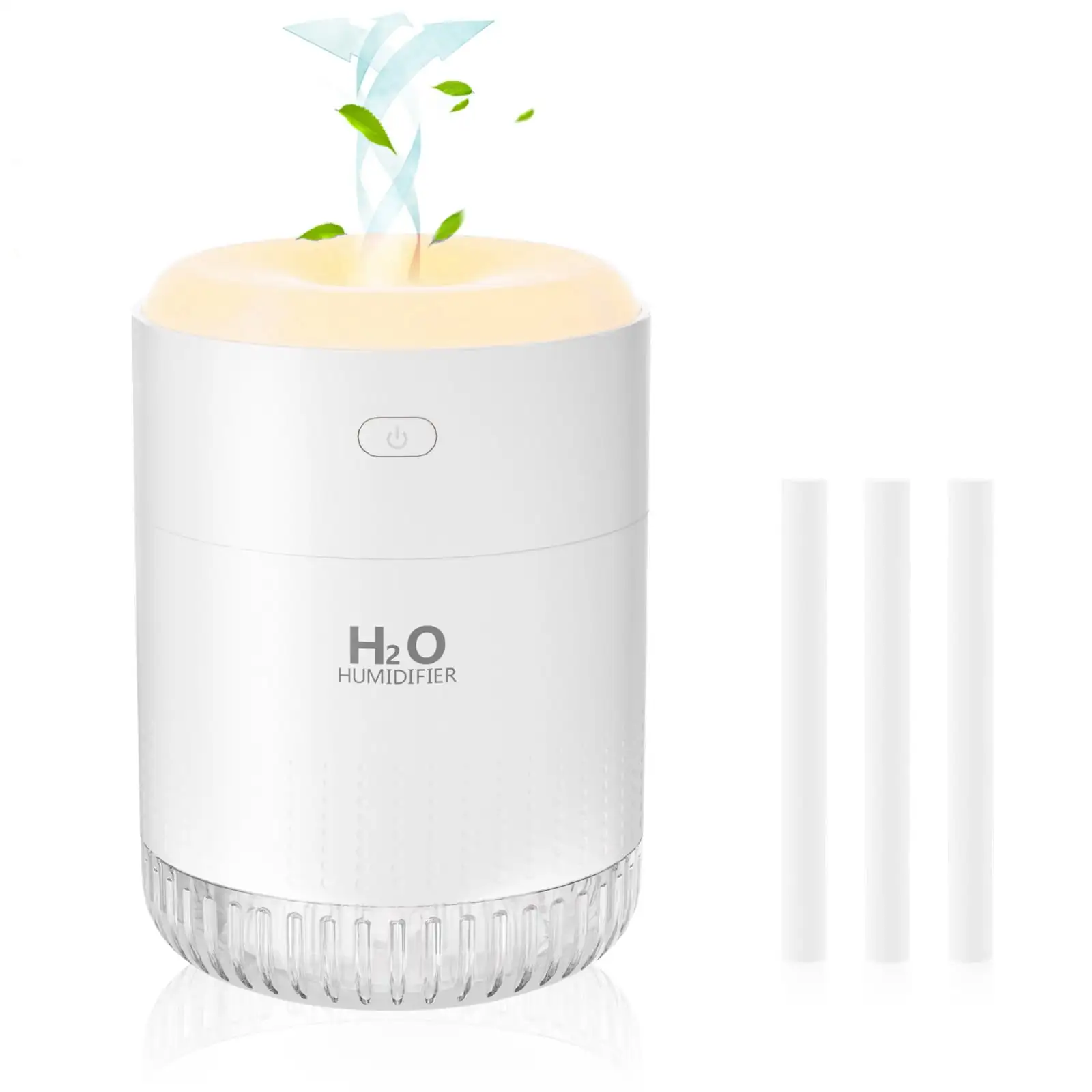
1. Humidifiers
Portable Humidifiers: These devices can be easily moved and are perfect for adding moisture to the air on dry days.
Usage Tip: Opt for a model with a humidity control feature to prevent excess moisture, which can lead to mold.
2. Plant-Based Humidification
Indoor Plants: Certain plants can naturally increase humidity levels. Consider adding peace lilies or ferns, which thrive in humid conditions.
Placement: Arrange them near windows or vents to maximize their natural humidifying effect.

Common Mistakes to Avoid
- Over-ventilation: Too many open spaces might lead to a drafty environment, which can be uncomfortable and increase energy costs for heating or cooling.
- Inadequate Maintenance: Regularly inspect and clean vents to ensure they are free from blockages.
- Ignoring Humidity Levels: Balance is key. Too much humidity can be just as problematic as too little, so use a hygrometer to monitor levels.
By following these tips, you can transform your enclosed balcony into a comfortable, airy, and enjoyable space. Remember, a well-ventilated and humidified balcony not only enhances your relaxation experience but also protects the structural integrity of your home. Enjoy your little slice of paradise year-round!


