

When it comes to creating the perfect indoor garden, many plant enthusiasts focus on lighting, watering, and soil. However, one crucial aspect often overlooked is ventilation. Whether your green friends are tucked away in a cozy corner or sprawling across a sunny windowsill, understanding the differences between enclosed and ventilated spaces can be the key to thriving indoor plants. Let’s dive into the world of airflow and discover how to keep your plants happy and healthy!
Why Ventilation Matters
Plants, much like humans, need fresh air to thrive. They absorb carbon dioxide from the air and release oxygen through a process called photosynthesis. Without proper air circulation, indoor plants can suffer from issues such as humidity buildup, pest infestations, and even heat stress. Let’s explore how ventilation impacts plant health and growth in both enclosed and ventilated environments.
Enclosed Spaces: Creating Balance
In enclosed spaces, like a closed-off room or a greenhouse, the absence of natural wind and air exchange can lead to stagnant air. This can cause an imbalance in temperature, humidity, and carbon dioxide levels, which are crucial for plant health.
- Temperature Control: Enclosed spaces, especially those with powerful grow lights, can become heat traps. This can stress your plants and lead to wilting. Using a fan or an air conditioning unit can help dissipate heat and keep temperatures stable.
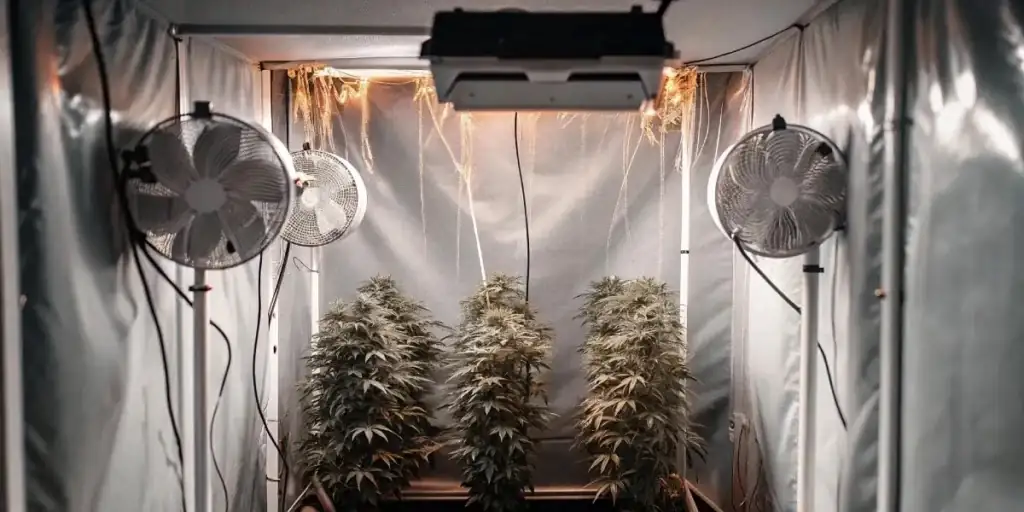
- Humidity Management: Plants release water vapor during transpiration, which can make enclosed spaces humid. High humidity can suffocate plants by tricking them into thinking they’re adequately watered. Use ventilation fans or dehumidifiers to maintain a balanced environment.
- Pest Prevention: Moist, stagnant air is a breeding ground for mold and pests like spider mites. Ensuring good air circulation reduces these risks and helps maintain healthy plants.
Ventilated Spaces: Encouraging Growth
Ventilated spaces, where fresh air circulates freely, mimic outdoor conditions more closely, providing natural temperature and humidity control.
- Air Circulation: Fans and open windows encourage air movement, preventing stratification where hot air sits up high and cooler air stays low. This uniform air distribution ensures every plant has access to fresh air.
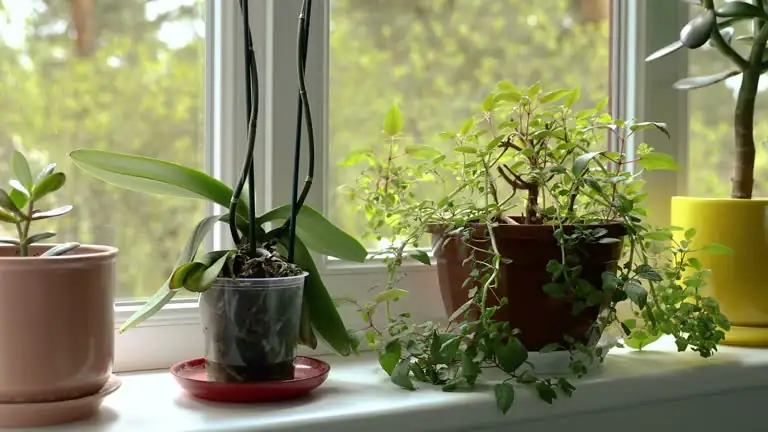
- Gas Exchange Optimization: Fresh air provides plants with the carbon dioxide needed for photosynthesis. Regularly opening windows or using exhaust fans can maintain optimal CO₂ levels for robust growth.
- Strengthening Stems: The gentle movement of air mimics natural breezes, encouraging plants to grow stronger stems and better structural integrity.
Practical Tips for Improving Ventilation
Regardless of whether your plants are nestled in an enclosed space or enjoying a more naturally ventilated area, here are some practical tips to optimize their environment:
- Fan Placement: Position fans to create a gentle breeze. In larger setups, consider using oscillating fans to evenly distribute air.
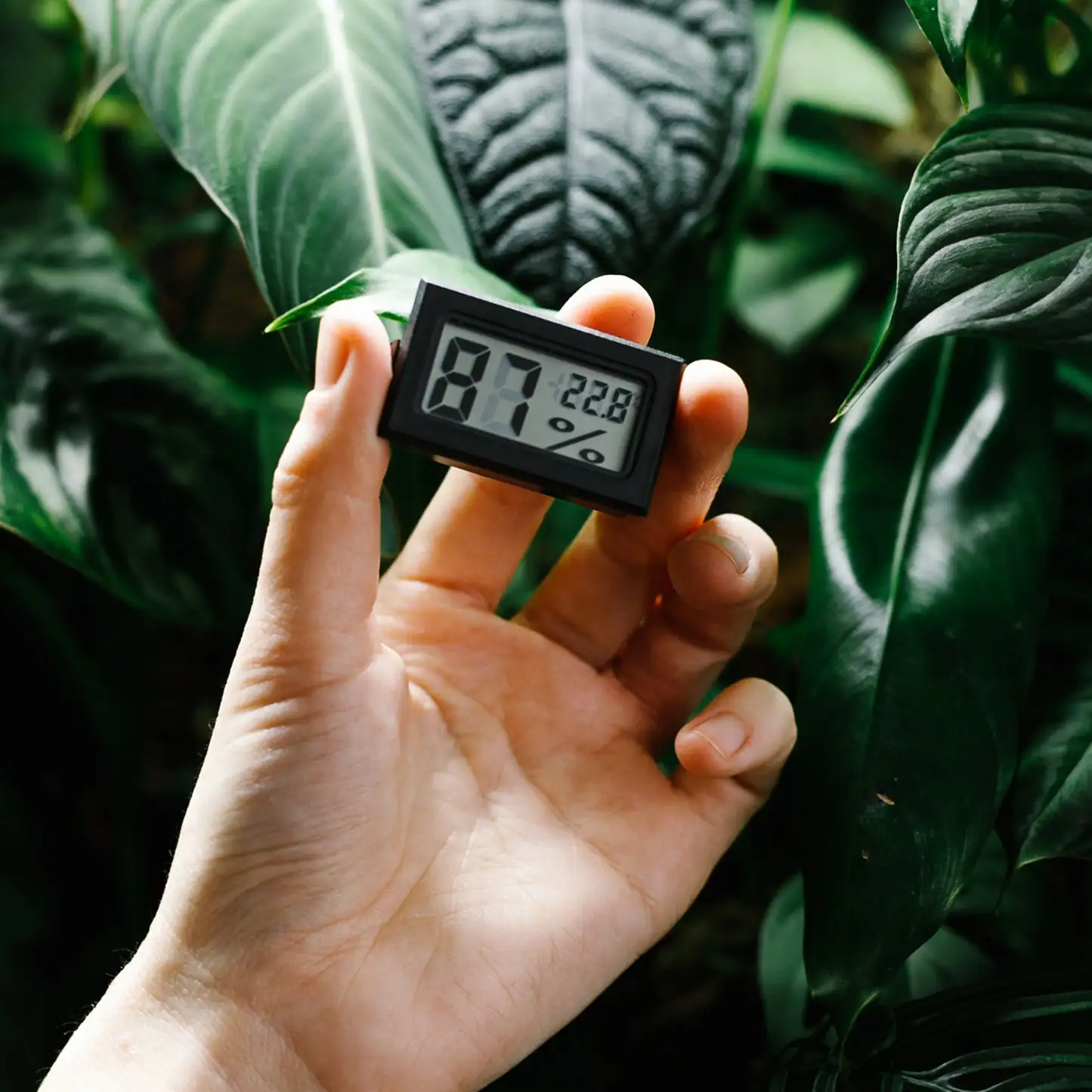
- Regular Monitoring: Keep an eye on temperature and humidity levels using a thermometer and hygrometer. Aim for a temperature range of 65-75°F and humidity levels between 40-60% for most indoor plants.
- Routine Air Exchange: If possible, open windows daily to refresh the air. In closed spaces, consider using an air purifier or exhaust system to facilitate air exchange.
- Pest Checks: Regularly inspect plants for signs of mold or pests, especially in humid conditions. Early detection can prevent infestations from spreading.
- Strategic Plant Arrangement: Space plants to ensure they’re not too crowded, allowing air to circulate freely around each one.
By understanding the nuances of plant care in both enclosed and ventilated spaces, you can create an indoor environment that not only looks beautiful but also supports healthy, thriving plants. So, let your indoor garden breathe easy, and watch as your plants flourish with just the right balance of light, water, and air!


