
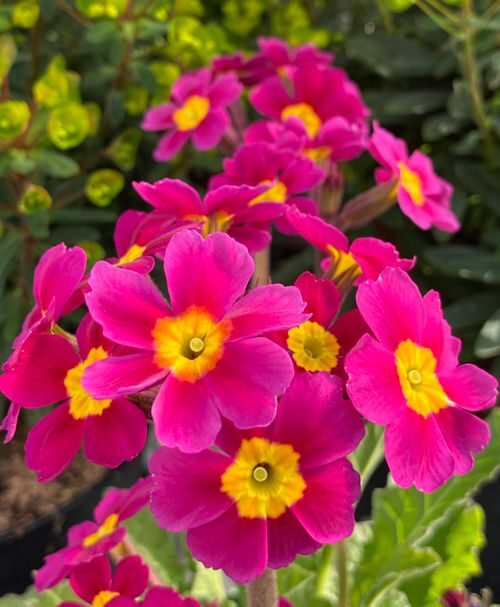
Primula × polyantha is the primrose that shows up when winter still nips at your ankles and then proceeds to throw a confetti party of color. Compact rosettes, generous clusters of blooms, and a zero-tolerance policy for heat—this cool-season charmer rewards bright light, steady moisture, and chill air with richer color and fuller flower trusses. Let’s dig into the fun bits: the mysterious “×” in its name, why primrose seed has a blink-and-you-miss-it shelf life, what’s really behind those washed-out petals in gloomy light, and how to keep this famously heat-sensitive plant happy.
Meet the polyanthus primrose
- Botanical name: Primula × polyantha (family Primulaceae)
- Also called: Polyanthus Primrose, English Primrose, Garden Primrose, Garden Polyanthus
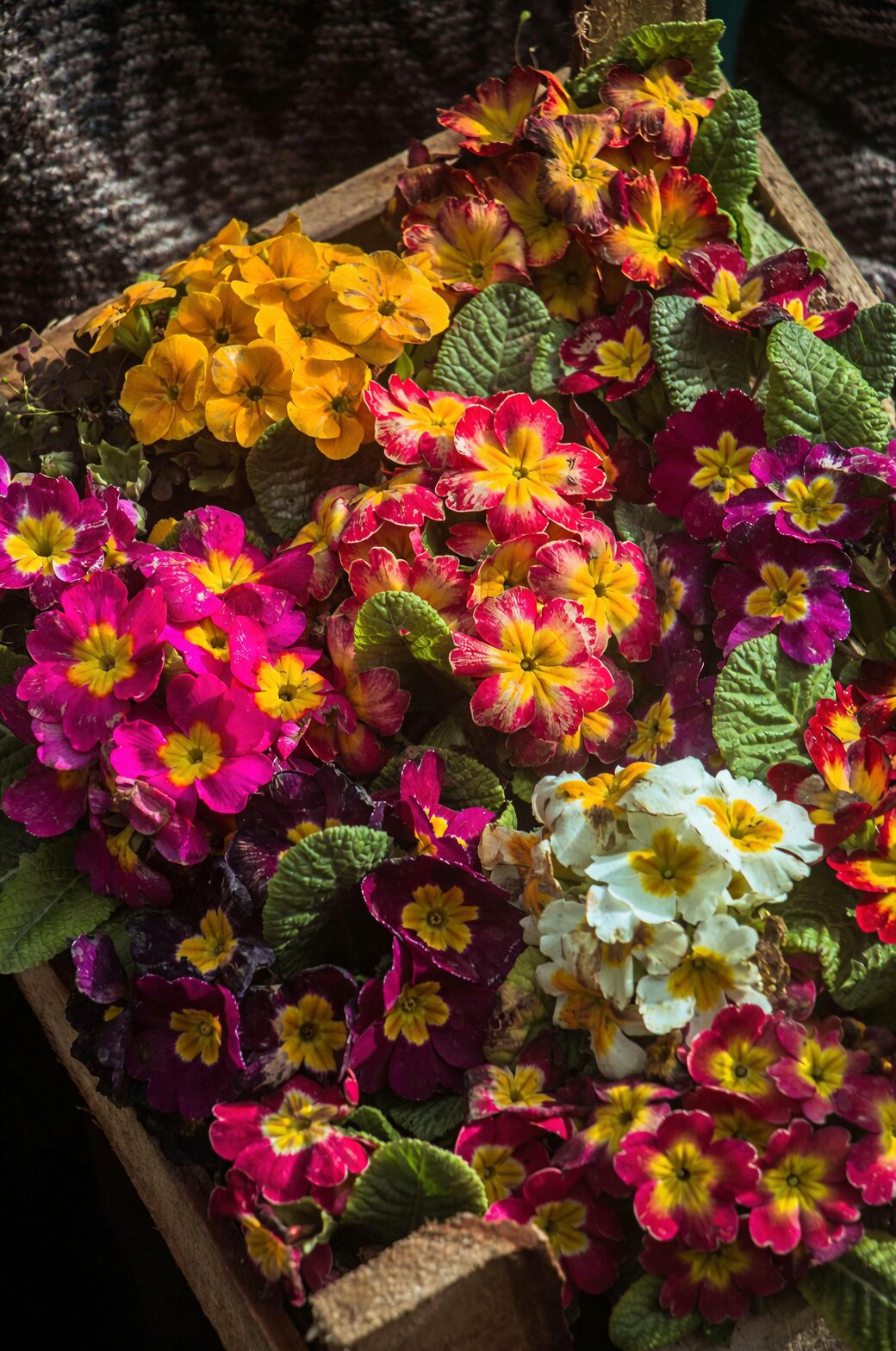
- Looks: A tidy basal rosette of deep green leaves with multiple stems carrying dense clusters of rounded flowers in solids and eye-catching bicolors
- Size: About 15–30 cm tall in bloom, 15–25 cm across
- Season: Late winter into spring, often peaking indoors mid-winter
- Best use: Cool-season windowsill color, sheltered balconies and patios
Give it bright light with gentle sun, cool air, and evenly moist (never soggy) soil—then watch it perform.
The tiny “×” with the big story
That unassuming × in Primula × polyantha is a botanical wink that says “hybrid.” This is a horticultural, garden-origin primrose created from cool-climate Primula species (think upland, mountain-adapted parents). Over generations, breeders selected for:
- Many-flowered trusses (“polyanthus” literally means many-flowered)
- A parade of colors, from clear jewel tones to bold bicolors
- Compact, clump-forming plants that thrive in cool seasons
Result: the quintessential winter-to-spring “bouquet-on-a-stem” primrose for pots and displays.
Light makes the lipstick: why color fades in low light
Notice your flowers looking washed out and stems stretching like they’re reaching for the sun? Low light is the usual culprit.
- What’s happening: In dim conditions, the plant elongates (longer flower stems, looser growth) and produces fewer intense pigments, so petal color looks paler.
- The fix: Move it to stronger light—bright indirect with gentle morning sun (east-facing is ideal, bright south works if cool). As temperatures rise, avoid harsh midday rays.

Pro tip: Color saturation isn’t just genetic; it’s “powered” by light. Give the plant ample brightness while keeping it cool to preserve those rich hues.
Quick light-and-heat checklist
- Bright, cool windowsill: east or a bright south window with noonside protection
- Keep location stable while flowering to prevent broken stems and dropped blooms
- If colors fade or stems elongate: increase brightness first—don’t crank up warmth
Fresh seed or bust: the primrose seed quirk
Polyanthus primrose seed has a famously short attention span—it loses vigor quickly. Freshness is everything.
- Why it matters: Tiny seeds with modest reserves and delicate chemistry deteriorate fast; germination drops sharply with age.
- When to sow: Around May indoors works well for many growers.
- How to sow:
- Use a sterilized, peat-based mix with perlite for aeration
- Surface-sow (do not cover)
- Germinate at about 15–18°C (59–64°F)
- Expect seedlings in roughly 1–2 weeks
- Handling seedlings: Prick out at 2–3 leaves, and again at around 4 true leaves. Always keep the crown at soil level—never bury it.
Seed-start in five tidy steps
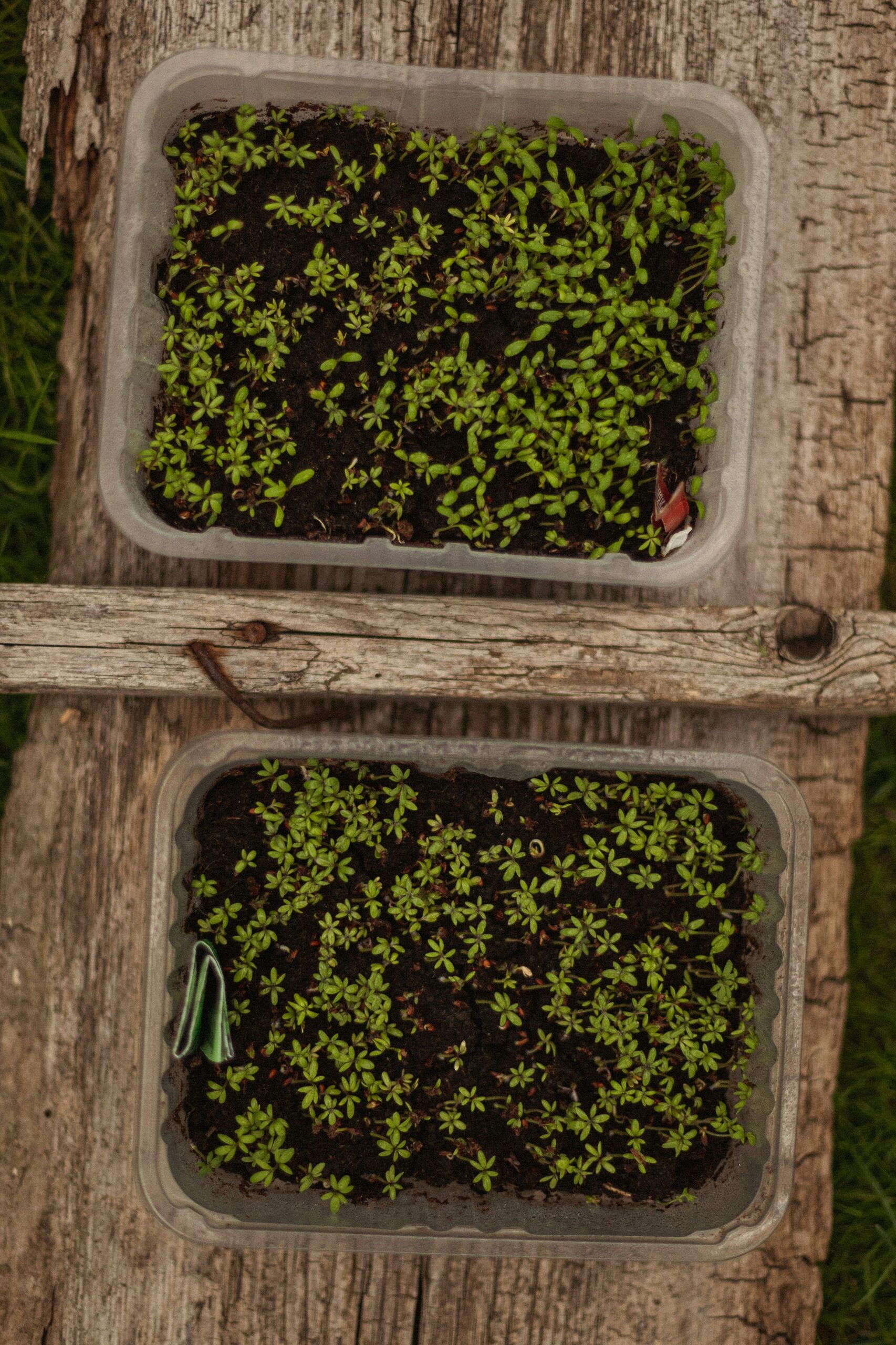
- Fill clean trays with a light, sterile peat/perlite mix.
- Press fresh seed onto the surface; don’t cover.
- Keep evenly moist and airy at 15–18°C.
- Prick out twice as they grow, maintaining the crown at the surface.
- Grow on cool and bright; avoid hot, stuffy rooms.
Cool customer, hot temper: managing heat sensitivity
This plant loves chill air and sulks in warmth. For best performance:
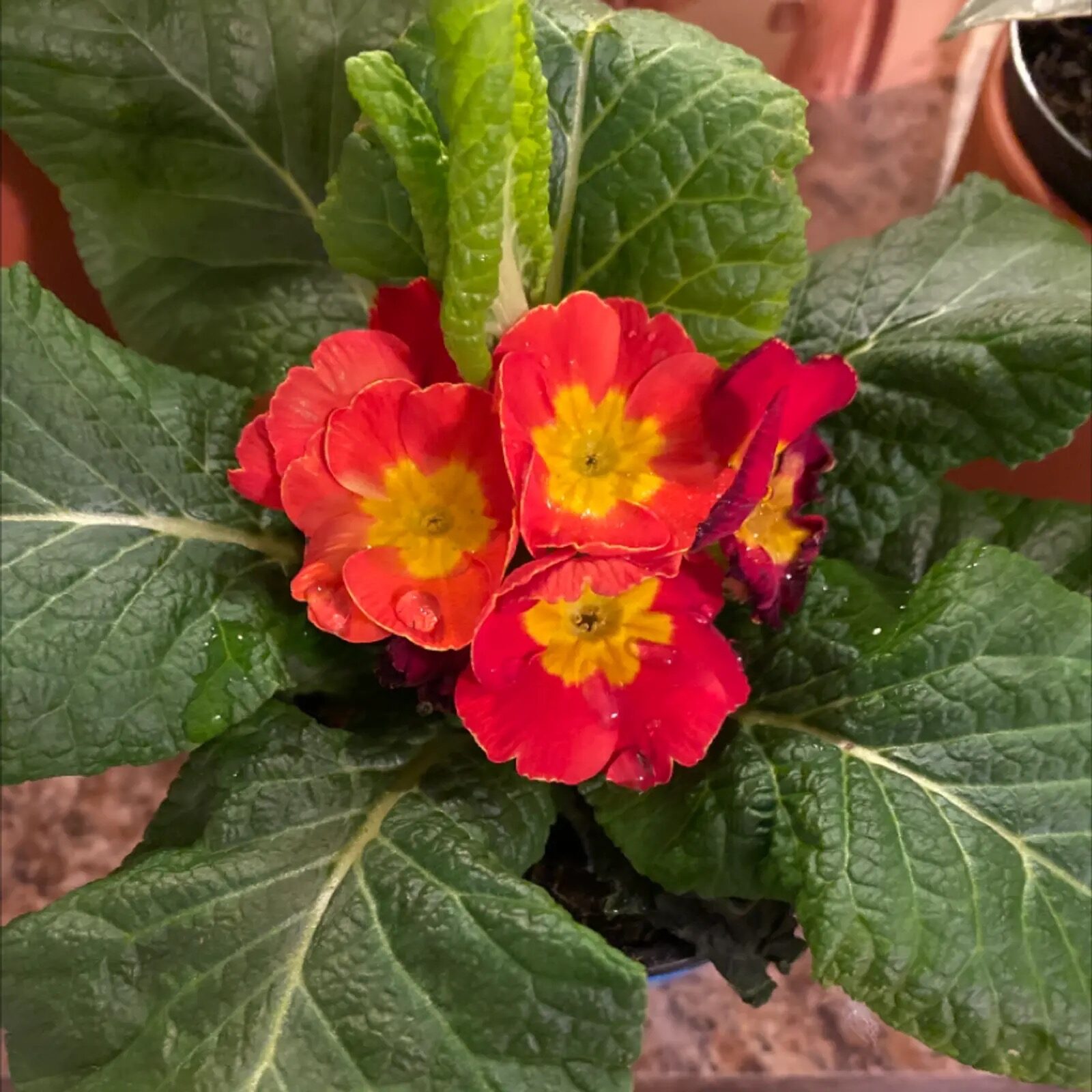
- Ideal temperatures: 13–18°C (55–64°F)
- For reliable winter bloom: keep above ~12°C (54°F)
- Avoid cold injury: protect below ~5°C (41°F)
- Heat hazard: Warm rooms, stuffy corners, and nearby heaters can trigger rapid decline. In hot spells, plants are more vulnerable to rot and gray mold if kept wet and stagnant.
Summer strategy:
- Move to a cooler, airy, lightly shaded spot
- Reduce watering relative to peak bloom; never let it stagnate
- Increase local humidity around, not on, the plant (mist the air nearby; keep the crown dry)
- Prioritize root-zone coolness and sharp drainage over constant wetness
Everyday care that keeps blooms coming
- Light: Bright light with gentle sun; avoid harsh midday rays in warm conditions
- Water: Even moisture is the mantra—never bone-dry, never soggy. As a guide:
- Winter bloom: often 2–3 times per week indoors, depending on conditions
- Spring growth: often 3–4 times per week
- Autumn: 2–3 times per week as stalks initiate
- Summer: reduce; focus on cool, airy placement and avoid waterlogging
- Feeding: During active growth, feed every 10 days or so with a balanced soluble fertilizer. Once buds form, continue regular feeding and add 1–2 bloom-boost applications early in flowering. Keep fertilizer off foliage.
- Grooming: Deadhead whole spent stalks; remove yellowing leaves promptly to keep the crown clean and discourage disease.
- Repot/divide:
- Repot annually in autumn; keep the crown at or slightly above soil level
- Divide offsets in autumn; pot divisions into 12–15 cm containers and grow on in bright shade
- Soil: Rich yet free-draining mix (peat/leaf mold with sand or perlite). Even moisture plus excellent drainage is the key.
- Placement: Bright, cool sill or sheltered balcony; keep away from heaters and hot drafts; minimize moving during bloom.
Troubleshooting bites and blights
- Leaf spot, gray mold (Botrytis), anthracnose: Most common when foliage stays wet in stagnant air
- Prevention: Ventilate, avoid overhead watering, deadhead and remove affected leaves promptly
- Treatment: Use appropriate fungicides only if necessary and labeled for your area
- Aphids, spider mites: Rinse gently, improve humidity/airflow balance; use insecticidal soap or horticultural oil (targeted miticides only if truly needed)
- Safety note: Generally not highly poisonous, but some primroses can cause skin irritation or allergic contact dermatitis. If you’re sensitive, wear gloves and keep pets/children from nibbling.
Flower language and a dash of history
- Symbolism: Youth and renewal. It’s one of the year’s earliest heralds—so cultures linked it with fresh starts and hopeful beginnings. In modern gifting, polyanthus primroses say “happy new season” better than a calendar ever could.
- Backstory: A cultivated hybrid lineage refined by breeders from cool-loving Primula species, expanding flower size, color range, and the signature “many-bloomed” truss beloved in winter-to-spring displays.
Quick picks at the store
- Choose: A compact, sturdy clump with a firm, intact crown; deep green leaves; and plump buds just opening. Petals should be whole, vivid, and clean.
- Place: Bright, cool light (east/south exposure with gentle sun), away from heaters and hot drafts. Keep it steady—less shuffling means fewer snapped stems.
In-ground or in pots?
- Containers: Treat as not frost-hardy; protect from freezing and anything below about 5°C (41°F).
- In the ground: Hardiness varies by cultivar and parentage. Many garden polyanthus types can be grown in mild-to-cool temperate regions when kept evenly moist and cool.
FAQ lightning round
- My flower stems are getting long and colors are fading—why?
- Low light. Move to a brighter spot with strong indirect light or gentle sun; keep cool to preserve color.
- Why is it hard to keep long-term indoors?
- It’s bred from cool-climate primroses and dislikes warm, dry interiors—especially once heating or summer arrives. Many people enjoy it as a seasonal pot plant, then nurse it through summer in a cool, airy spot.
- How do I pick a good plant and where should it go?
- Look for a compact rosette, firm crown, deep green leaves, and plump, just-opening buds. Place in bright, cool light and keep away from heaters. Minimize moving while in bloom.
Fun facts to take home:
- The “×” flags its hybrid status—and a long horticultural story.
- “Polyanthus” = many flowers: think mini bouquets on each stem.
- Fresh seed germinates far better than old—one reason home sowings can be hit-or-miss.
- Heat is its nemesis; cool rooms and steady moisture make it sing.