

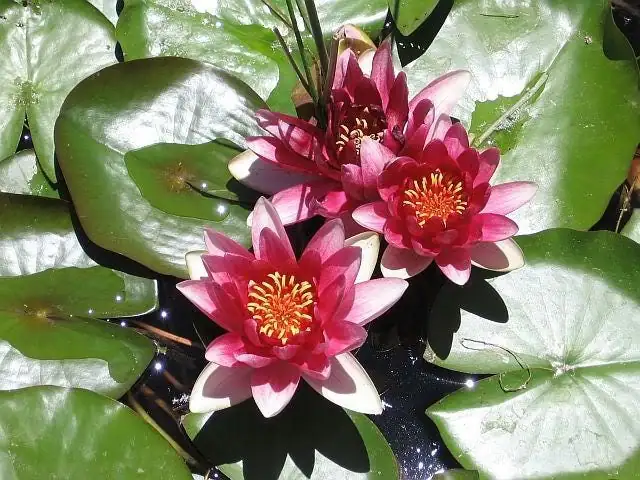
Imagine your pond as a stage and the flowers as your prima ballerinas. Some water lilies float in a serene, horizontal pirouette; others lift their blooms like spotlight-seeking stars. If you’re choosing cultivars for maximum drama, start with the two big camps—hardy vs. tropical—then dial in bloom stance, fragrance, and planting depth. Here’s your fast, confident chooser’s guide.
Nymphaea, at a glance
- What you’ll see: Round, floating leaves with a signature notch and glossy tops; showy flowers that open for several days, often by day and close at night.
- Color range: White, yellow, orange, red, pink, purple; true blues are the realm of tropical types.
- Blooming window: Late spring to early autumn, often May–October with good sun and warmth.
- Growth: From chunky rhizomes (hardy) or tubers (many tropicals); leaves and flowers rise on long stalks, pads float.
The quick-compare cheat sheet: Hardy vs. Tropical
Hardy water lilies (Nymphaea, hardy selections)
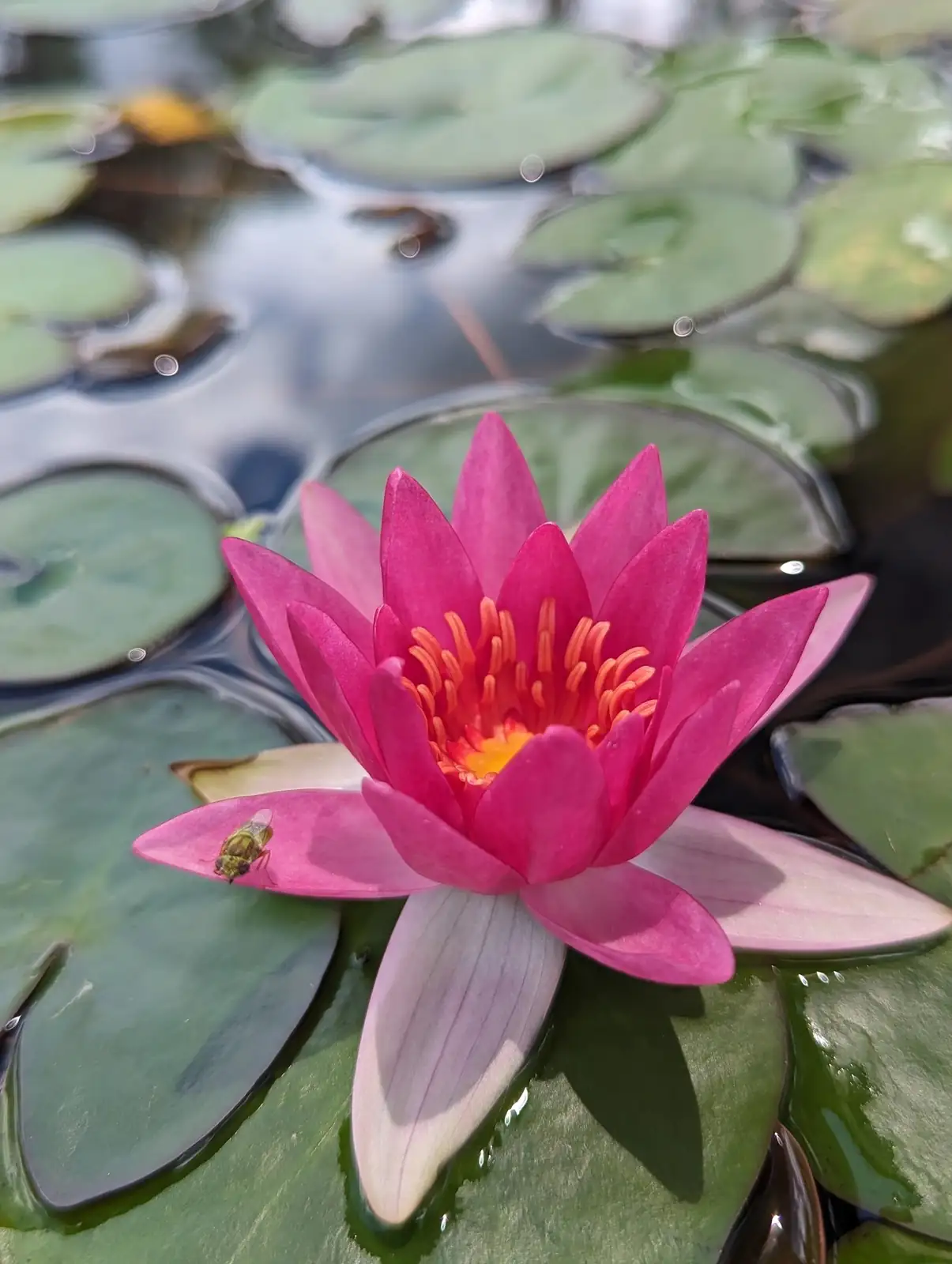
- Best for: Reliable performance in cool to temperate climates.
- USDA zones: Generally 4–10 (varies by cultivar and whether crowns stay below the ice line).
- Temperature tolerance: Grow and flower in cooler water than tropicals.
- Bloom stance: Commonly float or sit right on the surface; a calm, classic look.
- Flower colors: White, yellow, pink, red, orange.
- Leaves: Often smoother margins; many are solid green, some mottled.
- Fragrance: Varies by cultivar—often light to pleasant.
- Overwintering: Can stay outdoors if crowns are below the ice line; go dormant and return.
- Care level: Forgiving once established—great for beginners.
Tropical water lilies (Nymphaea, tropical selections)
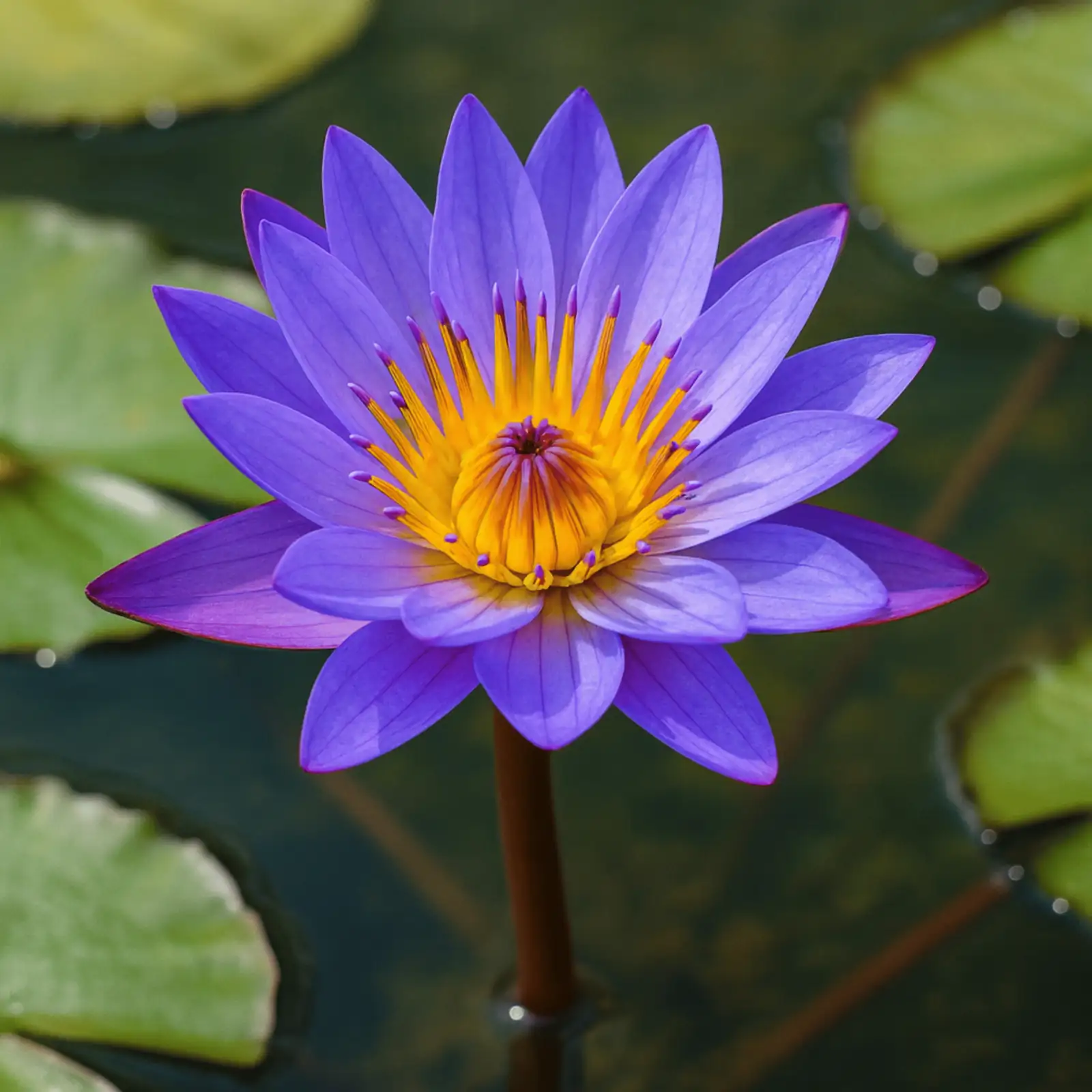
- Best for: Warmth lovers, color collectors (including blues), and “look-at-me” vertical shows.
- USDA zones: Typically 9–11; frost-tender elsewhere.
- Temperature preference: Thrive with warm water, ideally around 25°C+ (77°F+); growth slows sharply below ~15°C (59°F).
- Bloom stance: Frequently hold flowers above the water on stout stalks—bold, upright presence.
- Flower colors: All hardy shades plus blues and purples.
- Leaves: Often more noticeably toothed edges; commonly mottled, with flashy patterns.
- Fragrance: Many are notably fragrant (varies by cultivar).
- Bonus trait: Some cultivars are night-blooming—perfect for evening gardens.
- Overwintering: Must be protected from frost—store tubers/warm indoors or grow as annuals.
Floating vs. upright blooms: choose your “stage presence”
- Floating (classic, serene): Blooms sit on or kiss the surface. Suits formal mirrors of water, intimate containers, and low-splash fountains. Often hardy cultivars excel here.
- Upright (dramatic, sculptural): Blooms rise above the water, visibly “reading” from across a patio. Tropical types often deliver this look, especially in warm, sunny sites.
Tip: If your viewing angle is from a distance (terrace, picture window), upright tropicals are easier to see over pads. For close-up enjoyment around seating, floating flowers feel luxurious and tranquil.
Fragrance finder: how scented do you want your pond?
- Mild and sweet: Common among many hardy selections—lovely up close at the water’s edge.
- Moderate to strong: Frequently met in tropicals, with perfumed, sometimes spicy-sweet notes.
- What really matters: Scent strength is cultivar-specific. If fragrance is a priority, shop when plants are in bloom or ask sellers to rate scent for the exact variety you want.
The perfect-depth planner for show-stopping displays
Planting depth is measured as water above the soil surface/crown (not total pond depth). Most cultivars thrive with:
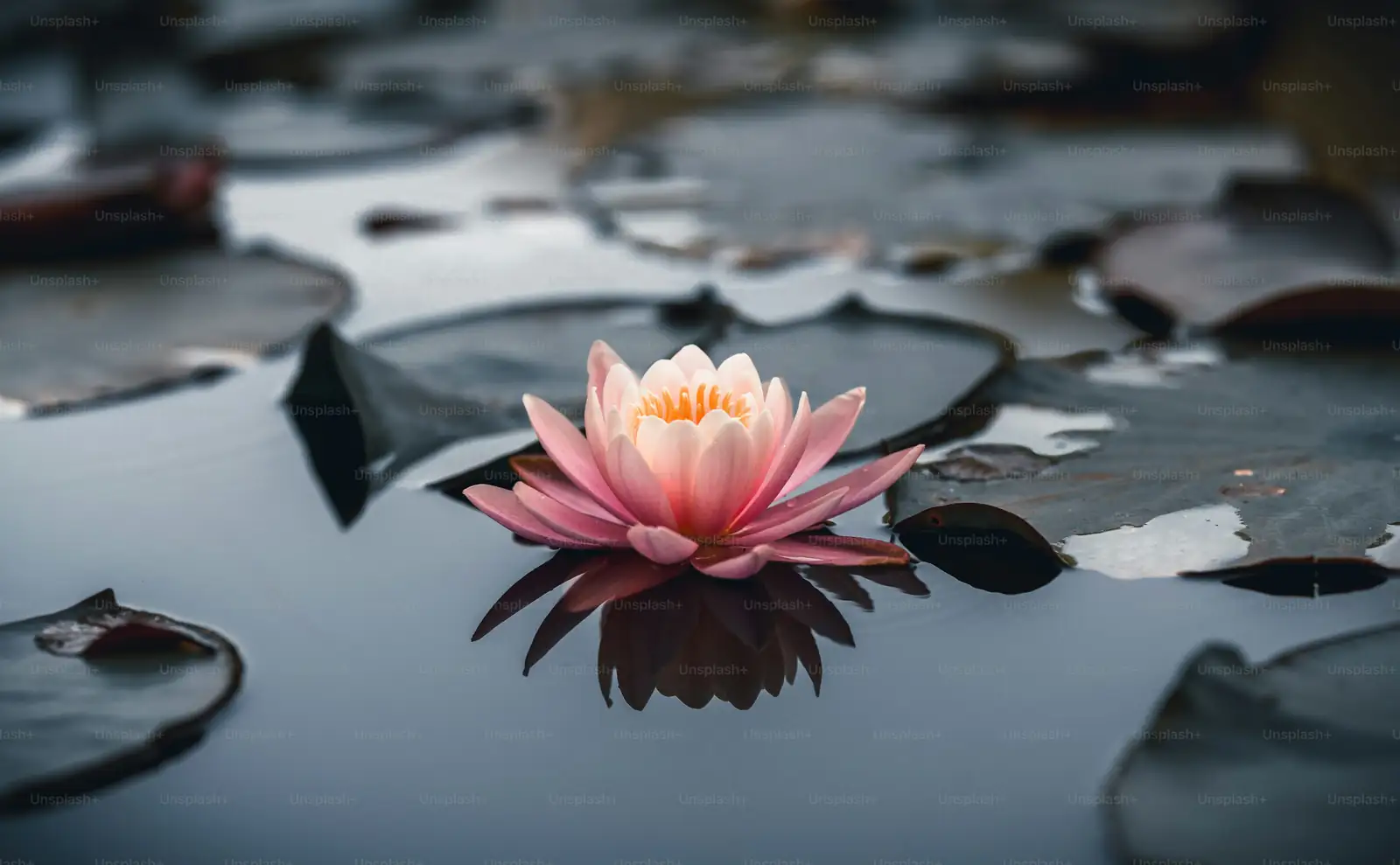
- Typical range: 5–30 cm (2–12 in) of water above the crown.
- Maximum (vigorous types in large ponds): Up to about 80 cm (31 in).
Depth-by-situation:
- Small tubs/containers and dwarf cultivars: 5–15 cm (2–6 in). Warms fast, encourages quick flowering.
- Standard hardy or tropical in patio ponds: 15–25 cm (6–10 in). A sweet spot for most varieties.
- Vigorous pond workhorses (roomy ponds): 25–30 cm (10–12 in) to start; can be lowered deeper once growth is strong, staying within the approximate 80 cm maximum for the most robust cultivars.
- Early-season tropicals in cool-spring climates: Begin shallower (10–20 cm / 4–8 in) for warmer water, then lower slightly as summer heat arrives.
Depth tips:
- Too deep, too soon = slow starts and fewer flowers, especially for tropicals.
- Pads should reach the surface promptly after planting—adjust depth until they do.
Sun, warmth, and placement—your performance essentials
- Sunlight: Aim for 6–8 hours of direct sun. Less light = fewer flowers.
- Water: Still or gently moving water only; constant splash and turbulence damage pads and dampen bloom power.
- Soil: Heavy, loam/clay-based aquatic mix; avoid floaty potting blends that cloud water.
- Water temperature: Tropical types want it warm (25°C+ / 77°F+). Hardy types are more accommodating.
Fast matches: pick by pond and vibe
- Cool-climate, low-maintenance mirror pool: Hardy cultivars with floating blooms at 15–25 cm depth for a calm, classic effect.
- Evening entertainers: Night-blooming tropical selections (where winters are frost-free or with indoor overwintering) for perfume and after-dark drama.
- Color seeker’s dream (including blues): Tropical day-bloomers in a warm, sunny pond; set flowers slightly above the surface for stand-out visibility.
- Balcony bowl or patio tub: Compact hardy or small tropical varieties at 5–15 cm depth; a single crown can carry the whole scene.
- Big pond, fish and wildlife: Vigorous hardy cultivars for broad leaf shade; start at ~25 cm and lower deeper as plants establish (not beyond ~80 cm for the biggest doers).
Care rhythm that maximizes bloom
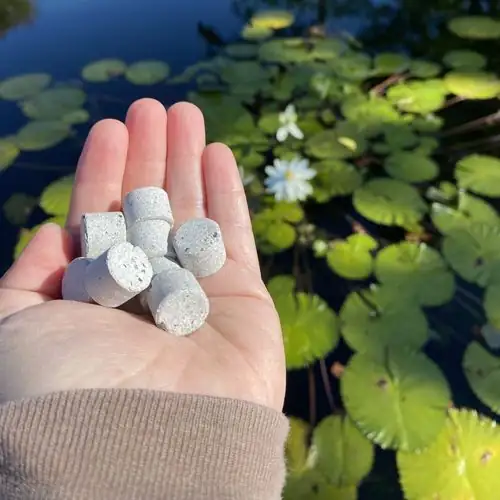
- Feeding:
- Hardy: About once monthly in active growth (roughly May–September).
- Tropical: About every 2 weeks in warm, peak season.
- How: Push slow‑release aquatic fertilizer tablets into the soil near the roots—never broadcast into water.
- Grooming: Snip yellowing pads and spent blooms at the base to keep energy flowing to new flowers and maintain clear water.
- Repotting and division: Every 2–3 years in spring; replant the most vigorous rhizome sections with 2–3 growing points.
- Water level: Keep steady; in containers, maintain at least 5–10 cm (2–4 in) of water above the soil.
- Winter:
- Hardy: Overwinter outdoors if crowns stay below the ice line (move containers deeper if needed).
- Tropical: Bring in before frost; overwinter tubers/rhizomes warm in damp sand or treat as annuals.
Troubleshooting bloom blues
- Lots of leaves, few flowers?
- Not enough sun (target 6–8 hours)
- Planted too deep (raise plants within the 5–30 cm typical range)
- Water too cool (especially for tropicals)
- Underfed (increase tablet frequency as above)
- Overcrowded rhizomes (divide in spring)
- Pads chewed or pitted?
- Check for aphids, beetles, caterpillars—rinse or hand-pick; remove damaged leaves. Keep water clean and sun abundant to deter disease.
A note on meaning and mood
Across cultures, water lilies symbolize purity, serenity, and renewal—the flower rising fresh each day from murky water. In ancient Egypt they were linked to the sun’s cycle of rebirth, a theme echoed in the daily opening and closing of many blooms. It’s more than floral “language”—it’s a rhythm you can watch, and feel, from your own pond.
—
Bottom line:
- Choose hardy cultivars if you want easy, reliable, surface-level elegance in cooler zones.
- Choose tropicals for warm water, upright blooms, richer fragrance, and the chance at blues.
- Then set the depth right (typically 5–30 cm over the crown), give full sun, and feed on schedule. Your pond will do the rest—quiet water, showy stars, standing ovations all summer.


