

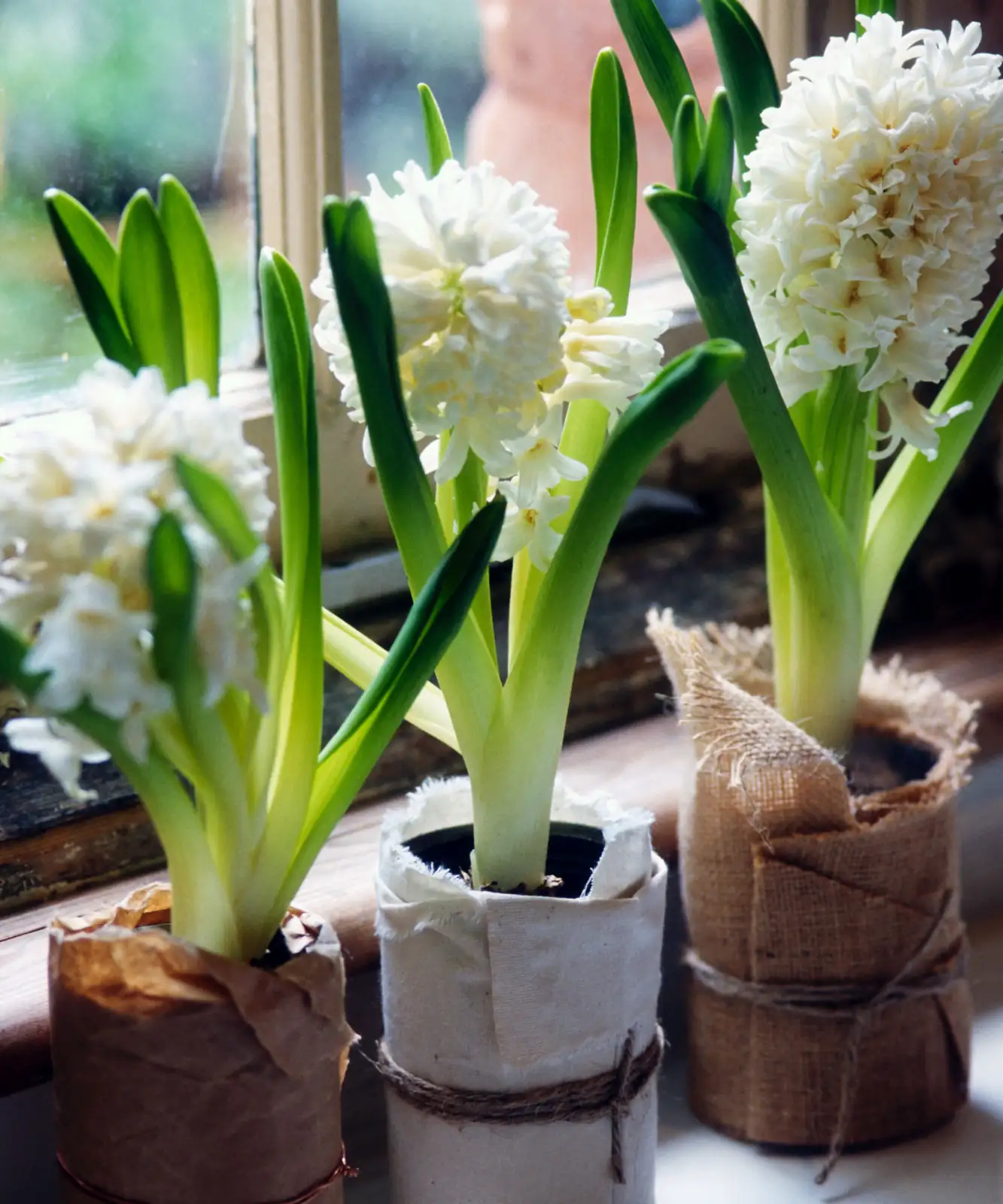
A fragrant bloom with a secret vocabulary
Crack open a window on a cool March morning and the perfume of hyacinth can feel like a love letter from spring—sweet, heady, impossible to ignore. But this flower doesn’t just smell like a story; it tells one. The “flower language” of Hyacinthus orientalis—known simply as hyacinth—blooms from two rich sources: an ancient Greek myth of love and loss, and the Victorian passion for coded bouquets. Together they’ve shaped how we read hyacinth colors today, and why this bulb still carries weight in modern gifting.
The myth that seeded a meaning
In Greek legend, Hyacinthus was a radiant Spartan youth beloved by Apollo. During a discus game, a fatal blow ended Hyacinthus’s life—some tellings blame a jealous west wind, Zephyrus, for twisting the discus’s path. From the youth’s blood, a flower arose as a memorial.
- What the myth gave the flower:
- Love and devotion (Apollo’s grief and remembrance)
- Sorrow and the fragility of life (a beauty cut short)
- Renewal (a new bloom born from loss, returning each spring)
Each spring spike is, in a sense, a retelling: beauty, grief, and rebirth unfolding all at once.
From legend to letters: the Victorians’ floriography
Fast-forward to the 19th century, when strict etiquette met creative expression. Victorians built an elaborate “language of flowers,” sending silent messages with bouquets. Hyacinths featured prominently—especially because of their strong perfume and kaleidoscope of hues.
- Why hyacinth fit the code so well:
- It offered emotional range (from playful romance to solemn sorrow)
- Color variations let senders fine‑tune intent
- It was already steeped in myth, giving it gravitas
Fun side note from the same era: forcing hyacinths to bloom indoors—often in elegant hourglass-shaped “hyacinth glasses”—became a craze. Dutch breeders had already multiplied varieties by the thousand, and Victorian parlors put those scented spikes to work as both décor and dialogue.
What each color says today
Flower meanings always drift a little across time and culture, but a widely shared “hyacinth lexicon” looks like this:
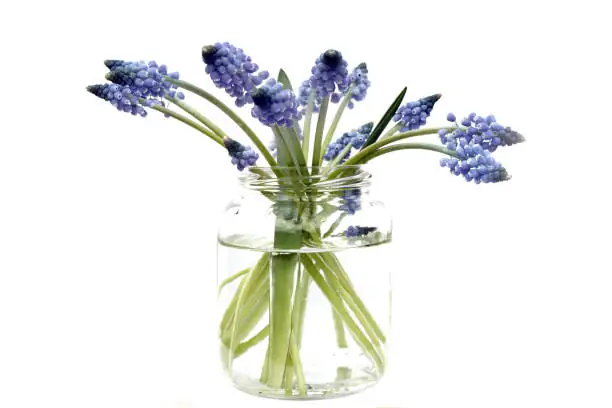
- Blue: constancy and sincerity
- White: purity or silent love
- Pink: playfulness and romance
- Red: passionate love
- Yellow: joy
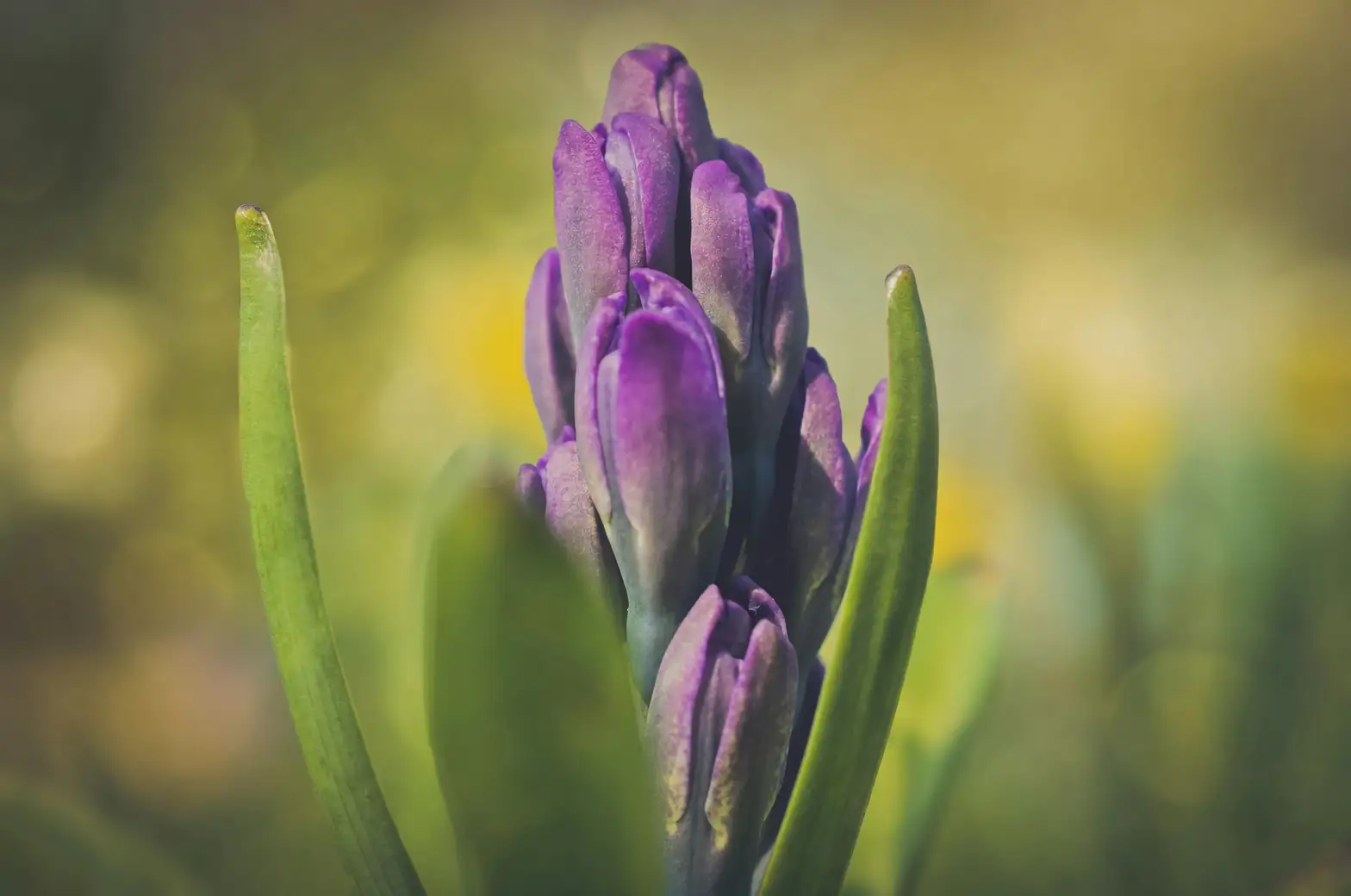
- Purple: sorrow or jealousy
Notes on nuance:
- The myth’s jealousy thread (Zephyrus) echoes in some traditions that lean into purple’s “jealousy” or remorseful tone.
- Regional guides and period handbooks don’t always agree. If the stakes are high, include a short note with your bouquet to lock in your intended meaning.
How to gift hyacinths now (and make your message land)
Hyacinth is the rare gift that charms both the heart and the senses. Here’s how to match the moment to the message.
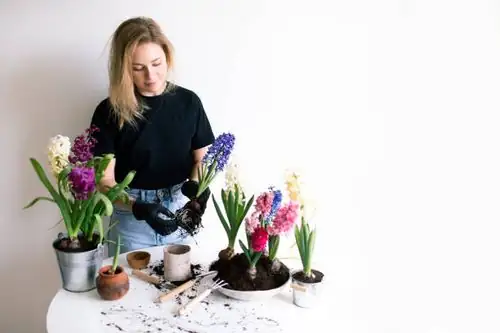
- New beginnings and spring holidays:
- Blue or white for sincerity and fresh starts
- Potted bulbs for a weeks‑long “unfurling” experience
- Romance:
- Pink for playful affection
- Red for passion (a striking companion to red tulips or roses)
- Gratitude and everyday kindness:
- Blue for heartfelt thanks
- White for quiet appreciation
- Comfort, remembrance, or apology:
- Purple to acknowledge sorrow or complex emotions
- White to offer gentle, respectful support
- Cheer and celebration:
- Yellow for unfiltered joy—birthday breakfasts, new jobs, sunny windowsills
Gifting formats:
- Cut stems: impactful scent, instant color. Ask your florist to keep water off the blooms to prevent spotting.
- Potted bulbs: the slow reveal—perfect for desks and windowsills.
- Water-forced in glass: an educational, sculptural gift. Keep water about 1–2 cm below the bulb so only roots drink.
Care card to tuck in:
- Keep cool and bright; cool rooms make flowers last longer.
- Water soil, not the flowers; never let the pot sit soggy.
- For water culture, refresh water regularly and keep it just below the bulb.
Etiquette and safety:
- The fragrance is strong—best for ventilated rooms.
- Bulbs are toxic if eaten and can irritate skin; keep away from pets and curious kids, and handle bulbs with care.
Cultural footprints you’ll still see
- Spring renewal, everywhere: Hyacinths are shorthand for “spring is here,” in gardens, markets, and door‑step bouquets.
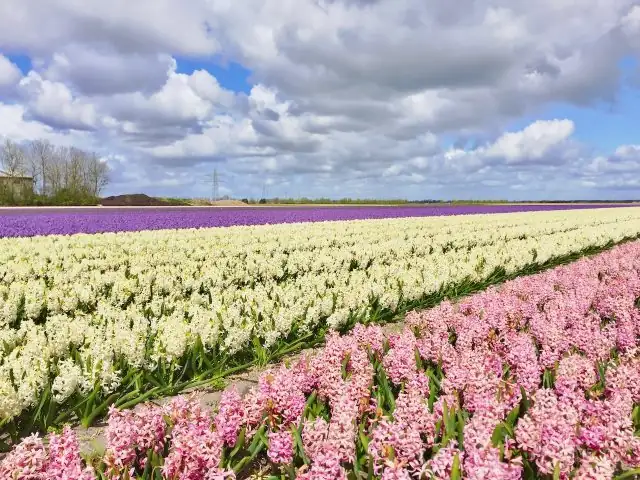
- Dutch mastery: While native to the Eastern Mediterranean–Western Asia region (including modern Turkey, Syria, Lebanon, Israel, and Palestine), hyacinths found their commercial heartland in the Netherlands, where breeders shaped the dense, candy‑colored spikes we adore today.
- Collectible craft: Antique hyacinth glasses—those elegant forcing vases—are still sought after, and the tradition is enjoying a quiet comeback among design lovers and plant enthusiasts.
A quick botanical aside (for the curious gifter)
- Scientific name: Hyacinthus orientalis (family Asparagaceae)
- Form: a compact spring‑flowering bulb with glossy strap‑like leaves and one sturdy, flower-packed spike
- Colors: blue, purple, pink, white, red, plus creams/yellows, apricot, and even double forms
- Season: late winter to spring (often February–April)
- Indoors or out: splendid in borders, patio pots, or bright windowsills; among the easiest bulbs to “force” for early bloom
Writing your own message with hyacinths
The hyacinth’s language is layered: myth lends it soul, the Victorians gave it syntax, and color lets you choose the tone. Whether you’re sending blue for truth, pink for a wink of romance, white for quiet care, yellow for pure cheer, red for heat, or purple for heartfelt regret, you’re not just giving a flower—you’re sending a story.
Choose your shade, add your note, and let the bloom do the talking. Spring—and your message—will be unmistakable.


