

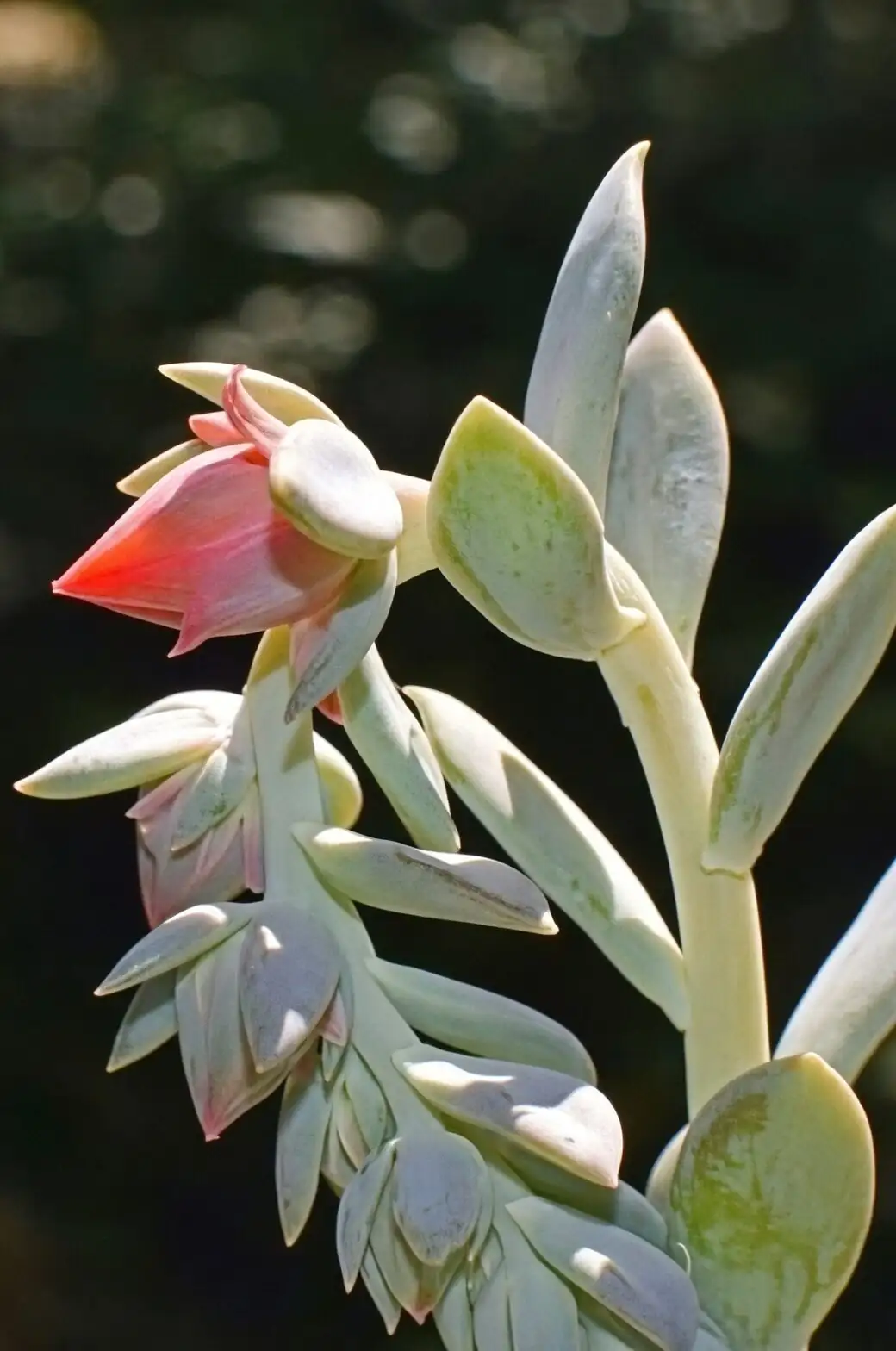
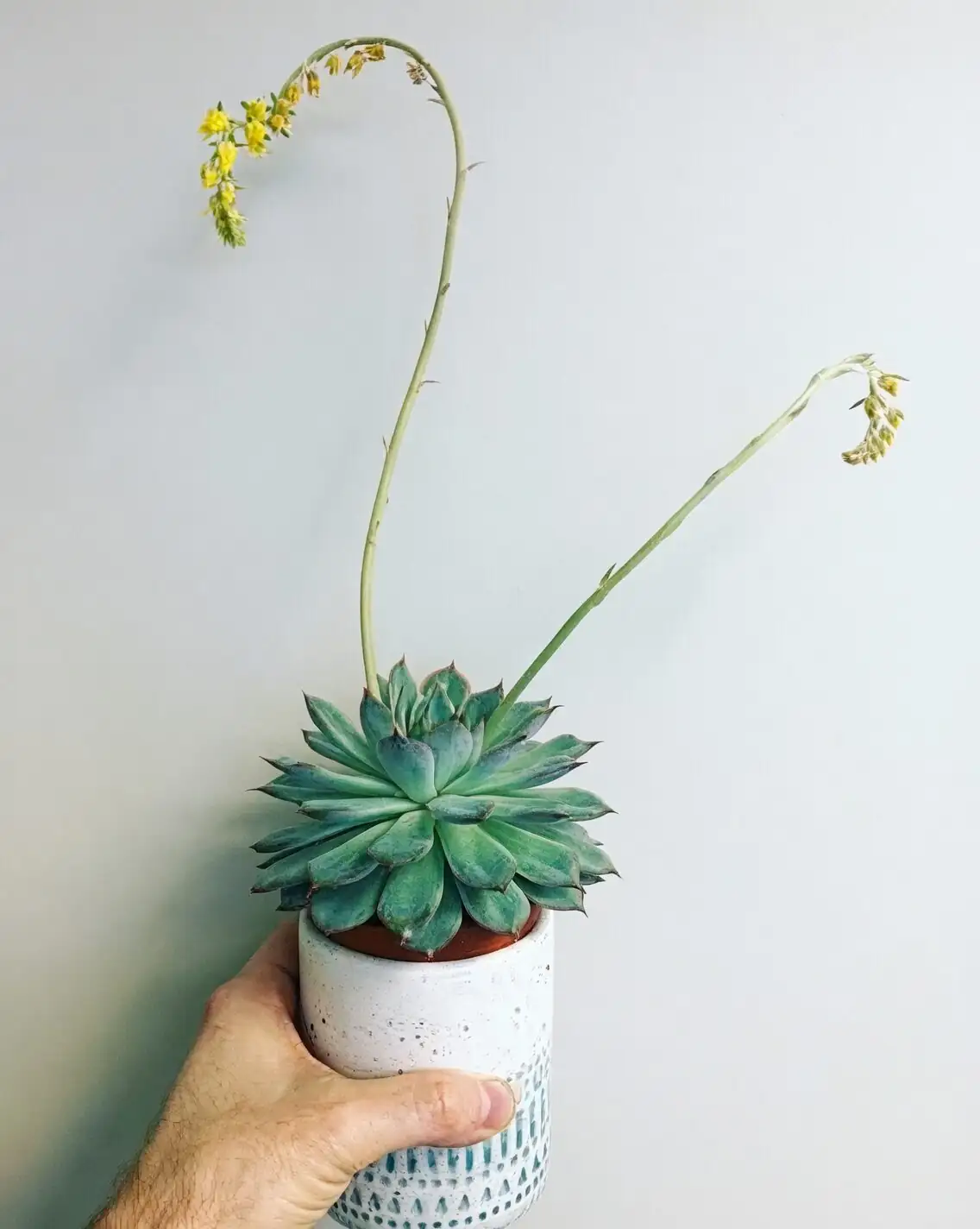
If your Echeveria suddenly hoists a pastel wand of buds over its tidy rosette, you’re witnessing one of the loveliest reveals in the succulent world. Flower spikes aren’t random—they’re a verdict on light, nutrition, maturity, and seasonal timing. Here’s how to read those signals, keep bloom energy humming, and decide when and how to deadhead without missing the magic.
Meet the bloomer
- Botanical profile: Echeveria sp. (Crassulaceae), native to Mexico and Central America.
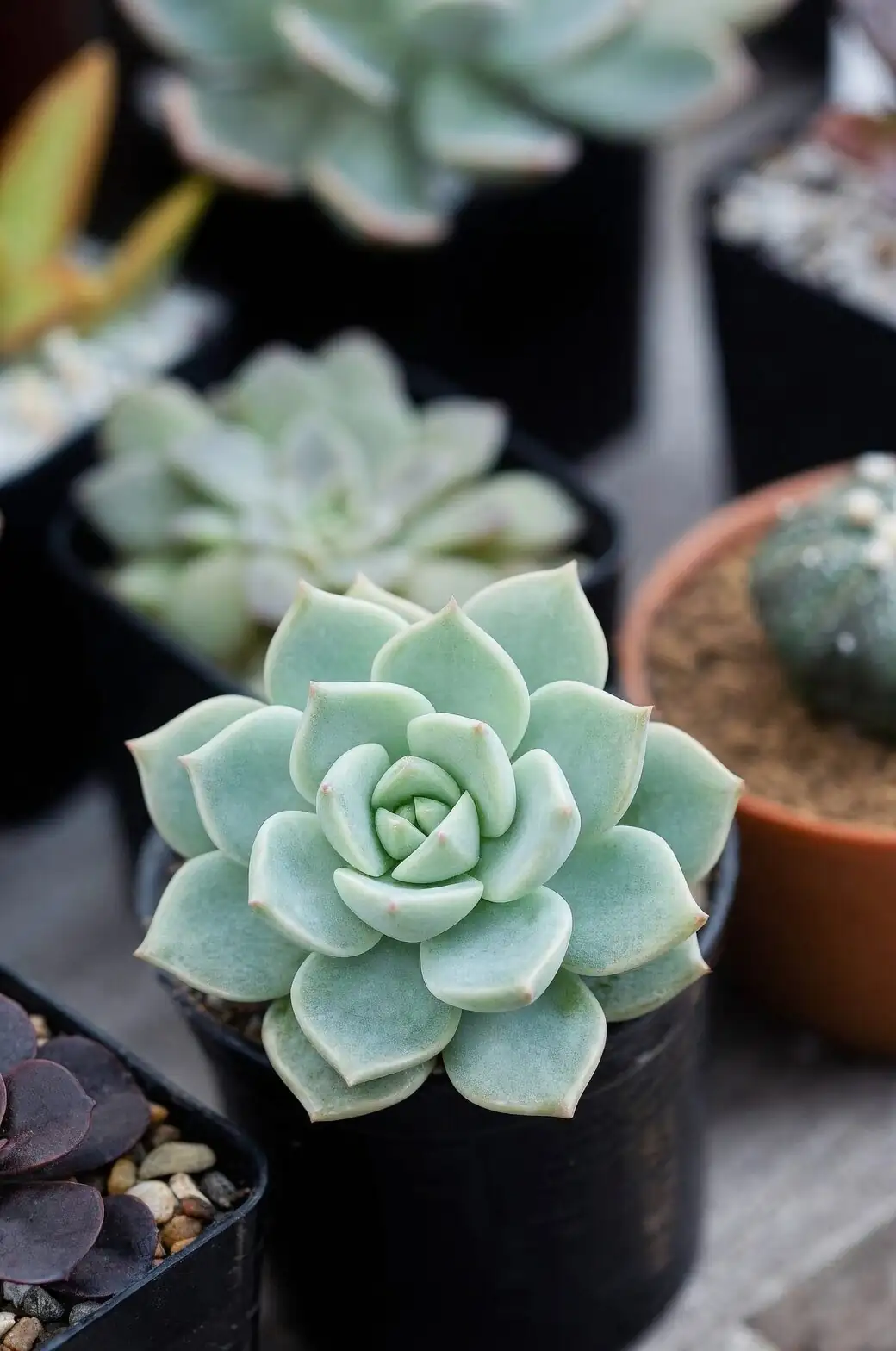
- Look: A tight, symmetrical rosette of blue‑green, fleshy leaves. Under strong light, leaf margins often blush burgundy to wine‑red. Many have a powdery, protective wax (farina)—try not to rub it off.
- Size: Rosettes usually 10–25 cm wide; plants 10–20 cm tall. Flower stalks typically 20–50 cm (8–20 in), sometimes arching.
- Flowers: In summer, pink stems carry clusters of small bells, usually pink outside, yellow to yellow‑orange inside.
Why Echeveria sends up flower spikes
1) Maturity and stored reserves
Echeveria needs to be established before it invests in bloom. A well-rooted, sun-lapped rosette with plump leaves signals it has the carbohydrate and water reserves to spare. Younger plants can flower, but sturdy, mature rosettes tend to send stronger, longer-lasting spikes.
2) Seasonal cues
Peak flowering is in summer, when days are bright and warm. The jump from the cool, bright tail end of spring into consistent summer sun is a classic trigger.
3) Light, light, light
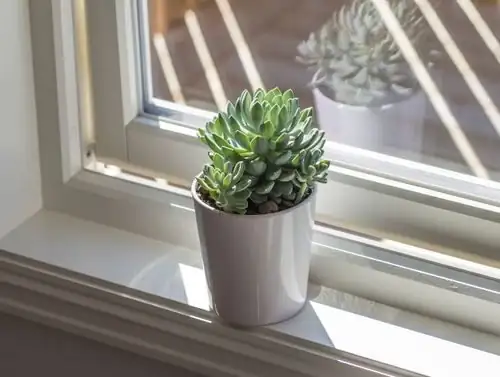
Think of light as the plant’s “battery charger.” Echeveria wants bright light to full sun—aim for at least 4–6+ hours daily. Indoors, this usually means a south- or west-facing window or strong grow lights with good airflow. Low light = stretched rosettes and often no blooms.
4) A comfortable environment
- Temperature: Best at 15–27°C (59–81°F).
- Air: Prefers low to average humidity and fresh airflow.
- Soil: A very fast-draining cactus/succulent mix, ideally with extra pumice or perlite so roots can breathe.
Supporting bloom energy: before, during, and after
Before the spike
- Maximize light safely: Gradually acclimate to stronger sun in spring to avoid sunburn. Bright light also deepens those wine-red leaf margins.
- Use the right mix: A gritty, free-draining substrate prevents root stress so the plant can afford to flower.
- Water smart: Use the “soak and dry” method—water thoroughly, then let the mix dry completely. In warm, bright conditions, that’s often every 7–14 days; in winter or low light, space out to about every 3–5 weeks.
- Feed lightly: In spring and summer, a diluted, low‑nitrogen cactus/succulent fertilizer at 1/4–1/2 strength every 4–6 weeks is enough. Avoid heavy feeding. For Echeveria, great light and a proper dry-down matter more to flowering than aggressive fertilizing.
While it’s blooming
- Keep the rosette dry: Water the soil, not the crown; standing water in the rosette invites rot.
- Don’t overcorrect watering: The spike may make you want to water more, but stick to soak-and-dry. If leaves wrinkle deeply between waterings in hot weather, you can shorten the interval slightly.
- Watch for pests: Aphids love the tender flower stems; mealybugs hide in leaf joints. Dab with alcohol on a cotton swab, or use insecticidal soap or horticultural oil, and improve airflow and light to prevent reinfestation.
- Gentle handling: That powdery farina protects leaves—avoid touching or polishing foliage.
After the show: deadhead or not?
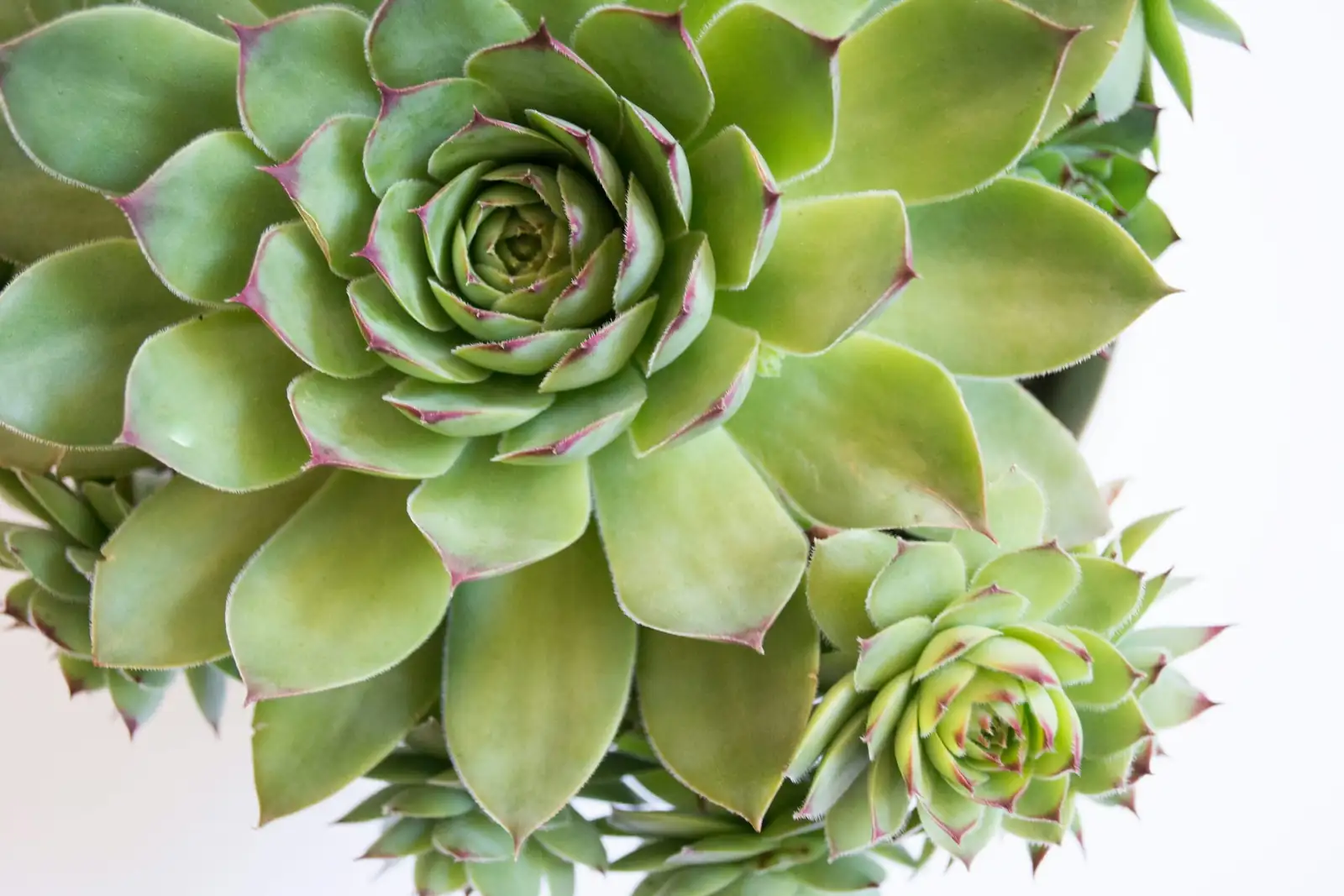
- Standard approach: Yes, remove spent stalks after flowering. Use clean, sharp snips to cut the scape close to the rosette without nicking leaves. This tidies the plant and redirects energy back into growth and potential offsetting.
- Early removal? If the plant is small, stressed, or recently repotted, you can cut the spike early to conserve resources.
- Seed collectors: If you want to try for seed, allow the flowers to finish naturally. Note that flowers are small and often benefit from cross-pollination; most growers prefer vegetative propagation.
- Good news: Echeveria rosettes generally do not die after flowering. They can bloom again in future seasons and may produce offsets over time.
What flowering reveals about your care
If your Echeveria blooms robustly
- Light is likely excellent. Strong, compact rosettes with blushed margins are classic signs.
- Watering rhythm is on point—leaves are firm, not mushy or permanently wrinkled.
- Nutrition is balanced—leaves are lush but not overly soft or oversized.
If it doesn’t bloom by summer
- Light is the main suspect: Look for stretched internodes and a loose, open rosette (etiolation). Move it to a brighter window or use strong grow lights; acclimate gradually to avoid sunburn.
- Immaturity: Young or recently propagated plants may need another season.
- Too much nitrogen: Heavy feeding can produce leafy growth at the expense of buds. Switch to a dilute, low‑nitrogen succulent feed during the growing season only.
- Recovery time: Plants bouncing back from overwatering, repot shock, or poor drainage may skip a bloom cycle while rebuilding roots.
If leaves misbehave during the bloom window
- Wrinkling or quick lower-leaf loss: Usually underwatering; adjust frequency slightly during heat.
- Mushy, translucent patches: Overwatering or rot—let the mix dry completely, improve drainage, increase light and airflow, and check the roots.
- Aphids on scapes: Treat promptly; they sap energy right where the plant needs it most.
Indoors vs. outdoors: can you bloom inside?
Absolutely—if you replicate sun. Indoors, give:
- The brightest window you have (south or west in the Northern Hemisphere) or strong grow lights.
- A warm spot with good airflow and low to average humidity.
- A pot with drainage, ideally terracotta to help the mix dry between waterings.
Outdoors in mild climates (approx. USDA 9–11), shelter from prolonged rain and give light midday shade in extreme heat to prevent scorching.
Quick bloom support checklist
- Light: 4–6+ hours of bright light or full sun.
- Mix: Fast-draining, gritty; add pumice/perlite.
- Water: Soak-and-dry; never let the pot sit in water; keep the rosette center dry.
- Feed: Light, low‑nitrogen fertilizer in spring/summer, 1/4–1/2 strength, every 4–6 weeks.
- Air: Bright and breezy; avoid stagnant humidity.
- Pests: Check leaf axils and flower stalks regularly; treat early.
A mini calendar for flower-forward care
- Spring: Increase light gradually; resume light feeding; repot if needed and wait 3–7 days to water after repotting. Begin watch for aphids.
- Summer: Peak bloom season. Maintain soak-and-dry; provide ventilation and, in extreme heat, a touch of midday shade. Deadhead after flowering.
- Autumn: Reduce watering as temps drop; stop fertilizing to let the plant ease toward its rest.
- Winter: Keep bright and coolish (above 5°C/41°F). Water sparingly; this rest period helps set up next summer’s show.
Propagation notes (post-bloom bonus)
- Offsets: Gently remove when big enough to handle and root in a fast-draining mix.
- Leaves: Let a healthy, cleanly detached leaf callus 2–5 days; lay on dry mix and mist sparingly.
- Beheading: If the stem stretched in low light, cut the rosette to re-root; the old stem may sprout pups.
Safety, health, and handling
- Generally non-toxic to people and pets, though nibbling any plant can cause mild stomach upset.
- Common problems: Root/stem rot from soggy soil and low light; mealybugs and aphids (especially on flower stalks); spider mites in hot, dry rooms. Better light, airflow, and drainage are your best prevention.
The meaning behind the bloom: flower language and backstory
Echeveria is often associated with enduring love and resilience. The symbolism makes intuitive sense: plump, water-storing leaves carry it through dry spells; the rosette holds its form through stress; and, come summer, it still pushes out a delicate spray of bells. The “flower language” here is contemporary rather than rooted in old folklore—more a modern appreciation for a plant that thrives on restraint. The genus honors Atanasio Echeverría y Godoy, a Mexican botanical illustrator whose careful eye feels fitting for such a sculptural plant.
Final take
A flower spike on Echeveria is your plant’s way of saying, “Conditions are good.” If you give it brilliant light, a gritty mix, a steady soak-and-dry rhythm, and only light feeding in the growing months, it will repay you with a summer wand of pink-and-gold bells. Enjoy the show, deadhead when it’s done, and let the rosette regroup for an encore next year.