

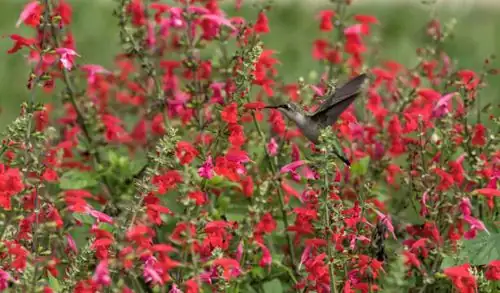
Looking to infuse your garden with vibrant colors and attract delightful pollinators like hummingbirds and butterflies? Enter Scarlet Sage, or Salvia splendens—a plant that promises not just beauty, but a relatively hands-off care regimen that even beginners can master. Whether you’re greening up your patio pots or creating a striking border, Scarlet Sage is your go-to for a splash of bold, enduring color.
Unlocking the Secrets to Thriving Scarlet Sage
Light Up Your Garden with the Right Sunlight
Scarlet Sage thrives in full sun, soaking up at least 6 to 8 hours of direct light daily. This is where it truly shows off its vibrant blooms. While it can tolerate partial shade, you’ll notice a marked difference in blooming—less sun equals fewer flowers. If your summers are blisteringly hot, consider offering some afternoon shade to prevent wilting.

The Perfect Drink: Watering Tips for Scarlet Sage
Think of watering Scarlet Sage like offering a refreshing drink to a hardworking friend—just enough to keep them going, but not so much that it drowns them. Keep the soil evenly moist, but avoid waterlogging. A good rule of thumb is to water when the top inch of soil feels dry. During hot spells, your container plants may need a daily quenching. Remember, it’s best to water at the base, avoiding overhead watering to keep diseases at bay.

Feeding Your Floral Friend
For a nonstop blooming spree, feed your Scarlet Sage during its active growth phase. Mix in a slow-release fertilizer when planting or use a balanced liquid fertilizer every two to three weeks. If your plant seems to be all leaves and no flowers, scale back on nitrogen and opt for a phosphorus-rich fertilizer to encourage blooming.
Pruning for Performance
Want more flowers? Pinch young plants to encourage bushier growth and more flower spikes. Deadheading spent flowers not only keeps the plant tidy but encourages prolonged blooming. Although modern cultivars can be partly self-cleaning, a little grooming goes a long way.
Soil and Temperature: Laying the Groundwork for Success
Scarlet Sage loves a good soil base—think moist but well-drained, humus-rich soil with moderate fertility. Loam or sandy loam is ideal, and a slightly acidic to neutral pH (about 6.0 to 7.0) will keep your plant content. As a warm-season plant, it thrives best in temperatures ranging from 15 to 30°C (60 to 85°F). Beware of frost, though, as this plant isn’t equipped to handle freezing conditions.
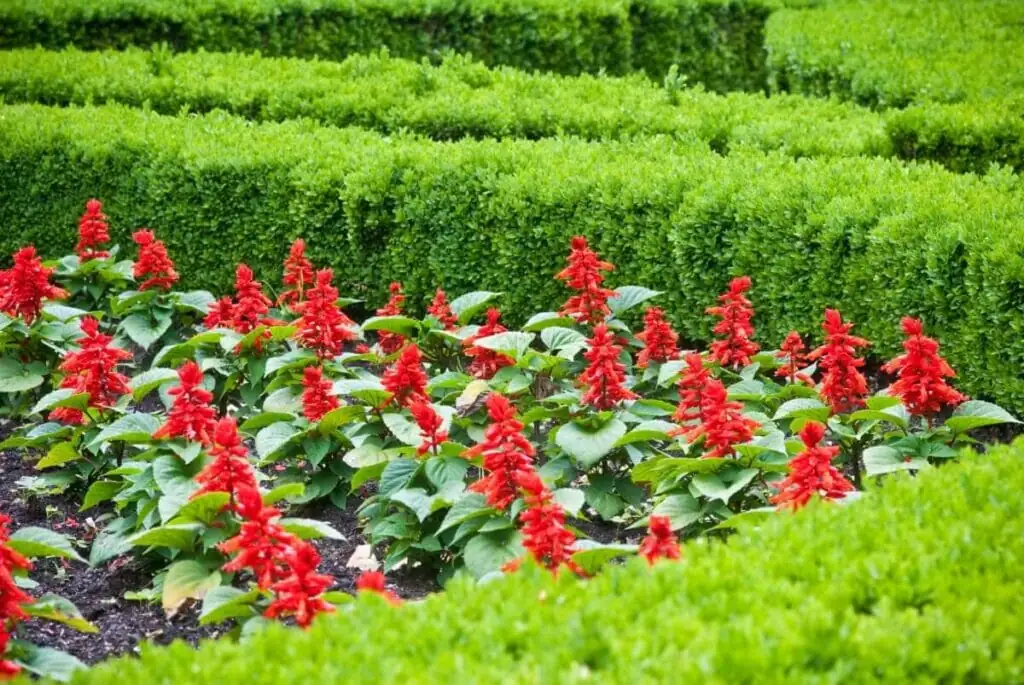
Extending the Blooming Season
Scarlet Sage blooms from summer through fall, right up until the first frost. To keep those blooms coming, regular deadheading is key. Additionally, taking cuttings before frost allows you to overwinter the plants indoors, ensuring a fresh start come spring.
Troubleshooting Common Issues
While generally trouble-free, Scarlet Sage can occasionally fall prey to garden pests like whiteflies or diseases such as powdery mildew. Combat these by maintaining good air circulation and avoiding wet foliage. Ensure your drainage is sharp to prevent root rot.
Propagation and Overwintering
For those looking to propagate, Scarlet Sage can be grown from seeds or cuttings. Start seeds indoors 8–10 weeks before the last frost, or take cuttings in the fall to root indoors. If you’re in colder zones, treat Scarlet Sage as an annual, or overwinter cuttings for a lush display next year.
A Garden Star with a Rich History
Originating from Brazil, Scarlet Sage has been dazzling gardeners since it graced European gardens in the early 1800s. Its intense red color has made it a symbol of vitality, passion, and energy. In flower language, it conveys warm thoughts and good health, making it a thoughtful addition to any garden—or a heartfelt gift.
With these tips in hand, you’re ready to grow your most vibrant, lively garden yet with Scarlet Sage. So, are you excited to see your garden buzzing with life and color? Happy gardening!


