If you garden long enough in warm, dry places, one day you’ll glance outside and do a double-take: your Agave americana has sprouted a skyward “rocket”—a bloom stalk racing to the clouds. This is the Century Plant’s legendary once-in-a-lifetime finale. Here’s how to spot the pre-party signs, enjoy the show week by week, brace that tower in the wind, gather new plants from bulbils or seed, and clean up afterward while keeping your clonal colony of pups thriving.
Meet the star: Agave americana at a glance
- Identity: Agave americana (Century Plant), family Asparagaceae; native to Mexico, widely naturalized in warm, dry regions
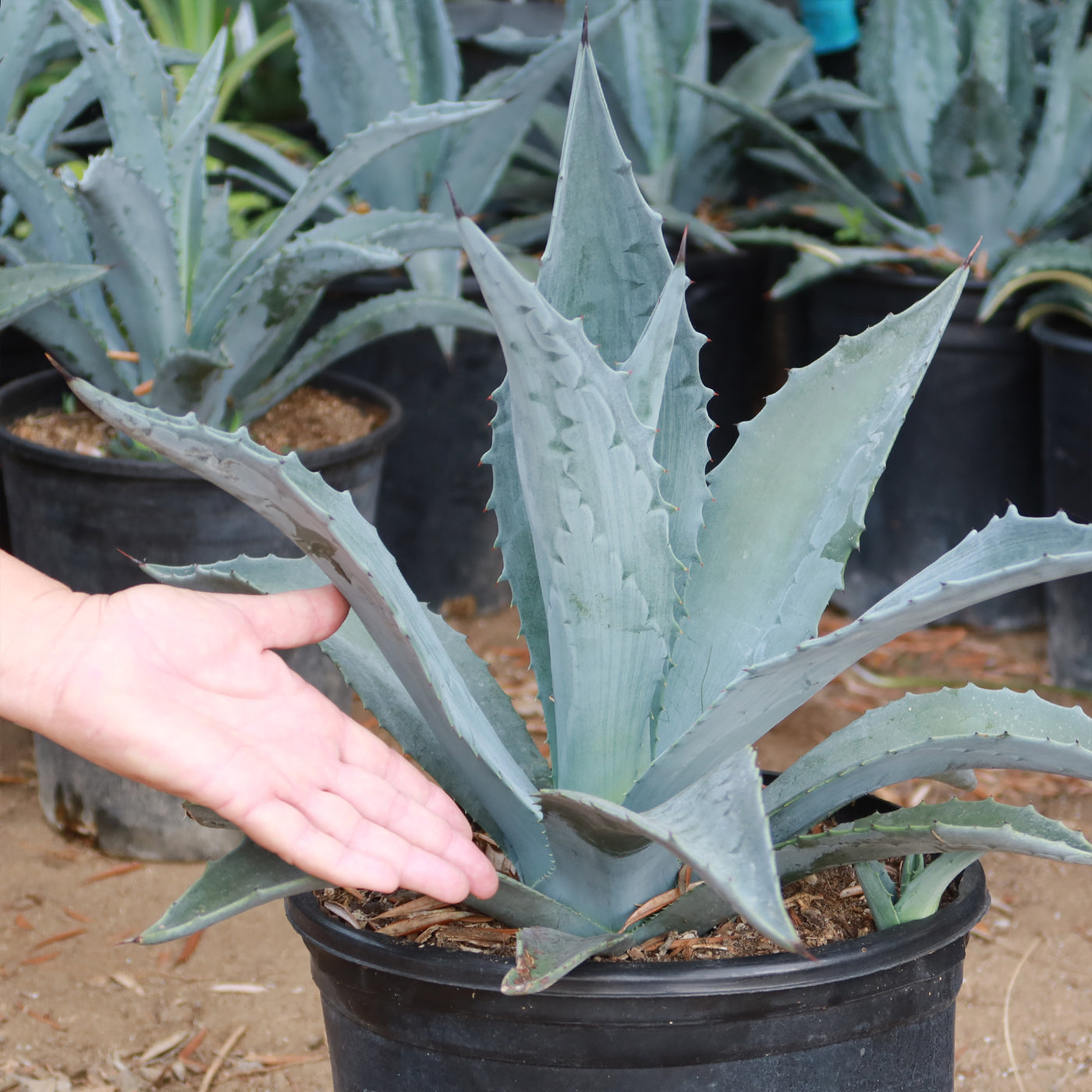
- Look: Monumental rosette of gray‑green to blue‑gray, sword-like leaves with sharp marginal teeth and a hardened terminal spine
- Size: Rosette commonly 1–2 m (3.3–6.6 ft) across outdoors; flower stalk up to about 7–8 m (23–26 ft)
- Habit: Evergreen, slow-growing, often clumps via offsets (“pups”); monocarpic—each rosette flowers once, then declines
- Light & soil: Full sun; gritty, fast-draining cactus/succulent mix; no standing water
- Hardiness: USDA Zones 8–11; protect from prolonged freezes
- Safety: Spines puncture and sap can irritate or blister skin—handle with thick gloves and eye protection
Pre-party signals: how to know launch is imminent
The Century Plant doesn’t send a calendar invite, but it does whisper clues.
Tell-tale signs (weeks to months ahead)
- “Praying hands” center: Inner leaves stop unfurling and draw together vertically, enclosing a swelling central bud
- Crown bulge: The heart of the rosette subtly elevates and firms up
- Energy shift: New leaf production slows as the plant reroutes resources to the bloom stalk
Smart prep right now
- Make space: Clear 2–3 m (6–10 ft) radius for foot traffic and pets; mark spines with flagging tape at eye level
- Stop pushing growth: Keep feeding light or pause; no heavy fertilizing before bloom
- Check stability: If potted, choose a heavy, wide, well-drained container and consider added ballast (rocks on the soil surface)
- Plan pathways: Reroute hoses and mowers; note overhead lines before that stalk soars
The rocket-stalk, week by week
Every plant and climate is different, but this play-by-play will keep you ahead of the curve.
Week 0–1: Liftoff
- What you’ll see: A thick green spear emerging from the rosette’s center
- Do:
- Water deeply but infrequently; never pour water into the rosette
- Keep the plant in maximum sun with good airflow
- Begin scouting for pests (aphids love tender stalk tissue)
Week 2–3: The stalk sprints
- What you’ll see: Rapid vertical growth—often shoulder-high before you know it
- Do:
- Start wind bracing (details below) while the stalk is still manageable
- Add visible caution markers where people pass
- Resist the urge to cut the stalk—removing it won’t stop the rosette’s eventual decline
Week 4–6: Architecture unfurls
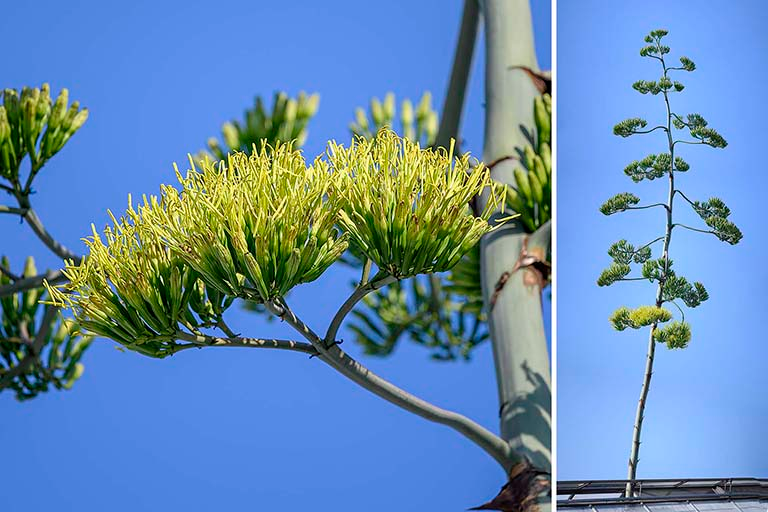
- What you’ll see: Branches (in a candelabra form) or dense flowers along an unbranched spike, with tight green buds
- Do:
- Manage aphids/mealybugs with blasts of water or horticultural soap/oil as appropriate
- Keep irrigation conservative; soggy soil risks root/crown rot
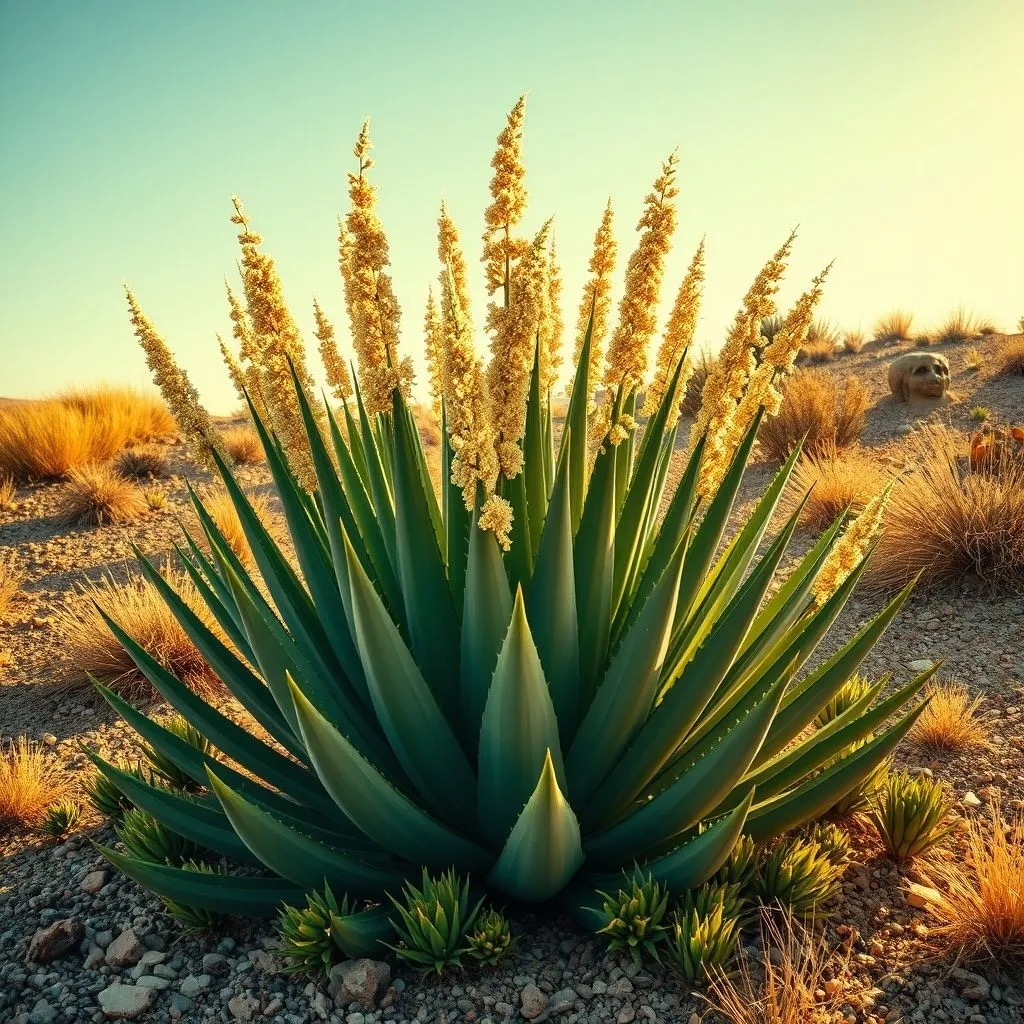
Week 7–10+: The show opens
- What you’ll see: Hundreds of yellow‑green, bell-like flowers; pollinator traffic may surge
- Do:
- Enjoy! Night fragrance can sweeten the air
- If seeds are desired, allow flowers to fade and pods to form; if bulbils are likely on your plant, give them time to develop
After the bloom
- What you’ll see: Flowers dry; either pods (seeds) or tiny plantlets (bulbils) appear; the rosette slowly browns
- Do:
- Maintain bracing—seed/bulbil weight can shift balance
- Begin planning your harvest and cleanup timeline
Windproofing that tower: simple, safe bracing
A 7–8 m stalk is dramatic—and wind-catching. Keep it upright without harming the plant.
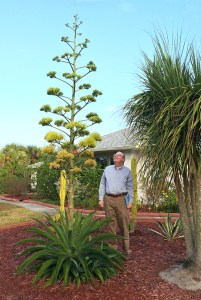
- Three-point guying:
- Drive three sturdy stakes 1.5–2 m (5–6.5 ft) from the stalk, spaced 120° apart
- Use wide, soft straps (old hose sections, padded tree ties) around the stalk; never use bare wire
- Angle guy lines down to stakes; keep slight tension, then re-check after wind or rain
- For containers:
- Weight the pot with stones; place against a windbreak (not under eaves that drip into the rosette)
- Elevate on pot feet for drainage and to prevent tipping from pooled water
- Safety checks:
- Retighten after storms; inspect daily during high winds
- If the stalk becomes hazardous after flowering, you can shorten or remove it in sections—this won’t prevent the rosette’s decline, but it reduces risk
Bulbils or seeds? Choosing, collecting, and growing your next generation
Agave americana can set seed (if flowers are pollinated) and may also form bulbils on the aging stalk. You can use either—or both.
Bulbils (clones of the mother)
- When they’re ready:
- Wait until they are firm, easy to detach, often with tiny roots or leaflets; size ranges from pea to walnut
- How to harvest:
- Lay a tarp beneath the stalk; gently snap or clip bulbils free into a tray
- No need to callus if the base is clean; if there’s a fresh cut, let it dry 1–3 days
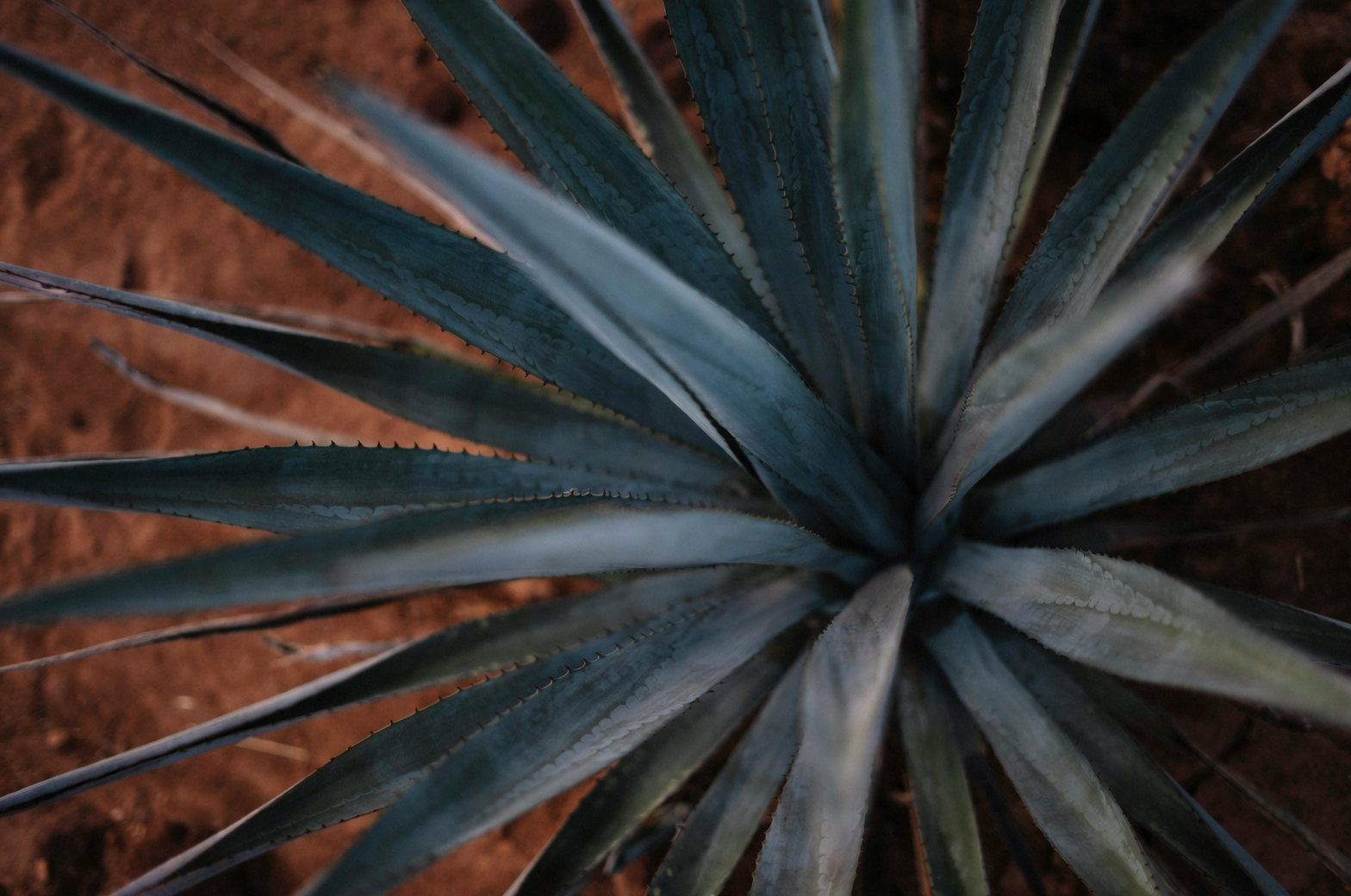
- Potting:
- Use a gritty cactus mix with pumice/perlite
- Set bulbils shallowly; keep bright light but soften harsh midday sun at first
- Water lightly after planting, then allow the mix to dry between sips
- Pros: Fast, reliable, and true to type; perfect for maintaining your favorite form
Seeds (genetic diversity)
- When they’re ready:
- Pods turn brown and dry; many rattle when shaken
- How to harvest and sow:
- Snip pods into a paper bag to finish drying
- Sow on the surface of a sterile, gritty mix; barely cover; provide bright light and warmth
- Keep just-moist (not wet) until germination, then transition to deep, infrequent watering
- Pros: Larger numbers and novel variation; great for experimenting
Tip: Handle the stalk on a calm day. If you must lower branches to collect, cut them into manageable lengths and process on the ground.
Preserve the clonal colony: pups at the base
Pups are your built-in insurance policy—and they’re already acclimated to your site.
- Timing:
- Don’t rush. Let the mother rosette support pups until they have their own roots and a hand-sized rosette
- Thinning strategy:
- Keep 3–5 of the best-placed pups around the original spot, spaced so each can reach 1–2 m wide
- Remove extras to prevent a thorny thicket; install a root barrier if space is tight
- Removal technique:
- With gloves and eye protection, expose the connecting rhizome
- Sever with a clean, sharp knife or pruning saw
- Let cut surfaces callus 3–7 days, then pot into a fast-draining mix
- First watering: light, after the mix is dry again; then resume deep-but-infrequent watering
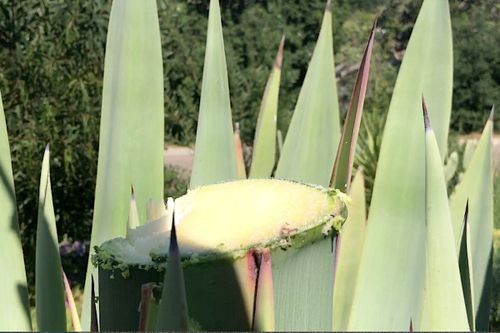
- Placement:
- Full sun with great drainage; avoid footpaths—spines and pets don’t mix
Post-bloom cleanup without losing the lineage
Once the show is over, you’ll retire the stage safely and neatly.
- Sequence:
1) Let seeds/bulbils mature and harvest what you want
2) Remove the flower stalk in sections from the top down; keep bracing until you’re done
3) Strip dead outer leaves from the mother rosette to expose the core (“pineapple” it)
4) Leave the core to dry and lighten before hauling, or dispose of green waste per local guidelines
- Protect the pups:
- Work from the outside in; avoid trampling young offsets
- Never flood the crown or surrounding soil—rot is the enemy now
- Safety:
- Wear heavy gloves, long sleeves, and eye protection; sap can irritate or blister skin
- Trim or cap spines on cut leaves before moving them
Growing conditions snapshot (to keep pups and bulbils happy)
- Sun: Full sun for 6–8 hours daily; in very hot climates, a touch of afternoon shade helps prevent scorch
- Soil: Very fast-draining, gritty mix; no water pooling in saucers or rosettes
- Water: Deep, infrequent; allow the mix to dry completely between waterings; go especially light in winter
- Feeding: Lightly during spring–summer; low-nitrogen cactus fertilizer monthly-ish, or a balanced liquid at half strength every couple of weeks; stop in winter
- Cold: Protect near freezing, especially in containers
- Pests: Watch for mealybugs, scale, and aphids on flower stalks; outdoors, the agave snout weevil is a serious threat—sudden collapse can occur. Good hygiene, airflow, and dry soil are your best defenses
Note: Classic tequila comes from blue agave (Agave tequilana), not typically from Agave americana.
Flower language, myth, and meaning
In modern floriography, the Century Plant often symbolizes endurance, resilience, and protection—born of its armored leaves and ability to wait years before one grand bloom. In Mesoamerican traditions, agaves were sources of fiber, food, and sweet sap, and are associated with themes of fertility and nourishment (the Aztec goddess Mayahuel is linked with agave). The “one big finale” reframes patience as purpose: decades of quiet resourcefulness culminating in a dramatic, generous last flourish that feeds pollinators and starts the next generation.
Quick troubleshooting during the bloom
- The stalk is leaning: Add or retension guy lines; reposition stakes after heavy rain
- Aphids on buds: Blast with water, then follow with horticultural soap or oil as needed
- Pot is wobbling: Add ballast; move to a wind-sheltered, sunny spot; ensure pot feet and drainage holes are clear
- Stalk too risky near paths: After flowering finishes, cut it back in sections; it won’t save the mother, but it will remove the hazard
- Yellowing lower leaves: Common as energy shifts to the stalk; if widespread and mushy, reassess watering and drainage
Enjoy the spectacle, harvest a new generation, and let the colony carry on. With a little foresight and a few straps and stakes, your Century Plant’s rocket-stalk can be the safest, most spectacular event in the garden this decade.