

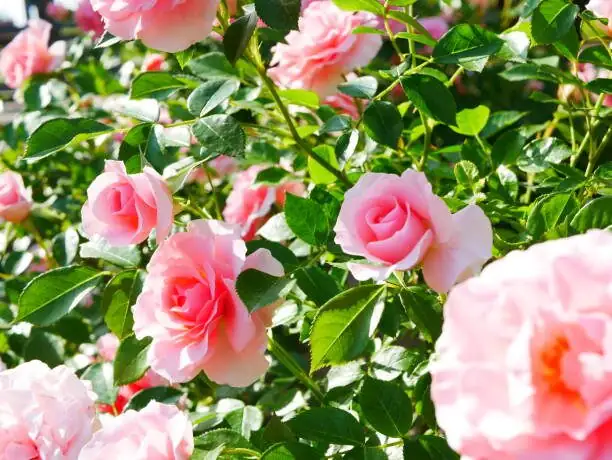
If you love months of color and fragrance, Rosa chinensis—Chinese Rose, the classic “monthly” or China rose—will gladly perform. But those glossy leaves are the engine of the show. Keep them healthy and you win the season. Here’s a hands-on, prevention-first playbook that escalates through smart, low-toxicity IPM tactics for black spot, powdery mildew, aphids, and leaf-chewers—plus exactly when to prune out diseased wood.
Prevention that does 80% of the work
- Sun and airflow
- Give full sun: 6–8+ hours daily is ideal. Bright, open positions boost flowering and dry leaves quickly.
- Space for ventilation. Don’t let nearby shrubs crowd your rose. An airy canopy makes life hard for fungi.
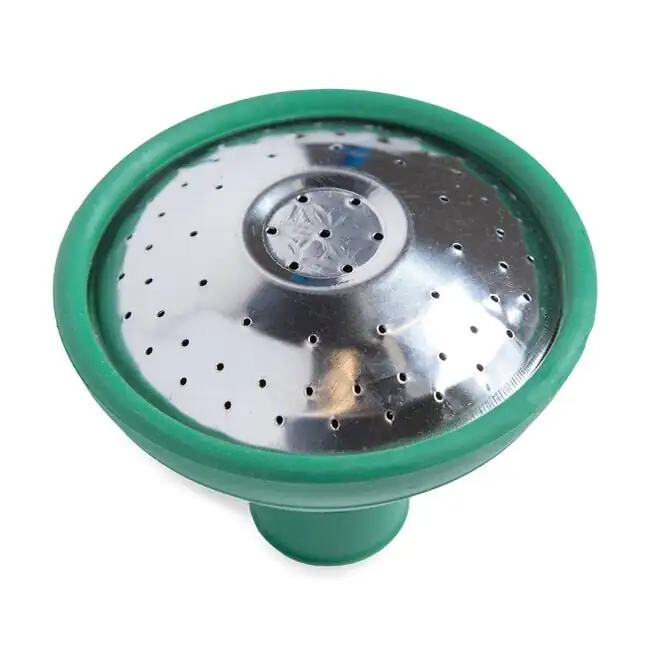
- Smarter water: at the base
- Water the soil, not the leaves. Wet foliage—especially overnight—supercharges black spot and mildew.
- Deep, regular soaks: for containers, a practical rhythm is about once a week in spring, 2–3 times per week in summer heat, once a week in autumn, and very lean in winter. Let the top ~2–3 cm (about 1 in) dry slightly between waterings.
- Leaf cleanup and mulch
- Police leaves: remove yellowing or diseased leaves fast, and sweep up any that fall. In autumn, be ruthlessly tidy to reduce overwintering spores.
- Mulch (kept off the canes) to minimize soil splash during rain or watering.
- Feeding and pruning for resilience
- Feed every ~2 weeks in active growth with a balanced rose fertilizer; add a few extra bloom-leaning feeds during heavy flowering. Go easy on nitrogen—excess “soft” growth invites mildew and aphids.
- Deadhead promptly to push the next flush. Do major structural pruning before spring bud break to open the center and improve airflow; avoid pruning too early in winter, which can trigger frost-tender shoots.
Scout like a pro: weekly, two-minute checks
- Weather cues to watch
- Humid, rainy spells with leaves staying wet 6–9+ hours: black spot risk spikes.
- Cool nights with dry daytime air and high humidity or dew: powdery mildew risk rises.
- What to look for
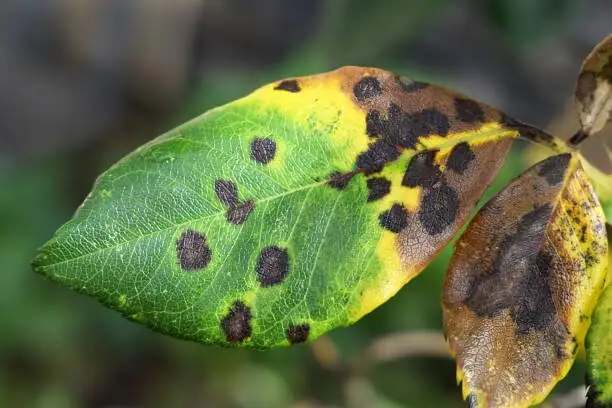
- Black spot: round black leaf spots with fringed edges, yellow halos, then early leaf drop; tiny purplish-black cane specks can appear too.
- Powdery mildew: reddened, blistery patches that turn powdery white on young leaves, stems, and buds; distorted new growth; buds that fail to open.
- Aphids: clusters on tender tips and buds; sticky honeydew; curled young leaves.
- Leaf-chewers: windowpane or skeletonized leaves (sawfly “slugs”) or ragged holes (caterpillars). Check leaf undersides at dawn/dusk.
Black spot (Diplocarpon rosae): stepwise control
- Identify fast
- Circular black spots with fringed edges + yellowing leaves that drop. Premature defoliation saps energy and bloom potential.
- Stage 1: Immediate sanitation
- Strip and bin infected leaves (don’t compost during an outbreak). Keep the soil surface clean; refresh mulch to block spore splash.
- Stage 2: Cultural fixes
- Keep foliage dry: base-water in morning, avoid evening leaf wetness.
- Sun and spacing: open the canopy at late-winter pruning; remove weak, crowded, or inward-growing shoots.
- Steady nutrition without excess nitrogen.
- Stage 3: Preventive, low-toxicity sprays
- Start early in conducive weather or at first specks: sulfur, horticultural oil, or bicarbonate-based sprays can help prevent new infections when used per label. Reapply after rain.
- Stage 4: Escalate only if needed
- If pressure stays high, consult local guidance for labeled fungicides and rotate modes of action as directed. Always follow label directions and local regulations.
- When to prune canes for black spot
- Reserve major cane removal for late winter to early spring, before bud break. Cut 10–15 cm (4–6 in) below any purplish-black lesions into clean, green tissue; disinfect tools between cuts. Through the season, focus on leaf removal and light sanitation only unless a cane is clearly failing.
Powdery mildew (Sphaerotheca pannosa): stepwise control
- Identify fast
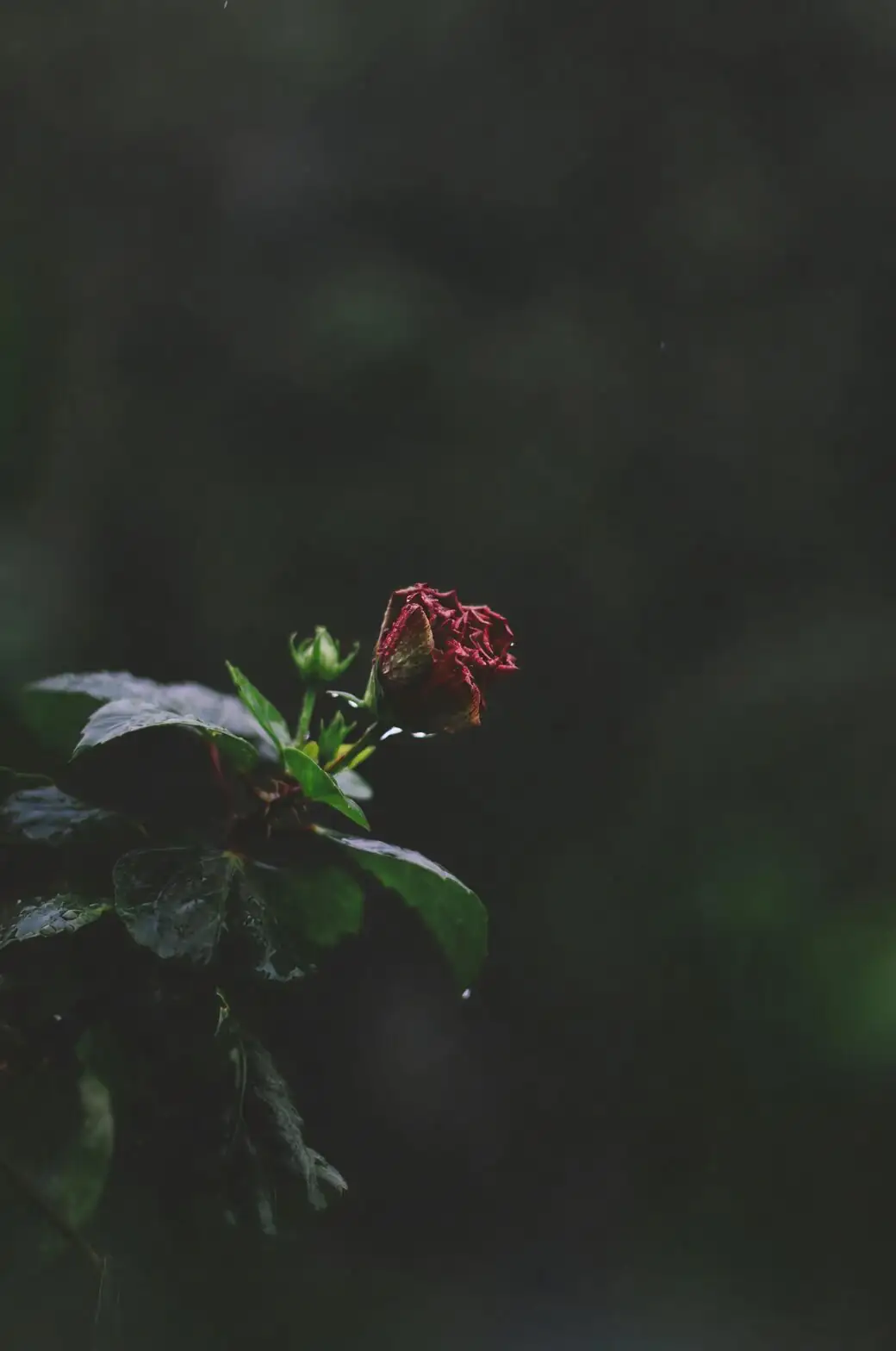
- Reddish, blistery patches that develop a white, floury coating on young leaves, shoots, and buds; distorted new growth and malformed blooms.
- Stage 1: Tidy growth
- Pinch or prune out the most affected, very young shoots if you catch them early. Bag debris.
- Stage 2: Cultural fixes
- Airflow, airflow, airflow. Keep the center open and avoid crowding with neighbors.
- Water the root zone early in the day; keep leaves dry. Avoid overfeeding nitrogen that drives tender, mildew-prone shoots.
- In intense summer sun, light afternoon shade can protect petals from scorch, but airflow remains your mildew linchpin.
- Stage 3: Preventive, low-toxicity sprays
- Begin when nights turn cool and dewy or at first sign: sulfur, horticultural oil, or bicarbonate formulations can suppress mildew when applied thoroughly and regularly per label.
- Stage 4: Escalate only if needed
- If mildew persists, use labeled fungicides as a last resort, following all directions. Note: powdery mildew spores often overwinter in buds—solid autumn cleanup and late-winter pruning pay off next year.
Aphids: gentle to firm, in order
- Early response (often enough)
- Morning blast with water to dislodge colonies from tender tips and buds.
- Pinch out heavily infested shoot tips if that won’t cost you your next flush.
- Encourage beneficials: lady beetles, lacewings, and hoverflies thrive in diverse, pesticide-sparing gardens.
- If populations rebound
- Use insecticidal soap or horticultural oil, coating undersides of leaves and buds; apply in the cool of day and repeat as needed. Keep sprays off open blooms to protect pollinators.
- Ease back on nitrogen-rich feeds that spur aphid-seducing soft growth.
- Last step, if truly necessary
- Consider other labeled controls per local guidance. Always follow label directions and avoid spraying during pollinator activity.
Leaf-chewers: sawfly “slugs” and caterpillars
- Tell them apart
- Rose sawfly larvae (often called rose slugs) are small, green, and slug-like; they skeletonize leaves into windowpanes. They are not true caterpillars.
- Caterpillars (moths/butterflies) chew ragged holes and larger bites.
- Hands-on first
- Inspect leaf undersides at dawn/dusk and hand-pick into soapy water. Prune off a clustered infestation on a single shoot.
- Targeted controls
- Caterpillars: Bacillus thuringiensis var. kurstaki (Btk) targets young caterpillars when used per label; it does not work on sawflies.
- Sawflies: horticultural soap/oil on young larvae, or other labeled low-toxicity options (e.g., spinosad) can be effective. Time applications to early larval stages and avoid spraying during pollinator activity.
- Support plant recovery
- Keep watering and feeding steady; healthy leaves rebound quickly on repeat-blooming roses.
When to prune out diseased or dead wood
- Best timing for big cuts
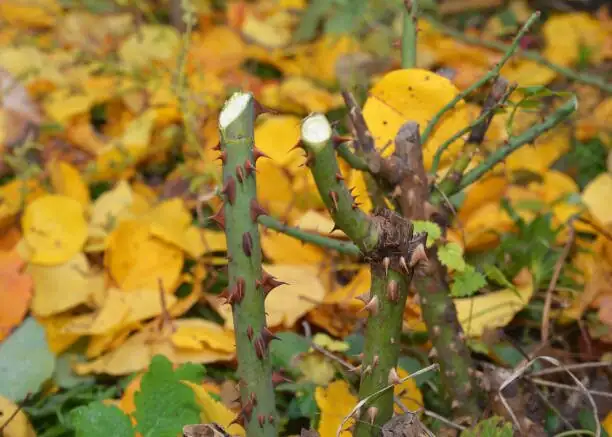
- Late winter to early spring, just before bud break, is prime time for structural pruning and for removing diseased or dead canes. This timing avoids stimulating frost-tender growth and lets you see winter damage clearly.
- What to remove
- Dead, blackened, or cankered canes (cut well into clean green tissue); weak, crossing, or inward-growing stems; spent flowering shoots (deadhead to just above a strong 5-leaflet leaf).
- On grafted plants, promptly remove any rootstock suckers from below the graft.
- In-season exceptions
- If you spot severe dieback, borers, or a clearly failing cane, make a conservative sanitation cut now and plan the definitive removal in late winter.
- Tool hygiene
- Disinfect blades between cuts when removing disease; bag and bin prunings and fallen leaves.
Seasonal cheat sheet for Chinese Rose
- Spring
- Do major pruning and any repotting before strong new growth. Begin gentle feeding as roots wake. Scout for aphids and early mildew.
- Summer
- Water more frequently (especially containers), feed regularly, and deadhead fast. In extreme heat (30°C/86°F+), provide light afternoon shade to protect petals; maintain airflow to deter mildew.
- Autumn
- Keep moisture steady; continue light feeding early, then taper late. Enjoy late flushes. Step up leaf cleanup to reduce overwintering spores.
- Winter
- Many plants go dormant below ~5°C (41°F). Keep just barely moist—never bone-dry, never soggy. Avoid very early pruning that can trigger tender growth before freezes.
Care quick-start for thriving blooms
- Light: Full sun, 6–8+ hours.
- Soil: Fertile, free-draining, slightly acidic to neutral. For pots, use a rich, airy mix with coarse sand or perlite and some well-rotted compost or manure.
- Temperature: Best around 20–25°C (68–77°F). Prolonged heat above 30°C (86°F) can slow bloom; winter hardiness varies by cultivar, often down to about -15°C (5°F) with protection.
- Growth habit: Bushy, woody shrub; many cultivars 60–150 cm (2–5 ft), miniatures smaller. Prickly canes—handle with care.
Cut-flower bonus
- For longest vase life—especially on red/pink cultivars—harvest when sepals have reflexed and the outer petals are just starting to loosen. Use clean tools and a bucket of fresh water; strip any leaves that would sit below the waterline.
A note on symbolism and “flower language”
- Roses have long symbolized love, beauty, appreciation, and enduring affection. Chinese Rose in particular, famed for blooming in repeated flushes, often evokes renewal and constancy.
- But flower “languages” vary by culture and era. Treat them as poetic traditions rather than fixed rules—and choose the color and form that speak to your occasion and recipient.
Why this plant rewards consistency
Chinese Rose is famously generous: with strong sun, smart base-watering, leaf cleanup, steady feeding, and timely pruning, it delivers repeat flushes from late spring through autumn. Keep the leaves healthy using the stepwise IPM above, and your rose will repay you with months of color—and far fewer headaches.