

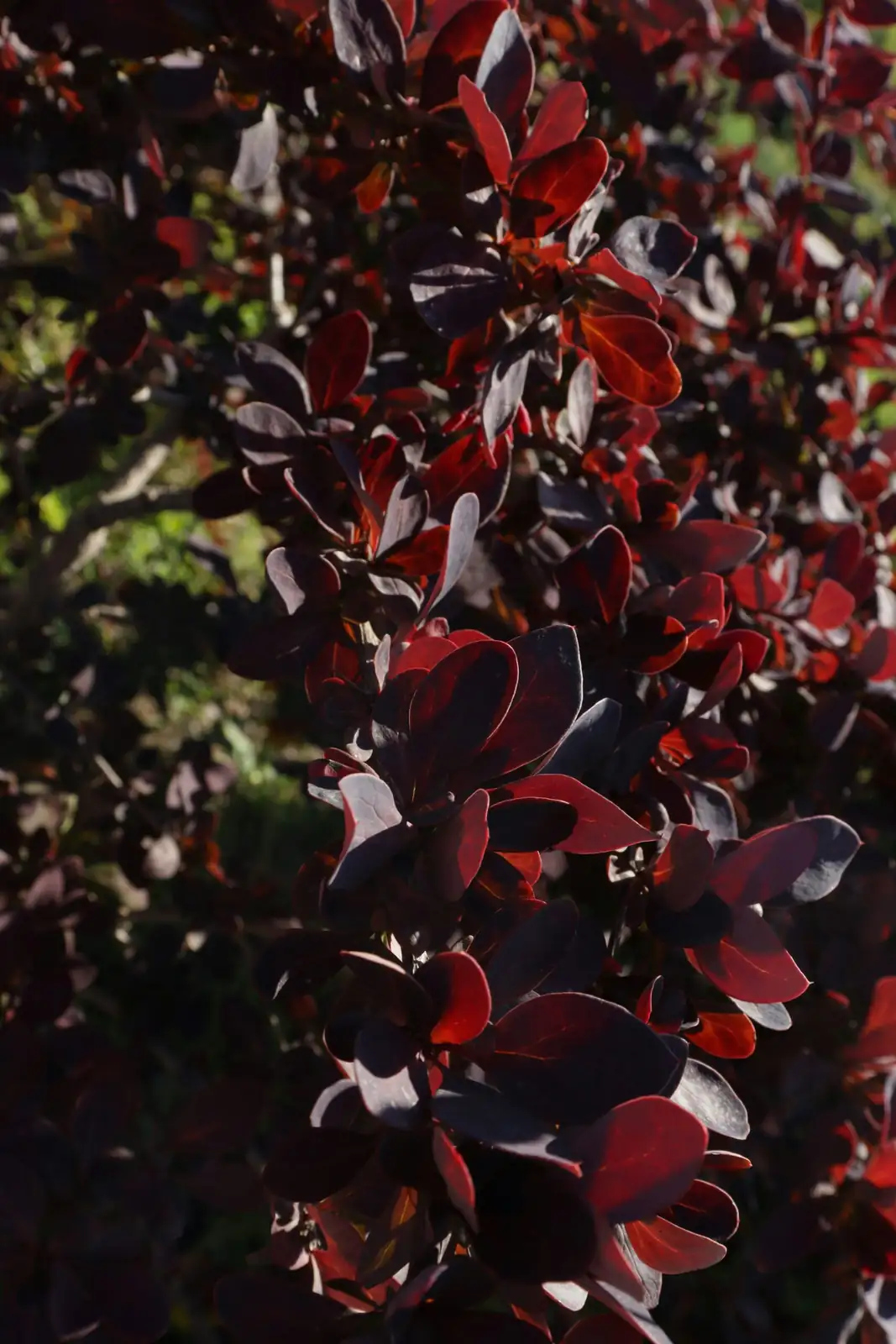
If your Campfire Crassula suddenly slumps, freckles, or starts hosting sticky hitchhikers, don’t panic. This sun-loving succulent is tougher than it looks—and with a quick diagnosis and the right, gentle treatments, you can turn things around fast. Use this rapid handbook to spot rot, leaf spot/rust, scale, and whitefly in minutes, then fix the issue safely without setting your plant (or your home) on chemical overdrive.
Note: Campfire Crassula (Crassula capitella ‘Campfire’) prefers bright light to full sun, very free-draining soil, and dry air. It thrives on a drench-and-dry watering rhythm and strongly dislikes cold, wet conditions.
H2: Lightning ID: Is it rot, leaf spot/rust, scale, or whitefly?
H3: Rot (root, stem, or leaf rot)
- What you’ll see:
- Leaves turning black, soft, or translucent; stems feel mushy at the base.
- A sour or “swampy” smell from the potting mix.
- The plant collapses even though the soil is wet.
- Likely triggers:
- Overwatering, water-retentive soil, poor drainage, cool + damp conditions, or keeping it wet near/below 5°C (41°F).
H3: Leaf spot or rust
- What you’ll see:
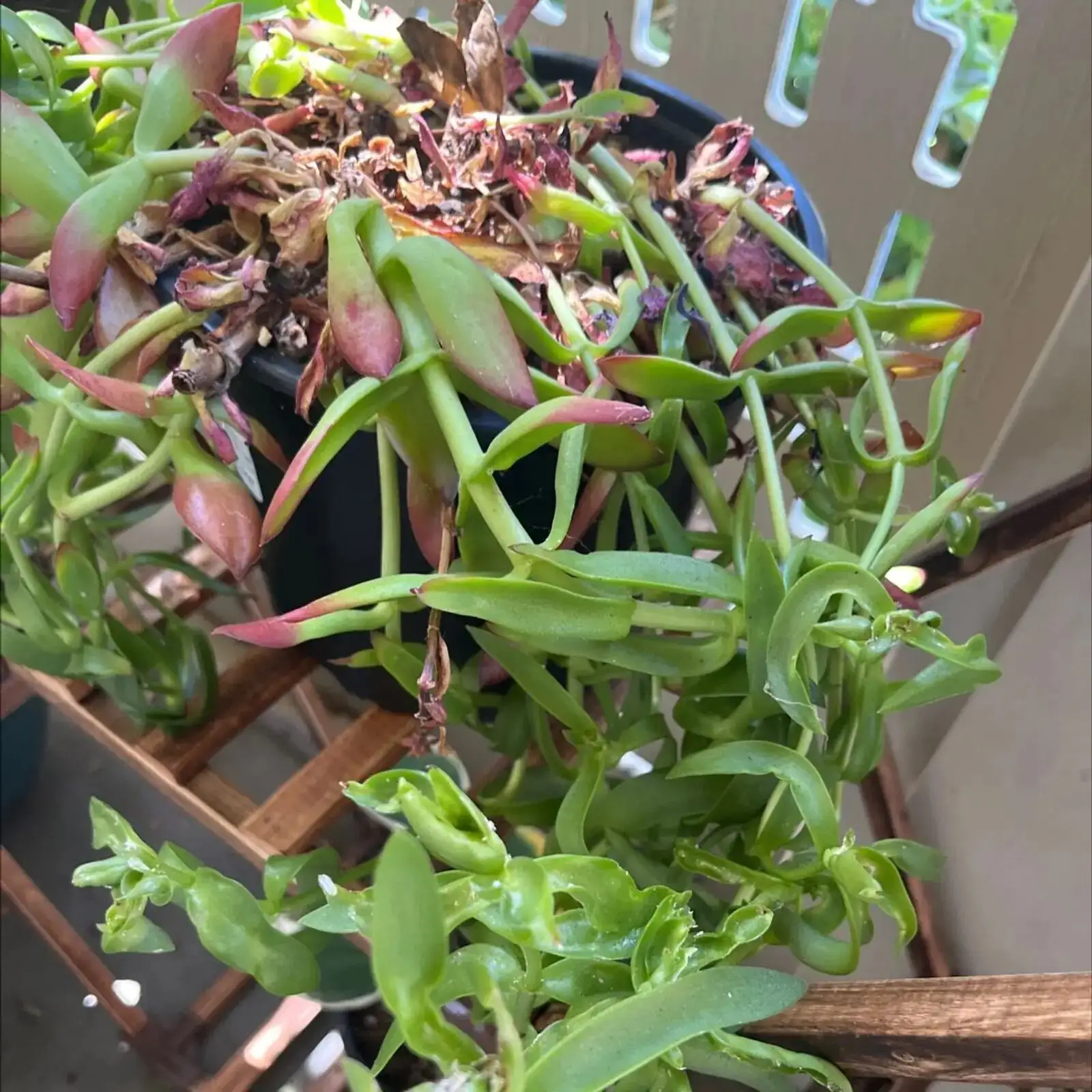
- Speckled, brown to tan spots; sometimes rusty-tinged pustules or freckles.
- Spots expand but tissue is not jelly-like; leaves may yellow or drop.
- Likely triggers:
- Damp foliage, lingering moisture on leaves, stagnant air, persistently high humidity, crowding.
H3: Scale
- What you’ll see:
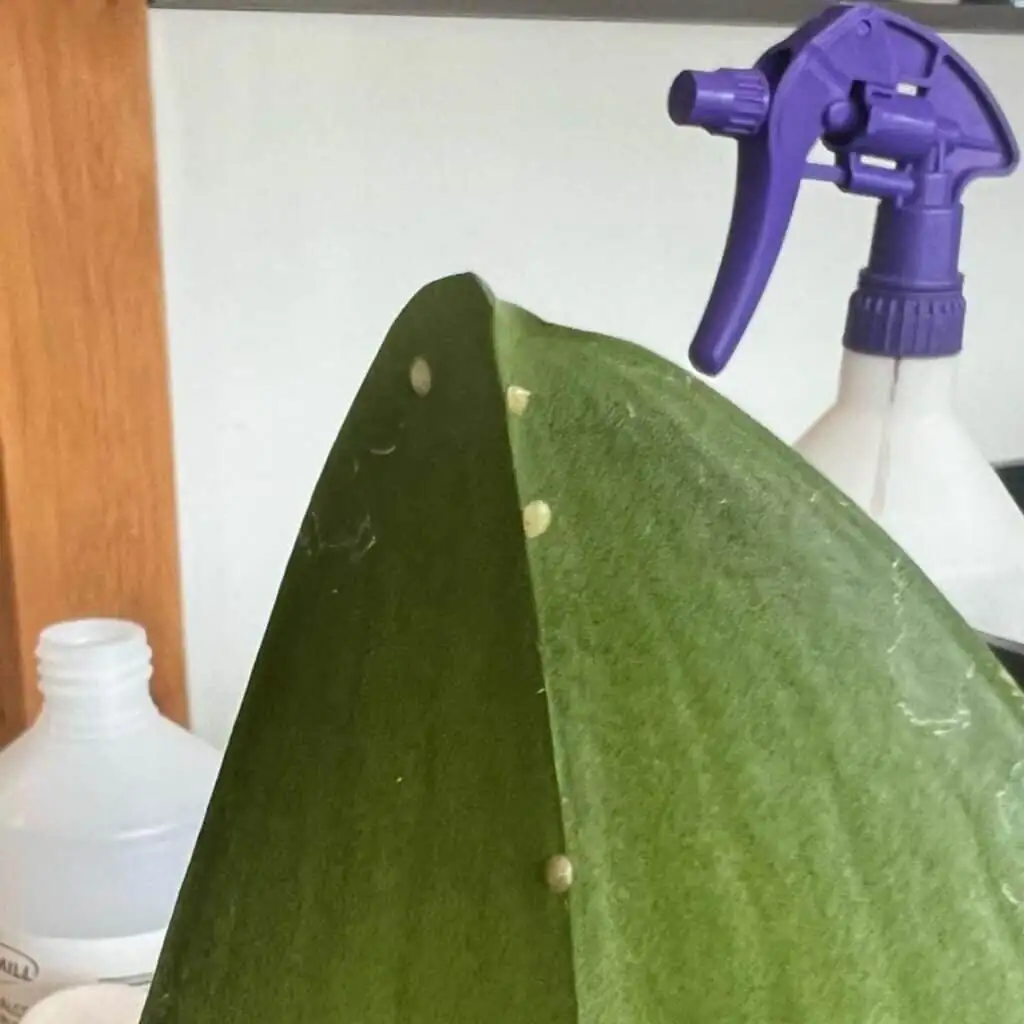
- Tiny, stuck-on bumps (tan, brown, or gray) on stems and leaf undersides that don’t flick away like dust.
- Sticky honeydew; sometimes ants farming the pests.
- Gradual yellowing, stunting.
- Likely triggers:
- Still air, dusty foliage, plants pressed close together (easy highways for crawlers).
H3: Whitefly
- What you’ll see:
- A cloud of tiny white “moth-like” insects that lifts off when you tap the plant.
- Sticky honeydew and sooty mold; yellowing or wilting of newer growth.
- Likely triggers:
- Warm, protected indoor spots with soft new growth; overcrowding and infrequent inspections.
H2: Fast, safe first aid: What to do in the next 10 minutes
1) Isolate the plant. Move it to bright light with good airflow.
2) Check moisture. If the mix is wet, stop watering. Never let the pot sit in a saucer of water.
3) Clean up. Remove dead leaves at the base and any obviously infected foliage (bag and bin).
4) Wipe pests. For scale or whitefly nymphs, gently wipe affected areas. If you use alcohol on a cotton swab, spot-test first.
5) Set traps (for whitefly). Place yellow sticky cards nearby to monitor and catch adults.
6) Improve air. A small fan on low, indirect airflow helps leaves dry and deters spotting and pests.
H2: Targeted treatments that work (and stay gentle)
H3: Rot rescue protocol
- Immediate steps
- Stop watering. Move to the brightest window (east or south-facing is ideal) with airflow.
- If the base is mushy, unpot the plant. Rinse away old mix, then cut back to firm, healthy tissue with sterile shears.
- Repot smart
- Replant in a very free-draining succulent/cactus mix (potting mix cut with coarse sand/grit/perlite).
- Use a pot with drainage holes. Keep the mix mostly dry at first.
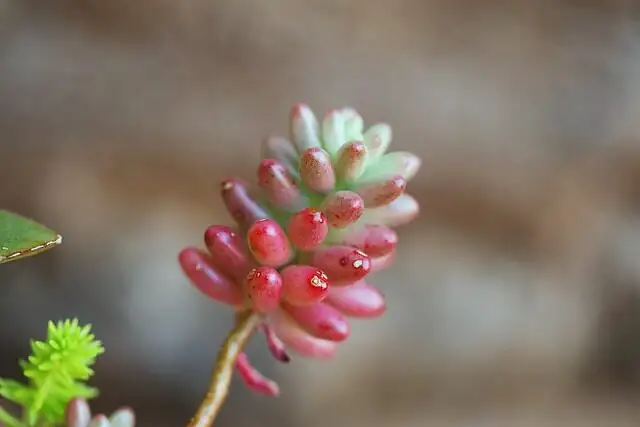
- Aftercare
- Keep warm (18–24°C / 64–75°F). Above 8°C (46°F) in winter; if temps dip near/below 5°C (41°F), keep the mix dry and pause watering entirely.
- Resume a drench-and-dry rhythm once you see firm new growth.
- If roots are mostly lost
- Save healthy tips: take 3–6 cm (1.2–2.4 in) firm cuttings, let them callus, then root in a gritty medium. Expect roots in about 2–3 weeks at 18–22°C (64–72°F).
H3: Leaf spot/rust clean-up
- Cultural fix first
- Prune off spotted leaves. Increase space and airflow; water at soil level and keep foliage dry.
- Avoid misting and avoid parking the plant in humid, still corners.
- When to treat
- If new spots continue after cultural changes, use a fungicide labeled for ornamental leaf spot/rust. Follow label directions precisely.
- Prevention
- Bright light and a breezy, dry environment are your best insurance; keep the plant on the dry side in cool weather.
H3: Scale takedown
- Manual removal
- Wipe off visible scale with a soft cloth or swab; be thorough at nodes and leaf undersides.
- Gentle sprays
- Use insecticidal soap or horticultural oil, coating all sides of leaves and stems. Oils work by smothering pests, so coverage is everything.
- Reapply as directed (typically every 7–10 days) until inspections are clean; these products have little residual activity and may need repeats.
- Pro tips
- Apply in the cool part of the day and keep out of harsh, direct sun while leaves are wet to minimize leaf burn.
- Remove honeydew buildup to deter ants and sooty mold.
H3: Whitefly control
- Knock down adults
- Yellow sticky traps help monitor and capture flyers. Gently vacuuming near the plant can reduce adults without harming foliage.
- Treat immatures (where the real damage happens)
- Spray undersides thoroughly with insecticidal soap or horticultural oil; repeat at intervals per label to catch new hatchlings.
- Cultural allies
- Increase airflow, avoid crowding, and don’t overfertilize. Softer, lush growth attracts more pests.
H2: Prevention blueprint: Keep “Campfire” glowing, not groaning
H3: Light and temperature
- Give bright light to full sun for best scarlet color; acclimate gradually to intense sun to prevent scorch.
- Ideal temps are 18–24°C (64–75°F). Keep above 8°C (46°F). Not frost hardy.
H3: Watering rhythm
- Soak thoroughly, then let the mix dry well before watering again.
- Spring: often about weekly if the mix dries quickly.
- Summer: many growers water every 2–3 weeks (less in heatwaves if the plant is resting).
- Autumn: water lightly when dry; often weekly in bright, mild conditions.
- Winter: keep very bright and go sparse; if temps near/below 5°C (41°F), stop watering.
- Black, soft leaves are the classic overwatering/poor drainage red flag.
H3: Soil and pots
- Use a gritty, fast-draining cactus/succulent mix in a pot with drainage holes. Avoid heavy, water-retentive soil.
- Repot in early spring; tidy away dead basal leaves and shorten overly long roots.
H3: Air and spacing
- Prefers dry air and good ventilation. Stuffy rooms + humidity = rot and leaf spotting.
- Avoid rain-soaked outdoor corners and cramped shelves.
H3: Scouting and hygiene
- Inspect weekly (undersides, nodes, inner canopy). Wipe off early pests before they establish.
- Quarantine new plants. Remove leaf litter where pests can hide.
- Sticky traps are excellent early-warning beacons for whitefly.
H3: Feeding, gently
- Feed about once a month in active growth with a diluted, balanced-to-bloom-leaning, lower-nitrogen fertilizer (e.g., 15-15-30). Skip feeding in low-light winter.
H2: Quick FAQs for “Campfire” keepers
- How do I make Campfire Crassula turn red?
- Give it brighter light (some direct sun) plus cooler autumn/winter nights. Strong light + a day–night temperature swing push foliage from gray-green to orange-red and vivid scarlet.
- Why are the leaves turning black and soft?
- That’s almost always rot from excess moisture or poor drainage. Move to brighter light with airflow, let the mix dry thoroughly, reduce watering, and remove any rotting tissue.
- Can oils or soaps burn leaves?
- Yes, if misapplied. Spray in the cool of the day, ensure thorough but not dripping coverage, and keep out of hot sun until dry. Always spot-test and follow the label.
H2: A note on symbolism (花语)
This cultivar’s fiery winter color inspires modern associations with a “prosperous home,” passion, and boldness. Unlike classical flower lore rooted in old myths, these meanings arise from contemporary houseplant culture—the way ‘Campfire’ lights up windowsills in the cool season and multiplies easily, suggesting warmth, vitality, and plenty.
H2: Your 5‑minute monthly check
- Tap-test for whitefly; scan for honeydew and sooty mold.
- Look for stuck-on bumps (scale) along stems and undersides.
- Snip any spotted leaves; thin crowded stems for airflow.
- Lift the pot: if it’s heavy and leaves look tired, delay watering.
- Refresh sticky traps and dust the leaves—clean foliage deters pests.
Meet its needs for bright light, dry spells, and breezy air, and your Campfire Crassula will return the favor with stacked architecture and a blaze of red in cool seasons—no rot, no spots, and no hitchhikers invited.