Discover the Delightful World of Black-eyed Susans: Rudbeckia hirta
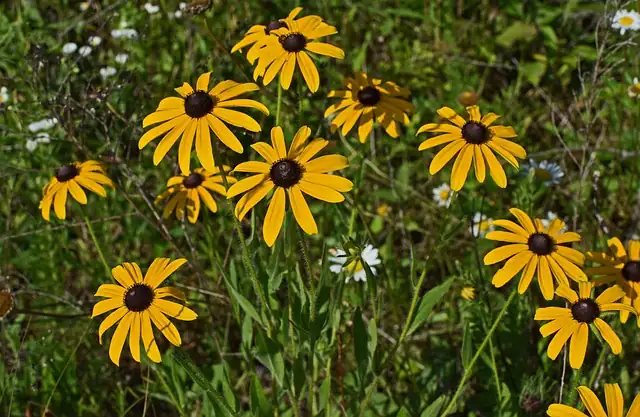
Imagine a sunny meadow, a golden sea of cheerful blooms swaying in the breeze. Among these, one flower stands out with its vibrant yellow petals and bold dark center—the Black-eyed Susan. Known scientifically as Rudbeckia hirta, this delightful flower is more than just a pretty face in the garden. Let’s dive into the quirky and captivating world of the Black-eyed Susan and uncover some fun facts about this beloved botanical wonder.
A Flower with a Heart of Gold
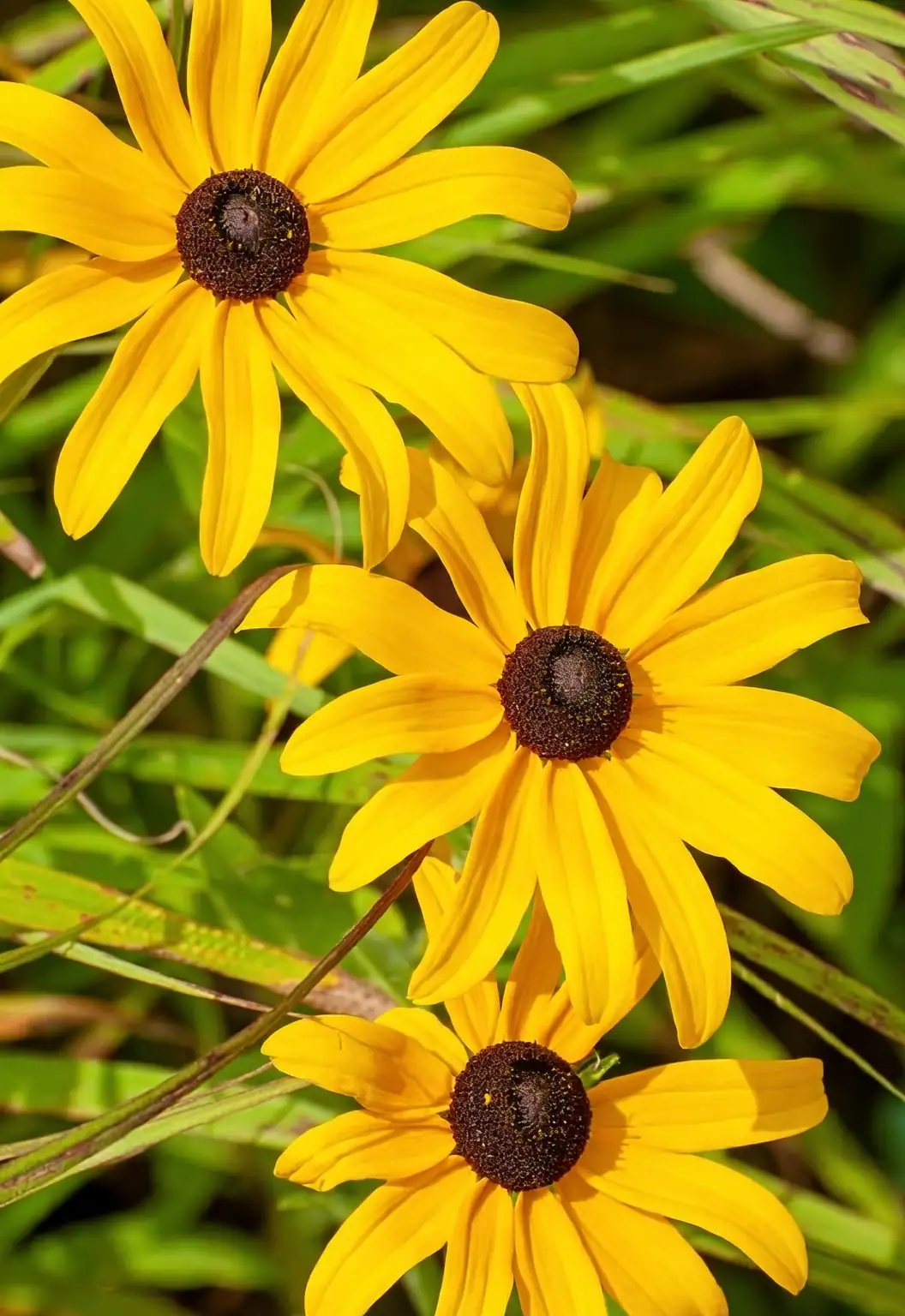
What appears to be a single blossom in Black-eyed Susans is actually a community of tiny flowers working together. The outer petals, known as ray florets, encircle a prominent cone-like center filled with tubular disk florets. This intricate structure not only adds a touch of elegance but also serves a practical purpose, attracting a host of pollinators like bees and butterflies.
Nature’s Own Bird Feeder
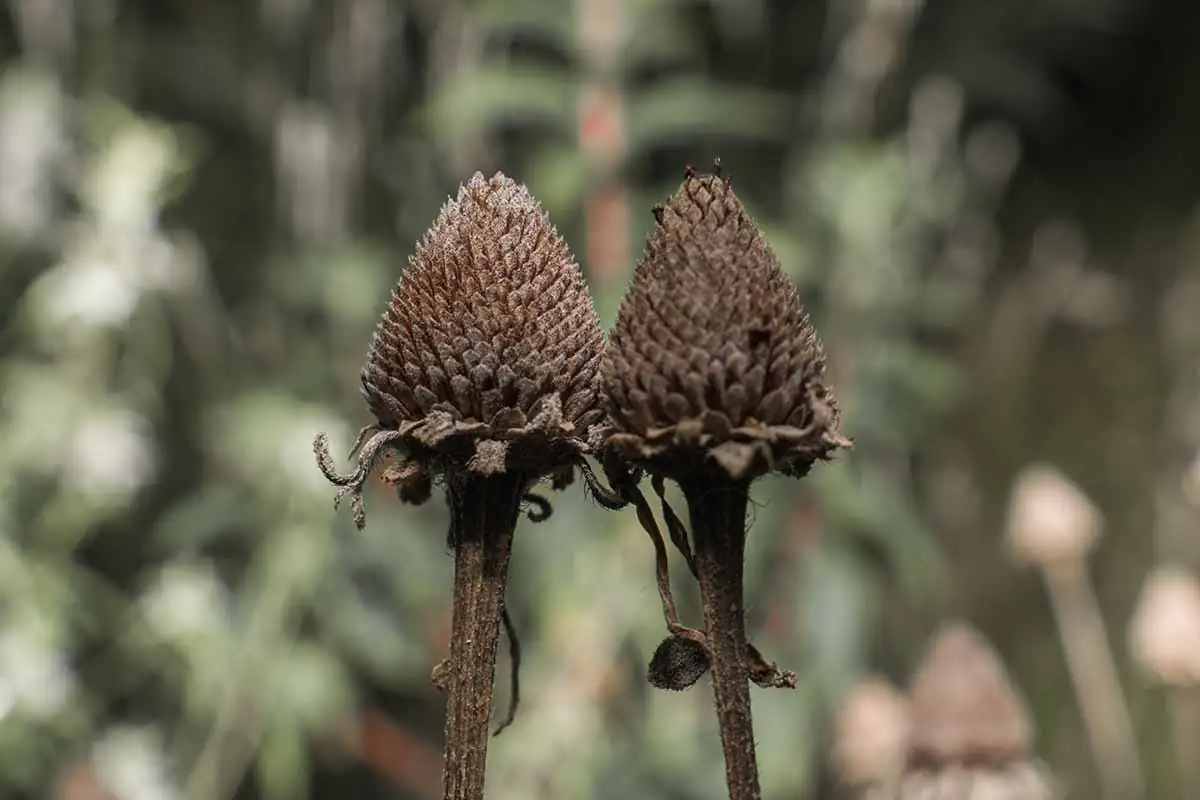
Ever thought of turning your garden into a bird sanctuary? By leaving the seed heads of Black-eyed Susans to dry in the fall, you can do just that. These dried seed heads become a natural buffet for birds, particularly goldfinches. So, while you get to enjoy the beauty of these flowers in the summer, your feathered friends can feast through the colder months.
The Resilient Beauty
Black-eyed Susans are the epitome of resilience in the plant world. Native to North America, they thrive in USDA Zones 3–9 and can handle a range of climates, from the heat of summer to the bitter cold of winter. Once established, these plants are drought-tolerant, making them a low-maintenance choice for busy gardeners. Their rough, hairy leaves even deter deer from nibbling on them, adding to their robust nature.
Spreading Sunshine
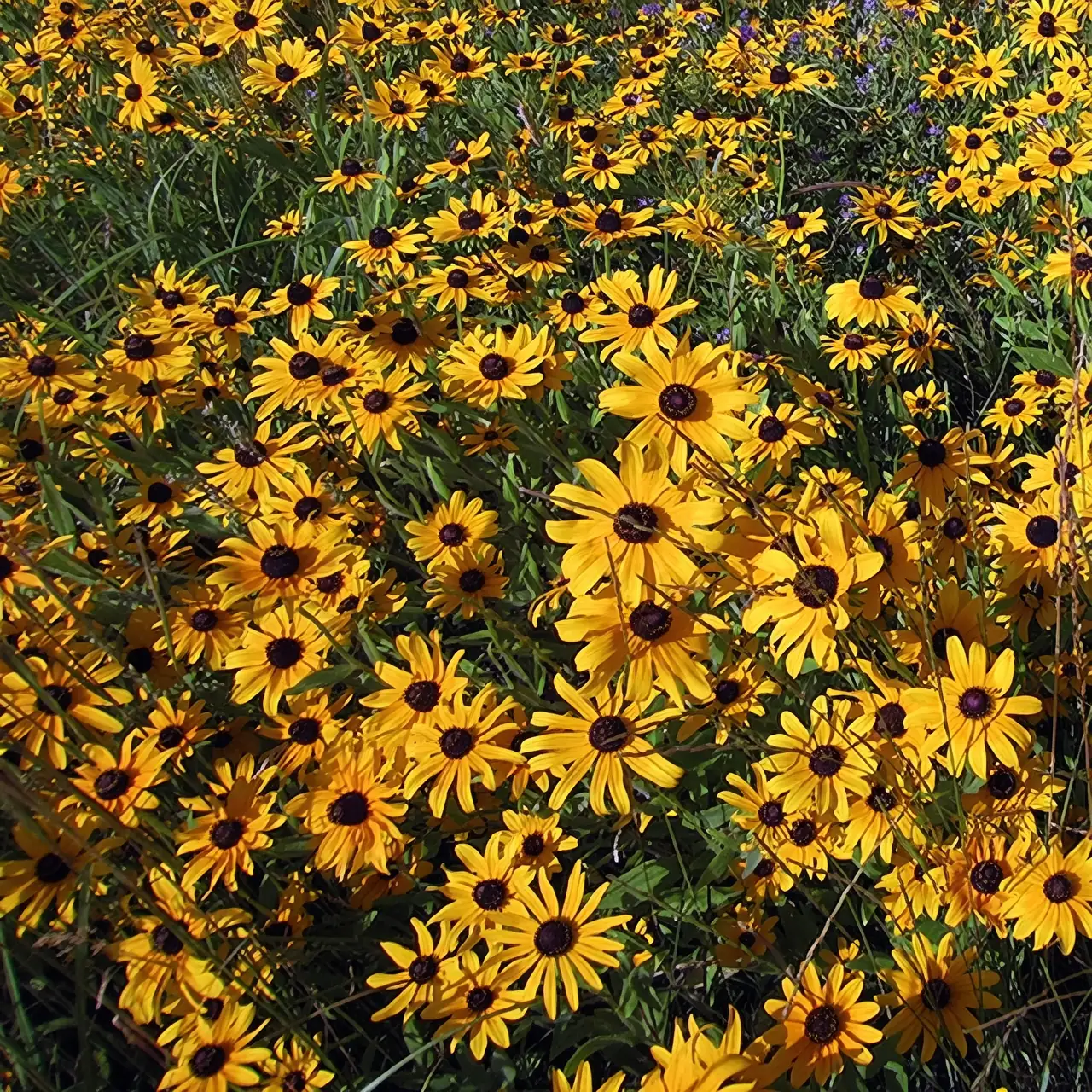
If you’ve ever driven past a field of Black-eyed Susans, you’ve witnessed their ability to naturalize and spread joy across the landscape. These flowers are pioneer plants, often among the first to appear after a disturbance like a fire, symbolizing hope and renewal. And while they’re busy colonizing new ground, they’re also busy self-seeding, ensuring that their golden glow returns year after year.
A Symbol of Encouragement
In the language of flowers, Black-eyed Susans symbolize encouragement, motivation, and optimism. With their sunny disposition and tenacity, they’re like nature’s own pep talk, reminding us that even in tough conditions, we can thrive. This symbolism makes them a perfect gift for someone going through a challenging time, a living reminder that they’ve got this.
Cultivating Your Own Sunshine
Ready to add some Black-eyed Susans to your garden? Here are a few tips to get you started:
- Sunlight: These plants love the sun, so aim for at least six hours of direct sunlight daily for the best blooms.
- Soil: While they’re adaptable to various soil types, well-draining soil with some organic matter will yield the healthiest plants.
- Watering: Water deeply about once a week and increase during dry spells. Avoid overhead watering to prevent fungal issues.
- Fertilization: A light hand with fertilizer is best. Overdoing nitrogen can lead to lush foliage at the expense of flowers.
- Pruning: Deadhead spent blooms to encourage more flowering and control self-seeding if you prefer a tidier garden.
A Brief History and Cultural Tidbits
Rudbeckia hirta was named in honor of Swedish botanists Olaus and Olof Rudbeck. Its species name, “hirta,” means “hairy,” a nod to the plant’s bristly texture. The Black-eyed Susan holds a special place in history as the official state flower of Maryland since 1918, and it has been used traditionally by Indigenous peoples for various medicinal purposes.
Common Questions About Black-eyed Susans
Do Black-eyed Susans come back every year?
Yes, they often do! While they are typically short-lived perennials or annuals, their ability to self-seed means you’ll likely see new plants popping up each year.
Why aren’t my Black-eyed Susans blooming?
Check their sun exposure—these sun-lovers need plenty of light. Also, be mindful of not over-fertilizing with nitrogen.
How can I prevent them from spreading too much?
Regular deadheading and thinning can help control their spread. Dividing clumps every few years is another effective method.
In conclusion, the Black-eyed Susan is a plant with personality, offering beauty, ecological benefits, and a sense of resilience to any garden it graces. Whether you’re a seasoned gardener or just starting out, Rudbeckia hirta is a delightful choice that will brighten your space and your spirits.