


Walk with me past the light stands and the brightest east-facing windowsills: this is where modern Streptocarpus—Cape primroses—have been quietly reinvented. Today’s hybrids are compact, endlessly floriferous, and unapologetically photogenic, with velvety trumpets rising above soft, wrinkled leaves in whites, pinks, reds, blues, and purples, often intricately patterned. Think of them as the “studio lights” of the houseplant world—easy to care for, always camera-ready, and eager to perform from spring to autumn, with many carrying on in winter if you turn up the brightness.
The modern Streptocarpus look: what breeders now select for
- Compact rosettes: A tidy, leaf-based clump that fits a 4–6 inch pot and loves a bright sill.
- Shorter, sturdier scapes: Flower stems that don’t flop into bulbs or brush lights on grow stands.
- Petal engineering: Semi-double and double forms hold petals longer and don’t drop off as quickly, extending each flush.
- High-contrast throats and bicolors: Crisp veining, spots, and banding that read beautifully in photos and on social feeds.
- Extended bloom windows: From spring through autumn by default; some lines keep going through winter under brighter light.
- Better foliage finish: Flatter, smoother leaves that look groomed, not rumpled.
- Occasional fragrance: A handful of modern hybrids add scent to the show.
Curator’s picks by trait (and why they wow)
Long-season headliners
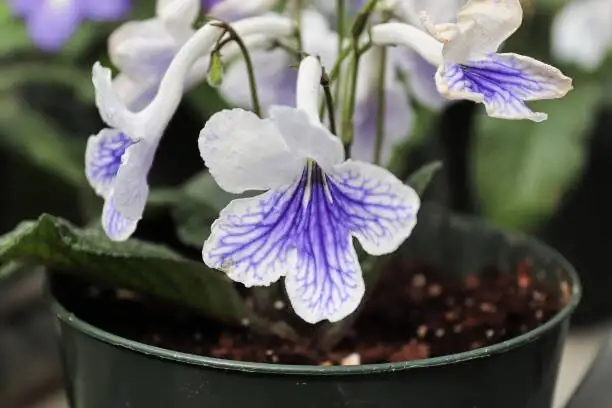
- Harlequin Blue (Chelsea Plant of the Year, 2010): A bi-color masterpiece—cool blue upper petals over a creamy lower palette, split by a dramatic violet streak. Impeccably graphic, it’s a natural for close-ups and high-key lighting.
- Crystal series: Bred to keep flowering deep into the season; with excellent light, many continue even as days shorten, giving you “nearly year-round” color on a bright sill.
Why they last: genetics for relentless bud production, semi/double forms that hold longer, plus the right routine—steady bright light, regular deadheading, and light, root-restricting pots.
Compact windowsill naturals
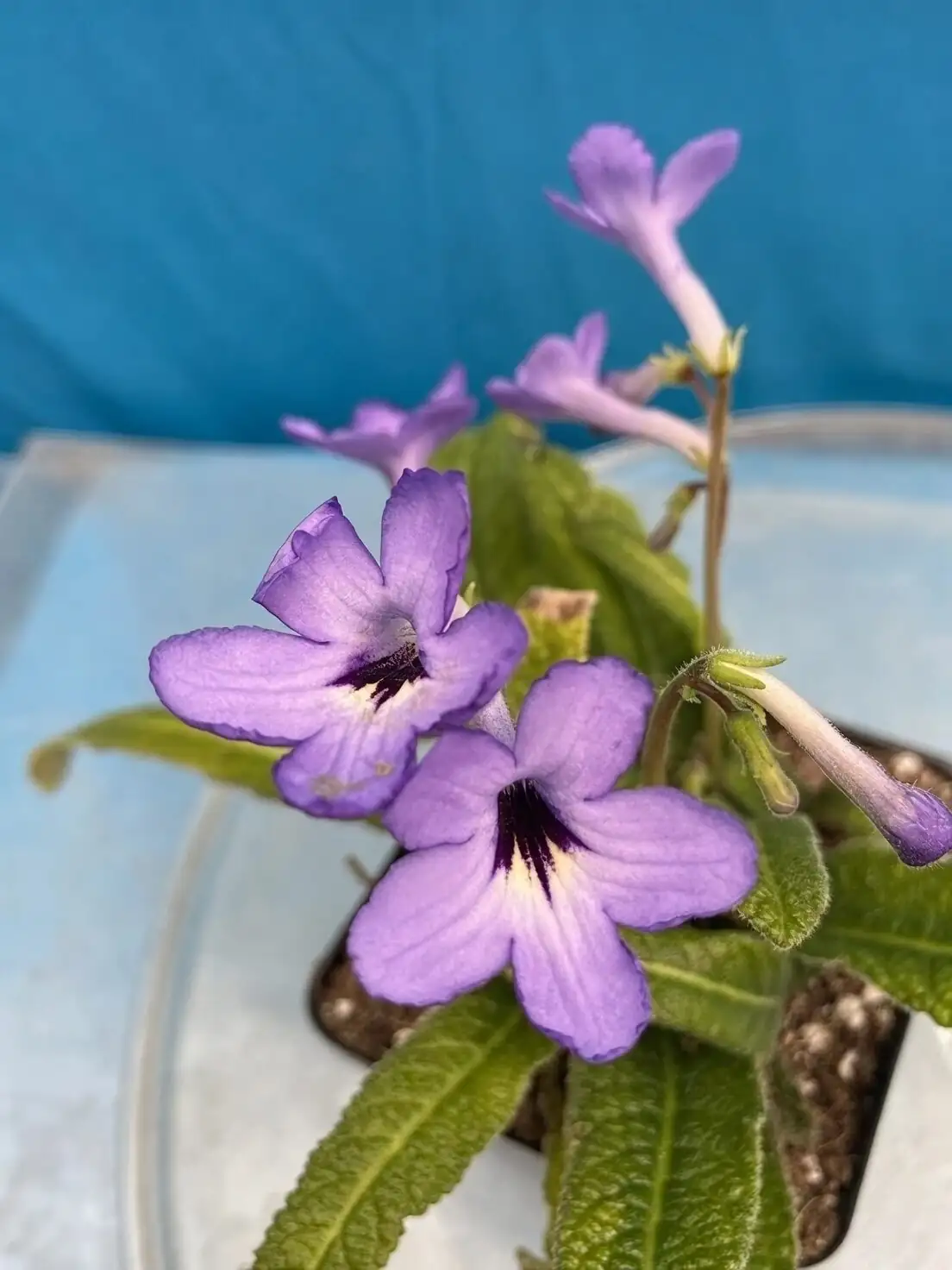
- Bristol series (The Violet Barn): Purpose-bred for the modern grower—flat, manageable foliage, shorter bloom stems, and loads of flowers. Many are semi-double/double, so each display lingers.
- Petite pattern players: Look for catalog notes like “mini,” “compact,” or “short scape.” These selections photograph as clean rosettes topped with color, perfect for grid photos and small-space displays.
Reds and warm candy tones
- Watermelon Wine: Often cited as one of the truer reds—a unicorn shade in Streptocarpus that pops beautifully against green foliage in photos.
- Bristols Ravishing Ruby: A warm, saturated red-forward palette that delivers instant focal-point energy.
Pattern play and high drama
- Burgundy Ice: Icy pale with deep burgundy markings—high contrast that reads from across a room.
- Zoe: Unusually lovely coloration and intricate patterning; a macro-lens favorite.
- Polka-Dot Purple: As playful as it sounds, with speckling that makes every bloom feel hand-painted.
Doubles and semidoubles that linger
- Anne: A richly colored double with intense violet tones; petals layer like couture, stretching each bloom’s “onstage” time.
- Bristol semidoubles/doubles: Bred so blooms don’t fall as quickly when they fade—more days between deadheads, more photos between chores.
Occasional fragrance
- A few modern lines include lightly fragrant blooms—a charming curveball when you lean in to shoot.
How breeders coax compactness and constant color
- Shorter scapes by selection: Generations of choosing plants whose blooms stand just above the foliage, not on long wands.
- Petal longevity: Semi-double/double forms add petal mass, resisting shatter and extending each display.
- Photogenic palettes: Bicolors, banded throats, and clean spotting deliver crisp contrast that today’s phone cameras capture beautifully.
- Culture synergy: Even the best genetics need the right setup:
- Bright, indirect light (an east window is ideal; in winter, shift to a brighter south/west sill with light shade as needed).
- Slightly pot-bound roots in a free-draining mix (amend with perlite) to channel energy into flowers, not leaves.
- High-potassium feeding about monthly in the growing season to fuel bud production.
- Regular deadheading to keep the conveyor belt of blooms moving.
Camera-ready Cape primrose: styling and shooting tips
- Light it like a portrait: Morning sun with sheer curtain diffusion makes colors glow without glare on those velvety petals.
- Use the foliage as a frame: Shoot slightly downward to let the rosette cradle the blooms; it creates instant composition.
- Go macro on throats: Veins, speckles, and contrasting “eyes” are signature details—get close.
- Backgrounds matter: Charcoal, pale gray, or raw wood sets off both warm and cool palettes.
- Prep the talent: Gently dust leaves, remove spent stems, and rotate the pot so the fullest spray faces your lens.
Where they come from (and why that matters)
Streptocarpus hail from Southern Africa—think shaded, rocky places and forest margins. Indoors, they’ll thrive when you echo that: bright but not scorching light, moderate humidity, and impeccably drained soil so water never lingers at the crown.
Grow them like a curator
Light and placement
- Bright, indirect light to part sun/part shade. East windows are ideal; lightly shaded south/west sills also work.
- In winter, move to a brighter spot with a touch more direct sun to maintain flowering.
Water and humidity
- Water when the mix surface feels dry (spring–autumn). In winter, let it become almost dry between waterings.
- Top- or bottom-water: for the latter, stand the pot in water for about 20 minutes, then drain fully.
- Moderate household humidity is fine. Avoid bone-dry or hot, stagnant air.

Temperature
- Sweet spot: 12–24°C (54–75°F). Gentle, cooler nights within this range can help flowers last.
Soil, pots, and feeding
- Use a free-draining houseplant mix, often improved with perlite. Keep that crown high and dry.
- Typical pot: 10–15 cm (4–6 in). Repot in spring, only slightly up-sizing; light root restriction encourages best bloom.
- Feed about monthly from spring to autumn with a high-potassium fertilizer for flowering plants.
Grooming and propagation
- Deadhead promptly; tidy older leaves in spring to open the rosette and improve airflow.
- Propagate by leaf cuttings (even leaf sections)—a single leaf can make several plants, which is why they’re a favorite among sharers.
Pests, diseases, and safety
- Main pitfall: overwatering—root/crown rot is the big one, especially in heavy soil or if water sits around the crown.
- Possible pests: mealybugs, aphids, spider mites. Good airflow and careful watering are your best preventives.
- Generally regarded as non-toxic to cats and dogs, though nibbling can still cause mild tummy upset.
Where collectors are sourcing the good stuff
North America
- The Violet Barn (USA): Home of the Bristol series—compact, flat foliage; shorter scapes; many semi/doubles; a few fragrant. Plants are often shipped young (think 2-inch pots), so expect to grow them on.
- Specialty gesneriad vendors and shows: Local and regional events are treasure troves for new releases and leaf cuttings.
UK and Europe
- Dibleys Nurseries (UK): A leading name, with multiple RHS Award of Garden Merit winners and high-performing lines like the Crystal and Harlequin types that have excelled on show benches and windowsills alike.
- RHS Plant Finder and specialist mail-order lists: Great for tracking specific cultivars and AGM awardees.
Everywhere (with care)
- Reputable online sellers and collector swaps: Vet sources via plant societies and community groups.
- Smart buying checklist:
- Choose plants with firm, unblemished leaves and several buds.
- Avoid waterlogged pots or any sour smell.
- Inspect the crown—no soft or blackened tissue.
Quick troubleshooting: keep the crown smiling
- Slowing bloom? Increase light (especially in winter), keep slightly pot-bound, and resume monthly high-K feed in the growing season.
- Wilting or collapse? Check for soggy mix and poor drainage—repot into a freer-draining blend and water only when the surface dries.
- Sticky leaves or webbing? Isolate and treat for mealybugs or mites; improve airflow.
Parting note for the collector’s heart
Once you grow one, you’ll want another—and then another. Modern Streptocarpus have been bred for exactly how we live and share plants now: small pots, bright windows, phones in our pockets. With strong indoor light, many hybrids reward you with flowers nearly all year—and with a single leaf, you can clone the joy and pass it along.