
The Enchantment and Enigma of Brugmansia: Angel’s Trumpet
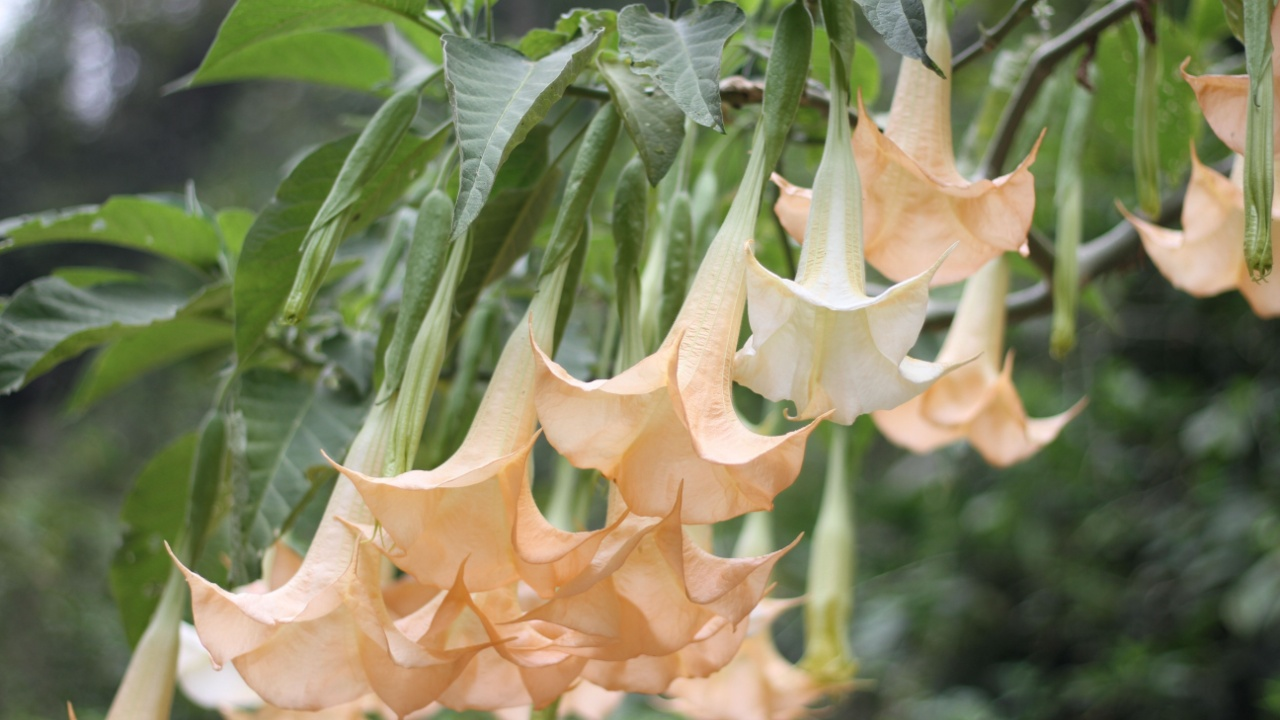
Imagine strolling through a moonlit garden, where the air is perfumed with an intoxicating fragrance. Here, the Angel’s Trumpet, or Brugmansia, reigns supreme with its stunning, pendulous blossoms that captivate and caution in equal measure. This plant, native to the mystical rainforests of South America, is a botanical masterpiece with a story as complex as its beguiling blooms.
A Symbolic Symphony: Beauty with a Warning
In the language of flowers, Brugmansia carries a powerful duality. Its breathtaking appearance and enchanting scent symbolize transformation and spiritual awakening—a nod to its historical use in shamanic rituals where it was believed to bridge the human world with the divine. However, this beauty is not without its thorns; the plant also represents danger and caution, a reminder of its potent toxicity. Every alluring trumpet-shaped flower whispers a tale of transformation, but also of hidden peril.
The Dance of Dusk: Nocturnal Allure
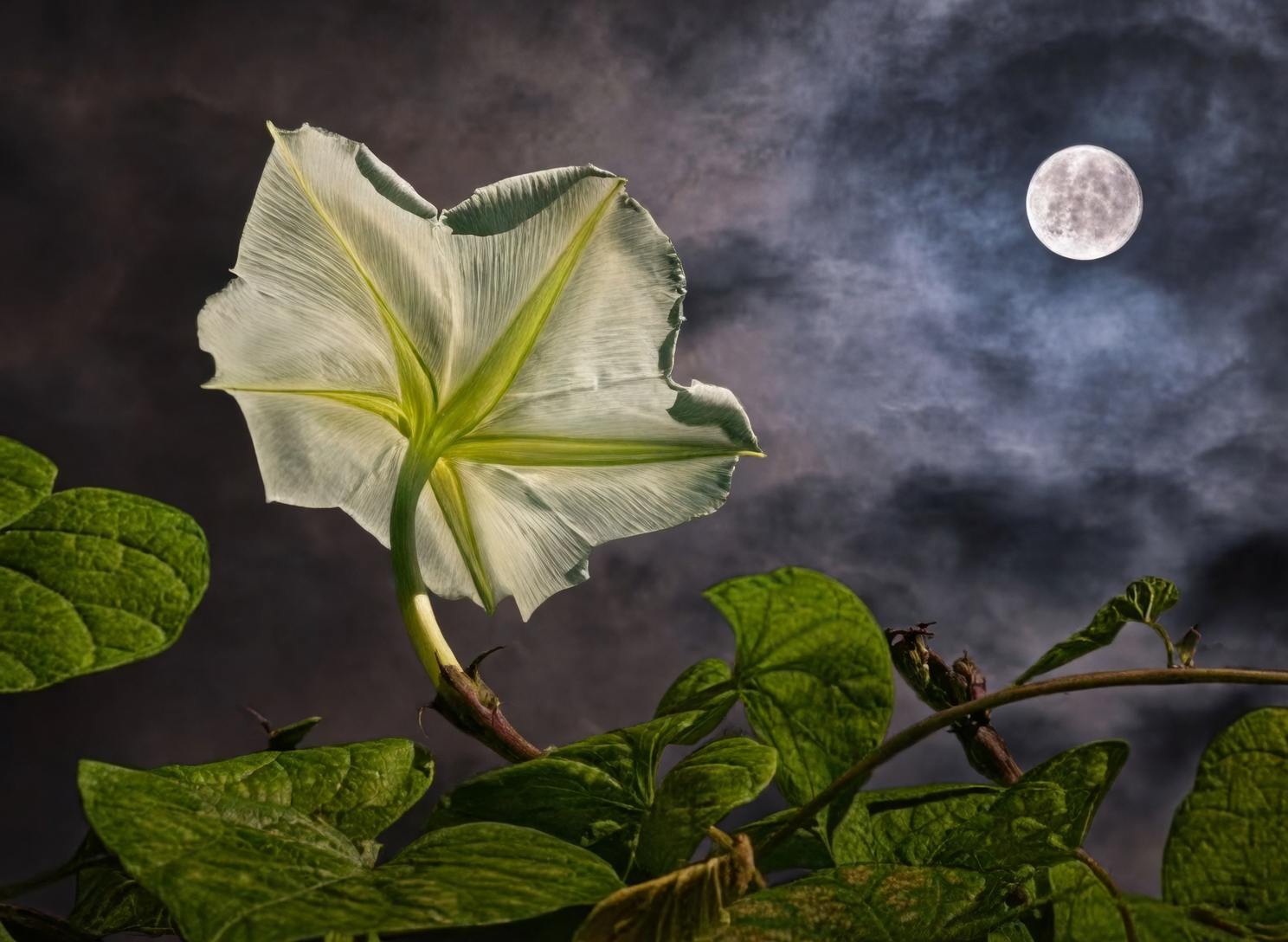
Many of the Brugmansia’s secrets are revealed at night. As twilight descends, these flowers release their strongest fragrances, a natural serenade to nocturnal pollinators. This nighttime bloom adds to their mystical charm, turning any garden into an ethereal paradise. The large, drooping flowers—ranging from pristine white to vibrant pink, yellow, and red—appear almost otherworldly under the moon’s glow, inviting you to pause and ponder their silent symphony.
A Cultural Chronicle: From Sacred Rituals to Modern Gardens
Historically, Brugmansia has held a prominent place in South American cultures. Indigenous peoples revered it for its spiritual significance, often using it in ceremonies to invite visions and connect with the supernatural. The plant’s name pays homage to this rich heritage, with “Angel’s Trumpet” suggesting a divine connection, a celestial instrument calling to the heavens.

Today, while its spiritual uses are largely historical, Brugmansia continues to enchant gardeners worldwide. Its striking appearance makes it a sought-after ornamental plant, perfect for conservatories and sheltered patios where its fragrance can be fully appreciated. However, the plant’s toxicity necessitates caution—it’s a beauty best admired from a safe distance.
Cultivation Considerations: Beauty Meets Responsibility
Growing Brugmansia is an exercise in balancing beauty with responsibility. Here are some essential tips for cultivating this mesmerizing plant:
- Location: Give your Brugmansia full sun to partial sun, safeguarding it from scorching midday rays in hot climates. Indoors, it thrives in bright, airy spots.
- Watering: Keep the soil consistently moist during the growing season but avoid waterlogging. Reduce watering in winter.
- Feeding: Use a balanced liquid fertilizer in spring, switching to a high-potassium formula in summer to encourage blooming.
- Pruning: After flowering, prune lightly to maintain a compact shape, but don’t overdo it—severe cutting can hinder future blooms.
- Safety: Due to its extreme toxicity, handle with care. Wear gloves while pruning and keep the plant out of reach from children and pets.
A Botanical Dichotomy: Bewitching Yet Beguiling
The Angel’s Trumpet is a plant of paradoxes. It invites you into a world of transformation and spiritual beauty, yet demands respect for its potent chemistry. This duality is what makes Brugmansia both fascinating and formidable—a perfect embodiment of nature’s complexity.
So, next time you encounter this magnificent plant, allow yourself to be enchanted, but remember the cautionary tales it carries. Brugmansia is a reminder that in the world of flora, as in life, beauty often comes with a warning.